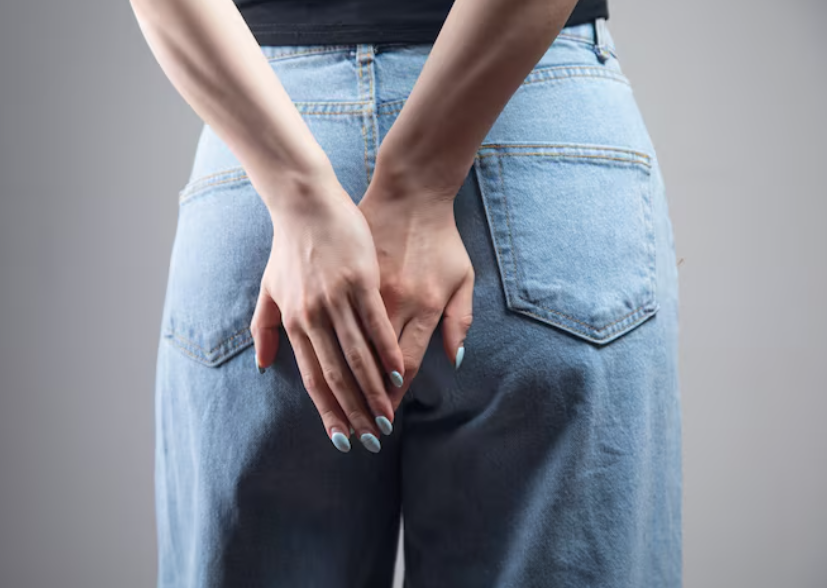
Were you perfectly fine last night, only to be startled by a sharp, stabbing pain the moment you sat down in a chair this morning?
Many people brush this off as a simple muscle ache and try to wait it out,
but it’s often actually acute hemorrhoid symptoms caused by a sudden blood clot in a vein around the anus.
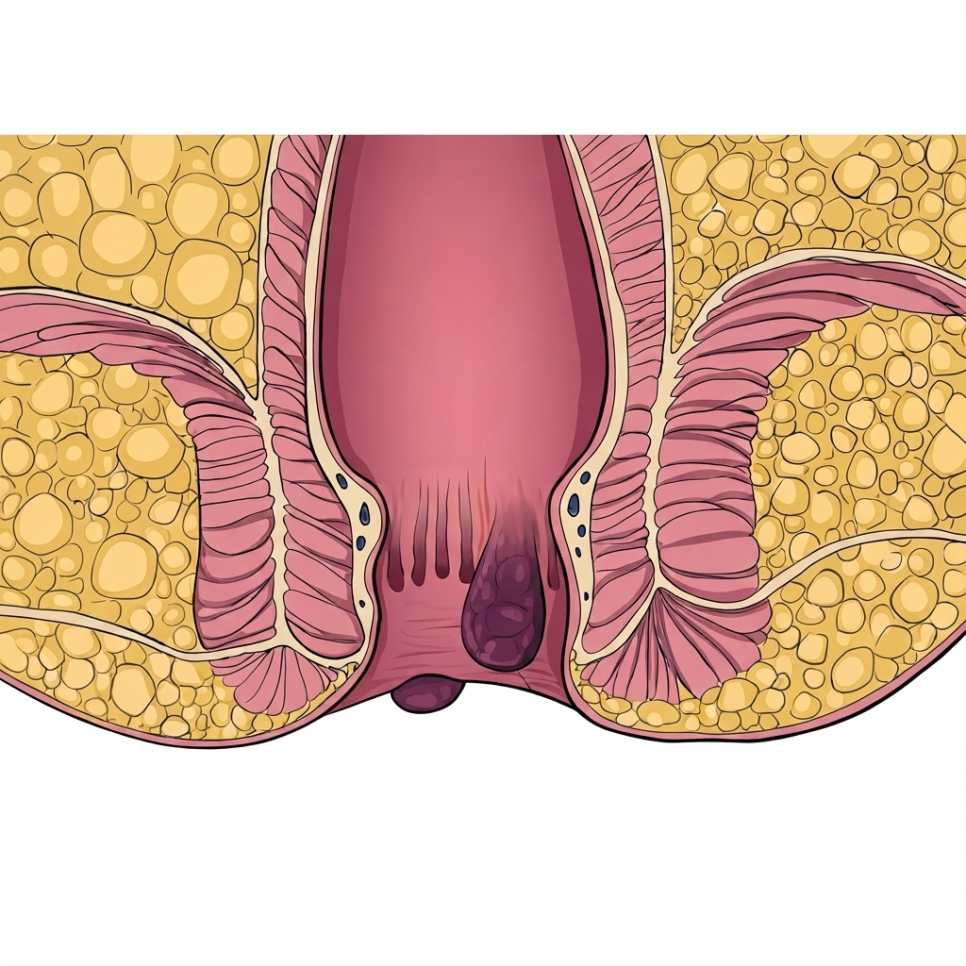
Acute hemorrhoid symptoms most often begin with a thrombosed external hemorrhoid, where a clot suddenly forms inside a vein near the anus.
This article walks through the causes, a self-check list, emergency relief steps you can try at home, and when it’s time to see a doctor.
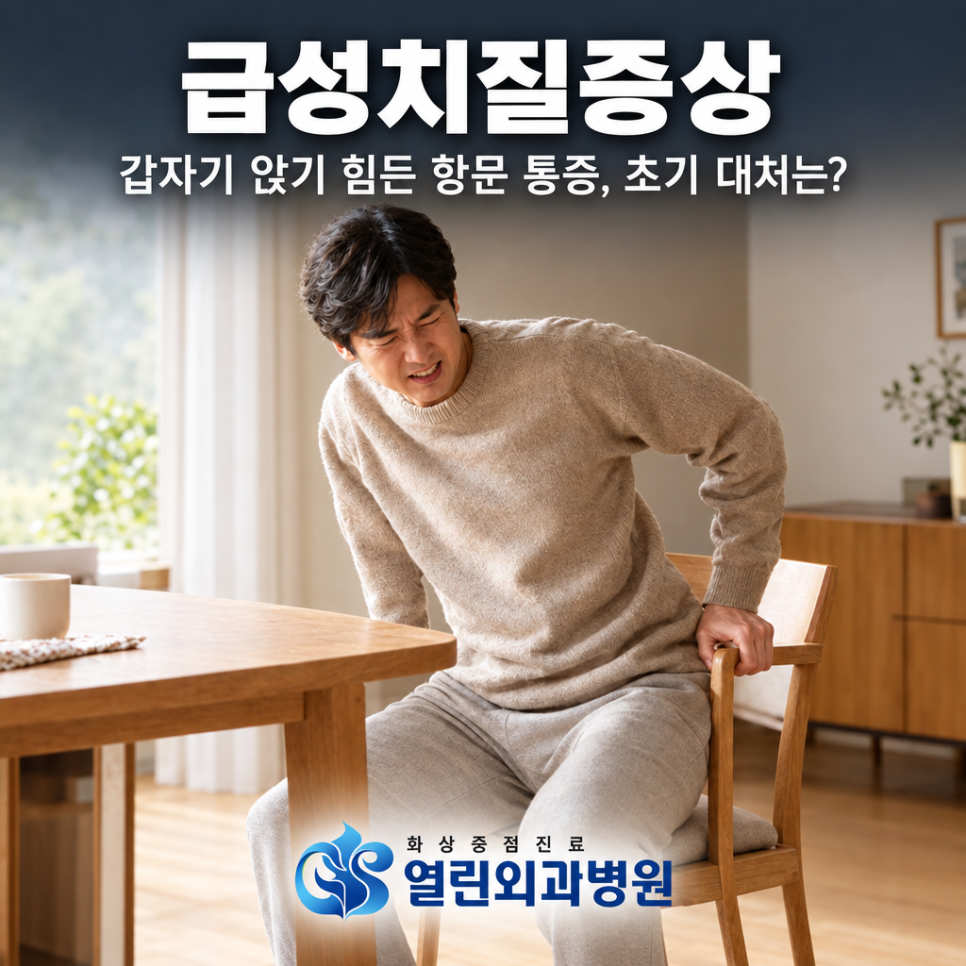
What Causes Acute Hemorrhoid Symptoms That Strike Suddenly?
Most acute hemorrhoid symptoms occur because of a thrombosed external hemorrhoid, a sudden blood clot forming inside a vein around the anus.
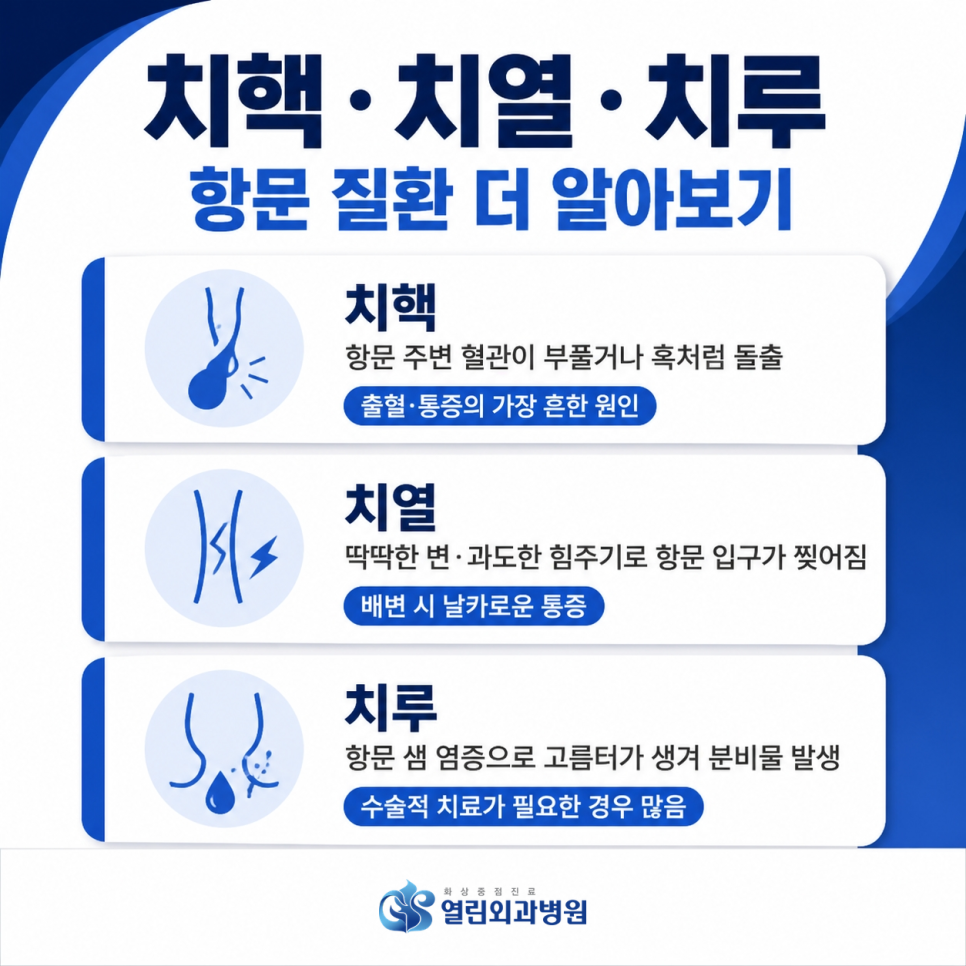
A thrombosed external hemorrhoid is a condition in which a blood clot forms in a vein at the edge of the anus, causing the tissue to swell and triggering intense pain.
Even people who’ve never had hemorrhoid symptoms before can experience a sudden spike in anal blood vessel pressure from fatigue, sitting on a cold surface for a long time,
drinking too much alcohol, or straining hard during a bowel movement because of constipation.
That’s exactly why people say, “I was fine yesterday, and then it just happened out of nowhere.”
· Straining for more than 5 minutes during a bowel movement sharply raises pressure in the anal blood vessels.
· Sitting on cold surfaces for long periods, heavy drinking, and accumulated fatigue also encourage clot formation.

Acute Hemorrhoid Symptoms of a Thrombosed External Hemorrhoid: A Checklist
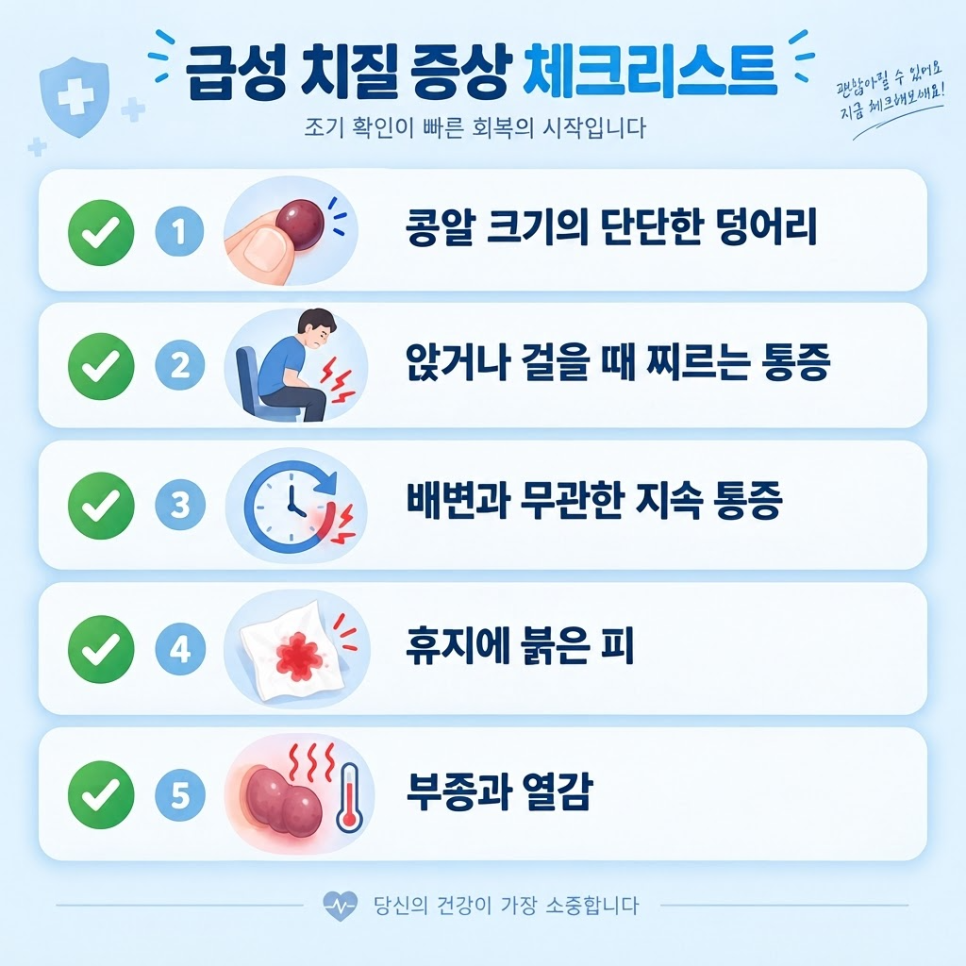
A thrombosed external hemorrhoid is marked by a firm lump you can feel around the anus within just a few hours, with pain that peaks rapidly.
Unlike chronic hemorrhoids, the pain intensifies so quickly that walking or even sitting can become difficult.
✅ You can feel a firm lump the size of a pea or kidney bean at the anal opening
✅ You feel a stabbing pain when sitting in a chair or walking
✅ The pain continues regardless of whether you’ve had a bowel movement
✅ You notice blood on the toilet paper or bleeding from the surface of the lump
✅ The area around the anus is tightly swollen and feels warm to the touch
| Category | Acute (Thrombosed External Hemorrhoid) | Chronic Hemorrhoids |
|---|---|---|
| Pain onset | Worsens sharply within hours | Develops gradually, recurs over time |
| Lump | Firm and painful to the touch | Protrudes after bowel movements, then retracts |
| Impact on daily life | Hard to sit or walk | Uncomfortable but can still walk |
What Emergency Relief Methods Can You Try at Home Right Away?
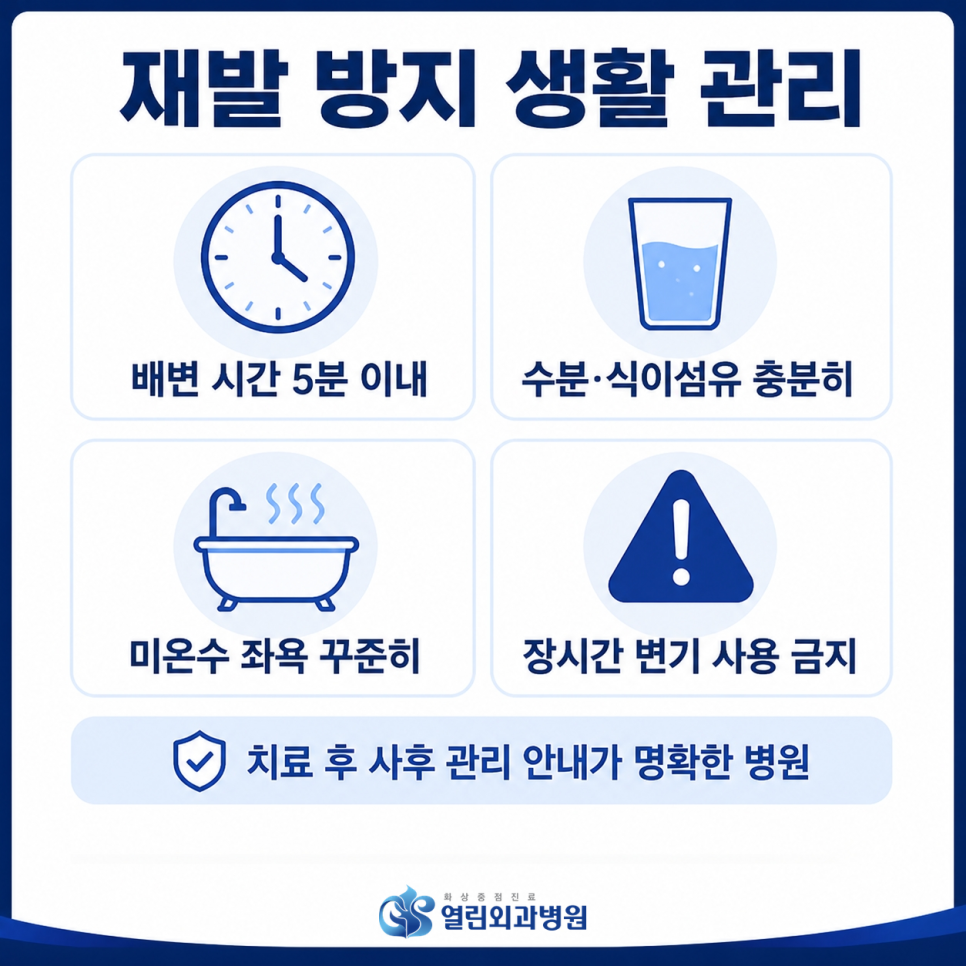
A warm sitz bath is a method of soaking the anal area in warm water at about 100–104°F (38–40°C) to relax the sphincter muscle and improve blood flow.
Sitz baths are known to promote circulation, which may help dissolve the clot and support healing of the affected tissue.
- Prepare warm water at about 100–104°F (38–40°C).
- Soak for 5–10 minutes, 2–3 times a day.
- Doing this right after a bowel movement tends to work even better.
- Dry the area completely afterward to keep it from staying damp.
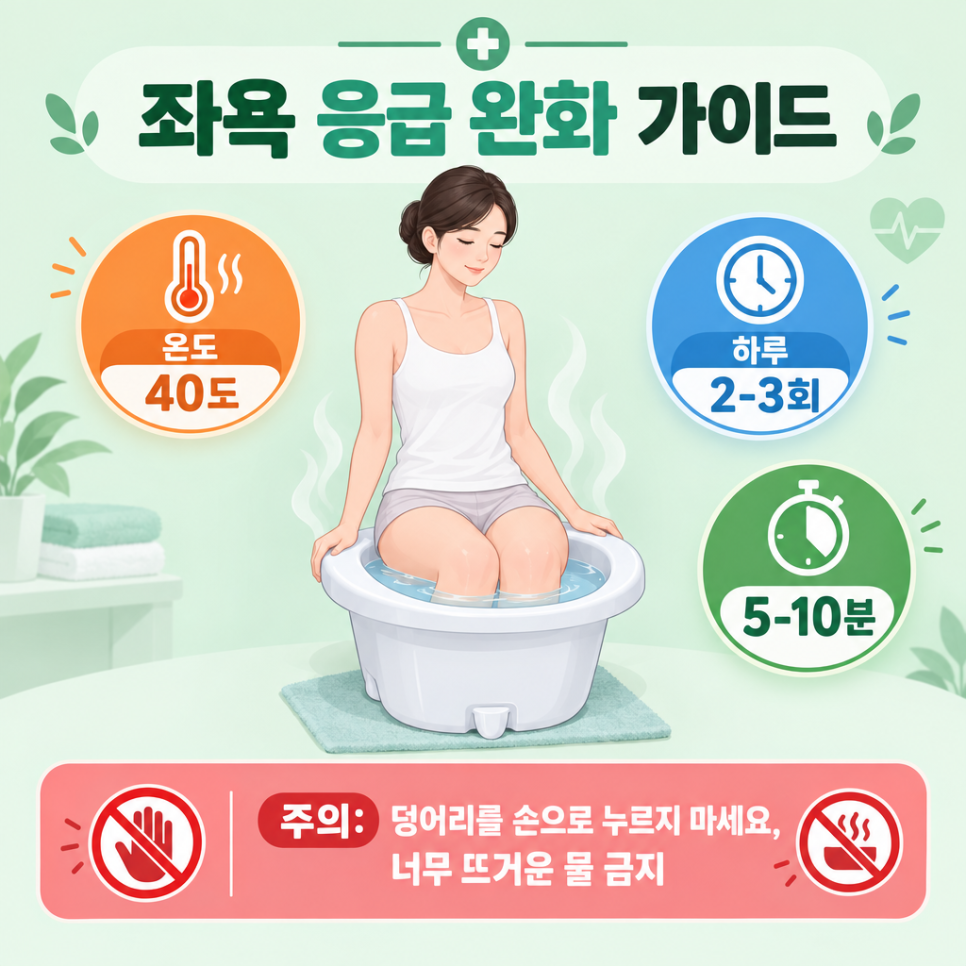
Never try to force the lump back in or squeeze it with your hands.
Doing so can rupture the blood vessel or worsen inflammation, potentially leading to a secondary infection — avoid irritating the area at all costs.

When Do You Absolutely Need to See a Doctor?
If the pain lasts more than 48 hours or the bleeding increases, a professional diagnosis is needed.
In its early stage, a thrombosed external hemorrhoid often improves on its own with rest, medication, and warm sitz baths.

But if the pain keeps getting worse or lasts more than 48 hours, don’t try to tough it out on your own — see a doctor.
Missing the early treatment window can extend your recovery time, so prompt evaluation is recommended.
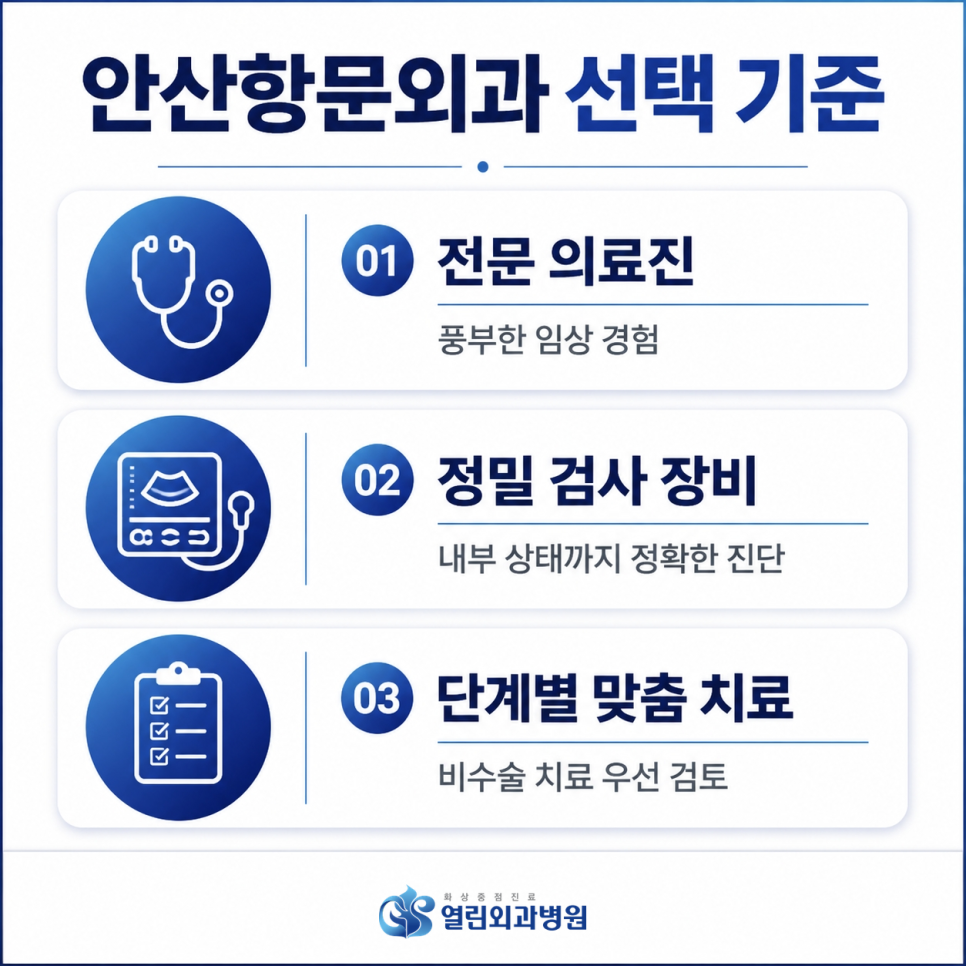
If symptoms are severe or keep recurring, it’s safest to consult a colorectal surgery specialist.
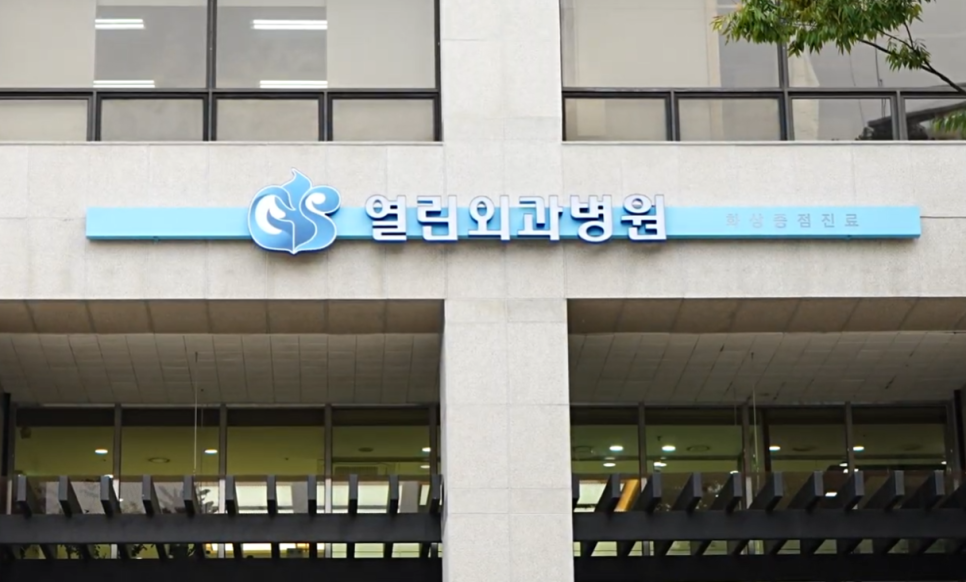
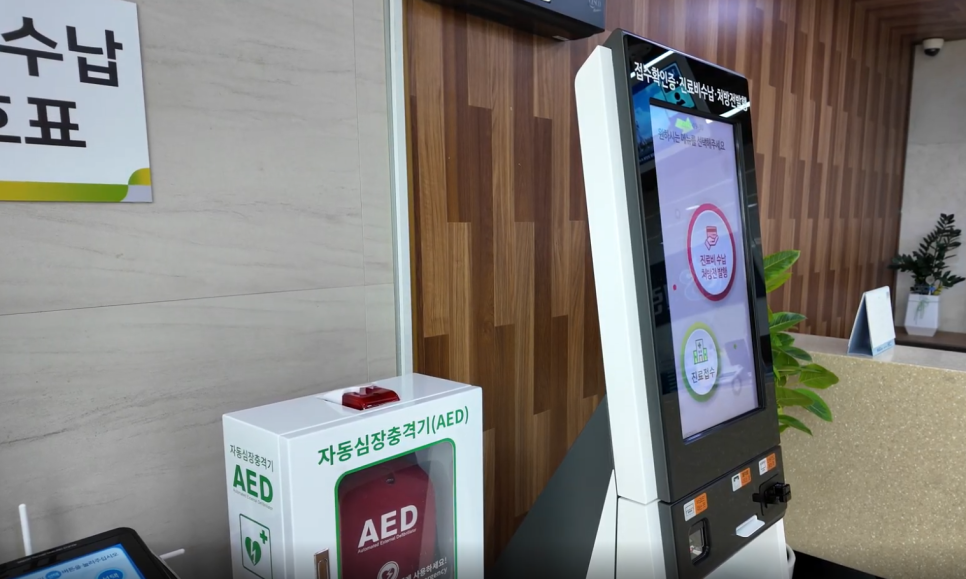
You can find more information about the hospital at Burn Treatment, [Ansan Yeolin Surgery Hospital] Home.

Combining early, appropriate care with lifestyle changes may help reduce pain more quickly, though results vary from person to person.
Staying well hydrated and getting enough fiber to prevent constipation is key to lowering the chance of recurrence.
Frequently Asked Questions
1. If I have acute hemorrhoid symptoms, do I always need surgery?
Answer: Not necessarily. Acute thrombosed external hemorrhoids often improve in the early stage with medication, conservative care, and warm sitz baths. The right treatment approach is determined after an in-person exam.
2. Do alcohol or spicy food make symptoms worse?
Answer: Yes, they can play a role. Alcohol dilates the blood vessels around the anus and raises the risk of clot formation, while spicy food can irritate bowel movements and put extra strain on anal tissue.
3. How many times a day should I do a sitz bath?
Answer: About 2–3 times a day, for 5–10 minutes each, is generally appropriate. Soaking for too long can actually irritate the tissue or interfere with circulation.
4. Should I push a sudden lump back in with my hand?
Answer: No — never press hard on it or try to push it in. This can damage the blood vessel or cause severe pain, so it’s safer to leave it alone and get it checked by a doctor.
References
· Asan Medical Center, “Hemorrhoids,” Disease Encyclopedia, Asan Medical Center Health Information. View source
· Seoul National University Hospital, “Hemorrhoid,” Medical Information, Seoul National University Hospital Health Information. View source
This article is intended for general health information purposes only and is not a substitute for individual diagnosis or treatment. If you’re experiencing symptoms, please consult a medical professional.