You’re rushing to get ready in the morning, styling your bangs, when the hot plate of your flat iron brushes against the back of your neck.
The sting only lasts a moment, but a few hours later the spot turns red, swells, and even blisters.
It was just a light touch, so why does the mark linger so long?
A flat iron burn scar starts with a split second of carelessness, but how deep the mark ends up depends heavily on what you do right after it happens.

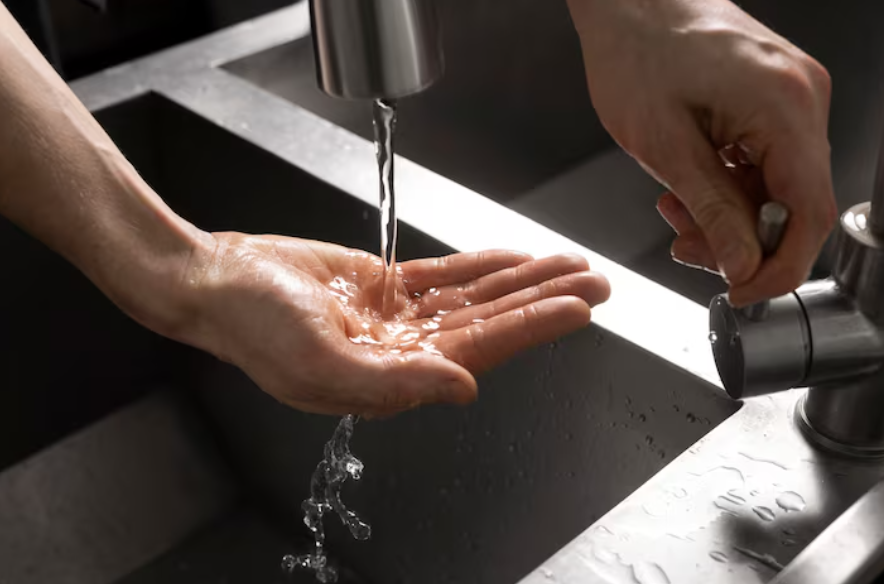
To help reduce a flat iron burn scar, an important first step is cooling the area under running cold water for 15 to 20 minutes right after contact.
Leave blisters intact and cover them with a clean dressing; once the skin has re-epithelialized, staying consistent with sun protection and moisturizing can help reduce discoloration and scarring.
Flat iron plates can reach up to 215°C (419°F), so accidental contact is a risk not only while it’s in use but also right after you turn it off.
Why Can a Flat Iron Burn Turn Into a Second-Degree Burn So Fast?
A flat iron is a high-heat tool that can damage skin all the way down to the dermis with just a brief touch.
A flat iron burn is thermal skin damage caused by momentary contact with plates or heating elements that reach roughly 150–200°C (300–390°F).
When the Korea Consumer Agency measured the plate temperature of flat irons on the market, it found that the peak temperature during use reached 215°C (419°F).
Even after the device was switched off, the plates stayed above 100°C (212°F) for about 5 minutes.
That’s why an unguarded brush against the back of the hand or neck right after use can easily cause a burn.
Thin-skinned areas like the face, neck, and back of the hand are especially prone to oozing or blistering because heat transfers to them faster.


According to the Korea Consumer Agency, 200 of 268 burn injuries among children under age 10 — 74.6% — occurred on the hands and arms.
Younger children, who are less able to sense and avoid danger, were more likely to be injured by directly touching or grabbing a hot flat iron.
The plate’s peak temperature rose to 215°C, and it remained above 100°C for about 5 minutes even after the power was switched off.
Based on these findings, the Korea Consumer Agency advised households with children not to put a flat iron away immediately after use, but to leave it somewhere out of reach until it has fully cooled down.
✅ The thinner the skin, the faster heat transfers and the deeper the damage tends to be.
✅ The first priority is identifying early on whether it’s a first-degree burn (epidermis only) or a second-degree burn (with blistering).
What’s the Golden-Window First Aid for Reducing a Flat Iron Burn Scar?
Cooling the burn for 15 to 20 minutes immediately after it happens can play a major role in how deep the resulting scar may be.
Golden-window first aid means using running cold water right after a burn to remove residual heat and help keep the damage from spreading deeper into the dermis.
Cool the burned area thoroughly under running cold water for at least 15 to 20 minutes, and do not pop any blisters.
That’s how the Korea Disease Control and Prevention Agency (KDCA) describes it in the burn guidance on its National Health Information Portal.
That said, if the burn covers a large area, it’s better to let water run evenly over it rather than submerging the whole body, to avoid the risk of hypothermia.
⚠️ Applying ice directly to the wound can irritate the tissue and worsen the damage.
⚠️ Avoid home remedies like toothpaste or soju entirely — they only increase the risk of infection.
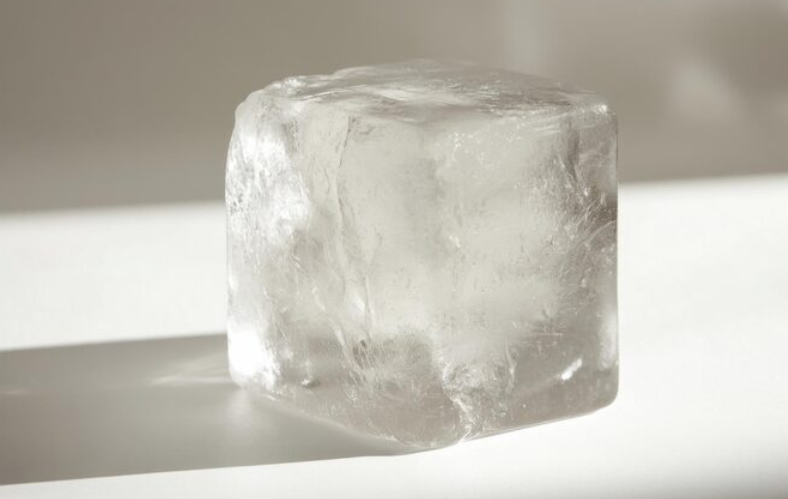
✅ Cool the area under running tap water for 15 to 20 minutes
✅ Never apply ice directly or use home remedies
✅ Leave blisters intact and protect them with clean gauze
✅ Use a gentle, low-irritation foam dressing
How Do You Manage Burn Marks and Discoloration for Scar-Free Healing?
Care needs to continue even after re-epithelialization, when new skin has formed over the wound.
Re-epithelialization refers to the process in which a new epidermis regenerates over damaged skin and the wound closes.
According to Asan Medical Center, second-degree burns are classified as superficial or deep, depending on how far the damage extends.
A superficial second-degree burn damages only part of the dermis and typically heals in about 2 weeks, while a deep second-degree burn affects most of the dermis, takes 2 to 4 weeks to heal, and can leave a scar.
| Type | Depth of Damage | Recovery Time | Likelihood of Scarring |
|---|---|---|---|
| Superficial second-degree burn | Partial dermis | About 2 weeks | Low |
| Deep second-degree burn | Most of the dermis | 2–4 weeks | Possible |
If the skin is exposed to UV rays while it’s still red, melanin production can become overactive and leave a dark discoloration.
That’s why it’s important to apply sunscreen thoroughly whenever you go outside and keep moisturizing consistently.
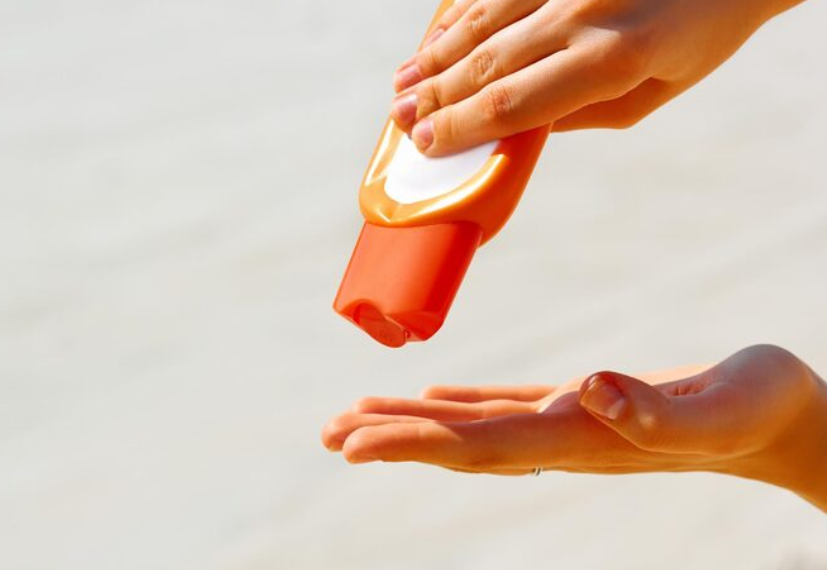
✅ Once the wound has fully closed, consistently using scar ointments or sheet-type care products can help fade marks.
✅ Keeping SPF 30+ sunscreen on throughout the healing phase can help lower the risk of discoloration.
· Wound stage: Absorb exudate and block bacteria (use a moist wound dressing)
· Skin regeneration stage: Sun protection (SPF 30+) and continuous moisturizing
· Maintenance stage: Use silicone-based products to help stabilize the tissue
What Habits Help Prevent Flat Iron Burns?
Preventing an accident in the first place matters far more than treating a burn afterward.
Practicing the habits below can help lower your risk of ending up with a flat iron burn scar.
- Rest the flat iron on a silicone stand or mat while using it or letting it cool
- Wear a hair band, and heat-resistant gloves if needed, when styling near your neck or ears
- Set the temperature to 150–180°C (300–355°F) instead of an unnecessarily high 200°C+ (390°F+)
- Avoid rushed movements and make sure you have a clear view in the mirror before styling
- Unplug it right after use and keep it out of reach of children and pets
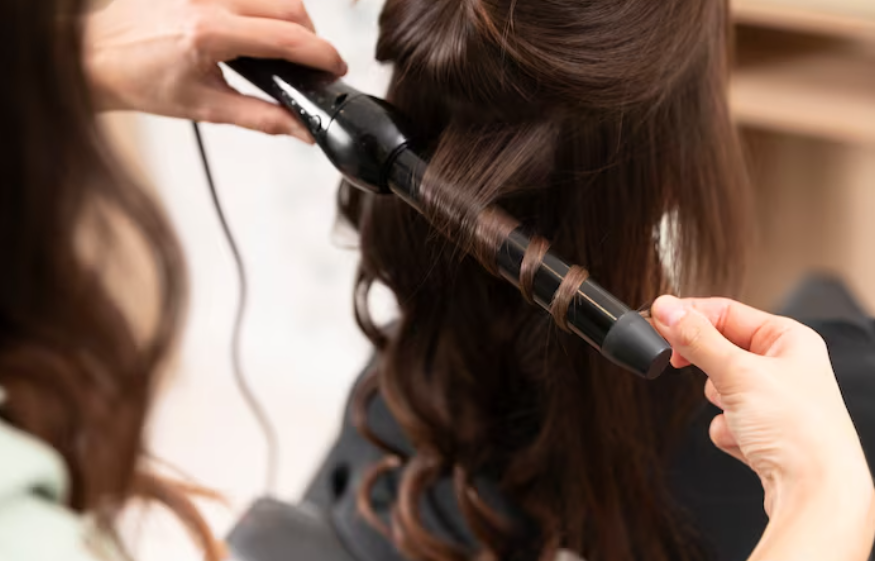
If a mark has already developed or you’re unsure how to manage it, consulting a specialist is also worth considering.
Burn Treatment Information — [Ansan Yeollin Surgery Clinic] Home has more information you can check out.
Frequently Asked Questions
1. What should I do if a blister has already popped?
A popped blister carries a higher risk of secondary infection. Gently rinse it with tap water or saline, disinfect it, and keep the area clean with a moisture-absorbing wound dressing.
2. Can a mark that’s already turned red still be managed?
Redness right after re-epithelialization is a normal part of tissue regeneration. Applying sunscreen and moisturizer consistently during this stage can help reduce the chance of it progressing into discoloration.
3. Is it okay to use aloe soothing gel from home?
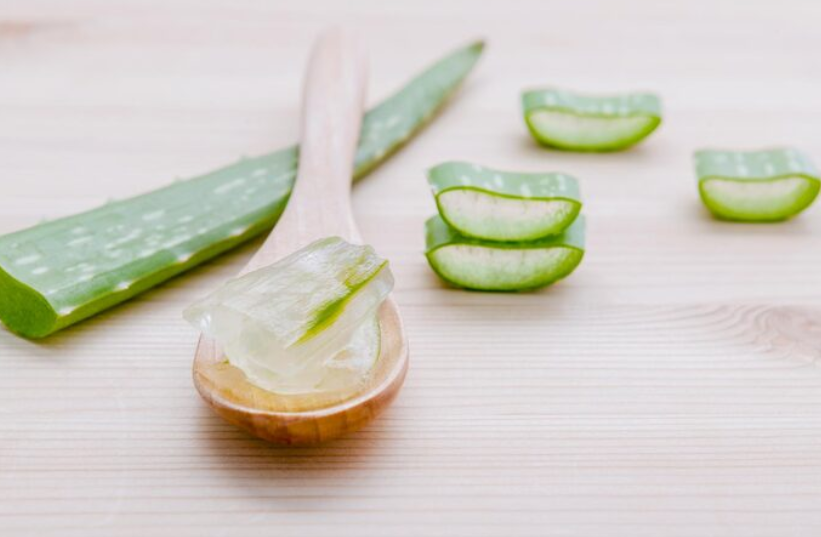
It may help cool the area, but if the skin is still oozing or the wound is open, the ingredients can cause irritation or infection. Before the wound closes, it’s safer to use saline or a dedicated wound dressing.
References
· Korea Disease Control and Prevention Agency, “Burns,” National Health Information Portal. View source
· Korea Consumer Agency, “Watch Out for Flat Iron Burns in Children,” Consumer Safety Information. View source
· Asan Medical Center, “Burn,” Disease Encyclopedia. View source
This article is intended to provide general health information and is not a substitute for individual diagnosis or treatment.
If you’re experiencing symptoms, please consult a medical professional.