Tag: Burn Scar Care

  • Flat Iron Burn Scar: 15-Minute Golden Window First Aid & Prevention Guide

    Flat Iron Burn Scar: 15-Minute Golden Window First Aid & Prevention Guide

    SummaryFor a flat iron burn scar, the golden window is cooling the area under running cold water for 15 to 20 minutes right after contact. This guide covers the first aid steps, how to care for blisters, skin recovery habits that help reduce discoloration, and ways to prevent flat iron burns in the first place.

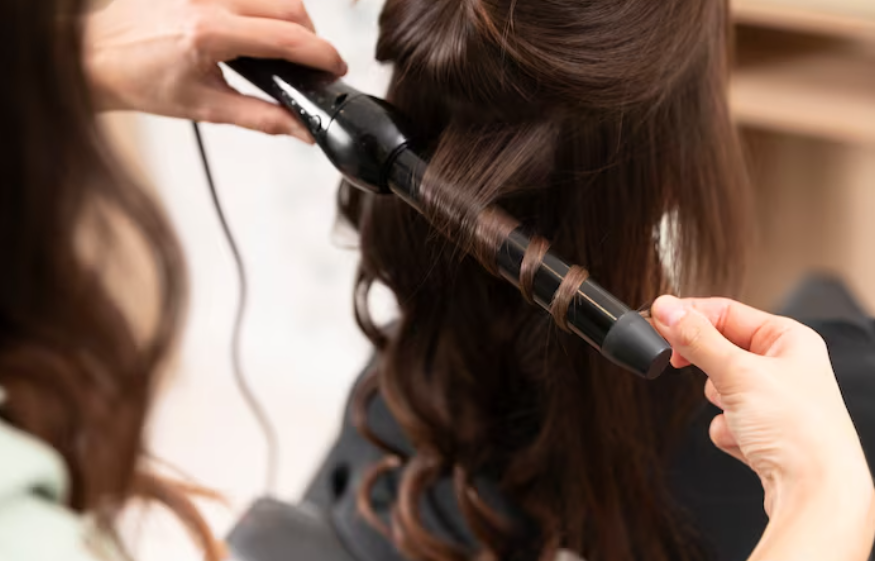
    You’re rushing to get ready in the morning, styling your bangs, when the hot plate of your flat iron brushes against the back of your neck.
    The sting only lasts a moment, but a few hours later the spot turns red, swells, and even blisters.

    It was just a light touch, so why does the mark linger so long?
    A flat iron burn scar starts with a split second of carelessness, but how deep the mark ends up depends heavily on what you do right after it happens.

    flat iron burn scar

    Key Takeaways
    To help reduce a flat iron burn scar, an important first step is cooling the area under running cold water for 15 to 20 minutes right after contact.
    Leave blisters intact and cover them with a clean dressing; once the skin has re-epithelialized, staying consistent with sun protection and moisturizing can help reduce discoloration and scarring.
    Flat iron plates can reach up to 215°C (419°F), so accidental contact is a risk not only while it’s in use but also right after you turn it off.

    Why Can a Flat Iron Burn Turn Into a Second-Degree Burn So Fast?

    A flat iron is a high-heat tool that can damage skin all the way down to the dermis with just a brief touch.
    A flat iron burn is thermal skin damage caused by momentary contact with plates or heating elements that reach roughly 150–200°C (300–390°F).

    When the Korea Consumer Agency measured the plate temperature of flat irons on the market, it found that the peak temperature during use reached 215°C (419°F).
    Even after the device was switched off, the plates stayed above 100°C (212°F) for about 5 minutes.

    That’s why an unguarded brush against the back of the hand or neck right after use can easily cause a burn.
    Thin-skinned areas like the face, neck, and back of the hand are especially prone to oozing or blistering because heat transfers to them faster.

    Flat iron burn scar illustration 2

    Flat iron burn scar illustration 3

    According to the Korea Consumer Agency, 200 of 268 burn injuries among children under age 10 — 74.6% — occurred on the hands and arms.
    Younger children, who are less able to sense and avoid danger, were more likely to be injured by directly touching or grabbing a hot flat iron.

    The plate’s peak temperature rose to 215°C, and it remained above 100°C for about 5 minutes even after the power was switched off.

    Based on these findings, the Korea Consumer Agency advised households with children not to put a flat iron away immediately after use, but to leave it somewhere out of reach until it has fully cooled down.

    Key Points
    ✅ The thinner the skin, the faster heat transfers and the deeper the damage tends to be.
    ✅ The first priority is identifying early on whether it’s a first-degree burn (epidermis only) or a second-degree burn (with blistering).

    What’s the Golden-Window First Aid for Reducing a Flat Iron Burn Scar?

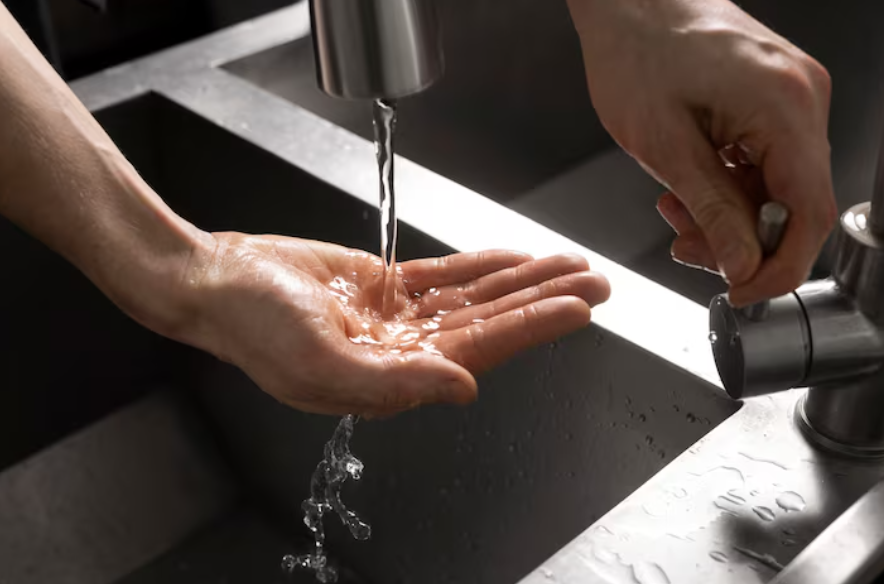
    Cooling the burn for 15 to 20 minutes immediately after it happens can play a major role in how deep the resulting scar may be.
    Golden-window first aid means using running cold water right after a burn to remove residual heat and help keep the damage from spreading deeper into the dermis.

    Cool the burned area thoroughly under running cold water for at least 15 to 20 minutes, and do not pop any blisters.

    That’s how the Korea Disease Control and Prevention Agency (KDCA) describes it in the burn guidance on its National Health Information Portal.
    That said, if the burn covers a large area, it’s better to let water run evenly over it rather than submerging the whole body, to avoid the risk of hypothermia.
    Flat iron burn scar illustration 4

    Precautions
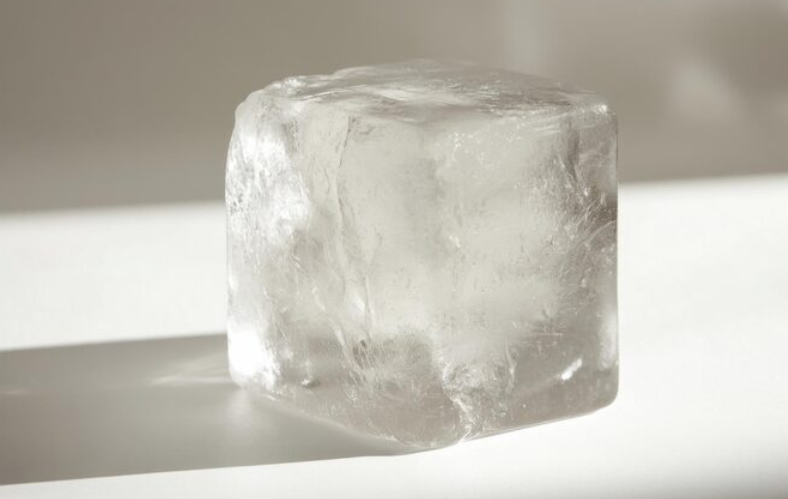
    ⚠️ Applying ice directly to the wound can irritate the tissue and worsen the damage.
    ⚠️ Avoid home remedies like toothpaste or soju entirely — they only increase the risk of infection.
    Flat iron burn scar illustration 5

    Checklist
    ✅ Cool the area under running tap water for 15 to 20 minutes
    ✅ Never apply ice directly or use home remedies
    ✅ Leave blisters intact and protect them with clean gauze
    ✅ Use a gentle, low-irritation foam dressing

    How Do You Manage Burn Marks and Discoloration for Scar-Free Healing?

    Care needs to continue even after re-epithelialization, when new skin has formed over the wound.
    Re-epithelialization refers to the process in which a new epidermis regenerates over damaged skin and the wound closes.

    According to Asan Medical Center, second-degree burns are classified as superficial or deep, depending on how far the damage extends.
    A superficial second-degree burn damages only part of the dermis and typically heals in about 2 weeks, while a deep second-degree burn affects most of the dermis, takes 2 to 4 weeks to heal, and can leave a scar.

    Type Depth of Damage Recovery Time Likelihood of Scarring
    Superficial second-degree burn Partial dermis About 2 weeks Low
    Deep second-degree burn Most of the dermis 2–4 weeks Possible

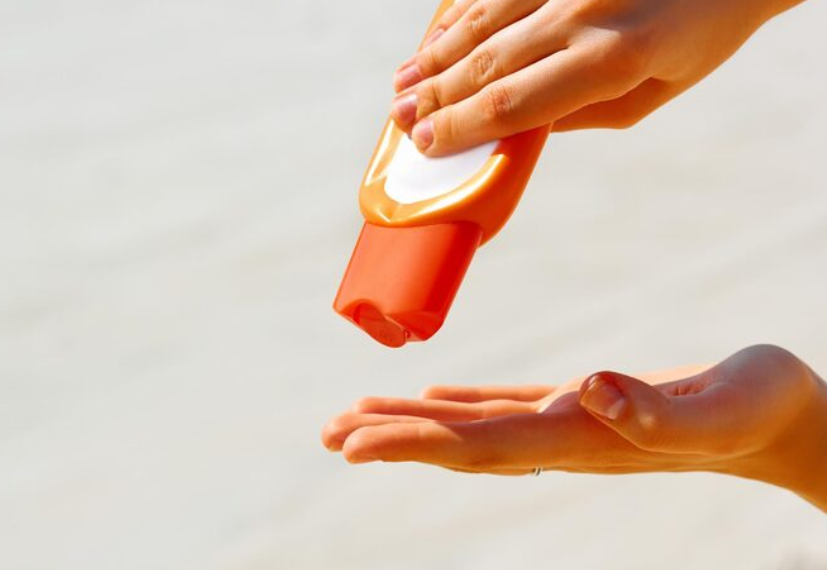
    If the skin is exposed to UV rays while it’s still red, melanin production can become overactive and leave a dark discoloration.
    That’s why it’s important to apply sunscreen thoroughly whenever you go outside and keep moisturizing consistently.
    Flat iron burn scar illustration 6

    Key Points
    ✅ Once the wound has fully closed, consistently using scar ointments or sheet-type care products can help fade marks.
    ✅ Keeping SPF 30+ sunscreen on throughout the healing phase can help lower the risk of discoloration.
    Recovery Care Guide
    · Wound stage: Absorb exudate and block bacteria (use a moist wound dressing)
    · Skin regeneration stage: Sun protection (SPF 30+) and continuous moisturizing
    · Maintenance stage: Use silicone-based products to help stabilize the tissue

    What Habits Help Prevent Flat Iron Burns?

    Preventing an accident in the first place matters far more than treating a burn afterward.
    Practicing the habits below can help lower your risk of ending up with a flat iron burn scar.

    1. Rest the flat iron on a silicone stand or mat while using it or letting it cool
    2. Wear a hair band, and heat-resistant gloves if needed, when styling near your neck or ears
    3. Set the temperature to 150–180°C (300–355°F) instead of an unnecessarily high 200°C+ (390°F+)
    4. Avoid rushed movements and make sure you have a clear view in the mirror before styling
    5. Unplug it right after use and keep it out of reach of children and pets
    Flat iron burn scar illustration 7

    If a mark has already developed or you’re unsure how to manage it, consulting a specialist is also worth considering.
    Burn Treatment Information — [Ansan Yeollin Surgery Clinic] Home has more information you can check out.


    Frequently Asked Questions

    1. What should I do if a blister has already popped?
    A popped blister carries a higher risk of secondary infection. Gently rinse it with tap water or saline, disinfect it, and keep the area clean with a moisture-absorbing wound dressing.

    2. Can a mark that’s already turned red still be managed?
    Redness right after re-epithelialization is a normal part of tissue regeneration. Applying sunscreen and moisturizer consistently during this stage can help reduce the chance of it progressing into discoloration.

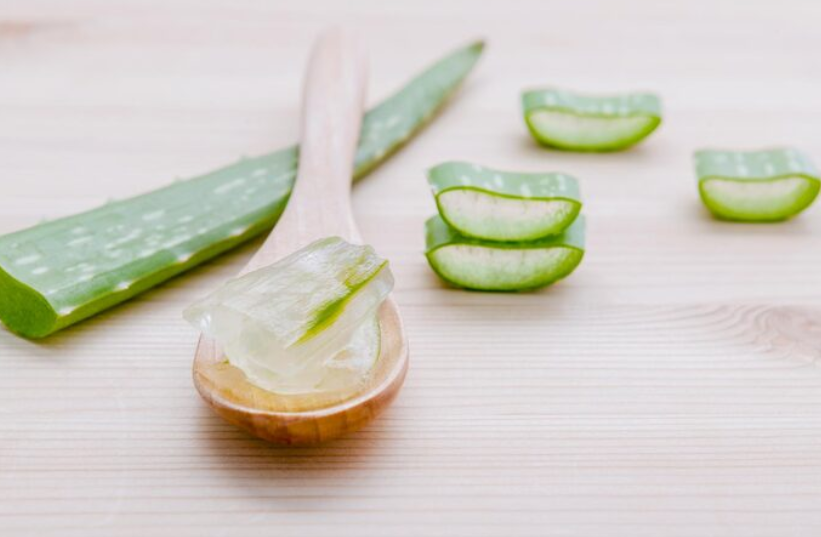
    3. Is it okay to use aloe soothing gel from home?
    It may help cool the area, but if the skin is still oozing or the wound is open, the ingredients can cause irritation or infection. Before the wound closes, it’s safer to use saline or a dedicated wound dressing.
    Flat iron burn scar illustration 8


    References

    · Korea Disease Control and Prevention Agency, “Burns,” National Health Information Portal. View source
    · Korea Consumer Agency, “Watch Out for Flat Iron Burns in Children,” Consumer Safety Information. View source
    · Asan Medical Center, “Burn,” Disease Encyclopedia. View source


    This article is intended to provide general health information and is not a substitute for individual diagnosis or treatment.
    If you’re experiencing symptoms, please consult a medical professional.

  • Sunburn Blisters: Should You Pop Them? 4-Step First Aid Guide

    Sunburn Blisters: Should You Pop Them? 4-Step First Aid Guide

    SummaryWondering whether it’s safe to pop sunburn blisters? Here’s everything you need to know — how blisters form, the step-by-step first aid routine, how to use aloe vera, what never to do, and when to see a doctor.

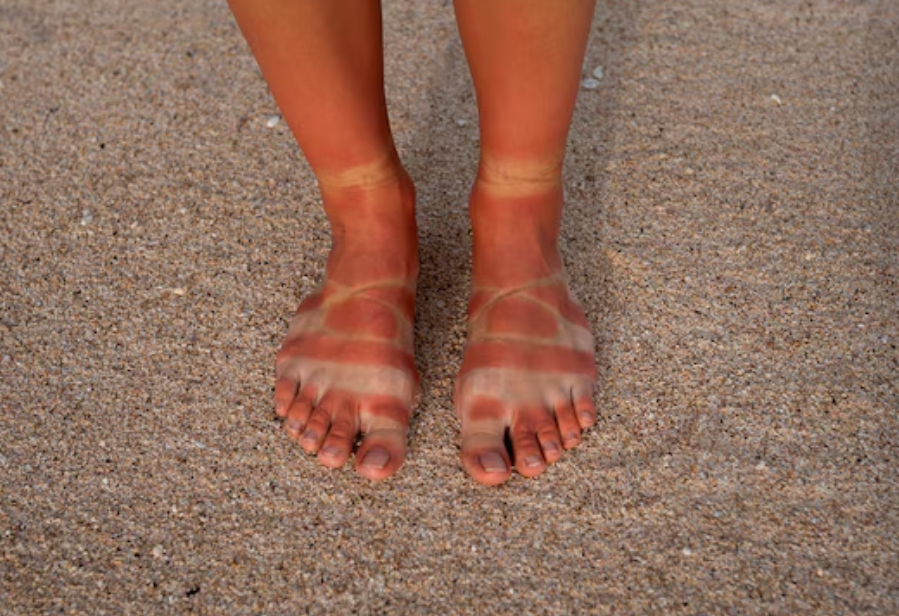
    Ever spent a full day at the beach and woken up the next morning with shoulders so sunburned that a blister has actually formed?
    Many people hesitate over whether to pop it themselves or just leave it alone, and that hesitation often makes the damage worse.

    Dermatologists note that popping sunburn blisters carelessly significantly raises the risk of secondary infection.

    Key Takeaway
    Sunburn blisters form when UV-damaged skin protects itself by filling the space between the epidermis and dermis with fluid.
    Never pop the blister. The key first-aid step is to cool it with cold water for 10 to 20 minutes, then replenish moisture with aloe vera gel or a similar product.
    If a blister is larger than the palm of your hand, or is accompanied by pus or fever, you should see a doctor.

    Sunburn blister

    What Exactly Are Sunburn Blisters?

    Sunburn blisters are a defensive response in which skin damaged by intense UV (UVB) rays protects itself by filling the space between the epidermis and dermis with fluid.
    In simple terms, it’s a natural bandage your body makes on its own.

    According to the Korea Disease Control and Prevention Agency’s National Health Information Portal, sunburn symptoms typically begin 4 to 6 hours after UV exposure and peak between 12 and 24 hours later.
    If a blister forms during this window, it generally means the burn has already progressed to a second-degree burn.

    Sunburn blister illustration 2

    Key Points
    ✔ The fluid inside a blister acts as a barrier that keeps bacteria out.
    ✔ New skin is regenerating underneath that protective barrier.
    ✔ Popping it on purpose destroys that protective function.

    Allowing blisters to heal — instead of popping them — may help protect against infection.

    The American Academy of Dermatology (AAD) explains in its official patient guidance that letting blisters heal naturally, rather than popping them, is what helps prevent infection.


    Why Shouldn’t You Pop Sunburn Blisters?

    To put it simply: the moment you pop a blister, its protective barrier disappears, creating an easy path for bacteria to penetrate deep into the skin.
    As a result, healing takes longer and the chances of scarring increase.

    Category If Popped If Left Alone
    Protective barrier Disappears Stays intact
    Secondary infection risk Significantly increases Relatively low
    Scarring risk Increases Decreases
    Recovery time Longer Proceeds as expected

    That said, blisters often pop on their own from friction with clothing or from being pressed on while you sleep.
    If that happens, don’t forcibly peel off the skin — just follow the care steps covered in the next section.


    How Do You Treat Sunburn Blisters? 4-Step First Aid

    The first thing to do is quickly cool down the heat in your skin.
    Just follow these steps in order — it’s easier than it sounds.

    1. Cover the burned area gently with a cold, damp towel for about 10 to 20 minutes. Mayo Clinic warns that applying ice directly to the skin can cause additional tissue damage.
    2. Rinse the area under lukewarm running water several times a day, about 10 minutes each time, to keep cooling it down.
    3. Once the heat has eased somewhat, replenish moisture with a gentle, low-irritation aloe vera soothing gel.
    4. Wear loose, breathable clothing so nothing presses against the blister.

    Sunburn blister illustration 3

    Sunburn blister illustration 4

    Checklist
    ✅ Cool the heat with lukewarm or cool water for 10-20 minutes
    ✅ Don’t apply ice directly to the skin
    ✅ Gently hydrate with a low-irritation aloe vera gel
    ✅ Wear breathable clothing instead of anything tight over the blister

    What’s the Right Way to Care for Popped Sunburn Blisters — and What Should You Avoid?

    If a blister has already popped, the most important thing is not to forcibly peel off the loosened skin with your hands.
    Gently dab away any fluid with sterile gauze, apply an antibiotic ointment, and cover it with a foam-type bandage to block outside irritation.

    Sunburn blister illustration 5

    Key Points
    ✔ Rinse a popped blister with running water or saline solution.
    ✔ Don’t tear off the skin — apply antibiotic ointment, then cover with sterile gauze.
    ✔ Keep the area out of direct sunlight until it has fully healed.

    One thing that’s easy to overlook in all this is staying hydrated.
    Since adequate hydration is essential for skin regeneration, drinking water more often than usual can support recovery.

    Sunburn blister illustration 6

    Outcome
    When you follow through with cold-water first aid, proper hydration, and blister protection, most sunburn symptoms tend to gradually ease within 3 to 7 days.
    Things to Absolutely Avoid
    ⚠ Avoid greasy products like petroleum jelly (they can trap heat in the skin)
    ⚠ Never pop a blister with a needle or fingernail
    ⚠ Don’t use heating pads or warm water on the burned area
    ⚠ Avoid re-exposing the area to UV rays until it has healed

    If a blister is larger than the palm of your hand, comes with chills or fever, or shows signs of infection like yellow pus, seeing a specialist should take priority over self-care.
    Knowing in advance where you can receive burn treatment can help you respond faster in these situations.
    Visit the homepage of Ansan Yeorin Surgical Hospital for burn treatment information.

    Sunburn blister illustration 7


    Frequently Asked Questions

    1. What’s the real reason you shouldn’t pop sunburn blisters?
    The skin covering a blister acts as a natural barrier against bacteria. Removing it significantly raises the risk of secondary infection and scarring.

    2. My blister keeps getting rubbed by my clothes and feels like it’s about to pop. What should I do?
    Loosely cover it with a cushioned burn bandage or gauze so it isn’t compressed, and wear loose, breathable clothing over it.

    3. What should I do if a blister pops by accident?
    Rinse it with clean running water or saline solution, avoid tearing off the skin, apply antibiotic ointment, and cover it with sterile gauze.

    4. Can I apply aloe vera gel right away if a blister forms?

    If the blister is still intact, aloe vera gel can help once the heat has cooled down. However, it may irritate an open wound that’s leaking fluid, so a dedicated ointment is safer in that case.

    5. When should I consider seeing a doctor?
    If the blister is larger than the palm of your hand, comes with chills or fever, or shows signs of infection such as yellow pus, it’s recommended that you see a specialist right away.


    References

    · Korea Disease Control and Prevention Agency, “Sunburn,” National Health Information Portal, 2026. Link
    · American Academy of Dermatology, “How to Treat Sunburn,” AAD.org, 2024. Link
    · Mayo Clinic Staff, “Sunburn: First Aid,” Mayo Clinic, 2024. Link
    · Seoul National University Hospital, “Sunburn,” Medical Information, Seoul National University Hospital. Link

    This article is intended for general health information purposes only and is not a substitute for individual diagnosis or treatment. If you have symptoms, please consult a medical professional.
  • Lip Burn Blister: 3 First-Aid Steps to Heal Without Scarring

    Lip Burn Blister: 3 First-Aid Steps to Heal Without Scarring

    SummaryGetting a lip burn blister from hot food or a hot drink can be alarming. This article walks through first-aid steps for a lip burn blister, mistakes to avoid, and when to see a doctor, so you can support healing and help reduce the risk of scarring.

    Most of us have had that moment of taking a sip of hot soup and feeling our lip sting.

    It’s easy to shrug off at first, but a few hours later the lip swells up and a clear blister forms — and that’s when things start to feel serious.

    Here’s the tricky part.

    A lip burn blister can turn into a scar or dark spot fairly easily if you touch or pick at it the wrong way.

    I’ve burned my own lip on hot food before, so I looked into the proper first-aid steps myself and put them together here along with the medical reasoning behind them.

    lip burn blister

    This article covers, in order, how to cool down a lip burn blister right after it happens, habits that can slow healing, and when it’s time to see a doctor.

    Let’s go through safe first-aid steps for a lip burn blister now.

    What’s the right first aid for a lip burn blister right after it happens?

    The key to first aid for a lip burn blister is cooling the area down as quickly as possible.

    If hot food or a hot object has touched your lip, the first thing to do is bring the skin temperature down.

    A surprising number of people reach straight for ice and press it directly on the skin, though.

    Placing ice directly on already-damaged skin adds a sudden temperature shock on top of the burn, which can constrict blood vessels and cut off circulation — causing further, secondary damage.

    In severe cases, this can even lead to frostbite-like tissue damage, so it’s worth being careful.

    lip burn blister first aid image 2

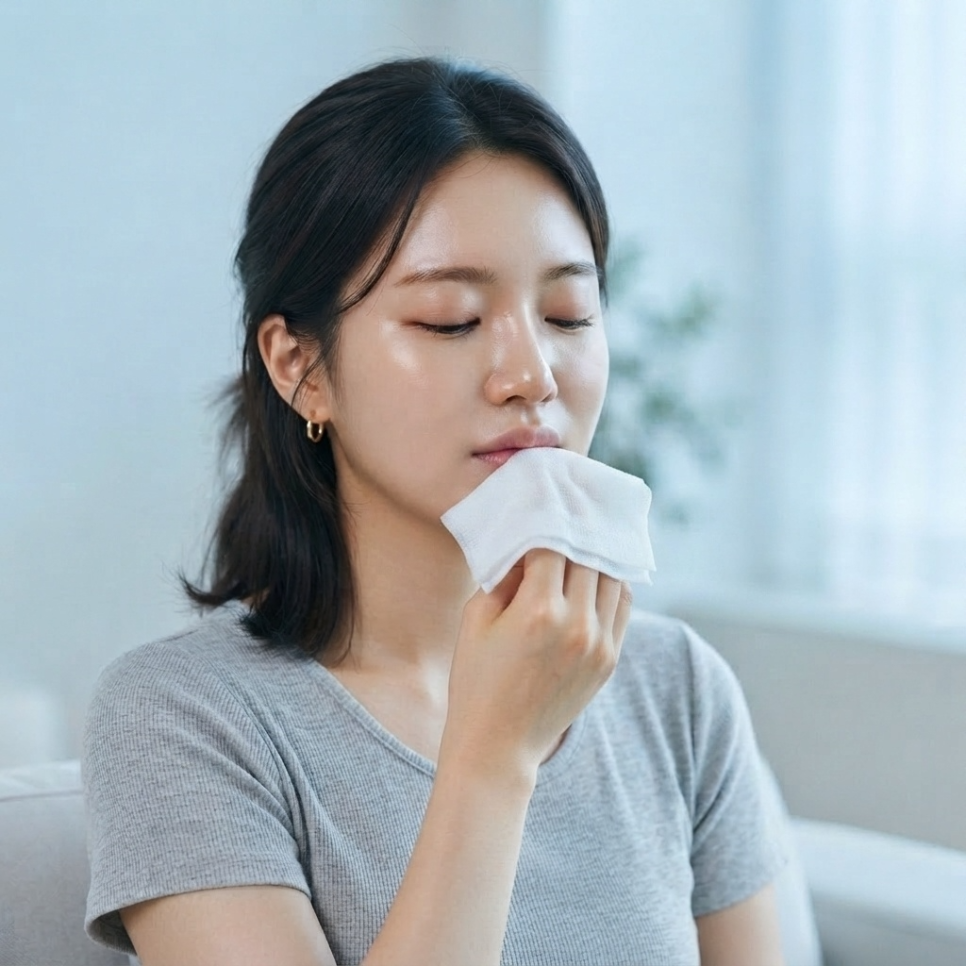
    The right approach is to soak a piece of gauze or a soft cloth in cool water (around 60–75°F) and lay it gently on the lip.

    Don’t rub — just hold it there lightly and give the heat time to ease out gradually.

    When I burned my lip on hot soup, I skipped the rubbing and just held a cool, damp cloth against it, and the pain noticeably eased.

    1. Cool the area for 10–20 minutes with lukewarm running water or gauze soaked in cool water.
    2. Never let ice or ice water touch the skin directly.
    3. Pat the area dry and cover it lightly with clean gauze.
    Key Takeaways
    ✔ Direct ice contact can freeze skin cells and block circulation, leading to secondary damage.
    ✔ Always cool the area gradually with a lukewarm damp cloth instead.

    What should you never do once a blister forms?

    A lip burn blister is your skin’s natural protective barrier over the damaged area, so you shouldn’t pop it yourself.

    Over time, a clear fluid-filled blister naturally forms on the burned area.

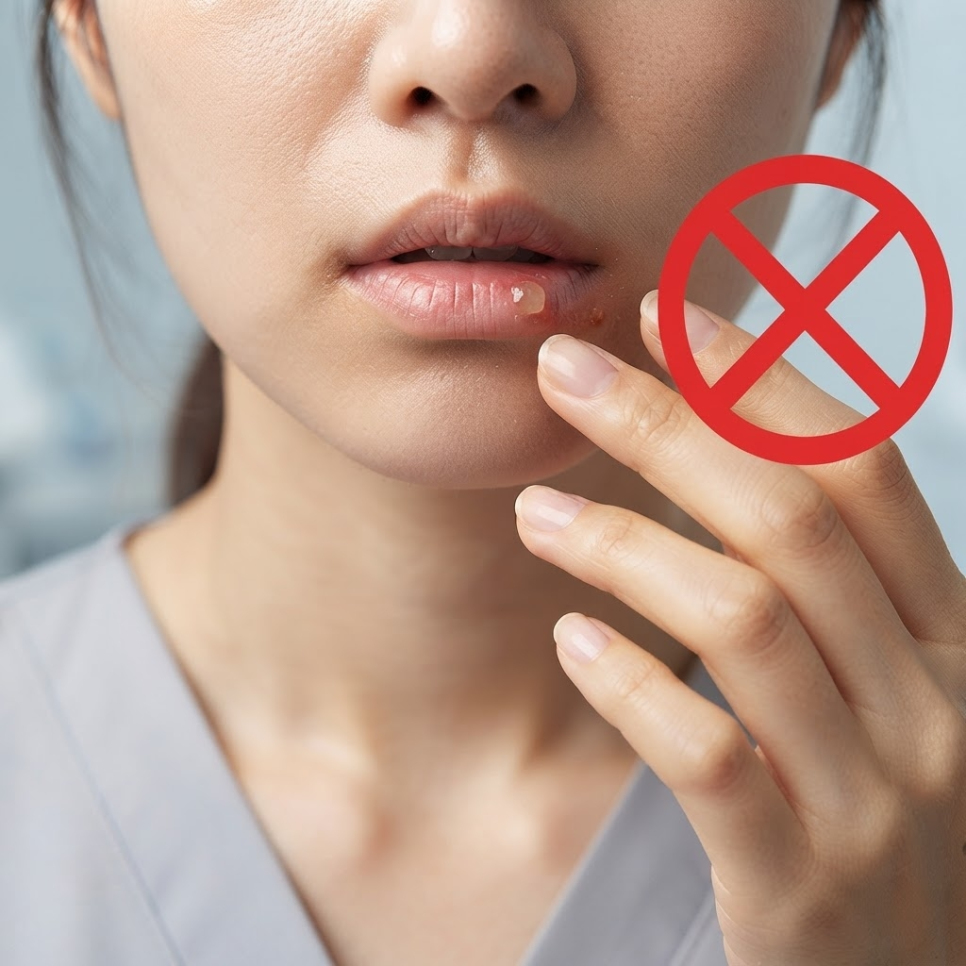
    A surprising number of people end up popping it with their fingers or puncturing it with a needle.

    lip burn blister first aid image 3

    Forcing a blister open raises the risk of a secondary infection.

    It’s safer to leave the blister alone and let it settle or break on its own, since it’s doing the job of protecting the wound underneath.

    Peeling it off yourself makes scarring and dark spots more likely.

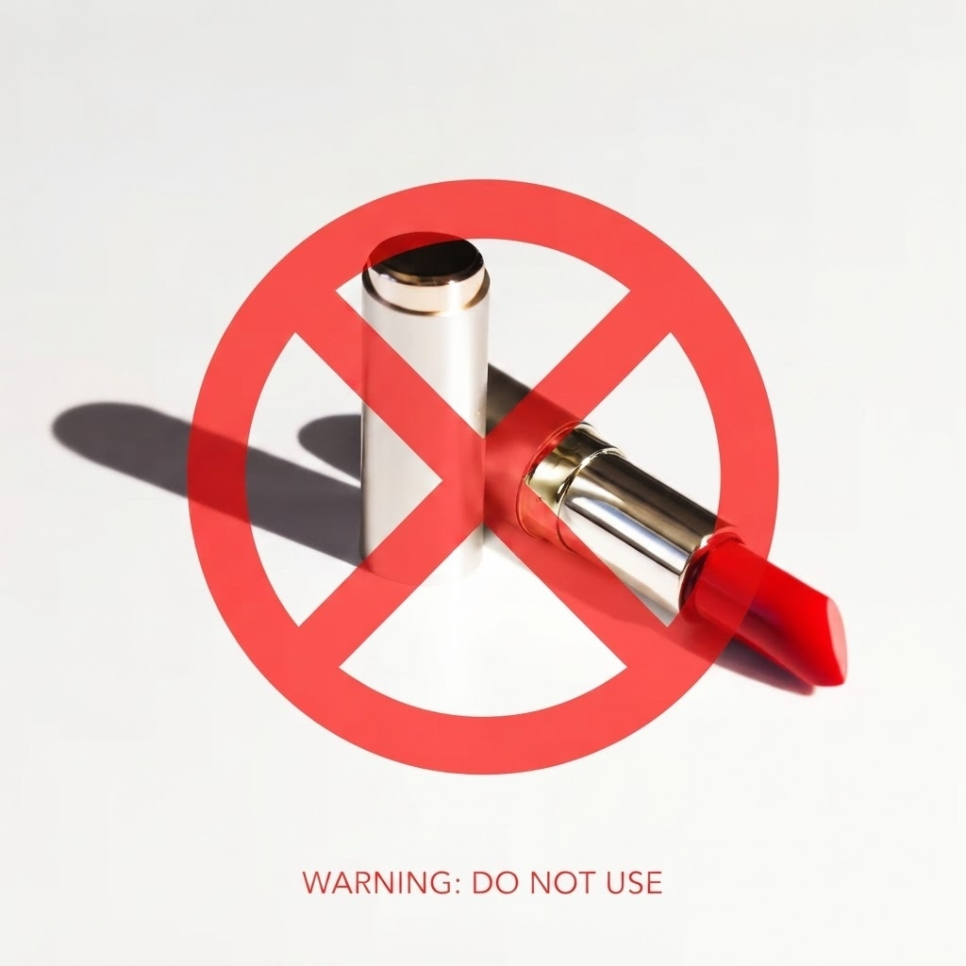
    It’s also best to avoid lipstick or other potentially irritating cosmetics until the area has fully healed.

    Even minor irritation can slow down the healing process.

    lip burn blister first aid image 4

    lip burn blister first aid image 5

    Checklist
    ✅ Don’t pop the blister with your fingers or puncture it with a needle
    ✅ Avoid lipstick and other irritating cosmetics
    ✅ Stop habits like applying saliva or picking at scabs
    ✅ Avoid hot, spicy, or salty foods that can irritate the area

    When should you see a doctor for a lip burn blister?

    If the blister covers a large area, or pain and oozing continue, it’s time to get a professional evaluation.

    Sometimes home care for a few days doesn’t help, and the wound keeps oozing instead of drying out.

    Yellow pus is a possible sign that an infection is developing.

    Key Takeaways
    ✔ If oozing doesn’t stop or you notice yellow pus, infection should be suspected.
    ✔ A professional diagnosis, rather than self-treatment alone, can help reduce the risk of scarring.

    lip burn blister first aid image 6

    In these cases, it’s safer not to rely on self-treatment alone and instead seek out a medical provider experienced with burns and skin wounds.

    With a proper diagnosis, treatments such as antibiotic ointment or wound dressing can help minimize scarring.

    I’ve seen real cases where people treated it as a minor wound, left it untreated, and the symptoms ended up getting worse.

    Early care matters especially for a sensitive area like the lips, where scars tend to form easily.

    If your lip burn blister covers a wide area or isn’t healing well, it’s worth having it checked at a medical facility with experience treating burns, such as Ansan Open Surgery Hospital.

    lip burn blister first aid image 7

    Caution
    ⚠ Don’t ignore heavy oozing or severe pain.
    ⚠ Visit a nearby medical provider for proper treatment.

    Frequently Asked Questions

    1. My blister popped on its own — what should I do?
    Gently clean the area with clean gauze or a cotton swab, then apply an ointment. Don’t force off any remaining loose skin.

    2. Can I put toothpaste or other home remedies on it?
    Traditional home remedies like this can introduce bacteria and cause infection, so they should be avoided entirely.

    3. What should I eat while it heals?
    Avoid hot, spicy, or salty foods, and stick to lukewarm, soft foods that won’t irritate the area.

    4. Can I use any burn ointment I have on hand?
    An over-the-counter wound ointment can generally be used, but if symptoms are severe, it’s safer to consult a doctor and use a product they recommend.

    5. How long does a lip burn blister take to heal?
    Mild cases often heal within 1–2 weeks, but this varies by person and depends on whether infection develops — if healing is slow, it’s best to see a doctor.

    lip burn blister first aid image 8


    References

    · Asan Medical Center Newsroom, “Don’t Use Ice on Burns,” Asan Medical Center. View source
    · Hidoc, “‘Don’t Pop the Blister’ — A Surgeon Explains Burn First Aid,” Hidoc. View source
    · MSD Manual Consumer Version, “Burns,” MSD. View source

    This article is provided for general health information purposes only and is not a substitute for individual diagnosis or treatment. If you have symptoms, please consult a medical professional.