Tag: Colon polyps

  • Colonoscopy Polyp Removal: 3 Reasons It Typically Doesn’t Hurt (Ansan Endoscopy Guide)

    Colonoscopy Polyp Removal: 3 Reasons It Typically Doesn’t Hurt (Ansan Endoscopy Guide)

    SummaryIs colonoscopy polyp removal really painless? The colon lining has very few pain-sensing nerves, so removal typically causes little to no discomfort. Here’s a full rundown of the symptoms that call for an Ansan endoscopy, plus pre- and post-procedure precautions and what recovery looks like.

    Some patients book a colonoscopy, then keep pushing the date back.
    Ask why, and nine times out of ten you’ll hear something similar.

    “If they find a polyp, they remove it right there on the spot — that means cutting tissue, doesn’t it?
    How can that not hurt?”

    Here’s the short answer: colonoscopy polyp removal causes little to no pain in most cases.
    The reason is built into the anatomy itself.

    Key Point
    This article walks through why colonoscopy polyp removal typically isn’t painful, the main symptoms that call for an Ansan endoscopy, what actually happens during an upper or lower endoscopy, and what to watch for before and after the procedure, in order.
    Putting off screening out of fear of pain can carry a far greater risk.

    Colonoscopy polyp removal

    Why Doesn’t Colonoscopy Polyp Removal Hurt?

    Short answer: removing a colon polyp typically causes little to no pain on its own.
    The colon lining is tissue with almost no nerve fibers that transmit pain signals.

    Skin and muscle are dense with pain-sensing nerve endings, but
    the mucosal layer inside the colon is structurally different.

    That’s why looping a snare around a polyp and cutting it away causes little to no sensation in the moment.
    Sedation (sleep endoscopy) is also commonly offered alongside the procedure at endoscopy centers in Korea.

    With the patient under light sedation, the exam and the procedure happen together, so any perceived discomfort is reduced further.

    Key Point
    ✔ The colon lining has almost no pain-sensing nerves, so removal causes little discomfort.
    ✔ Most procedures are performed under sedation, with reduced consciousness.
    ✔ What patients notice afterward is usually not pain but bloating from the gas used during the exam.

    Putting off screening out of fear of pain is actually the riskier choice.
    Early-stage polyps rarely cause symptoms,
    so without regular Ansan endoscopy checkups, they can go undetected longer than they should.


    Colonoscopy polyp removal illustration 2

    What Symptoms Call for an Ansan Endoscopy?

    If heartburn, blood in the stool, or unexplained weight loss keeps recurring, it’s worth checking the condition of the lining.
    Endoscopy is a diagnostic procedure that uses a flexible, articulated scope to directly examine the lining of the digestive tract.

    If upper abdominal pain keeps coming back or heartburn lingers for a long stretch,
    it’s worth checking for changes in the esophageal or stomach lining.

    In particular, sudden bloating after meals or
    unexplained weight loss are signs that call for a closer look.

    For the colon, a sudden change in bowel habits, blood in the stool, and persistent lower abdominal pain are the main warning signs.

    Colonoscopy polyp removal illustration 3

    Checklist
    ✅ Chronic heartburn or indigestion that won’t go away
    ✅ Recurring upper abdominal pain or a sense of fullness
    ✅ Changes in bowel frequency or visible blood in the stool
    ✅ A family history of colorectal or stomach cancer
    ✅ Age 40 or older and eligible for the national cancer screening program

    Digestive conditions often show few clear symptoms in the early stages.
    That’s why checking the condition of the lining with regular Ansan endoscopy screening matters.

    The earlier a condition is found, the easier it generally is to plan the next steps for care.


    How Do Upper and Lower Endoscopies Differ?

    The two exams differ in purpose and preparation.
    An upper endoscopy examines the upper digestive tract, while a colonoscopy examines the lining of the lower digestive tract.

    Before the procedure, the care team reviews any underlying conditions and
    current medications with the patient.

    If you’re taking aspirin or a blood thinner, whether to pause it beforehand should be discussed with your doctor
    to help lower the risk of bleeding.

    Colonoscopy polyp removal illustration 4

    Category Upper Endoscopy Colonoscopy
    Fasting time At least 8 hours of fasting Fasting and bowel prep starting about 12 hours prior
    Duration About 5–10 minutes About 15–30 minutes
    Main purpose Early diagnosis of gastritis, ulcers, and stomach cancer Polyp detection with immediate removal, and colitis diagnosis

    If a suspicious lesion turns up during the exam, a tissue biopsy can be taken on the spot, or
    in the case of a colon polyp, removal can be performed during the same procedure.


    What Should You Watch For Before and After the Procedure?

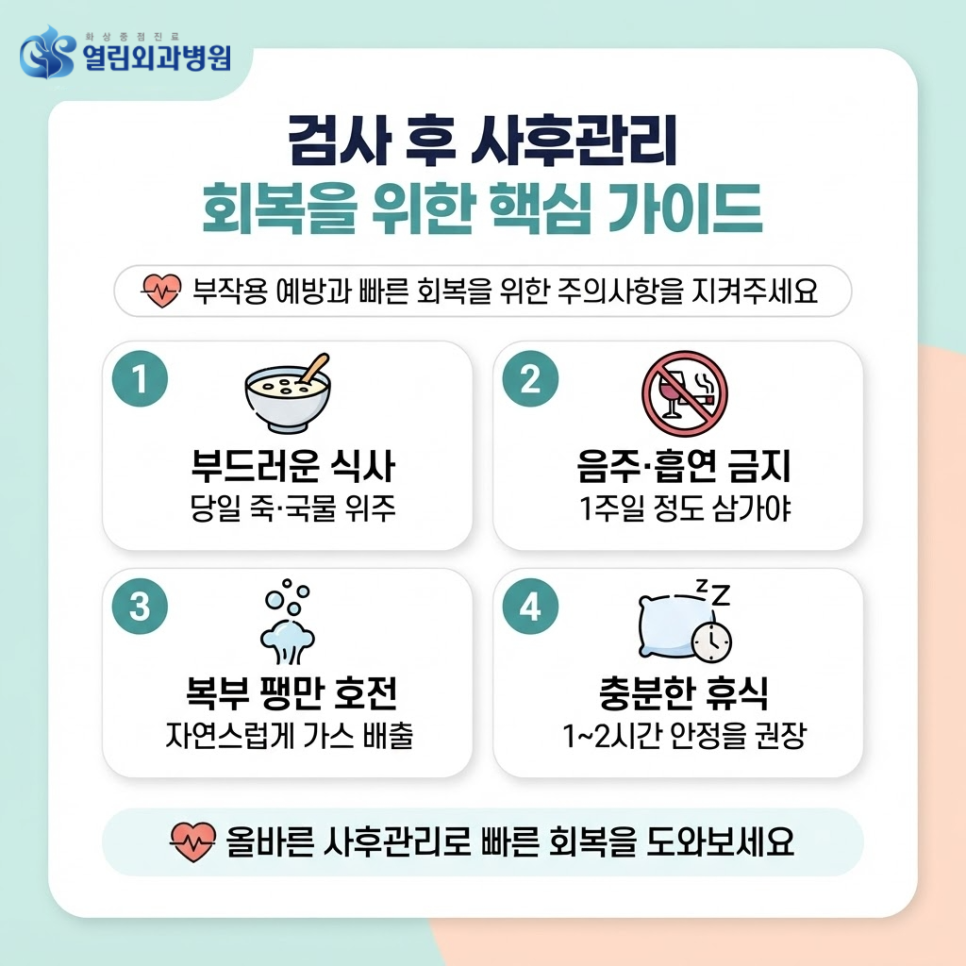
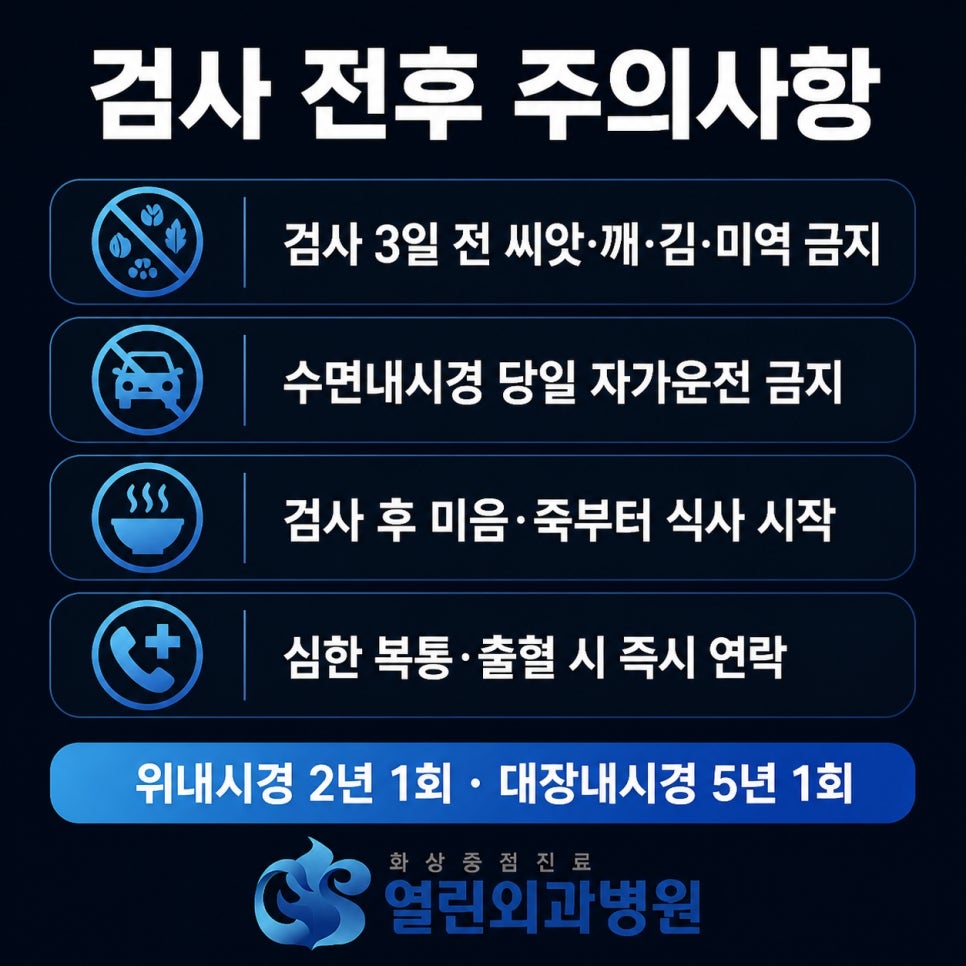
    Following the dietary guidance for the 3 days before the exam and managing your first meal afterward is usually enough for a safe recovery.
    Bowel prep before endoscopy is the process of clearing the bowel so that small lesions aren’t missed.

    For a colonoscopy, avoid fruit with seeds, sesame seeds, laver, and seaweed starting 3 days before the exam.
    If residue is left on the bowel lining, small polyps can be harder to spot.
    Colonoscopy polyp removal illustration 5

    ⚠️ Precautions for a Safe Recovery
    1. No driving on the day of a sedation endoscopy: sedatives can impair judgment, so plan on public transit or having someone accompany you.
    2. Managing your first meal afterward: if you had a biopsy or polyp removed, it’s best to start with a bland rice porridge or gruel about 1–2 hours after the procedure.
    3. Review your medications: be sure to discuss blood pressure or diabetes medication with your care team beforehand.
    What Recovery Typically Looks Like
    Patients who follow the basic guidelines are generally able to return to daily activities the same day, though individual recovery can vary.
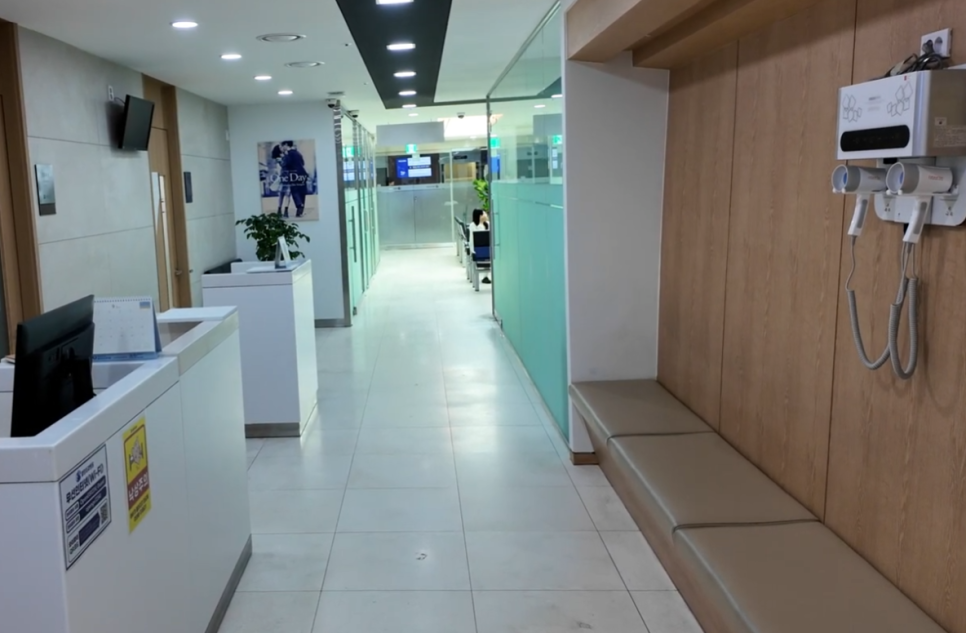
    Choosing a facility with proper equipment and a dedicated gastroenterology team can help make the screening more comfortable.

    Colonoscopy polyp removal illustration 6

    Our clinic also provides digestive endoscopy screening to
    help look after the digestive health of the local community.

    If you’d like to learn more about the hospital’s departments and screening equipment,
    you can find an overview at Burn Treatment, [Ansan Yeorin Surgical Hospital] Home.

    Colonoscopy polyp removal illustration 7


    Frequently Asked Questions

    1. Is there a risk I won’t wake up from sedation, or is it dangerous?
    Sedatives used for sleep endoscopy induce a state of conscious sedation, unlike general anesthesia. Oxygen saturation and pulse are monitored in real time during the procedure, which helps it be carried out in a properly managed setting.

    2. Does removing a colon polyp hurt a lot?

    Because the colon lining has almost no pain-sensing nerve fibers, colonoscopy polyp removal itself causes little to no pain. That said, the gas used during the exam can cause temporary bloating.

    3. How often should I get an endoscopy?
    As a general guideline, an upper endoscopy is recommended once every 2 years from age 40, and a colonoscopy once every 5 years from age 50. If polyps have previously been found or there’s a family history, the interval may be shortened to every 1–3 years.

    4. Can I take my usual medications or antacids on the day of the exam?
    Blood pressure medication is often taken with a small amount of water early on the morning of the exam, but diabetes medication or insulin is usually withheld due to the risk of low blood sugar. Be sure to tell your care team about all medications you’re taking beforehand.

    5. Does the polyp removal site need any special care afterward?
    The removal site generally heals on its own. That said, avoid strenuous exercise and alcohol on the day of the procedure and the following day, and contact your clinic right away if you notice bleeding or severe abdominal pain.
    Colonoscopy polyp removal illustration 8

    Colonoscopy polyp removal illustration 9

    Colonoscopy polyp removal illustration 10


    References

    · Asan Medical Center, “Polyp of Colon,” Disease Encyclopedia, Asan Medical Center. View
    · Colorectal Cancer Screening Guideline Revision Committee, “Colorectal Cancer Screening Guidelines,” National Cancer Center / National Cancer Screening Program, 2015. View
    · Gastric Cancer Screening Guideline Revision Committee, “Gastric Cancer Screening Guidelines,” National Cancer Center / National Cancer Screening Program, 2015. View

    Colonoscopy polyp removal illustration 14


    This article is provided for general health information purposes and is not a substitute for individual diagnosis or treatment. If you have symptoms, please consult a physician.

  • Blood in Stool: 3 Common Causes When You’re Bleeding But Feel No Pain

    Blood in Stool: 3 Common Causes When You’re Bleeding But Feel No Pain

    SummaryThe likely cause of blood in stool can differ depending on the color of the blood. From the difference between bright red and dark red blood to hemorrhoids, anal fissures, colon polyps, and inflammatory bowel disease, here’s a detailed breakdown of the possible causes of rectal bleeding, the warning signs that mean you should see a doctor, and everyday habits that can help prevent it.

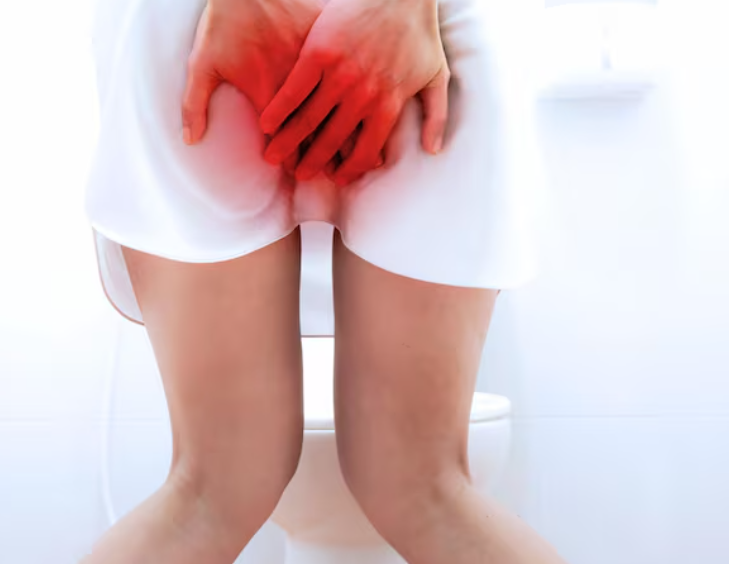
    Seeing red blood on the toilet paper can make anyone’s heart sink.

    But did you know that the likely cause of blood in stool can vary completely depending on the color of the blood?

    In fact, when patients come in for evaluation of rectal bleeding, the color of the blood is often one of the first things a doctor checks.

    The color and pattern of the bleeding can vary depending on the underlying condition.
    From anal conditions like hemorrhoids and anal fissures to colon polyps and inflammatory bowel disease,
    here are the possible causes of rectal bleeding and the warning signs that mean you should see a doctor.

    blood in stool

    What Does Blood in Stool Color Tell You About the Cause?

    The short answer: yes, the color of the blood alone can give a rough idea of where the bleeding is coming from.
    Blood in stool refers to bleeding that occurs when the anus or the lining of the intestine is damaged during a bowel movement.

    The closer the bleeding site is to the anus, the more likely the blood is to appear bright red.

    On the other hand, if the issue is higher up in the colon or small intestine, the blood can appear dark red or even black.

    That’s why it’s important to pay attention to both the color and the pattern of bleeding when checking your symptoms.

    illustration related to blood in stool 2

    Key points
    ✔ Bright red blood — may indicate damage to small blood vessels near the anus (hemorrhoids, fissures, etc.)
    ✔ Dark red blood — may indicate bleeding higher in the colon or rectum
    ✔ Blood mixed with mucus — may indicate inflammatory bowel conditions or polyps
    Blood Color Likely Location Possible Condition
    Bright red Near the anus Hemorrhoids, anal fissure
    Dark red / black Upper colon, small intestine Colon polyps, ulcerative conditions
    Mixed with mucus Colon lining Inflammatory bowel disease

    Why do you bleed with no pain at all?

    In most cases, painless bleeding is caused by internal hemorrhoids.
    That’s because the lining inside the anal canal has very few sensory nerve endings.

    Common causes of this kind of rectal bleeding include anal conditions like hemorrhoids and anal fissures.

    When hard stool tears the lining of the anus, it can cause both pain and bleeding.

    By contrast, when hemorrhoid tissue is simply irritated during a bowel movement, bleeding often occurs with little to no pain.

    Key points
    ✔ External hemorrhoids — located outside the anus, richly supplied with nerves, so pain is common
    ✔ Internal hemorrhoids — located inside the anal lining, with fewer nerve endings, so painless bleeding is typical
    ✔ Anal fissure — a tear in the lining from hard stool, usually causing sharp pain along with bleeding

    illustration related to blood in stool 3

    Could the cause be something other than an anal condition?

    It’s not always just an anal issue.
    Colon polyps or inflammatory bowel disease, such as ulcerative colitis,
    can also cause rectal bleeding.

    In these cases, bleeding is often accompanied by mucus in the stool or changes in bowel habits.

    illustration related to blood in stool 4

    Checklist
    ✅ A small streak of bright red blood on the toilet paper → possible anal fissure
    ✅ Blood dripping heavily enough to color the toilet water → possible hemorrhoid tissue damage
    ✅ Blood mixed into the stool itself, or accompanied by a heavy, dull ache → possible issue inside the colon lining

    What should you do if bleeding lasts more than a week?

    If bleeding continues for more than a week, you should see a doctor.
    It’s not a good idea to assume it’s just minor irritation and leave it unchecked.

    illustration related to blood in stool 5

    Things to watch for
    ⚠ Bleeding that continues for more than a week
    ⚠ Bleeding accompanied by unexplained weight loss or a sudden change in bowel frequency
    ⚠ Repeated episodes of dark red blood or black stool
    If you notice any of these signs, it’s safer to get a proper medical evaluation rather than guessing on your own.

    For an accurate assessment, it’s safest to get a thorough clinical evaluation.

    In daily life, try to drink enough water and eat a fiber-rich diet.

    Habits that help prevent constipation go a long way toward maintaining anal and colon health.

    If symptoms keep recurring or you’re unsure of the cause, it’s a good idea to see a colorectal specialist.
    Ansan Yeolin Surgical Hospital — Home

    illustration related to blood in stool 6

    Key takeaways
    ◆ Bright red blood suggests anal conditions like hemorrhoids or fissures, while dark red blood may point to polyps or inflammation higher in the colon.
    ◆ Even without pain, an endoscopic exam is recommended if bleeding lasts more than a week or comes with weight loss or changes in bowel habits.
    ◆ Staying well hydrated and eating enough fiber to prevent constipation is a basic habit that may help reduce your risk.

    Frequently Asked Questions

    1. Does blood in stool always mean colon cancer?
    No. In the vast majority of cases, the cause is a common anal condition like hemorrhoids or an anal fissure. That said, if bleeding persists or the blood is dark red, it’s best to get an accurate diagnosis.

    2. Why does bleeding sometimes happen with no pain at all?
    Painless bleeding is commonly associated with internal hemorrhoids. Because the hemorrhoid tissue inside the anal canal has few sensory nerves, bleeding can occur without any pain.

    3. Should I still get checked if there’s only a small streak of blood on the toilet paper?
    It may just be temporary irritation from hard stool, but if it keeps happening or continues over time, it’s safer to find out the cause.

    4. When should I consider getting a colonoscopy?
    An endoscopic exam is recommended if the blood is dark red, or if it’s accompanied by changes in bowel habits, weight loss, or a family history of colon conditions.

    5. Is there a way to prevent this kind of bleeding?
    Drinking enough water and eating a fiber-rich diet to prevent constipation is generally recommended as a basic way that may help reduce the risk.


    References

    · Korea Disease Control and Prevention Agency, “Blood in Stool and Black Stool (Adults),” National Health Information Portal. View source
    · Korea Disease Control and Prevention Agency, “Hemorrhoids,” National Health Information Portal. View source
    · Asan Medical Center, “Hemorrhoids,” Disease Encyclopedia. View source
    · National Cancer Center, “Recurring Dark Blood in Stool: A Warning Sign From Your Colon,” NCC Webzine, 2019. View source


    This article is provided for general health information purposes only and is not a substitute for individual diagnosis or treatment. If you’re experiencing symptoms, please consult a physician.

  • Ansan Colonoscopy: 3 Warning Signs of Thinning Stool

    Ansan Colonoscopy: 3 Warning Signs of Thinning Stool

    SummaryIf your stool keeps getting thinner, or you notice blood in your stool along with a lingering sense of incomplete evacuation, don’t put it off. This guide walks through the symptoms and causes behind the need for an Ansan colonoscopy, what the procedure involves, recovery time, and aftercare tips — take a look below.

    Have you noticed lately that your stool has become noticeably thinner?

    It’s easy to write this off at first as simple stress-related indigestion,
    but this kind of change is worth paying attention to, since it can be a signal coming from inside the colon.

    If it keeps happening, it may be time to stop putting it off and look into an Ansan colonoscopy.

    This article walks through the symptoms and causes that call for a colonoscopy, what the actual procedure looks like, and how long recovery takes.
    We’ll cover easy-to-miss signs like changes in stool caliber or blood in the stool, then move on to a checklist worth reviewing before your Ansan colonoscopy.

    Ansan colonoscopy

    A big reason people end up regretting having put it off is
    that colon cancer often has almost no early symptoms.

    So when symptoms feel vague or hard to pin down,
    that’s often exactly when getting checked sooner matters most.

    Ansan colonoscopy related image 2

    What Is a Colonoscopy and Why Do You Need One?

    A colonoscopy is a procedure in which a flexible, camera-equipped tube is inserted through the anus to directly examine the entire inner lining of the colon.
    It’s more than just an imaging exam.

    It’s generally regarded as one of the standard ways to detect polyps, inflammation, ulcers, and tumors on the colon lining.

    If a polyp is found during the exam, it can often be removed right then as part of the same procedure.

    Ansan colonoscopy related image 3

    💡 Key Point
    Because colon cancer often shows almost no early symptoms, removing adenomatous polyps through regular colonoscopy screening is regarded as one approach that may help with prevention.

    What Tests Are Needed for Thinning Stool or Blood in Stool?

    If your bowel habits suddenly change or unexplained digestive symptoms continue, the priority is identifying the cause through a colonoscopy.
    Common examples include constipation and diarrhea alternating without a clear pattern, or a lingering sense of incomplete evacuation after a bowel movement.

    Blood in the stool or a sudden, noticeable thinning of stool caliber
    can be a fairly clear signal from your body.

    Yet surprisingly many people dismiss these symptoms as simple indigestion and end up missing the right time to get tested.

    Ansan colonoscopy related image 4

    📋 Checklist: Key Symptoms That Warrant Testing
    ✅ Unexplained bright red or dark red blood in the stool
    ✅ Chronic abdominal pain, bloating, or excess gas
    ✅ Noticeably thinner stool caliber
    ✅ Age 40 or older, or a family history of colon cancer
    ✅ Unexplained weight loss or unexplained anemia

    Common Causes by Symptom

    Symptom Common Causes
    Thinner stool, incomplete evacuation Polyps, bowel stricture, inflammatory bowel disease
    Blood in stool, anemia Bleeding polyps, hemorrhoids, tumor-related lesions
    Alternating constipation and diarrhea Stress, a Westernized diet, lack of exercise

    If the discomfort continues, don’t put it off —
    it’s best to schedule an Ansan colonoscopy consultation to get an accurate diagnosis.


    What Does the Ansan Colonoscopy Procedure Involve?

    The exam involves thoroughly clearing the bowel and then closely examining the intestinal lining with precision endoscopic equipment.
    That’s why completing the bowel prep the day before — drinking the prescribed prep solution to fully clear the colon — matters so much.

    A well-cleared bowel makes it easier for even small polyps
    or subtle lesions to be identified during the exam.

    Ansan colonoscopy related image 5

    📊 Step-by-Step Process
    1. Starting 3 days before the exam, avoid seeded fruits, whole grains, laver, and seaweed
    2. The day before, take the bowel prep solution at the scheduled time and drink plenty of fluids
    3. On exam day, sedation is given and the colonoscopy is performed comfortably (about 15–30 minutes)
    4. If a polyp is found, a biopsy and polyp removal are performed immediately

    With sedation, pain or discomfort during the exam is generally reduced, which may make the procedure easier to tolerate.


    How Should You Recover and Care for Yourself Afterward?

    Right after the exam, you may feel bloated or gassy from the air used to help visualize the colon during the procedure.
    This usually resolves on its own once the gas passes, so there’s generally no need to worry.

    Ansan colonoscopy related image 6

    ✅ Recovery Guidance
    After resting for about 1–2 hours following the exam, it is generally possible to return to your normal routine that same day.

    If a polyp was removed, though, the picture is a little different.
    To help prevent bleeding, you should avoid strenuous exercise, saunas, and spicy or irritating food for about a week.

    ⚠️ Precautions
    On the day of the exam, avoid spicy or greasy food, alcohol, and smoking, and stick to soft foods such as porridge.
    If you had sedation, do not drive yourself that day — take public transportation or have someone accompany you instead.

    Good gut health starts with small habits of attention and regular screening.
    Consider consulting a specialist about an Ansan colonoscopy and building a consistent, personalized care plan to keep your digestive system comfortable day to day.

    If you’re also looking for gastroenterology or surgical care information in the Ansan area, you may find it helpful to check out Burn Treatment, [Ansan Open Surgery Hospital] Home for hospital details.


    Frequently Asked Questions

    1. How often should you get a colonoscopy, and starting at what age?
    For healthy adults with no particular symptoms, some guidance suggests screening roughly every 5 years starting after age 40–50, though it’s best to confirm the exact starting age and interval with your healthcare provider. If a prior exam found and removed polyps, or if you have a family history of colon cancer, your doctor may recommend a shorter interval of 1–3 years.

    2. Is it okay to drive right after a sedated colonoscopy?
    No. While sedative effects remain in your system, judgment and coordination can be impaired, so you shouldn’t drive yourself on the day of the exam — use public transportation or have someone accompany you instead.

    3. Does it hurt after a polyp is removed?
    The colon lining has very few pain-sensing nerves, so polyp removal often causes little to no pain. That said, if you experience severe abdominal pain or persistent bleeding afterward, you should see a doctor right away.

    4. Should you get tested just because your stool has gotten thinner?
    If the change is temporary, there’s usually no need to worry. But if it continues for more than 2 weeks, or occurs alongside symptoms like blood in the stool or unexplained weight loss, it’s safer to get an Ansan colonoscopy.

    Ansan colonoscopy related image 7

    Ansan colonoscopy related image 8

    Ansan colonoscopy related image 9

    Ansan colonoscopy related image 10

    Ansan colonoscopy related image 11

    Ansan colonoscopy related image 12


    References

    · National Cancer Center, “Early Symptoms of Colon Cancer,” National Cancer Information Center. View source
    · National Cancer Center, “Colon Cancer,” National Cancer Information Center. View source
    · Dailypharm, “Never Drive After Sedation for Endoscopy and Similar Procedures,” interview report with the Korean Society of Anesthesiologists and the Ministry of Food and Drug Safety. View source


    This article is intended for general health information purposes only and is not a substitute for individual diagnosis or treatment. If you’re experiencing symptoms, please consult a medical professional.