You scheduled your health checkup and got through the colonoscopy without any issues,
but the next day your lower abdomen feels heavy and there’s no sign of a bowel movement — does that sound familiar?
You cleared your bowels out completely the day before the exam,
so it’s only natural to worry when three days pass with still no results.
But constipation after colonoscopy is generally considered a natural part of the recovery process.

This article explains the medical causes of constipation after colonoscopy
and how to get your bowel movements back on track.
Let’s go through everything step by step — from hydration tips and dietary adjustments to the warning signs that call for medical attention.
✔ Constipation after colonoscopy is usually a temporary effect of the bowel prep solution, and it often resolves within 2 to 4 days.
✔ Drinking lukewarm water and eating a gentle diet are generally recommended to help support your bowels’ recovery.
✔ If there’s no bowel movement for more than 4 days along with fever or bloody stool, contact your doctor right away.
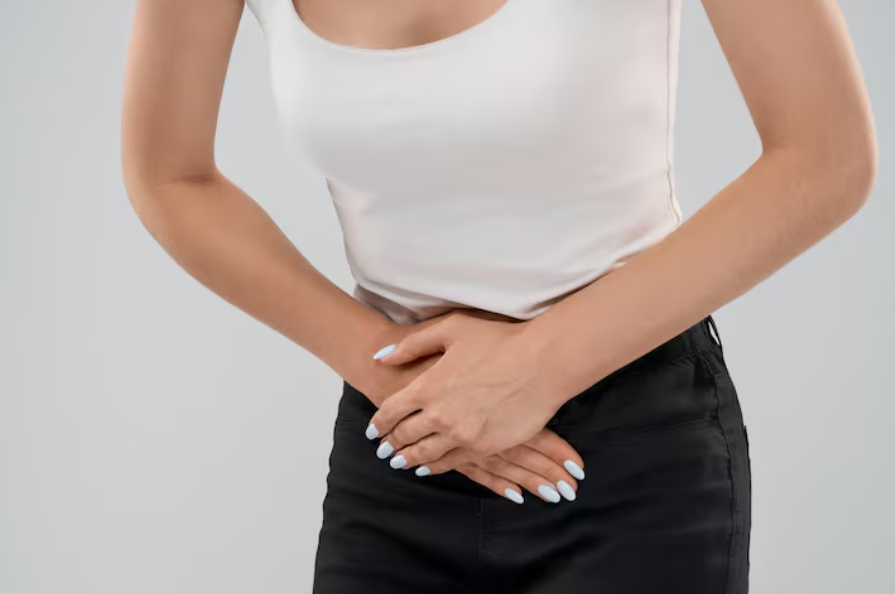
What Causes Constipation After Colonoscopy?
The short answer: the bowel prep solution you took before the exam
flushes out both the water and the beneficial bacteria in your gut all at once.
Constipation after colonoscopy is a temporary delay in bowel movements
that occurs while your gut, having been completely emptied, works on producing new stool.
Bowel prep solutions work by triggering intense fluid loss in a short amount of time.
In the process, not just waste but also the beneficial bacteria and moisture layer that kept your intestinal lining flexible get washed away too.

✔ According to related research, gut microbial counts can drop to as little as one-third of normal levels right after taking a bowel prep solution.
✔ The same research found that it can take two weeks or longer for the microbial balance to return to pre-exam levels.
Since your gut is completely empty, it can take at least 24 to 48 hours — sometimes several days longer — for newly eaten food to form into stool.
The air pumped into your colon during the procedure to help doctors examine the intestinal walls can also temporarily slow bowel contractions, which is another contributing factor.
How Can You Help Your Bowels Recover Faster?
Managing constipation after colonoscopy starts with soothing, not stimulating, your gut.
Rather than reaching for an over-the-counter laxative out of frustration,
the first step should be soothing your intestinal lining with plenty of fluids.
Bowel motility recovery is the process of rehydrating dehydrated intestinal tissue
so stool can move smoothly instead of hardening.

Using a stimulant laxative right away on intestinal lining that’s still sensitive
can actually add more strain, so it’s best to hold off.
A basic approach that can help is drinking at least 1.5 liters of lukewarm water a day, spread across several servings.
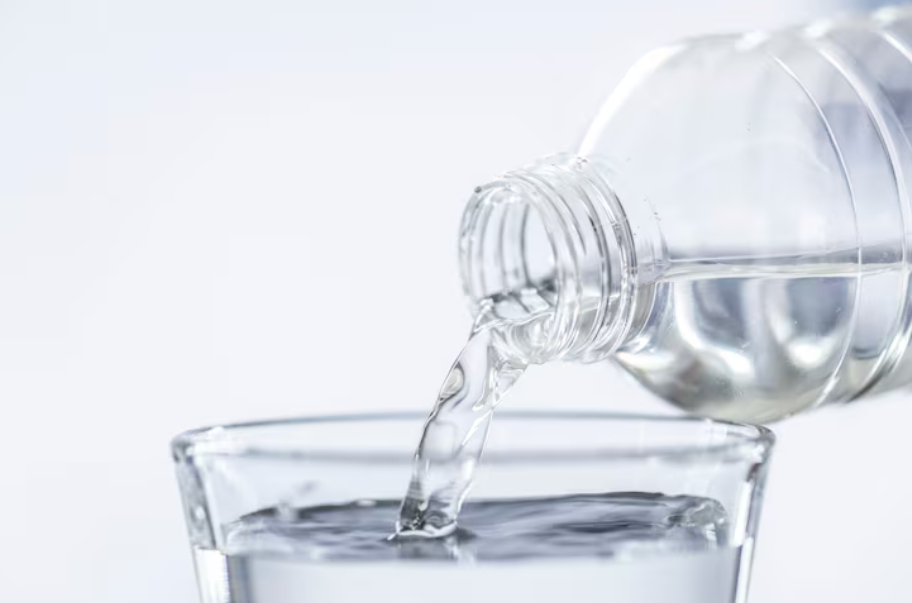
✅ Drink at least 8 glasses of lukewarm water spread throughout the day
✅ Start with soft porridge or rice water on the day of the exam and the day after
✅ Take light walks to encourage intestinal motility
✅ Try to have regular bowel movements without straining too hard
👍 Consistently staying hydrated and taking light walks can help normalize bowel movements within 2 to 3 days.
Lukewarm water is gentler than cold water
and helps prevent intestinal cramping while providing mild, comfortable stimulation.
Light walking can also help promote intestinal motility.
What Should You Eat After a Colonoscopy?
Diet plays a big role in constipation after colonoscopy recovery.
Some people, relieved that the exam is over, jump straight into spicy or greasy food,
but this can strain your emptied-out gut and lead to indigestion, trapped gas, and further delays.
A recovery-phase diet means gradually transitioning back to your normal diet
through easy-to-digest foods that reduce the burden on your gut.

That said, tough insoluble fiber
can actually cause clumping if your bowel motility hasn’t recovered yet.
So in the early stages, it’s safer to stick to gentle, low-irritation foods like those listed below.
| Stage | Recommended Foods | Foods to Avoid |
|---|---|---|
| First 1–2 days | Porridge, rice water, cooked vegetables | Spicy food, fried food, carbonated drinks |
| After day 3 | Soluble fiber, probiotic foods | Alcohol, spicy seasonings |
Spicy food, carbonated drinks, and alcohol
can interfere with your gut’s recovery, so it’s safest to avoid them for at least 3 days.
What Extra Precautions Are Needed After Polyp Removal?
If you also had a polyp removed during your procedure,
preventing bleeding should take priority over general constipation management.
Post-polypectomy precautions are guidelines for avoiding actions that raise abdominal pressure
while the removal site heals, in order to prevent bleeding.
⚠ If the removed area was large or there were multiple polyps, your doctor may recommend avoiding heavy lifting, running, hiking, and abdominal exercises for at least 1 to 2 weeks.
⚠ Straining too hard during a bowel movement raises abdominal pressure and can cause delayed bleeding.
⚠ A small amount of blood can be normal, but if bleeding continues or is accompanied by black stool or dizziness, contact your doctor immediately.
Rather than straining hard just because a bowel movement feels difficult,
it’s safer to soften your stool with fluids and probiotics.
If you have other surgical questions beyond gut health,
the Ansan Open Surgery Hospital homepage, a burn treatment specialist, also offers additional medical information you can check out.

Frequently Asked Questions
1. It’s been 3 days since my exam and I still haven’t had a bowel movement. Is that dangerous?
Since your gut was completely emptied, constipation after colonoscopy is normal for about 2 to 4 days while new stool forms. If you don’t have other symptoms like abdominal pain or vomiting, it’s fine to wait a bit longer while drinking more fluids.
2. Can I just take an over-the-counter laxative right away?
Using a stimulant laxative on intestinal lining that’s still sensitive isn’t recommended. Rather than self-medicating, it’s safer to encourage bowel movement naturally through hydration and light exercise, and consult your doctor if needed.
3. I had a polyp removed — is it okay to strain during a bowel movement?
Raising abdominal pressure too much while the removal site is healing carries a risk of bleeding. Avoid straining hard, and instead help stool pass smoothly with fluids and probiotics.
4. How long is it normal for constipation after colonoscopy to last?
Bowel movements usually resume within 2 to 4 days, though in some cases it can take up to 1 to 2 weeks for bowel function to fully stabilize. If it lasts longer than that or symptoms get worse, you should see a doctor.
5. What symptoms mean I should see a doctor right away?
If you go 4 days or more with no bowel movement at all, along with severe abdominal bloating, persistent lower abdominal pain, fever, or bloody stool, you should return to the facility where you had your exam for immediate evaluation.
References
· Jalanka J, et al., “Effects of bowel preparation on the human gut microbiome and metabolome,” Scientific Reports (Nature), 2019. View source
· Byun Seung-ju (Gastroenterologist), “What Causes Constipation After a Colonoscopy?,” Hidoc, 2023. View source
· “Post-Colonoscopy Gut Microbiota Dysbiosis: Mechanisms, Clinical Consequences, and the Role of Diet in Microbiota Recovery,” Gastroenterology Insights (MDPI), 2025. View source
This article is intended for general health information purposes only and is not a substitute for individual diagnosis or treatment. Please consult a physician if you have symptoms.