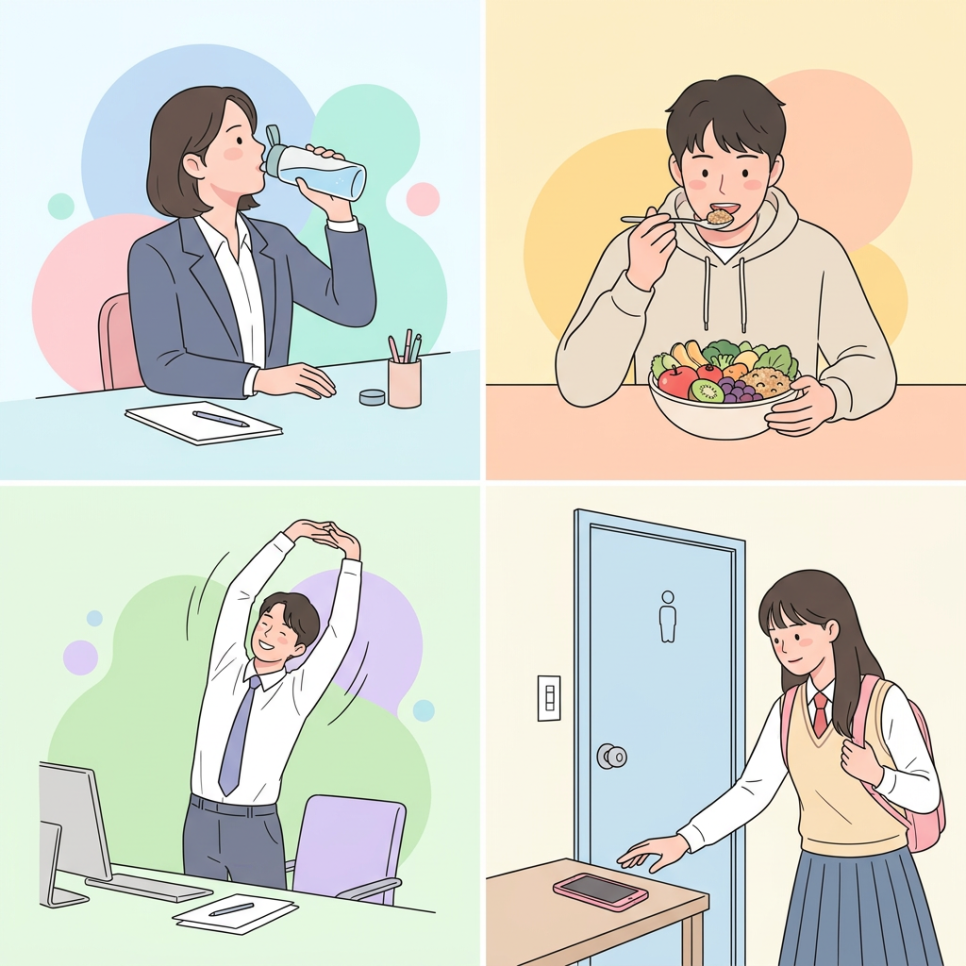
Tag: Dietary Fiber

  • Foods for Acid Reflux: 4 Best Options to Ease Heartburn Naturally

    Foods for Acid Reflux: 4 Best Options to Ease Heartburn Naturally

    SummaryHere are 4 of the best foods for acid reflux, along with the eating habits you should avoid. Support your stomach lining with cabbage, yam, banana, and oats, and cut back on caffeine and late-night snacking, which may help reduce how often heartburn and flare-ups occur.

    Do you wake up every morning with a lump-like feeling in your throat,
    and feel a burning sensation the moment you eat something spicy or greasy?

    Medication may bring temporary relief,
    but for many people, the symptoms return before long.

    The real reason it keeps coming back
    often isn’t the medication — it’s your diet.

    Today, we’re breaking down the best foods for acid reflux and the eating habits that can help.

    foods for acid reflux

    Some of the best foods for acid reflux include ingredients like cabbage and yam, which may help ease excess stomach acid and support the recovery of a damaged stomach lining.

    Combining these foods with habits like cutting back on caffeine and late-night eating may help reduce how often heartburn comes back.

    Below, we’ll walk through the foods that help protect your stomach lining,
    followed by the habits worth changing starting today.

    foods for acid reflux image 2

    What Exactly Is Acid Reflux (GERD)?

    Acid reflux, medically known as gastroesophageal reflux disease (GERD), is a digestive condition in which stomach acid flows back up into the esophagus and causes inflammation.

    GERD occurs when stomach contents or acid flow back into the esophagus, irritating the esophageal lining and triggering inflammation.

    Common symptoms include a burning pain in the chest, a sour taste rising in the throat,
    and a persistent lump-like sensation in the throat.

    It develops when the lower esophageal sphincter weakens and can’t close properly, which is often caused by irregular eating patterns, late-night meals, or a diet high in spicy or greasy foods.

    foods for acid reflux image 3

    Key Points
    · Acid reflux (GERD) is a common digestive condition among modern adults.
    · Westernized eating habits and irregular meal times are frequently cited as major contributing factors.
    · It can also commonly affect adults in their 40s and 50s.

    foods for acid reflux image 4


    What Are the Best Foods for Acid Reflux?

    Simply adjusting your diet can go a long way toward reducing heartburn.

    Foods that are good for acid reflux are ingredients that may help reduce stomach acid production and support the repair of a damaged stomach lining.

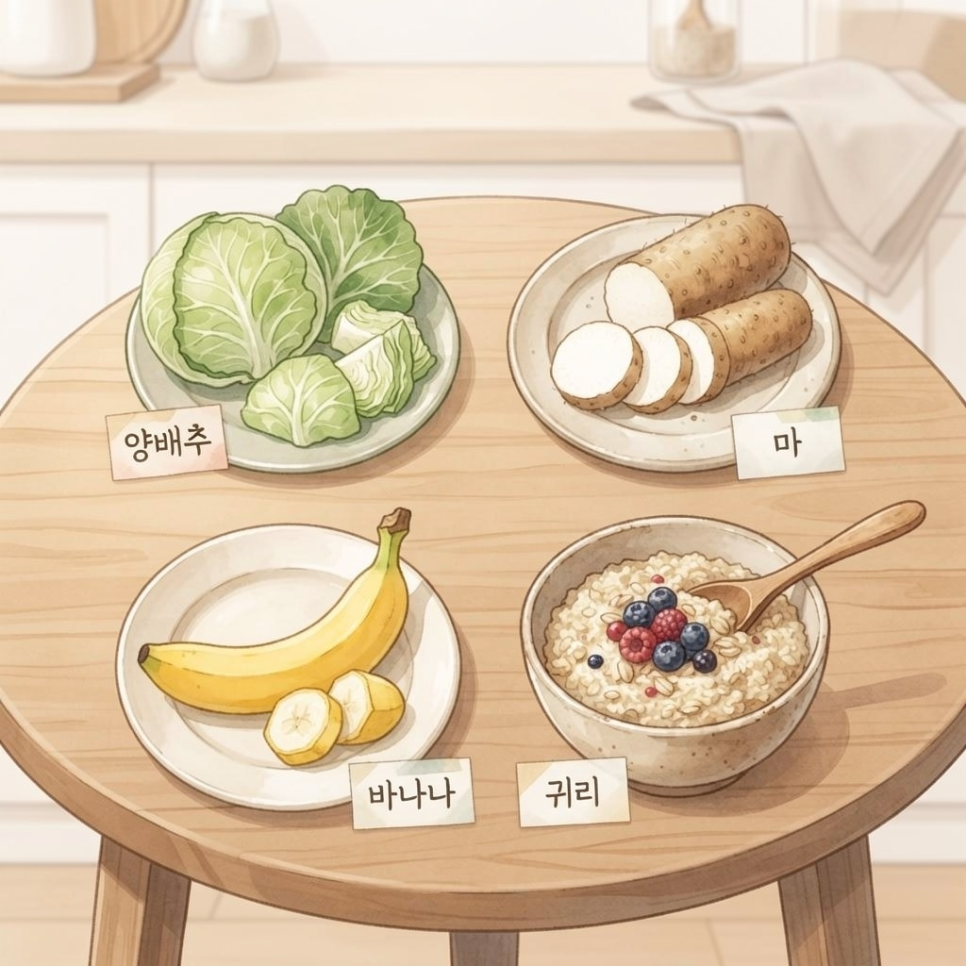
    Here’s a quick look at which ingredients can help,
    organized in the table below.

    Food Key Benefit
    Cabbage Rich in vitamin U, which may help ease excess stomach acid and support the repair of a damaged stomach lining.
    Yam Contains mucin, a compound that may coat the stomach wall and help ease irritation from stomach acid.
    Banana Low in acidity and gentle on the stomach, making it easy to digest without added strain.
    Oats (oatmeal) High in fiber, which may help absorb stomach acid and keep you feeling full for longer.

    Some suggest that drinking cabbage juice consistently each morning
    may help reduce how often heartburn occurs.

    Consistency is what matters most.
    foods for acid reflux image 5

    Key Points
    · Vitamin U in cabbage is a compound that some sources report may support the recovery of the stomach lining, though this specific claim is difficult to verify against a primary source.
    · The mucin in yam is a glycoprotein that coats the surface of the stomach wall to help reduce irritation from stomach acid.
    · That said, no single food can replace medical treatment — these foods should be viewed as a supportive part of your diet, not a cure.

    What Habits Should You Avoid When Managing Your Diet?

    Eating the right foods is only half the equation —
    it’s just as important to cut out habits that trigger acid reflux.

    Habits to avoid are lifestyle patterns that weaken the lower esophageal sphincter or increase stomach acid production.

    No matter how well you eat,
    leaving these underlying habits unchecked can undo all that progress.

    Checklist
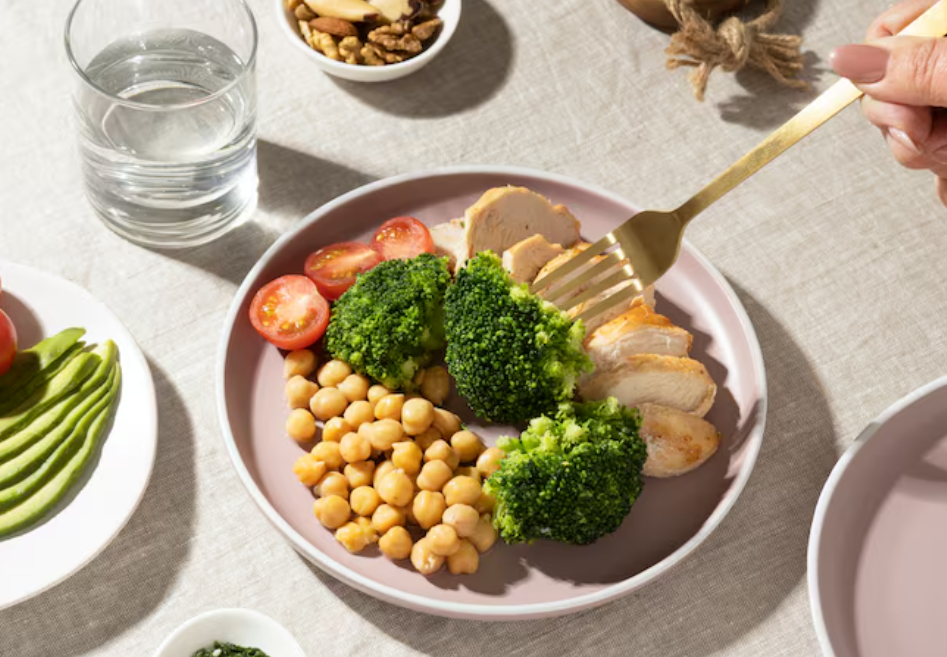
    ✅ Avoid lying down right after eating (wait at least 2 hours)
    ✅ Cut back on caffeine, carbonated drinks, and flour-based foods
    ✅ Eat smaller portions more frequently instead of large meals
    ✅ Avoid late-night eating and alcohol
    Caution
    Milk may feel soothing at first, but its protein and calcium content can actually stimulate more stomach acid production, so it’s best approached with caution if you have symptoms.
    Caffeine can also relax the lower esophageal sphincter and trigger reflux, so it’s a good idea to cut back when symptoms are severe.
    Result
    Changing just one habit — not lying down right after meals —
    may help reduce how often heartburn occurs.
    foods for acid reflux image 6

    Changing even one small habit can make a noticeable difference
    in how intense your heartburn feels.

    Why not start putting one of these into practice today?

    If you’re curious about other health topics beyond digestive health, you can find more at the home page of [Ansan Open Surgery Hospital], a resource for burn treatment information.


    Frequently Asked Questions

    1. What’s the best way to eat cabbage?
    Blending it raw into juice or lightly steaming it as a side dish helps preserve more of its nutrients.

    2. Is it okay to drink milk when I have heartburn?
    It may feel soothing at first, but its protein and calcium content can further stimulate stomach acid production, so caution is advised.

    3. Do I need to give up coffee completely?
    Since caffeine can relax the lower esophageal sphincter and trigger reflux, it’s best to cut back as much as possible when symptoms are severe.

    4. Do I still need to manage my diet while taking medication?
    Medication only calms inflammation temporarily — if poor eating habits continue, symptoms are more likely to return, so it’s best to manage your diet alongside any treatment.

    foods for acid reflux image 7


    References

    · Ministry of Health and Welfare (Korea), “Poor Eating Habits Can Lead to Acid Reflux, Health Ministry Warns,” Ministry of Health and Welfare press release. View source
    · Miraehankuk Weekly, “When Your Stomach Burns: Vitamin U in Cabbage May Suppress Excess Stomach Acid,” Miraehankuk Weekly. View source
    · Yakup Gongnon (Korea Pharmaceutical Newspaper), “Winter Yam: Mucin Content Protects the Stomach Wall and Offers Vitamins,” Yakup Gongnon. View source
    · Daum News, “Living With Acid Reflux? Foods to Avoid vs. Foods That Help,” Daum News. View source

    This article is intended for general health information purposes only and is not a substitute for individual diagnosis or treatment. If you’re experiencing symptoms, please consult a medical professional.
  • Early Hemorrhoid Symptoms: 4 Bathroom Habits Worth Changing Now

    Early Hemorrhoid Symptoms: 4 Bathroom Habits Worth Changing Now

    SummaryEarly hemorrhoid symptoms often cause little to no pain, so they’re easy to overlook. Left unaddressed, they can eventually progress to a point where surgery becomes a consideration. Here’s a rundown of the early warning signs that are easy to miss, the bathroom habits worth changing, and how to do a sitz bath correctly.

    A little blood on the toilet paper
    is something many people brush off.

    There’s no pain, so it’s easy to ignore —
    but missing this window can eventually lead to a situation where surgery needs to be considered.

    Catching early hemorrhoid symptoms in time
    and adjusting your bathroom habits may help you manage them.

    This article covers the key warning signs of early hemorrhoid symptoms, the difference between stage 1 and stage 2 hemorrhoids,
    and a sitz bath method you can start using right away.

    If you notice bleeding or a sense of discomfort during bowel movements, check the list below first.

    early hemorrhoid symptoms

    What Exactly Is a Hemorrhoid?

    A hemorrhoid develops when the blood vessels and tissue around the anus come under pressure, stretch, and swell into a lump.
    In short, a hemorrhoid is a swollen blood vessel that forms when the cushion-like tissue of the anal canal stretches under pressure.

    Most of what’s commonly called “piles” falls into this category.
    They’re especially common among people who sit for long stretches or deal with chronic constipation.

    Brushing off the condition
    can eventually lead to a situation where surgery needs to be considered,
    so recognizing and managing the symptoms early matters.

    illustration related to early hemorrhoid symptoms 2

    Key Point
    A hemorrhoid forms when the blood vessels of the anus stretch under pressure, and how it’s managed early on can influence how it progresses.

    How Can You Recognize Early Hemorrhoid Symptoms?

    Early hemorrhoid symptoms usually appear as mild signs rather than pain.
    Early hemorrhoid symptoms typically involve anal itching, a lingering sense of incomplete evacuation, and bright red blood during bowel movements.

    Because the discomfort is mild, many people simply overlook it.
    But missing this stage can allow the condition to progress to the point where the swollen tissue protrudes outward.

    illustration related to early hemorrhoid symptoms 3

    Use the checklist below to see where you currently stand.

    Checklist
    ✅ Blood appears on toilet paper or in the stool during bowel movements
    ✅ There’s itching or a heavy, foreign-body sensation around the anus
    ✅ A sense of incomplete evacuation remains even after a bowel movement

    illustration related to early hemorrhoid symptoms 4

    What’s the Difference Between Stage 1 and Stage 2 Hemorrhoids?

    Stage 1 mainly involves bleeding, while the key difference in stage 2 is that the swollen tissue protrudes during bowel movements and retracts on its own.
    The table below compares the two stages.

    Category Stage 1 Hemorrhoids Stage 2 Hemorrhoids
    Main Symptoms Little to no pain, bright red bleeding during bowel movements Tissue protrudes during bowel movements, may involve itching or a foreign-body sensation
    Location of Tissue Stays inside the anal canal Protrudes outward but returns on its own after the bowel movement
    Management & Treatment May improve with conservative measures such as fiber and water intake and warm sitz baths Same early management approaches apply; a doctor’s evaluation is needed if symptoms persist
    Caution
    If bleeding recurs or the protruding tissue doesn’t retract on its own, it’s safer to see a doctor rather than rely on self-care alone.

    What Bathroom Habits and Sitz Bath Practices Help?

    Correcting daily habits and practicing a proper sitz bath are among the approaches commonly recommended for easing hemorrhoid symptoms.
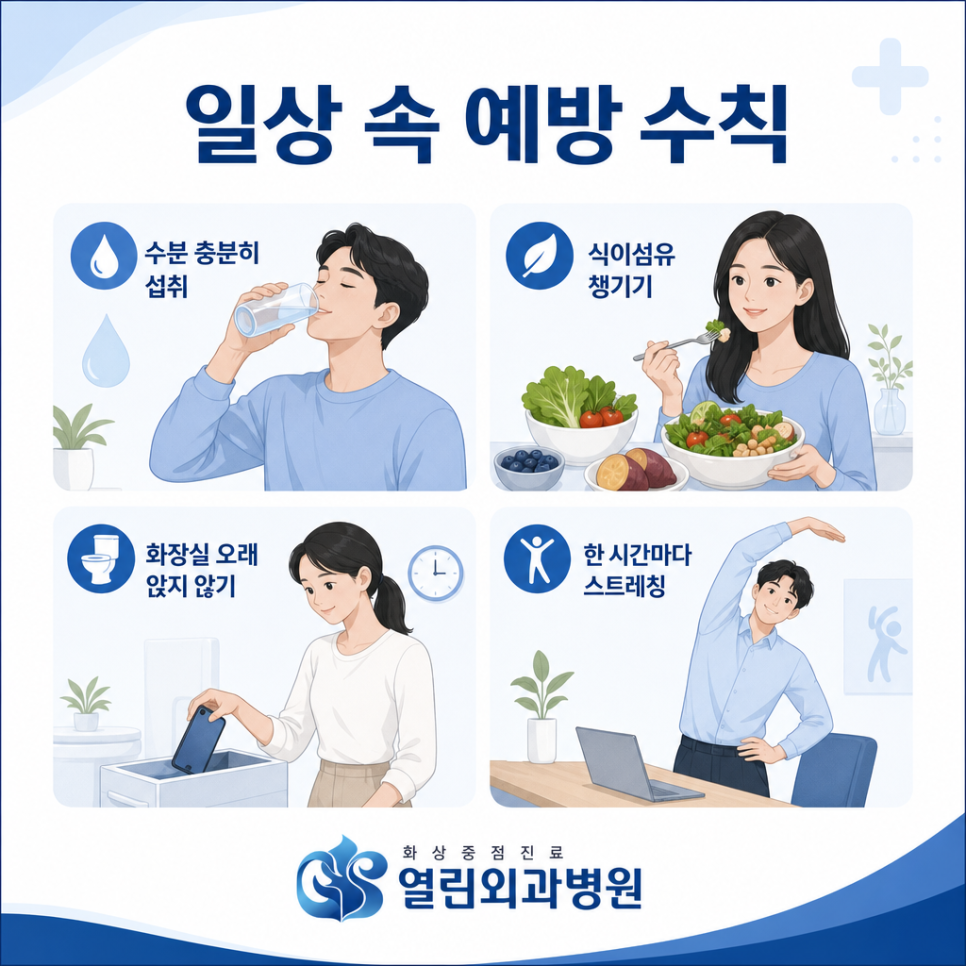
    Here are four lifestyle habits worth keeping in mind.

    illustration related to early hemorrhoid symptoms 5

    First, avoid sitting on the toilet for long stretches at all costs.
    Second, if you bring your phone in and sit for more than 10 minutes, it’s time to break that habit.

    Letting these small habits slide can make symptoms worse.

    illustration related to early hemorrhoid symptoms 6

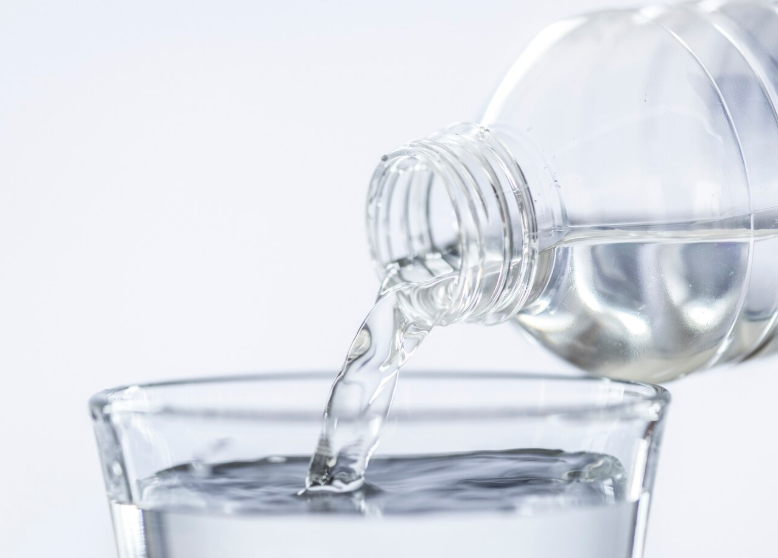
    Third, staying well-hydrated and eating a vegetable-rich diet helps prevent constipation.
    Fourth, a light sitz bath in warm water can also support healthy blood circulation.

    A commonly suggested guideline is 3-5 minutes in warm water, 2-3 times a day.

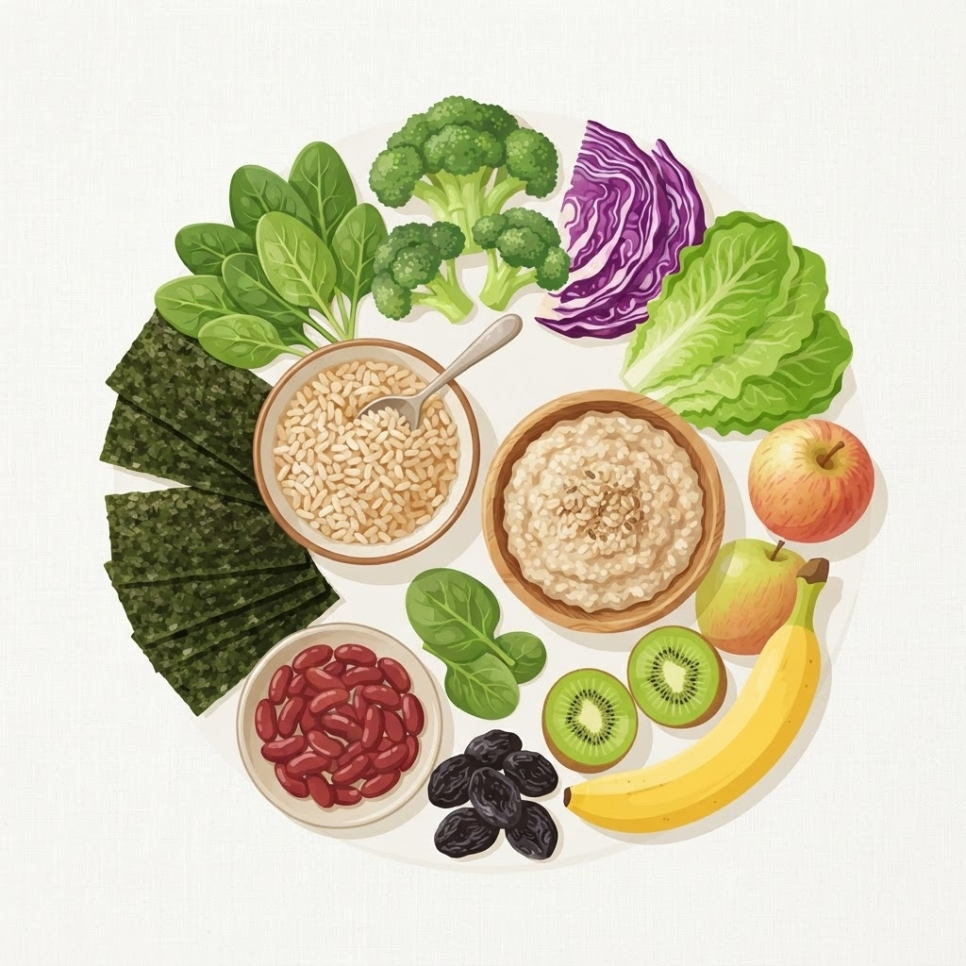
    What Foods Are High in Fiber?

    Fiber adds bulk to the stool and helps it retain moisture, making bowel movements easier and more comfortable.

    illustration related to early hemorrhoid symptoms 7

    • Vegetables: spinach, broccoli, cabbage, lettuce, garlic chives
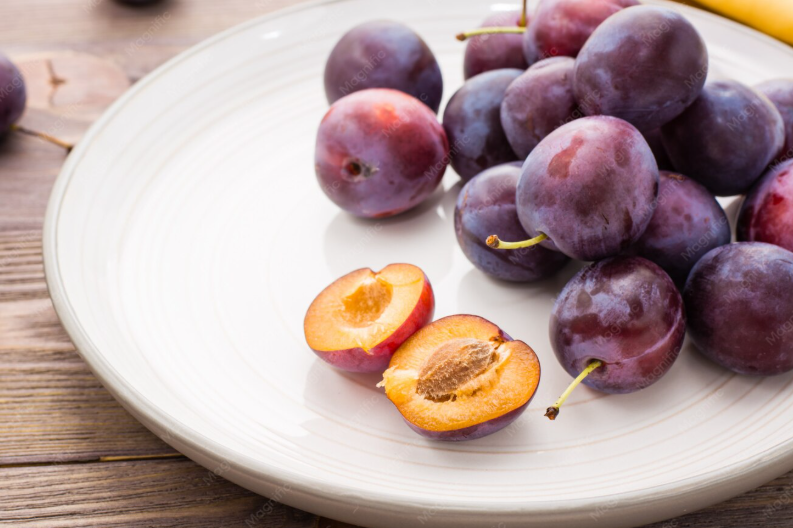
    • Fruits: apples (with skin), pears, bananas, kiwis, prunes (dried plums)
    • Whole Grains & Sea Vegetables: brown rice, oatmeal, legumes, seaweed, kelp, dried laver
    Takeaway
    Combining regular sitz baths with a fiber-rich diet may help ease early symptoms.

    If symptoms keep recurring despite self-care, or if you’re concerned, it’s worth seeing a specialist.
    For an accurate diagnosis, check the link below.
    Hemorrhoid Care at Ansan Yeollin Surgical Hospital


    Frequently Asked Questions

    1. I have early hemorrhoid symptoms — do I need to see a doctor?
    In the early stage, sitz baths and dietary changes may help, but if bleeding continues, it’s safer to get an accurate diagnosis from a doctor.

    2. How often and how long should a sitz bath be?
    Around 3-5 minutes in warm water, 2-3 times a day, is generally recommended to support blood circulation around the anus.

    3. How much fiber and water should I be getting?
    To help prevent constipation, eat plenty of vegetables and fruit, and aim to drink at least 1.5 liters of water a day.

    4. Does stage 2 always require surgery?
    Stage 2 cases may improve with conservative treatment, but if symptoms persist or worsen, it’s important to have your condition evaluated at a hospital.

    5. How can I tell early hemorrhoid symptoms apart from other anal conditions?
    Bleeding patterns and pain location can vary, so an exam by a specialist is more reliable than self-diagnosis.


    illustration related to early hemorrhoid symptoms 8

    References

    · Korea Disease Control and Prevention Agency, “Hemorrhoids,” National Health Information Portal. View source
    · Asan Medical Center, “Hemorrhoids,” Disease Encyclopedia Medical Information. View source


    This article is intended for general health information purposes only and is not a substitute for individual diagnosis or treatment. If you have symptoms, please consult a medical professional.

  • Ansan Proctology Clinic Visit: 3 Bathroom Phone Habits to Break First

    Ansan Proctology Clinic Visit: 3 Bathroom Phone Habits to Break First

    SummaryBefore visiting an Ansan proctology clinic, here’s what you should know: the medical causes behind anorectal conditions, everyday prevention habits like proper sitz baths and fiber intake, and exactly when self-care isn’t enough and it’s time to see a doctor.

    Bringing your phone into the bathroom —
    just a harmless way to pass the time, right?

    In reality, the symptoms that send people to an Ansan proctology clinic often start
    in just those few minutes.

    Most people, when the pain shows up, brush it off as “I’m probably just tired lately.” But there’s a clear reason this happens so often to office workers and students who sit for long hours.

    안산항문외과

    Without knowing the cause, the same symptoms are bound to keep coming back no matter how much you try to just tough it out.

    Let’s walk through why this happens — and why enduring it isn’t the answer.

    안산항문외과 관련 이미지 2

    Key Points
    · An Ansan proctology clinic visit addresses symptoms such as pain during bowel movements, blood, and discomfort around the anus.
    · The basics of self-care are lukewarm sitz baths 2-3 times a day for 3-5 minutes, plus standing up to stretch every hour.
    · If self-care doesn’t help and the pain keeps recurring, it’s safer to see a doctor before it becomes chronic.

    Why Does Sitting for Long Periods Cause Anorectal Problems?

    To put it simply: prolonged sitting and straining too hard during bowel movements repeatedly put pressure on the blood vessels around the anus.

    Hemorrhoids are a condition in which the blood vessel tissue inside and around the anus stretches and swells, causing pain, bleeding, and discomfort.

    This is also why it’s especially common among office workers and students who sit for long stretches.
    Many people have felt the effects after neglecting healthy bowel habits because of a busy schedule.

    안산항문외과 관련 이미지 3

    Straining excessively during bowel movements or ongoing constipation raises local pressure in that area.

    As this repeats, the vessel tissue swells and pain develops.
    It’s easy to write this off as simple fatigue.
    Pinpointing the actual cause is important.

    안산항문외과 관련 이미지 4

    If you notice discomfort during bowel movements, it’s worth considering treatment.
    If even one item on the checklist below applies to you, we recommend getting a professional opinion.

    Checklist
    ✅ Stinging or pain with every bowel movement
    ✅ Bright red blood on the toilet paper
    ✅ Swelling or a heavy feeling around the anus
    ✅ The same symptoms repeating for several days

    Once an anal fissure or hemorrhoids develop, the chance of recurrence goes up,
    which is why early management matters so much.


    Before Visiting an Ansan Proctology Clinic: What Prevention Steps Can You Take at Home?

    The key comes down to two lifestyle habits that lower pressure during bowel movements: proper sitz baths and adequate fiber intake.

    A sitz bath is a warm-water self-care method that is generally used to help improve blood circulation around the anus and may help relieve congestion and swelling.

    Even one small change may help, and sticking with it consistently may help ease everyday discomfort.

    The Right Way to Take a Sitz Bath

    1. Prepare lukewarm water at about 104-113°F (40-45°C), similar to a warm bath.
    2. Aim for 3-5 minutes per session, 2-3 times a day.
    3. Going past 5 minutes can actually irritate the anal tissue, so stick to the time limit.
    4. After the bath, gently pat the area dry rather than rubbing, to keep it from staying damp.

    Simply sticking to the recommended time and temperature may help with comfort.

    안산항문외과 관련 이미지 5

    Getting enough water and dietary fiber is also important.
    It may help soften stool and reduce local pressure.

    According to a report by Hidoc, the recommended daily fiber intake for adults is around 25g for women and 38g for men.
    It’s best to increase intake gradually, focusing on vegetables, seaweed, and whole grains.

    It’s also important to break the habit of sitting on the toilet for long periods with your phone.
    The longer you sit, the more strain builds up on the blood vessels around the anus.

    Result
    Even small lifestyle adjustments can help ease discomfort.
    Finding a regular bowel rhythm is the first step.

    When Should You Decide It’s Time for an Ansan Proctology Clinic Visit?

    If symptoms keep recurring or worsening even after two or more weeks of self-care, it’s best not to put off seeing a doctor.

    Chronic hemorrhoids describes a condition where symptoms keep recurring after the window for early management has passed.

    Missing the right time to seek treatment can make the process take longer.
    Many people put off going to the doctor simply because they’re busy or feel embarrassed to bring it up.
    But it’s worth remembering that toughing it out isn’t the answer.

    안산항문외과 관련 이미지 6

    If self-care alone isn’t helping and the pain keeps coming back, don’t hesitate.
    Addressing it early — rather than letting it worsen — is generally considered a better way to take care of your body.

    Caution
    Leaving symptoms untreated until they become chronic can disrupt daily life.
    Don’t dismiss even mild symptoms.

    If you need an accurate diagnosis and consultation, you can find hospital information at the link below.
    [Ansan Yeollin Surgical Hospital] Visit the Website

    How to Get to Yeollin Surgical Hospital

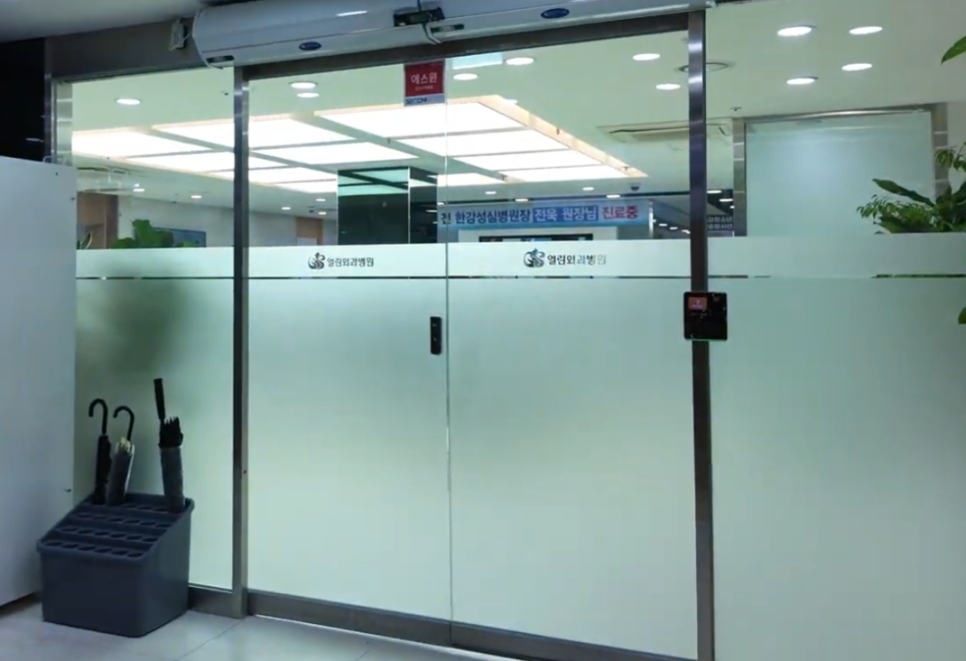
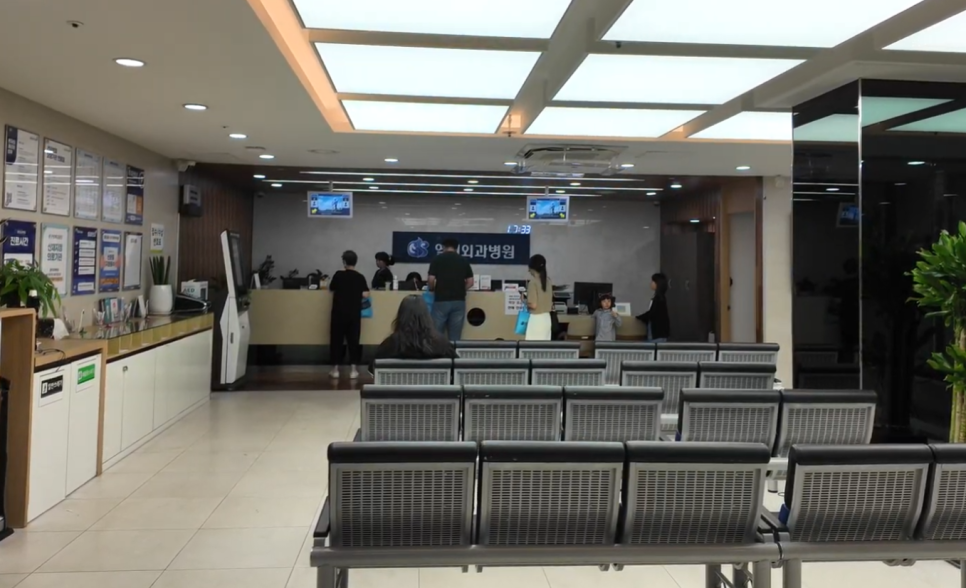
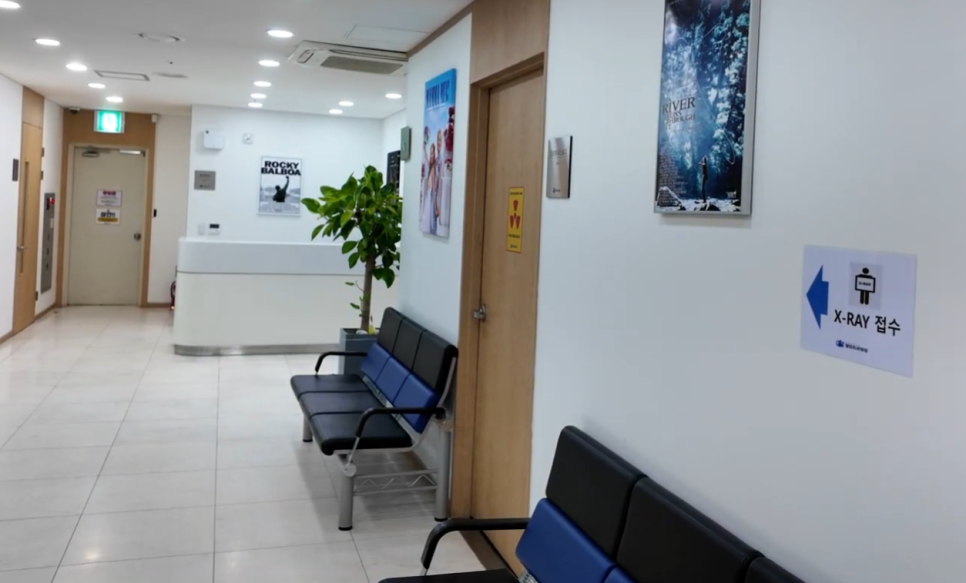
    The hospital is located at 376 Hwarang-ro, Danwon-gu, Ansan-si, Gyeonggi-do (basement level and floors 2-4),
    directly across from Ansan City Hall and Danwon Police Station, so it’s easy to find.

    안산항문외과 관련 이미지 7

    안산항문외과 관련 이미지 8

    안산항문외과 관련 이미지 9

    안산항문외과 관련 이미지 10

    안산항문외과 관련 이미지 11

    안산항문외과 관련 이미지 12

    안산항문외과 관련 이미지 13

    안산항문외과 관련 이미지 14

    안산항문외과 관련 이미지 15

    안산항문외과 관련 이미지 16

    안산항문외과 관련 이미지 17


    Frequently Asked Questions

    1. How often and how long should I take a sitz bath?
    Lukewarm water (about 104-113°F/40-45°C), 2-3 times a day for 3-5 minutes each, is appropriate. Water that’s too hot can actually irritate the area.

    2. What foods are good sources of fiber?
    Eating a variety of everyday foods like vegetables, seaweed, and whole grains is an effective way to get enough fiber.

    3. If I notice a little blood during a bowel movement, do I need surgery right away?
    In many early-stage cases, lifestyle adjustments alone can lead to improvement, so it’s usually fine to monitor the situation and manage it first.

    4. I sit for long hours at work — is there a specific way to prevent this?
    Standing up to stretch lightly every hour and using a cushion that helps distribute pressure can help.

    5. Is there anything worth preparing before my appointment?
    Jotting down your usual bowel habits and when your symptoms started can make the consultation go more smoothly.


    References

    · Asan Medical Center, “Hemorrhoids,” Disease Encyclopedia, Asan Medical Center. View Source
    · Severance Hospital, “Hemorrhoids: Consistent Warm-Water Sitz Baths Can Relieve the Pain,” Health Information, Severance Hospital. View Source
    · Hidoc, “‘Good vs. Bad Foods’ for Constipation and Hemorrhoids,” Hidoc News. View Source
    · Hidoc, “5 Bad Habits That Cause Hemorrhoids… A Pharmacist’s Guide to Prevention and Management,” Hidoc News. View Source


    This article is intended to provide general health information and is not a substitute for individual diagnosis or treatment. If you have symptoms, please consult a medical professional.

  • Ansan Proctology Clinic: 3 Bathroom Phone Habits to Break First

    Ansan Proctology Clinic: 3 Bathroom Phone Habits to Break First

    SummaryBefore visiting an Ansan proctology clinic, here’s what you need to know: the medical causes behind anal conditions, everyday prevention habits like proper sitz baths and fiber intake, and the exact point at which self-care isn’t enough and it’s time to see a doctor.

    Bringing your phone into the bathroom —
    just a harmless little habit to pass the time, right?

    In fact, the symptoms that send people to an Ansan proctology clinic often start
    in exactly those few minutes.

    Most people brush off the pain as “I’ve just been tired lately,”
    but there’s a clear reason it shows up so often
    in office workers and students who sit for long hours.

    Ansan proctology clinic

    If you don’t know the cause, the same symptoms will keep coming back no matter how much you try to tough it out.

    Let’s go through why this happens — and why simply enduring it isn’t the answer.

    Ansan proctology clinic related image 2

    Key Points
    · An Ansan proctology clinic visit addresses symptoms like pain during bowel movements, blood, and a feeling of pressure around the anus.
    · The basics of self-care are taking a lukewarm sitz bath 2-3 times a day for 3-5 minutes and standing up to stretch every hour.
    · If self-care doesn’t help and the pain keeps returning, it’s safer to see a doctor before the condition becomes chronic.

    Why Do Anal Conditions Develop From Sitting Too Long?

    The short answer: prolonged sitting and straining too hard during bowel movements
    repeatedly put pressure on the blood vessels around the anus.

    Hemorrhoids are a condition in which the blood vessel tissue inside and around the anus stretches and swells, causing pain, bleeding, and a sense of pressure.

    This is also why it shows up so often in office workers and students who sit for long stretches.
    Many people have had the experience of neglecting their bowel habits because of a busy schedule — and paying for it later.

    Ansan proctology clinic related image 3

    Straining too hard during bowel movements or ongoing constipation raises local pressure in the area.

    As this repeats, the vessel tissue swells and pain develops.
    It’s easy to write it off as simple fatigue.
    But identifying the actual cause is what matters most.

    Ansan proctology clinic related image 4

    If you experience discomfort during bowel movements, it’s worth considering treatment.
    If even one item on the checklist below applies to you, we recommend getting a professional opinion.

    Checklist
    ✅ It stings or hurts every time you have a bowel movement
    ✅ You notice bright red blood on the toilet paper
    ✅ There’s swelling or a heavy feeling around the anus
    ✅ The same symptoms have persisted for several days

    Anal fissures and hemorrhoids can recur once they occur,
    so early management is especially important.


    What Prevention Steps Can You Take at Home Before Visiting an Ansan Proctology Clinic?

    The key lies in two lifestyle habits that lower pressure during bowel movements: proper sitz baths and adequate fiber intake.

    A sitz bath is a warm-water care method generally used to help improve blood circulation around the anus and may help reduce congestion and swelling.

    Even one small habit may bring a noticeable change,
    and keeping it up consistently may help reduce everyday discomfort.

    How to Take a Proper Sitz Bath

    1. Prepare lukewarm water at 40-45°C (104-113°F), about the temperature of a warm bath.
    2. Aim for 3-5 minutes per session, 2-3 times a day.
    3. Keep to the time limit — soaking longer than 5 minutes can actually irritate the anal tissue.
    4. After the bath, gently pat the area dry and keep it dry.

    Simply sticking to the right time and temperature may help you feel more comfortable.

    Ansan proctology clinic related image 5

    Above all, getting enough water and fiber is essential.
    It may help soften stool and reduce local pressure.

    According to Hidoc, the recommended daily fiber intake for adults is around 25g for women and 38g for men.
    It’s best to increase intake gradually, focusing on vegetables, seaweed, and whole grains.

    You should also break the habit of sitting on the toilet for a long time with your phone.
    The longer you sit, the more strain it puts on the blood vessels around the anus.

    Takeaway
    Even small lifestyle adjustments may help ease discomfort.
    Establishing a regular bowel rhythm should be the first step.

    When Is It Time to See an Ansan Proctology Clinic?

    If symptoms keep coming back or get worse even after two or more weeks of self-care, it’s best not to put off seeing a doctor.

    Chronic hemorrhoids refers to a condition where the window for early management is missed and symptoms keep recurring.

    Missing the right window for care can make treatment take longer.
    Many people put off a visit because they’re busy or feel embarrassed to bring it up.
    But it’s worth remembering that simply enduring it isn’t the answer.

    Ansan proctology clinic related image 6

    If self-care alone isn’t helping and the pain keeps returning, don’t hesitate.
    Addressing it early — rather than letting it worsen — is the better way to take care of yourself.

    Caution
    Leaving symptoms unaddressed until they become chronic can interfere with daily life.
    Even mild symptoms shouldn’t be brushed aside.

    If you need an accurate diagnosis and consultation, you can find hospital information at the link below.
    [Ansan Open Surgery Hospital] Visit the Homepage

    How to Find Open Surgery Hospital

    The hospital is located at 376 Hwarang-ro, Danwon-gu, Ansan-si, Gyeonggi-do (basement level and floors 2-4),
    directly across from Ansan City Hall and Danwon Police Station, so it’s easy to find.

    Ansan proctology clinic related image 7

    Ansan proctology clinic related image 8

    Ansan proctology clinic related image 9

    Ansan proctology clinic related image 10

    Ansan proctology clinic related image 11

    Ansan proctology clinic related image 12

    Ansan proctology clinic related image 13

    Ansan proctology clinic related image 14

    Ansan proctology clinic related image 15

    Ansan proctology clinic related image 16

    Ansan proctology clinic related image 17


    Frequently Asked Questions

    1. How often and how long should I take a sitz bath?
    Lukewarm water (around 40-45°C / 104-113°F), 2-3 times a day for 3-5 minutes, is appropriate. Water that’s too hot can actually irritate the area.

    2. What foods are good sources of fiber?
    Eating a variety of everyday foods like vegetables, seaweed, and whole grains is an effective way to get enough fiber.

    3. If I notice a little blood during a bowel movement, do I need surgery right away?
    In many early-stage cases, lifestyle changes alone may help improve symptoms, so it’s fine to monitor and manage things first.

    4. I sit for long hours at work — is there a specific way to prevent this?
    It can help to stand up and stretch lightly every hour and use a cushion that distributes pressure.

    5. Is there anything I should prepare before my appointment?
    Jotting down your usual bowel habits and when your symptoms started makes the consultation go more smoothly.


    References

    · Asan Medical Center, “Hemorrhoids,” Disease Encyclopedia, Asan Medical Center. View source
    · Severance Hospital, “Hemorrhoids: Consistent Warm-Water Sitz Baths Can Relieve the Pain,” Health Information, Severance Hospital. View source
    · Hidoc, “Good Foods vs. Bad Foods for Constipation and Hemorrhoids,” Hidoc News. View source
    · Hidoc, “5 Bad Habits That Cause Hemorrhoids — A Pharmacist’s Guide to Prevention and Care,” Hidoc News. View source


    This article is intended for general health information purposes only and is not a substitute for individual diagnosis or treatment. If you have symptoms, please consult a medical professional.