Tag: Endoscopy Fasting Time

  • Unsedated Endoscopy: Why the Pain Lasts Only 10-15 Minutes

    Unsedated Endoscopy: Why the Pain Lasts Only 10-15 Minutes

    SummaryWorried about pain during an unsedated endoscopy? Here’s a medically informed overview of the exam duration, fasting preparation, and breathing techniques that may help reduce gagging.

    Lying on the exam table, the procedure lasts at most 10 to 15 minutes — but how that short window feels can vary considerably, from a manageable experience to a difficult one.

    That’s why reactions to unsedated endoscopy vary so widely from person to person.
    Some people find it more manageable than expected, while others say they’d rather not go through it again.

    So why do people react so differently to the same exam?

    💡 Quick preview
    Unsedated upper endoscopy is performed using only a local throat anesthetic, with no sedative, so no recovery time is needed and you can typically return to your normal routine right after the exam.
    That said, you may feel gagging or a foreign-body sensation as the scope passes through your throat — this can often be reduced with proper breathing and preparation beforehand.
    Below, we cover the actual pain level, exam duration, and tips that may help you get through an unsedated endoscopy more comfortably.
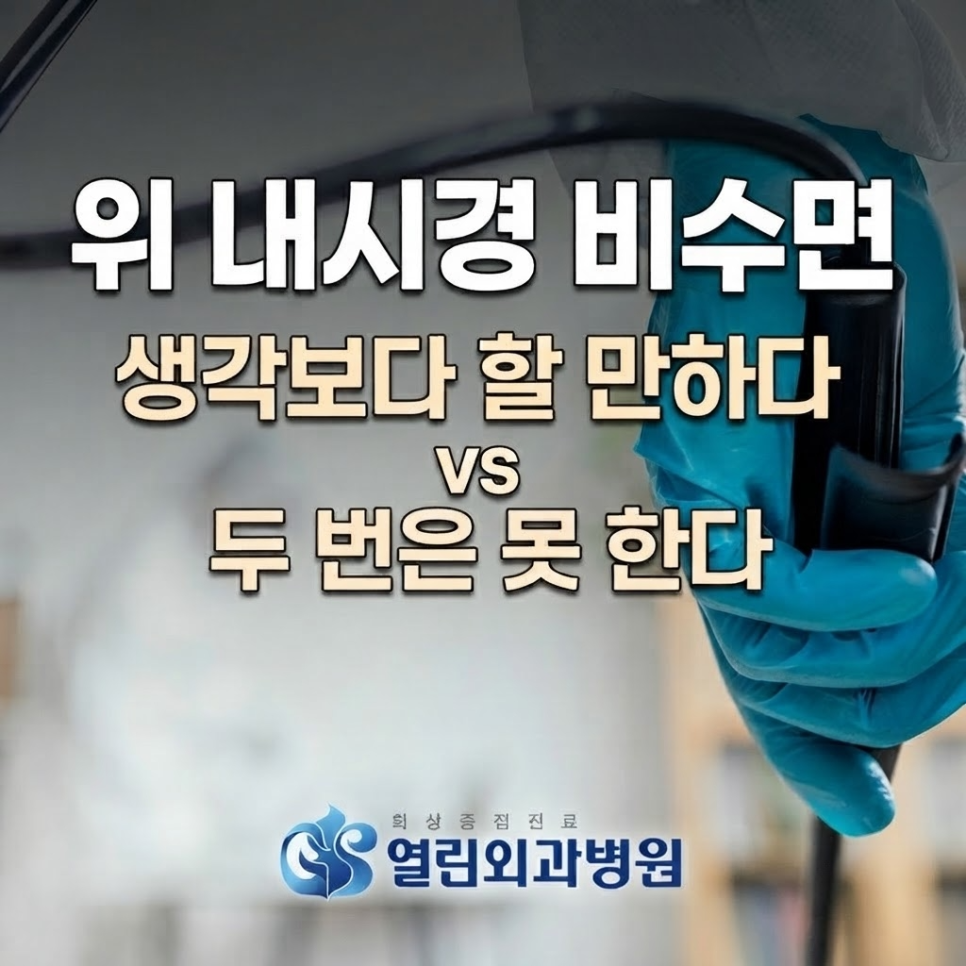
    unsedated upper endoscopy

    What Is an Unsedated Upper Endoscopy?

    An unsedated upper endoscopy is a procedure in which a doctor inserts an endoscope to examine the inside of the stomach without a sedative, using only a local anesthetic applied to the throat.

    It’s typically chosen by people who are wary of sedation-related risks or who prefer not to lose consciousness, even briefly.

    unsedated upper endoscopy illustration 3

    Before the exam, you hold a local anesthetic in your mouth and throat before swallowing it, which numbs the area and can reduce discomfort as the scope passes through.

    That said, the numbing isn’t complete, so a brief foreign-body sensation may remain as the scope enters.

    One notable advantage is that no separate recovery time is needed.
    You can typically drive or return to work right after the exam, which can be helpful for working professionals with limited time to spare.

    unsedated upper endoscopy illustration 4

    🚀 Key benefits of an unsedated exam
    · No separate recovery time needed after the exam
    · You can drive yourself and return to your routine the same day
    · Lower risk of side effects associated with sedatives

    How Painful Is an Unsedated Endoscopy, Really?

    In short, it tends to feel less like sharp, cutting pain and more like gagging and pressure.

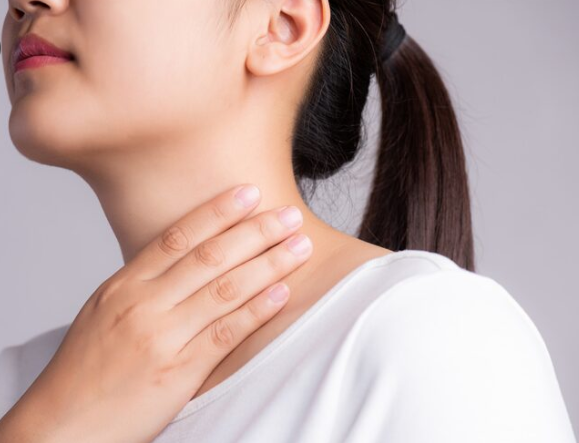
    As the scope passes through the throat into the esophagus, a strong gag reflex can occur.

    Tensing your throat at this point can cause friction against the scope, which may increase discomfort or, in some cases, lead to minor bleeding — so staying relaxed matters.
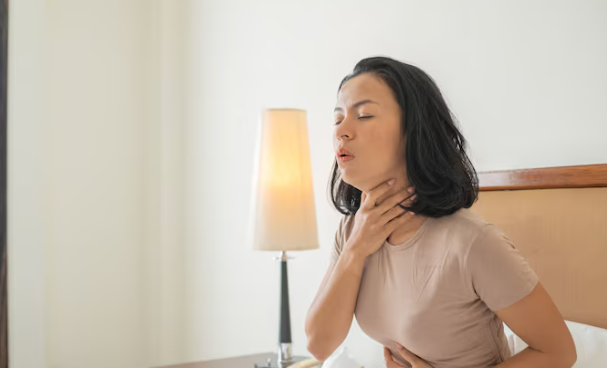
    unsedated upper endoscopy illustration 2

    According to health information from Asan Medical Center, the duration of an unsedated upper endoscopy varies by patient but is generally around 10 to 15 minutes.

    If a polyp is removed or a biopsy is taken, the exam may run a bit longer.

    The actual observation time is short, but breathing incorrectly can make the exam feel much longer than it is.
    Breathing slowly and following your medical team’s guidance may help reduce discomfort.
    unsedated upper endoscopy illustration 5

    📋 Step-by-step overview of the exam
    1. Take an anti-foaming agent and hold the throat anesthetic in your mouth
    2. Lie on your side on the exam table and bite down on the mouthpiece
    3. The endoscope is inserted to examine the stomach (about 10-15 minutes)
    4. Results are discussed after the exam

    What Preparation and Breathing Techniques Help Reduce Pain and Gagging?

    Fasting properly beforehand and using the right breathing technique during the exam may help reduce pain and gagging.

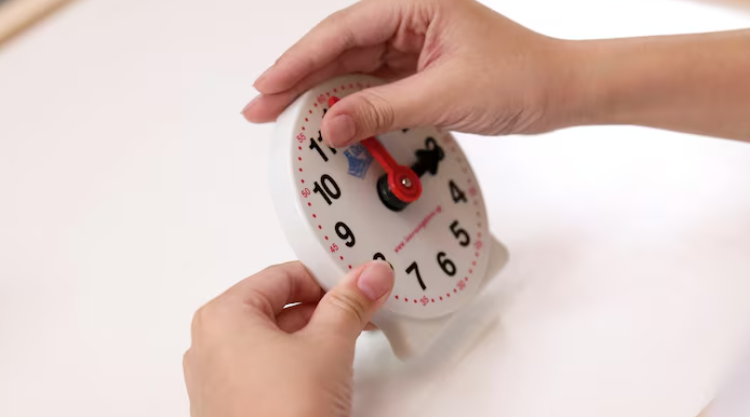
    According to Asan Medical Center, you should fast for at least 8 hours before an upper endoscopy.
    Typically, this means eating a light dinner around 6 p.m. the day before, then avoiding all food and water — including water — from midnight onward.

    unsedated upper endoscopy illustration 6

    If food remains in the stomach, it not only makes observation harder but also raises the risk of reflux if gagging occurs.

    Once the exam begins, it helps to breathe slowly in through your nose and out through your mouth, using deep abdominal breathing.

    Trying to swallow saliva tenses the throat muscles and can worsen discomfort, so it’s better to simply let saliva drain out naturally.
    unsedated upper endoscopy illustration 7

    Relaxing your shoulders and neck and keeping your gaze lowered can also help ease tension.
    Staying calm may help reduce the gag reflex for some people.

    ⚠️ Things to keep in mind on exam day
    · Tell your medical team in advance about any essential medications, such as blood pressure medicine
    · Let saliva drain out naturally during the exam instead of trying to swallow it
    · Try not to suppress burping, since it lets the stomach expand enough for a thorough exam
    · Avoid eating or drinking for about 30 minutes, until the throat anesthetic wears off

    If an unsedated exam feels too daunting, sedated (sleep) endoscopy is also an option.
    It’s worth choosing based on your own sensitivity to gagging and your schedule for the day. You can also find more information about other services at [Ansan Open Surgery Hospital] Home.
    unsedated upper endoscopy illustration 8


    Frequently Asked Questions

    1. When can I eat after the exam?
    Answer: You can typically drink water or have a light meal about 30 minutes to an hour after the throat anesthetic fully wears off. Swallowing food before the numbness has worn off can risk it entering the airway, so caution is needed.

    2. My throat feels scratchy and sore after the exam — is that normal?
    Answer: The scope can cause minor irritation to the throat lining, so mild discomfort may last a day or two. Drinking lukewarm water frequently can help with recovery.

    3. Can I switch from unsedated to sedated once the exam has started?
    Answer: Once the exam has begun, switching to sedation is difficult. If you tend to have a strong gag reflex or feel especially anxious, it’s best to discuss your options with your doctor beforehand and choose the method that suits you.

    4. Who is a good candidate for an unsedated upper endoscopy?
    Answer: It tends to suit people who need to return to their routine right away without recovery time, or who are concerned about sedation-related side effects. Those with a very strong gag reflex may find sedated endoscopy more comfortable instead.


    References

    · Asan Medical Center, “Esophagogastroduodenoscopy (EGD),” Health Information, Asan Medical Center. View here
    · Asan Medical Center, “Upper Endoscopy (Unsedated),” Health Screening Information, Asan Medical Center. View here


    This article is intended for general health information purposes only and is not a substitute for individual diagnosis or treatment. Please consult a physician if you have symptoms.
  • Food Before Endoscopy: 3 Safe Meal Options and Foods to Avoid

    Food Before Endoscopy: 3 Safe Meal Options and Foods to Avoid

    SummaryWhat should you eat the night before an upper endoscopy to help support accurate results? This guide covers safe food before endoscopy, foods you should avoid, the recommended dinner time, and exactly when your fasting window should begin.

    Have you ever stood in front of the fridge the night before an endoscopy appointment, unsure what to make for dinner?

    Actually, what you eat the night before matters more than simply skipping meals altogether.

    Choosing the wrong food before endoscopy can leave residue in your stomach, which may mean the exam needs to be repeated.

    This guide covers which foods are safe to eat the night before an endoscopy, which foods to avoid, and exactly when your fasting window should begin. Getting your pre-procedure dinner right can help you complete the exam on the first visit, without a repeat appointment.

    food before endoscopy

    What Food Before Endoscopy Is Safe to Eat?

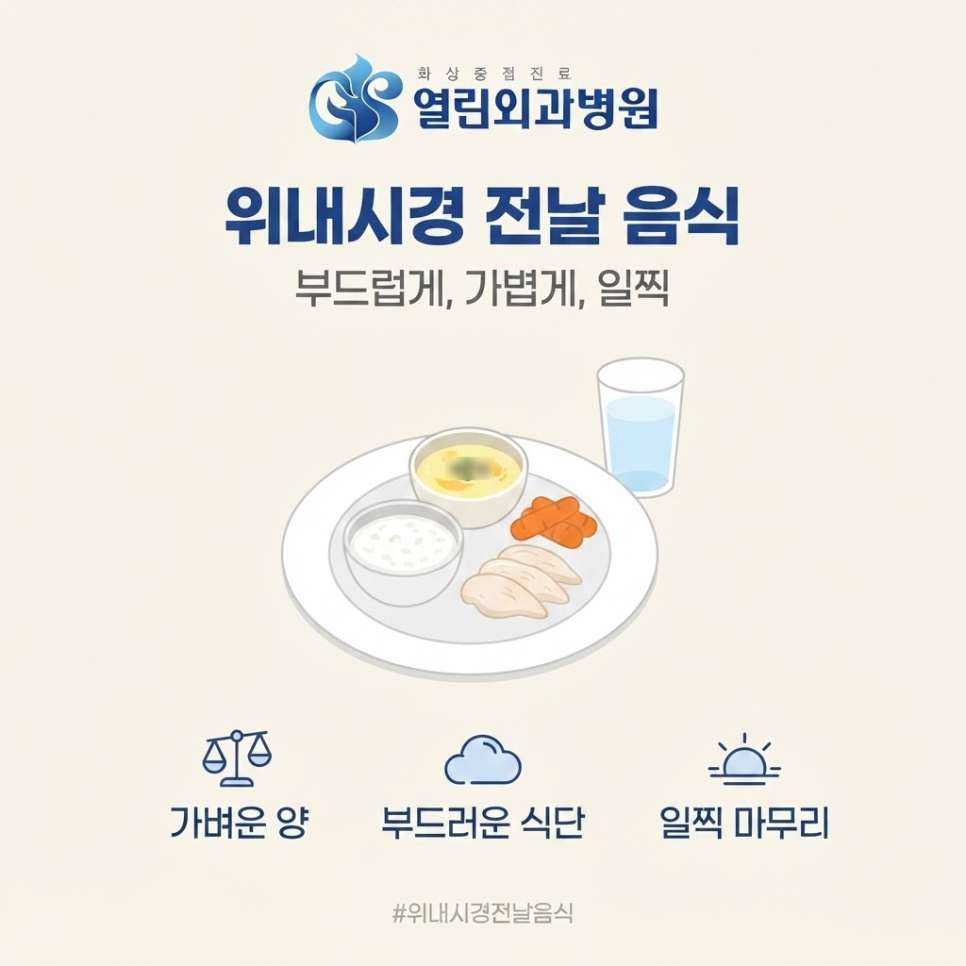
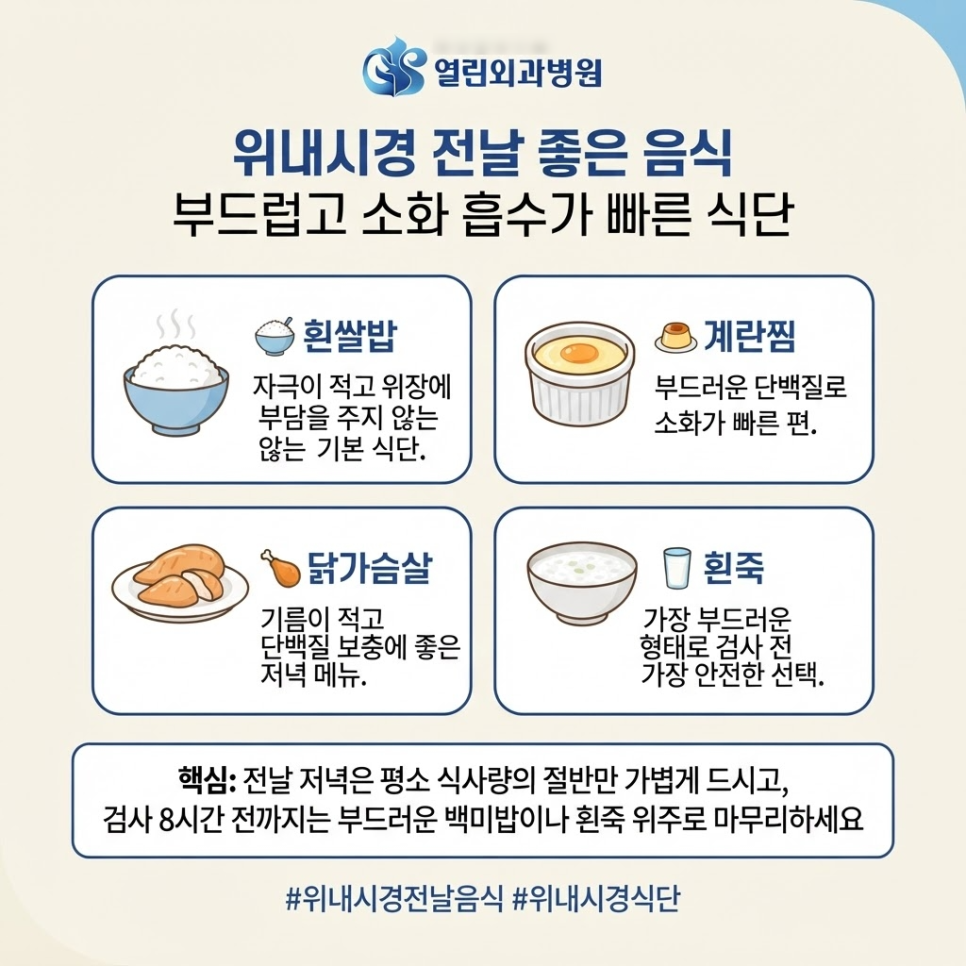
    To answer the question directly: rather than skipping dinner entirely, the safer choice is soft, easily digestible food before your endoscopy — about half of your usual portion.

    Food before endoscopy refers to a diet that digests quickly and doesn’t leave residue in your stomach.

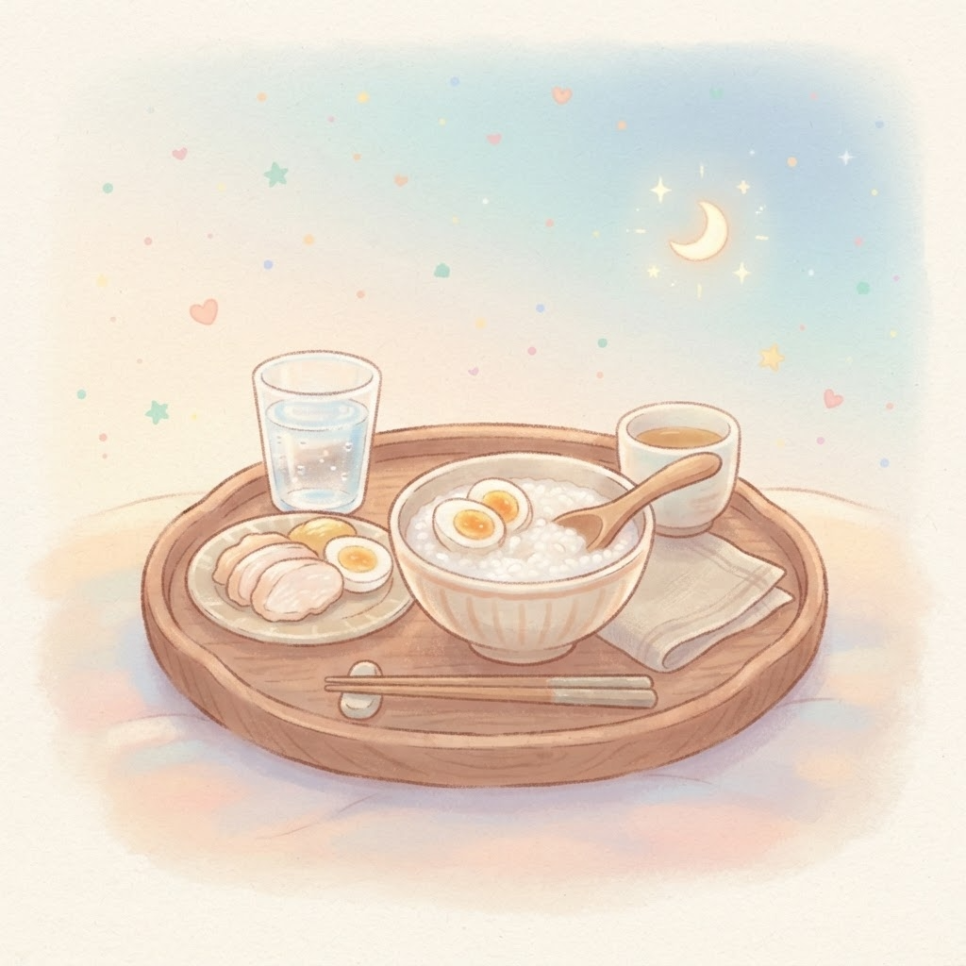
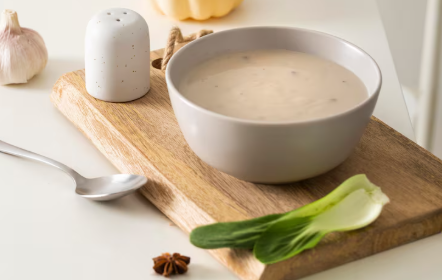
    Soft, mild foods such as white rice, steamed egg, or chicken breast are good options.

    Oily or chewy foods tend to stay in the stomach longer, so it’s best to avoid them.

    Eating your usual full portion can slow digestion, so reducing it to about half is the safer approach.

    food before endoscopy image 2

    • Soft grains such as white rice or rice porridge
    • Mild proteins such as steamed egg or tofu
    • Lean meats such as chicken breast or fish

    food before endoscopy image 3

    Key Point
    Keep dinner the night before light — about half your usual portion — and stick mainly to rice porridge or soft white rice.

    What Foods Should You Avoid the Night Before an Endoscopy?

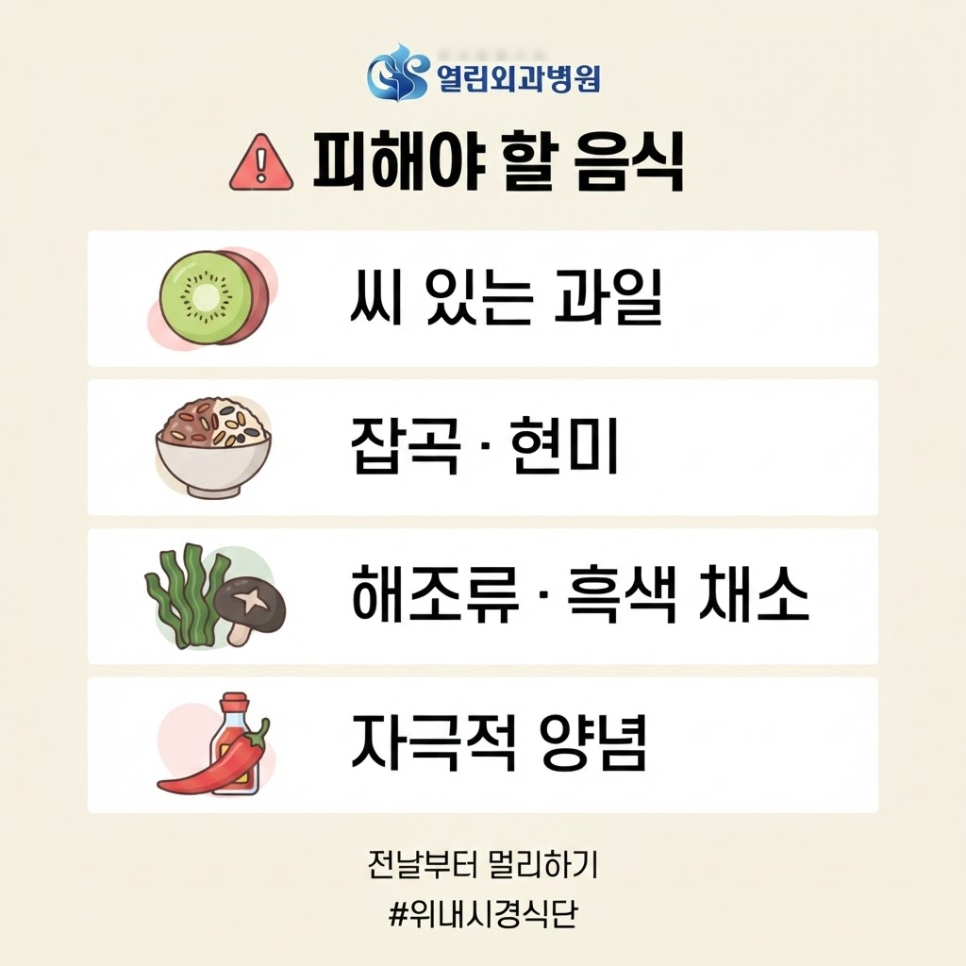
    Fruits with seeds, coarse grains, and spicy seasonings should be avoided the night before your exam.

    Foods to avoid are those that linger in the stomach or intestines and can obstruct the endoscopist’s view.

    Small-seeded fruits such as melon, kiwi, or grapes can remain in the intestines for a while.

    Coarse grains like multigrain rice, brown rice, or beans can also interfere with the exam view.

    Avoiding just these items may help support exam accuracy.

    Category Safe Foods Foods to Avoid
    Grains White rice, rice porridge Multigrain rice, brown rice, black rice
    Fruits & Vegetables Ripe banana Melon, kiwi, grapes, seaweed
    Seasoning Mild seasoning Red pepper flakes, gochujang, and other spicy seasonings

    food before endoscopy image 4

    Checklist
    ✅ Fruits with seeds (melon, grapes, tomatoes, etc.)
    ✅ Coarse grains such as multigrain rice, brown rice, or beans
    ✅ Seaweed (such as kelp) and dark-colored vegetables
    ✅ Spicy seasonings such as gochujang or red pepper flakes

    When Should Fasting Begin Before an Endoscopy?

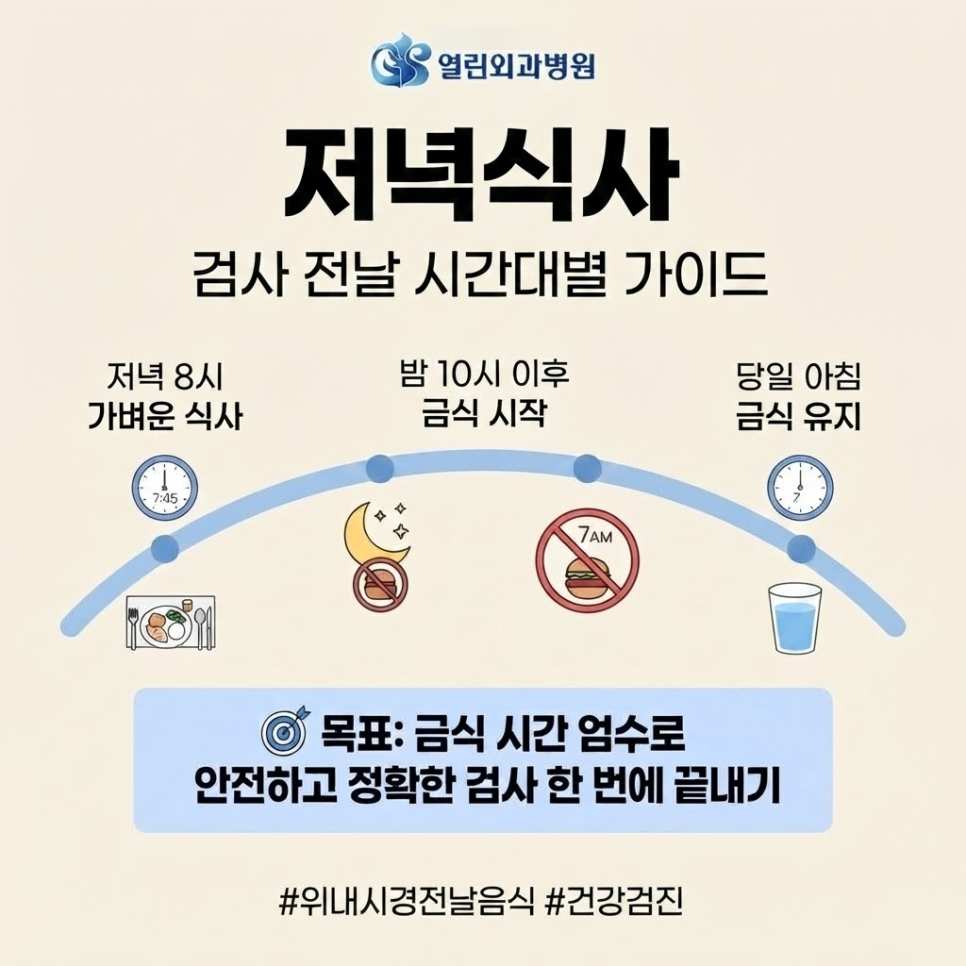
    Finish a light dinner before 8 p.m. the night before your exam, and fast completely — including water — after that.

    The fasting window refers to the period when you avoid even water so your stomach is fully empty before the procedure.

    Eating something like instant noodles late the night before can leave food in your stomach, which may mean the exam needs to be repeated.

    It’s recommended to finish eating before 8 p.m. and avoid water after that as well.

    Following this fasting window can help you complete the exam without needing a repeat visit.

    food before endoscopy image 5

    Caution
    Not following the fasting schedule can leave food in your stomach, which may interrupt the exam or require a repeat visit. Be sure to confirm the exact fasting time provided by your clinic.
    Key Point
    Eat a light dinner early the night before, and follow your clinic’s fasting instructions closely to help complete the exam on the first visit.

    Where Can You Get an Upper Endoscopy in Ansan?

    Once you’ve followed the right food and fasting guidelines before your endoscopy, the next step is having the procedure done by a qualified medical team.

    If you’re considering an upper endoscopy in Ansan, Gyeonggi-do, it’s worth checking whether the clinic has experience in digestive endoscopy.

    You can check the services and location on the [Ansan Yeollin Surgery Clinic] website.

    food before endoscopy image 6

    food before endoscopy image 7

    food before endoscopy image 8

    food before endoscopy image 9

    food before endoscopy image 10

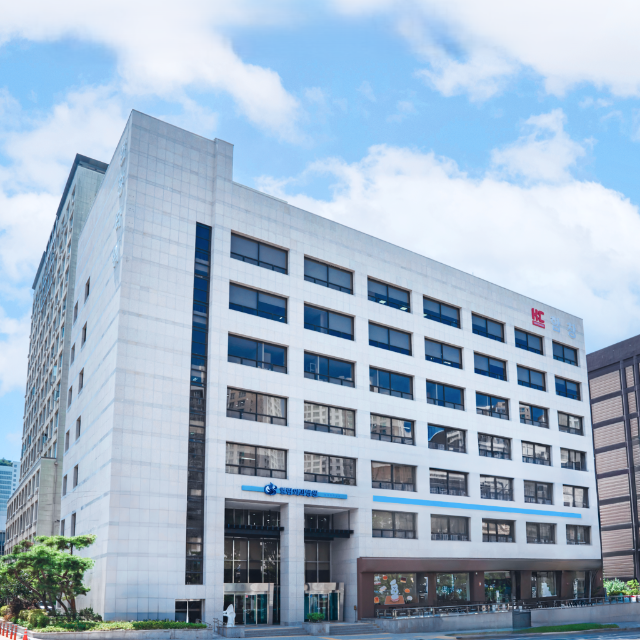
    Yeollin Surgery Clinic is located at 376 Hwarang-ro, Danwon-gu, Ansan-si, Gyeonggi-do (across from Ansan City Hall and Danwon Police Station).

    This article is not intended to recommend any specific procedure and is provided only for informational purposes about pre-exam diet.


    Frequently Asked Questions

    1. Is it okay to drink coffee or milk the night before?
    Answer: Dairy products like milk and dark-colored coffee can leave residue on the stomach lining, so it’s best to avoid them starting the night before your exam. Stick to plain water only.

    2. Can I take my regular blood pressure medication the night before or on the day of the exam?
    Answer: Essential medications such as blood pressure or heart medication are often taken early on the morning of the exam with a minimal amount of water. However, this varies by medication, so be sure to check with your doctor in advance.

    3. I’m very hungry the night before — can I have a small late-night snack?
    Answer: A late-night snack can leave food in your stomach, which may cause nausea or make it harder to get an accurate view during the next morning’s exam. Be sure to follow the fasting schedule.

    4. Until when can I drink water?
    Answer: Fasting typically begins the night before the exam, and water is often restricted as well. Please follow your clinic’s specific instructions.


    References

    · Korea Disease Control and Prevention Agency, “Upper Endoscopy,” National Health Information Portal. Source
    · National Health Insurance Service, “Health Checkup Guide,” 2025. Source
    · Kangbuk Samsung Hospital Health Promotion Center, “Endoscopy (Upper/Lower) Precautions.” Source

    This article is intended for general health information purposes only and is not a substitute for individual diagnosis or treatment. If you have symptoms, please consult a medical professional.