Tag: Sebaceous Cyst

  • Armpit Lump Causes: 4 Types and Warning Signs to Know

    Armpit Lump Causes: 4 Types and Warning Signs to Know

    SummaryMistaking an armpit lump for a simple pimple and squeezing it or ignoring it can lead to much higher treatment costs down the road. Understanding the main armpit lump causes can help you catch problems early. Explore the 4 possible causes — sebaceous cysts, lymphadenitis, accessory breast tissue, and lipomas — along with their warning signs and proper treatment options.

    While massaging your lymph nodes,
    have you ever touched your armpit
    and felt a hard lump underneath?

    Brushing it off as "just a big pimple"
    can sometimes lead to spiraling medical bills later.

    That’s because an armpit lump isn’t always a simple pimple —
    it can be a warning sign of a condition that needs treatment.
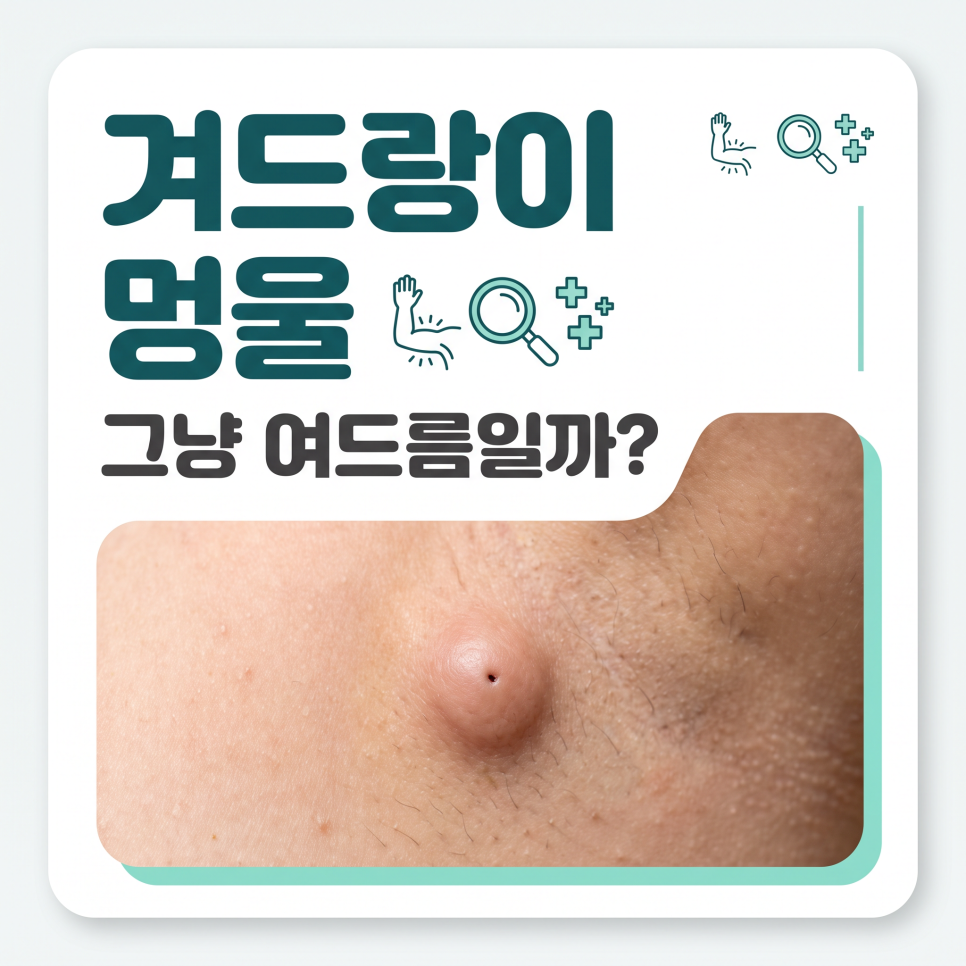
    armpit lump causes

    Key Takeaways
    An armpit lump can have many different causes, including sebaceous cysts, lymphadenitis, accessory breast tissue, and lipomas.
    It’s safest to monitor for pain and size changes and get an ultrasound exam for an accurate diagnosis.
    Some cases resolve on their own depending on the cause, but leaving it unchecked can increase the scope and cost of treatment.

    What Are the Main Armpit Lump Causes?

    To answer the question directly, armpit lump causes generally fall into one of four main categories.
    An armpit lump is a mass that forms in the skin or the tissue beneath it, and the right treatment depends entirely on its underlying cause.

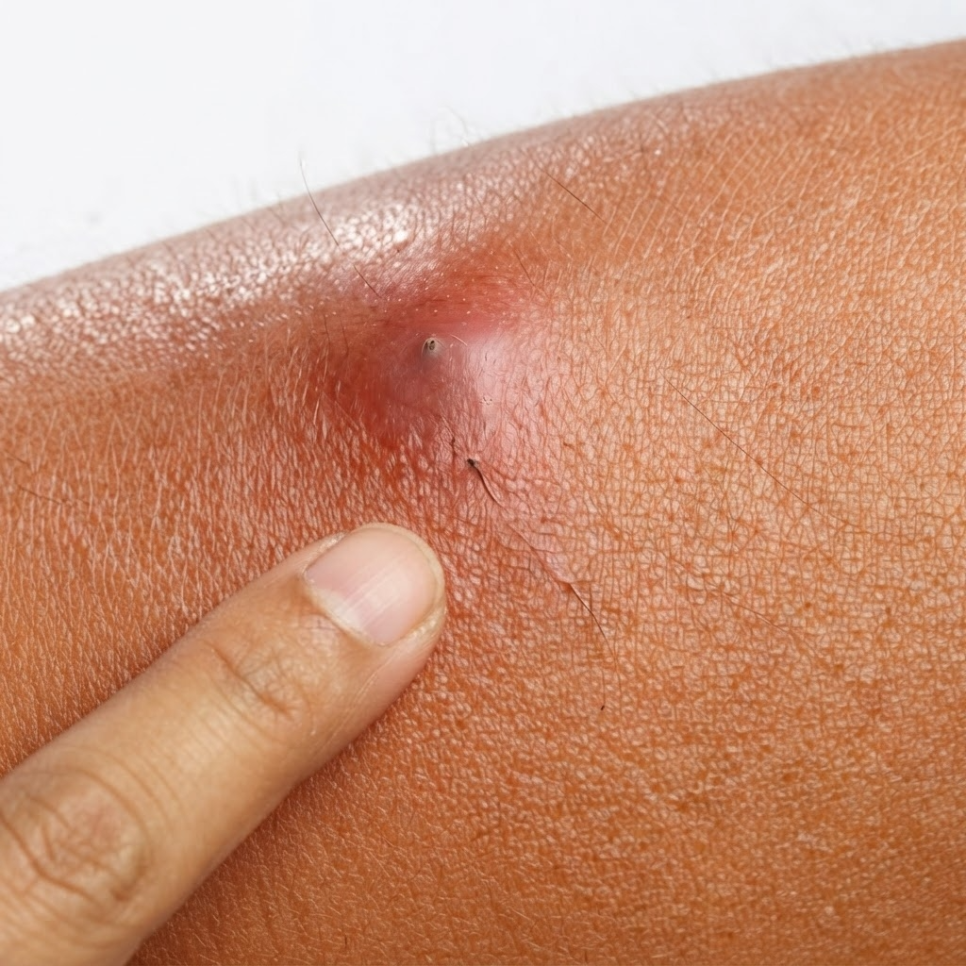
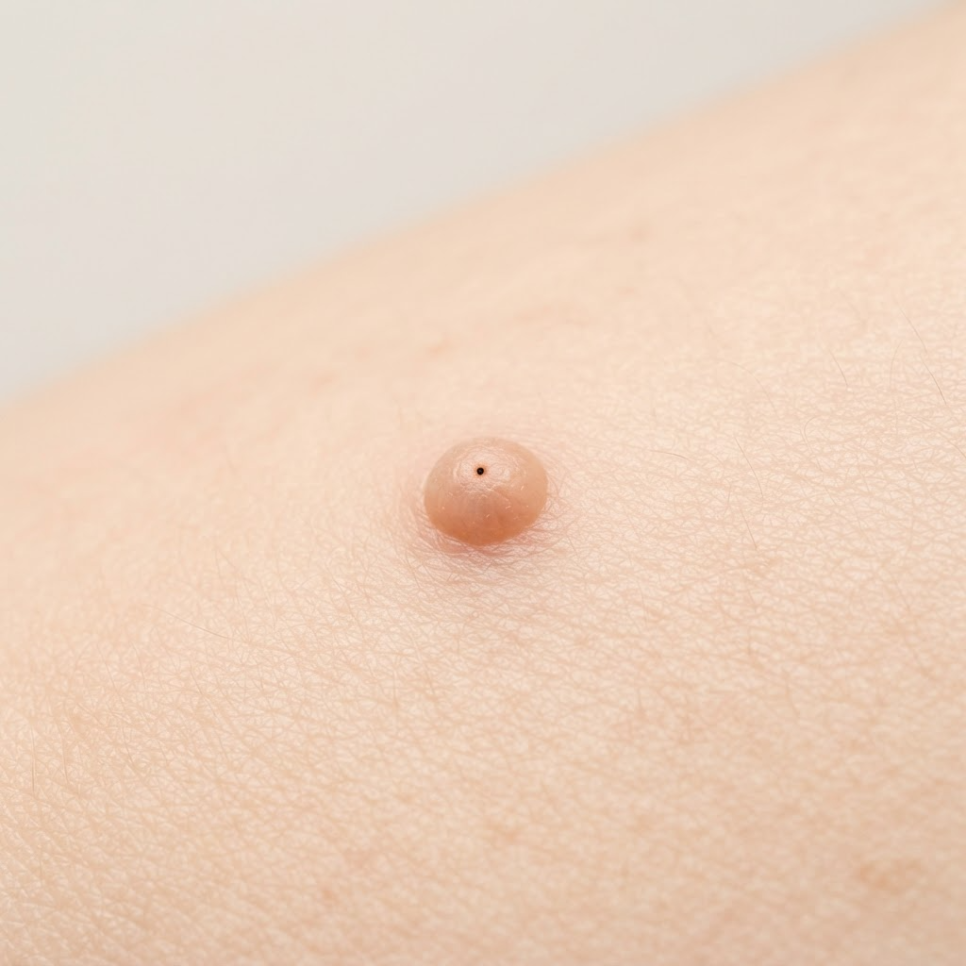
    A common cause is an epidermal cyst (sebaceous cyst), which forms when a hair follicle or sebaceous material builds up under the skin.
    According to Asan Medical Center’s disease encyclopedia, epidermal cysts typically grow slowly to about 1 to 5 cm and sometimes show a small central opening (punctum).
    Squeezing the cyst can release foul-smelling discharge, but doing so carelessly can worsen inflammation, so caution is needed.
    armpit lump related image 2

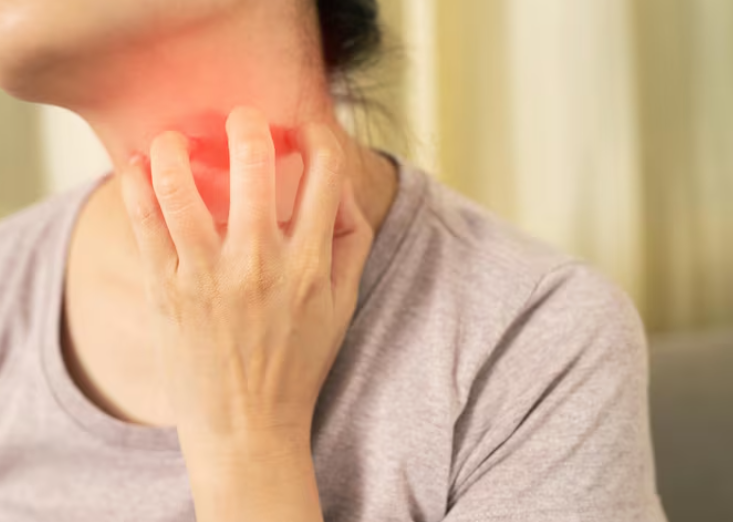
    The second cause is lymphadenitis (swollen lymph nodes), where the lymph nodes enlarge as part of an immune response.
    When the body reacts to a cold, weakened immunity, or internal inflammation, the lymph nodes swell and can be felt as a firm lump.
    Asan Medical Center describes lymphadenitis as "an immune response in which the lymph nodes enlarge due to infection or, less commonly, malignant tumors."
    armpit lump related image 3

    The third cause is accessory breast tissue, which occurs when mammary gland tissue remains in the armpit area.
    It develops when the "milk line" tissue running from the chest to the armpit during fetal development doesn’t fully regress, and its size and pain level change with the menstrual cycle and hormonal shifts.
    Finally, a soft, slow-growing, painless lipoma is another common cause.

    Type Characteristics Pain
    Epidermal/Sebaceous Cyst Close to skin surface, may discharge fluid Usually none
    Lymphadenitis Caused by immune response Painful when pressed
    Accessory Breast Tissue Size fluctuates with menstrual cycle Cyclical pain
    Lipoma Soft, slow-growing None
    Checklist
    ✅ Epidermal/Sebaceous cyst: Feels soft just beneath the skin and may discharge fluid
    ✅ Lymphadenitis: Occurs from an immune response and causes pain when pressed
    ✅ Accessory breast tissue: Residual mammary tissue that changes in pain and size with the menstrual cycle
    ✅ Lipoma: A soft, painless fatty lump that grows slowly

    Is a Painless Armpit Lump Safe to Ignore?

    No. In fact, a hard, painless lump deserves even more attention.
    A warning sign isn’t judged by how much it hurts, but by changes in the lump’s size, firmness, and whether it’s fixed in place.

    Warning Signs
    ⚠️ When it feels completely painless, hard, and fixed in place when touched
    ⚠️ When it gradually grows larger over time and nearby skin changes appear
    ⚠️ When fever, redness, or swelling around the armpit worsens
    • A normal lymph node is usually less than 1 cm in diameter, small, and moves freely.
    • When inflammation progresses, however, the lymph node adheres to surrounding tissue and becomes difficult to move.
    • If the size, firmness, or mobility changes, further testing should be considered.

    Lymph node enlargement occurs when the lymph nodes are infected or inflamed, or in cases involving a pus-filled abscess or cancer.

    The Korea Disease Control and Prevention Agency explains this through its National Health Information Portal, noting that localized lymph node enlargement accounts for 70 to 80 percent of all cases.
    Among these, swelling in the neck’s cervical lymph nodes is common, with the armpit and groin also being frequent sites.
    armpit lump related image 4

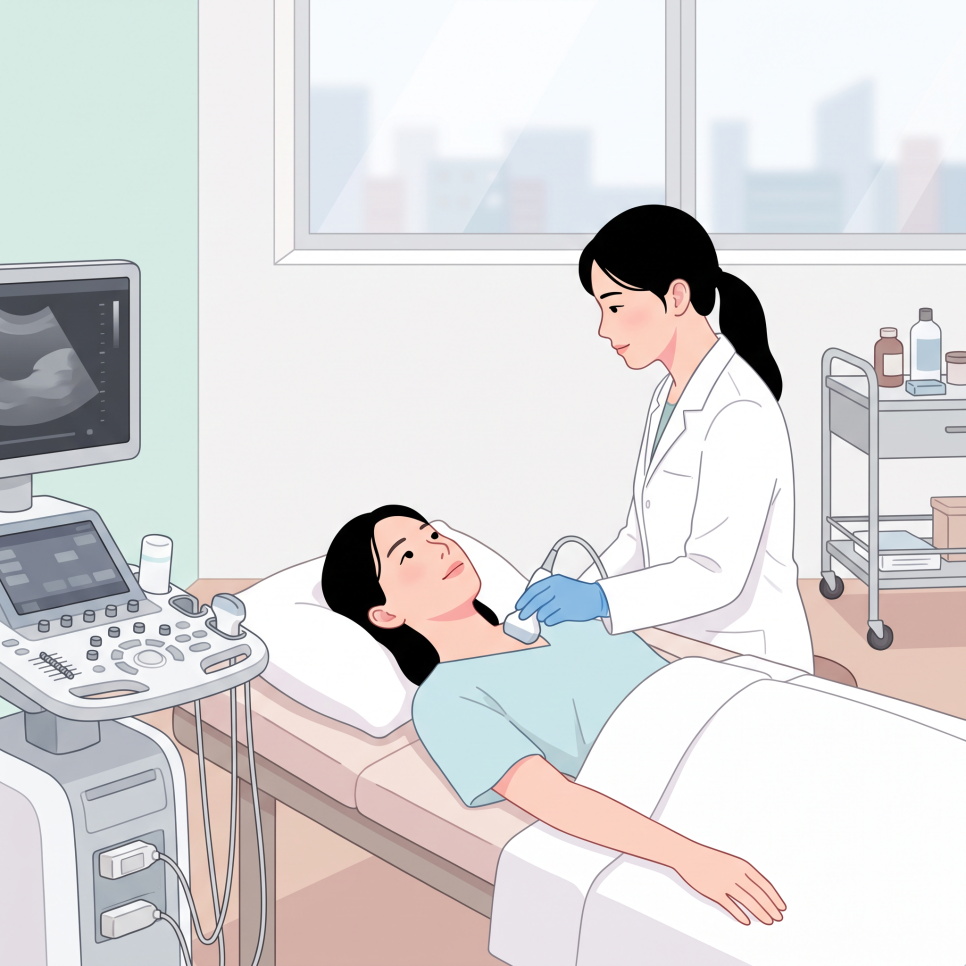
    A painless lump is more likely to be a chronic cyst or lipoma, but in rare cases further testing is necessary.
    That’s why confirming the diagnosis with an ultrasound exam is a safer choice than self-diagnosis.


    How Does Treatment Differ by Cause?

    Knowing the exact cause is key to reducing recurrence and complications.
    Treatment for an armpit lump ranges from simple monitoring to surgical removal, depending entirely on the underlying condition.

    1. Lymphadenitis: May improve with adequate rest and immune care alone; anti-inflammatory pain relievers or antibiotics may be prescribed if needed.
    2. armpit lump related image 5

    3. Sebaceous cyst (epidermal cyst): Avoid squeezing it by hand; having it surgically removed under local anesthesia, including the cyst wall, can lower the risk of recurrence.
    4. armpit lump related image 6

    5. Accessory breast tissue: Since hormones play a major role, periodic monitoring is the standard approach, and surgical removal of the glandular tissue may be considered if pain or discomfort significantly affects daily life.
    Outcome
    Identifying armpit lump causes accurately and managing them appropriately may help some cases avoid major surgery, depending on the underlying condition.
    However, we recommend discussing the diagnosis and treatment plan with a medical professional before making any decisions.

    If you’re concerned about a lump or wound on your skin — not just in the armpit — seeing a specialist is important.
    Burn Treatment Specialists – [Ansan Open Surgery Hospital] Homepage has more information on surgical care.


    Frequently Asked Questions

    1. Is it okay to keep touching an armpit lump to check on it?
    Answer: Bacteria on your hands can cause a secondary infection or worsen inflammation, so it’s best to avoid pressing on or repeatedly touching the lump.

    2. If an armpit lump doesn’t hurt, is it fine to just leave it alone?
    Answer: Even without pain, it could be a chronic cyst, lipoma, or another condition, so it’s safer to monitor any size changes and confirm the diagnosis with an ultrasound exam.

    3. Why does my armpit lump only hurt during my period?

    Answer: It’s likely accessory breast tissue responding to changes in female hormones. This tissue tends to temporarily swell and become painful in sync with the menstrual cycle, then subside afterward.

    4. Which specialist should I see for an armpit lump?
    Answer: Visiting a breast surgeon, general surgeon, or dermatologist allows for an accurate diagnosis using tools like ultrasound, along with guidance tailored to the cause.

    armpit lump related image 7


    References

    · Korea Disease Control and Prevention Agency, "Lymph Node Enlargement," National Health Information Portal. Link
    · Asan Medical Center, "Lymphadenitis," Disease Encyclopedia. Link
    · Asan Medical Center, "Epidermal Cyst," Disease Encyclopedia. Link
    · Health Kyunghyang, "[Accessory Breast Story] Accessory Breast Tissue Is a Real Medical Condition," 2023. Link

    This article is provided for general health information purposes only and is not a substitute for individual diagnosis or treatment. If you have symptoms, please consult a medical professional.
  • Epidermoid Cyst: 3 Reasons Not to Squeeze the Pus Yourself

    Epidermoid Cyst: 3 Reasons Not to Squeeze the Pus Yourself

    SummaryForcibly squeezing the pus out of an epidermoid cyst can rupture the cyst wall, leading to secondary infection and significant scarring. This guide covers what causes an epidermoid cyst, why you should never squeeze one yourself, how surgical excision works, and how to prevent recurrence.

    Have you ever had a lump that started giving off an odor and causing pain over a few days, decided a doctor’s visit felt like overkill, assumed it was just a pimple, and squeezed it yourself?

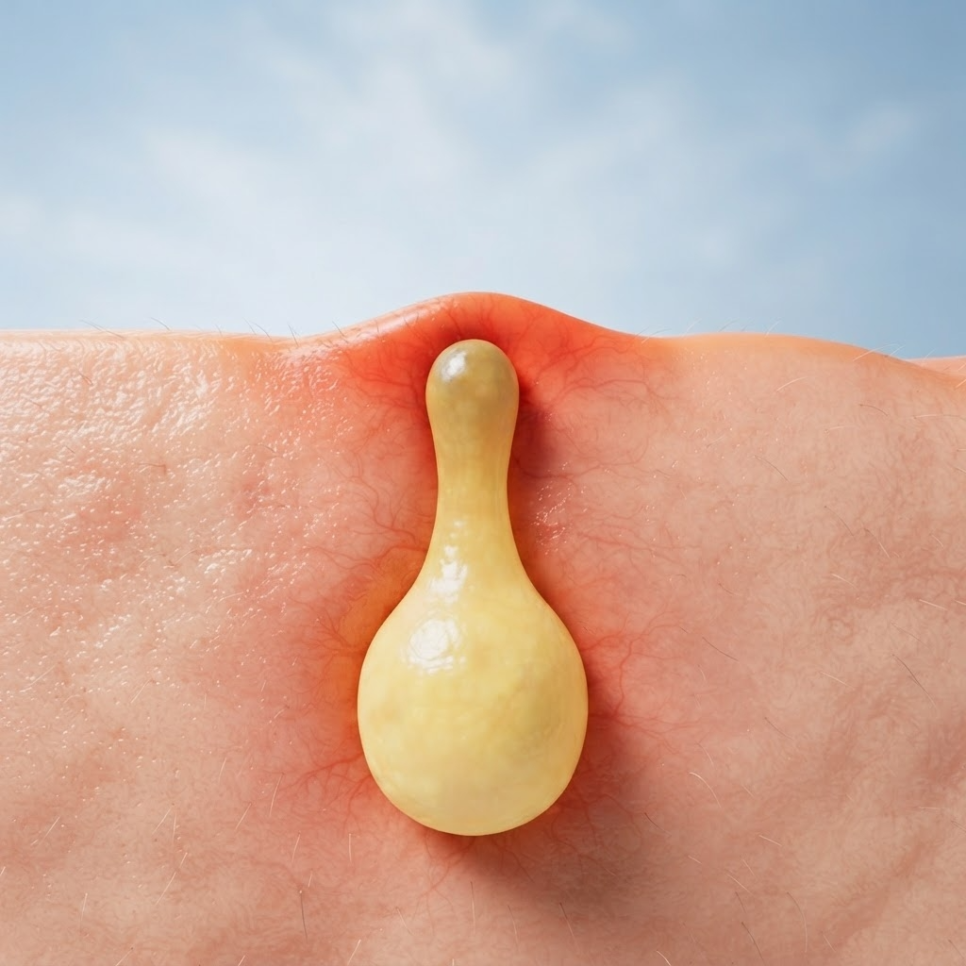
    In most cases, symptoms like this point to an epidermoid cyst — a small pocket that forms under the skin as dead skin cells build up.

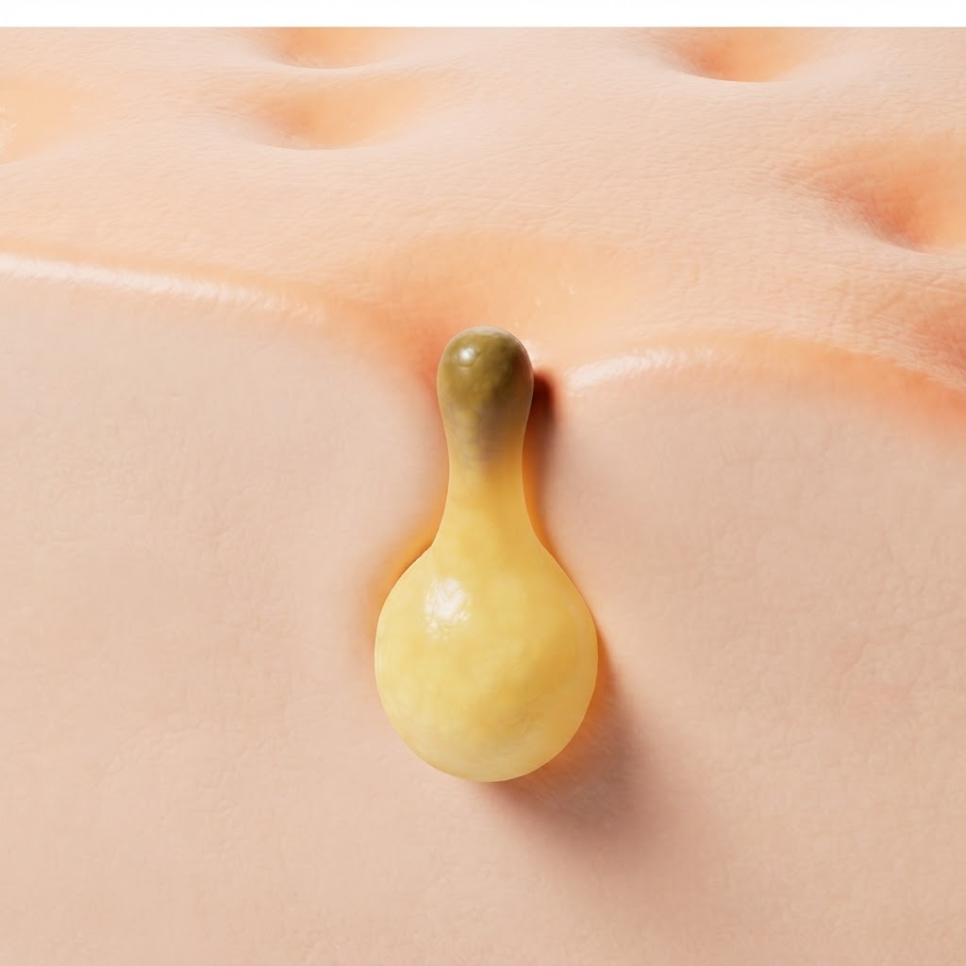
    Even if it looks like all the yellowish pus has drained out, the firm cyst sac usually remains intact beneath the skin.

    Some people brush off a small bump on their body, squeeze it themselves, and end up with much worse swelling as a result.

    Epidermoid cyst

    Quick Preview
    · An epidermoid cyst is a benign sac that forms when dead skin cells and keratin build up beneath the skin.
    · When bacteria infect the cyst, it can fill with pus (an inflamed epidermoid cyst), causing pain and a foul odor.
    · Squeezing it yourself can rupture the sac, leading to secondary infection and scarring — the inflammation needs to settle first, then the sac itself is generally removed through surgical excision, which may help reduce the chance of recurrence.

    Epidermoid cyst illustration 2

    What Is an Epidermoid Cyst?

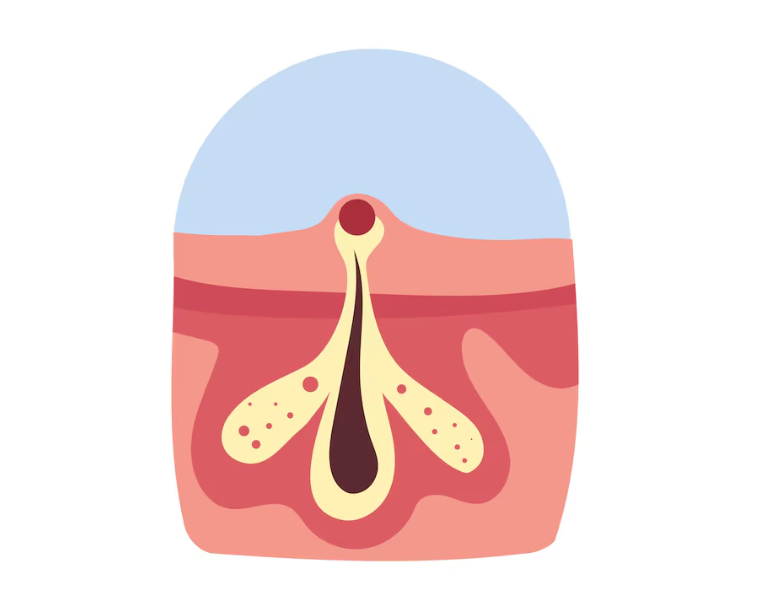
    An epidermoid cyst is a benign growth that forms when dead skin cells and waste material accumulate in a sac beneath the skin.

    An epidermoid cyst develops when epidermal cells become trapped beneath the skin’s surface, forming a sac that gradually fills with keratin, a protein found in skin cells.

    Skin normally goes through a constant cycle of shedding old cells and producing new ones.

    When epidermal cells become lodged beneath the skin for some reason, a sac forms at that spot and keeps filling with dead skin material.

    Epidermoid cyst illustration 3

    Over time, as the sac grows and bacteria invade it, the cyst can fill with pus, causing severe pain and a strong odor.

    This type of cyst doesn’t disappear on its own — as long as the sac wall remains, it tends to keep coming back.

    Epidermoid cyst illustration 4

    Key Point
    Why does it keep coming back? Even after the contents are squeezed out, if the sac wall (the cyst membrane) itself remains, it will refill with dead skin cells and keratin and grow larger again.

    What Are the Risks of Squeezing an Epidermoid Cyst Yourself?

    Squeezing the pus out of an epidermoid cyst by hand carries a high risk of secondary infection and scarring.

    Many people have mistaken it for a simple pimple, squeezed it hard, and watched it swell up almost immediately.

    Even though yellowish pus appears to drain out, the firm cyst sac usually remains intact beneath the skin.

    Epidermoid cyst illustration 5

    Strong pressure from squeezing can rupture the sac, pushing the waste material deep into the surrounding skin tissue.

    This can cause inflammation to spread rapidly, leaving nearby skin red and swollen, with worsening pain.

    The result is often a longer treatment period due to secondary infection, and even after healing, noticeable scarring can remain.

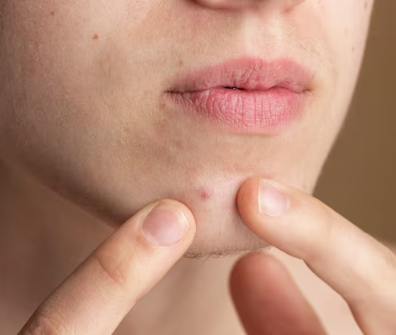
    According to sources such as Hidoc, cysts that form on the face are sometimes mistaken for acne and squeezed by hand, which can make the inflammation worse.

    Checklist
    ✅ Check whether the area around the lump is red and feels warm to the touch
    ✅ Press gently to see if there’s a sharp pain along with pus or discharge
    ✅ Watch for the lump growing larger or developing an odor
    ✅ Never try to force it open with your fingernails or a needle

    Epidermoid cyst illustration 6

    Caution
    Even if the lump temporarily shrinks after being squeezed, it can grow back over time if the sac remains. Don’t simply apply ointment on your own and leave it — keep monitoring your symptoms and seek care if they persist.

    How Is an Epidermoid Cyst Treated?

    The definitive treatment for this type of cyst is surgical excision, which removes the entire sac.

    If the cyst is already full of pus and severely inflamed, surgery right away may not be possible.

    In these cases, doctors typically start with antibiotics or partial drainage to calm the inflammation and reduce the pus first.

    Epidermoid cyst illustration 7

    Once the inflammation has settled sufficiently, the cyst wall and sac are cleanly excised.

    Some people put off surgery out of concern about scarring.

    However, having the cyst cleanly removed early on may help minimize scarring and lower the chance of recurrence.

    Stage Treatment
    Stage 1: Managing inflammation Antibiotics and partial drainage to relieve pain and reduce pus
    Stage 2: Surgical excision Complete removal of the cyst wall and sac under local anesthesia
    What to Expect After Surgery
    With proper medical guidance to control inflammation and fully remove the sac, patients may see a lower chance of recurrence and clearer-looking skin over time.

    If you’re concerned about skin issues like an epidermoid cyst or about scar management, you can find more information on the home page of Ansan Yeollin Surgery Hospital, which also provides burn treatment information.


    Frequently Asked Questions

    1. Can an epidermoid cyst rupture and disappear on its own?
    It may shrink temporarily as pus or discharge drains out, but in most cases the sac remains and the cyst grows back.

    2. Is surgical excision painful?
    The procedure is performed under local anesthesia, so patients generally feel relatively little pain during surgery.

    3. Is there a way to prevent epidermoid cysts?
    Keeping the skin clean and regularly managing dead skin buildup so pores stay clear can help.

    4. If an epidermoid cyst fills with pus, can it be treated with surgery right away?
    When inflammation is severe, immediate surgery is usually difficult. It’s common to first calm the inflammation with antibiotics before performing excision.


    References

    · Hidoc, “[Health Talk] A Lump on the Skin, the ‘Epidermoid Cyst’ — Is It Okay to Squeeze It Yourself?,” Hidoc, 2022. View source
    · Medical Today, “Removing an Epidermoid Cyst: How to Treat It Without Recurrence?,” Medical Today, 2025. View source


    This article is intended to provide general health information and is not a substitute for individual diagnosis or treatment. If you’re experiencing symptoms, please consult a physician.