Have you ever had a lump that started giving off an odor and causing pain over a few days, decided a doctor’s visit felt like overkill, assumed it was just a pimple, and squeezed it yourself?
In most cases, symptoms like this point to an epidermoid cyst — a small pocket that forms under the skin as dead skin cells build up.
Even if it looks like all the yellowish pus has drained out, the firm cyst sac usually remains intact beneath the skin.
Some people brush off a small bump on their body, squeeze it themselves, and end up with much worse swelling as a result.
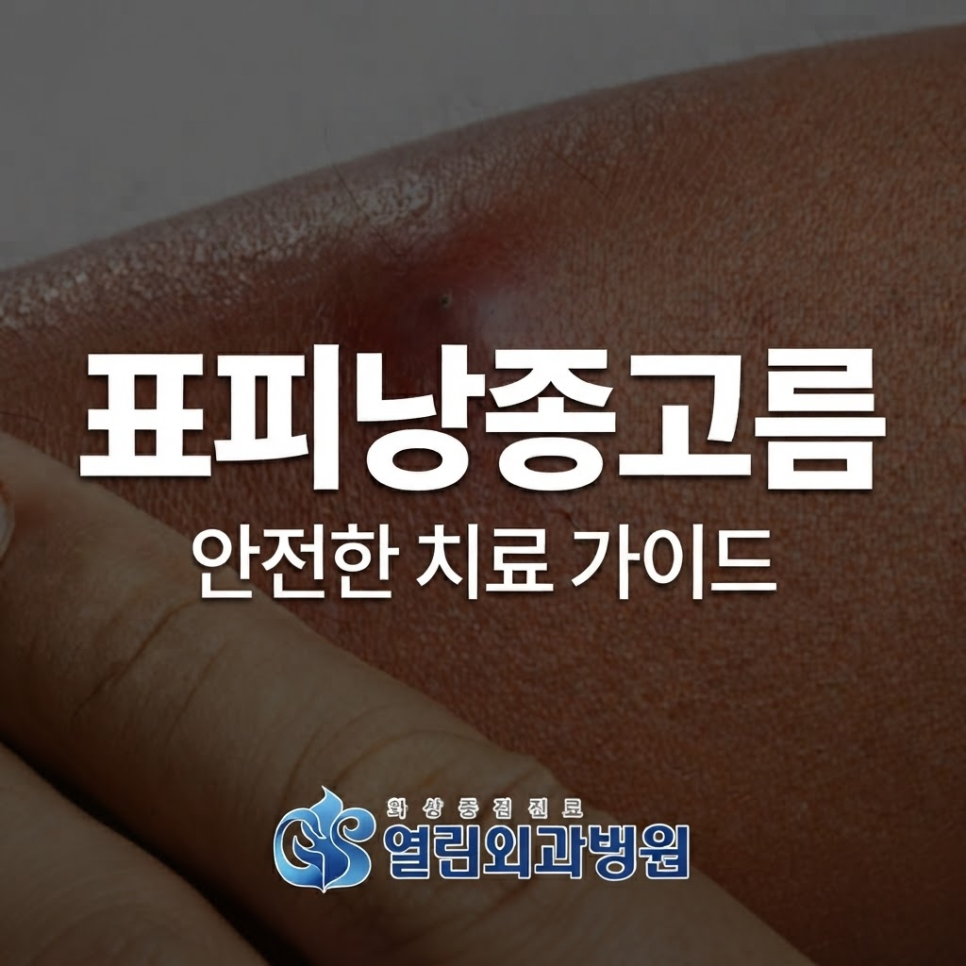
· An epidermoid cyst is a benign sac that forms when dead skin cells and keratin build up beneath the skin.
· When bacteria infect the cyst, it can fill with pus (an inflamed epidermoid cyst), causing pain and a foul odor.
· Squeezing it yourself can rupture the sac, leading to secondary infection and scarring — the inflammation needs to settle first, then the sac itself is generally removed through surgical excision, which may help reduce the chance of recurrence.
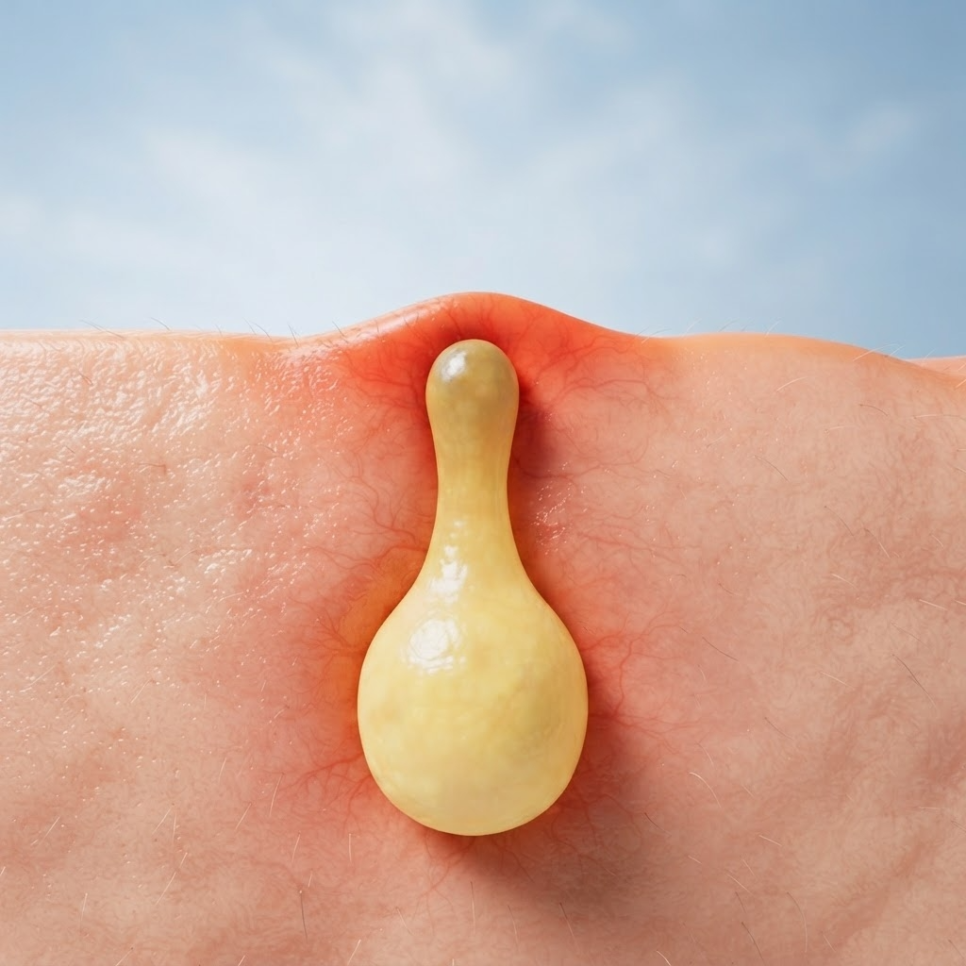
What Is an Epidermoid Cyst?
An epidermoid cyst is a benign growth that forms when dead skin cells and waste material accumulate in a sac beneath the skin.
An epidermoid cyst develops when epidermal cells become trapped beneath the skin’s surface, forming a sac that gradually fills with keratin, a protein found in skin cells.
Skin normally goes through a constant cycle of shedding old cells and producing new ones.
When epidermal cells become lodged beneath the skin for some reason, a sac forms at that spot and keeps filling with dead skin material.
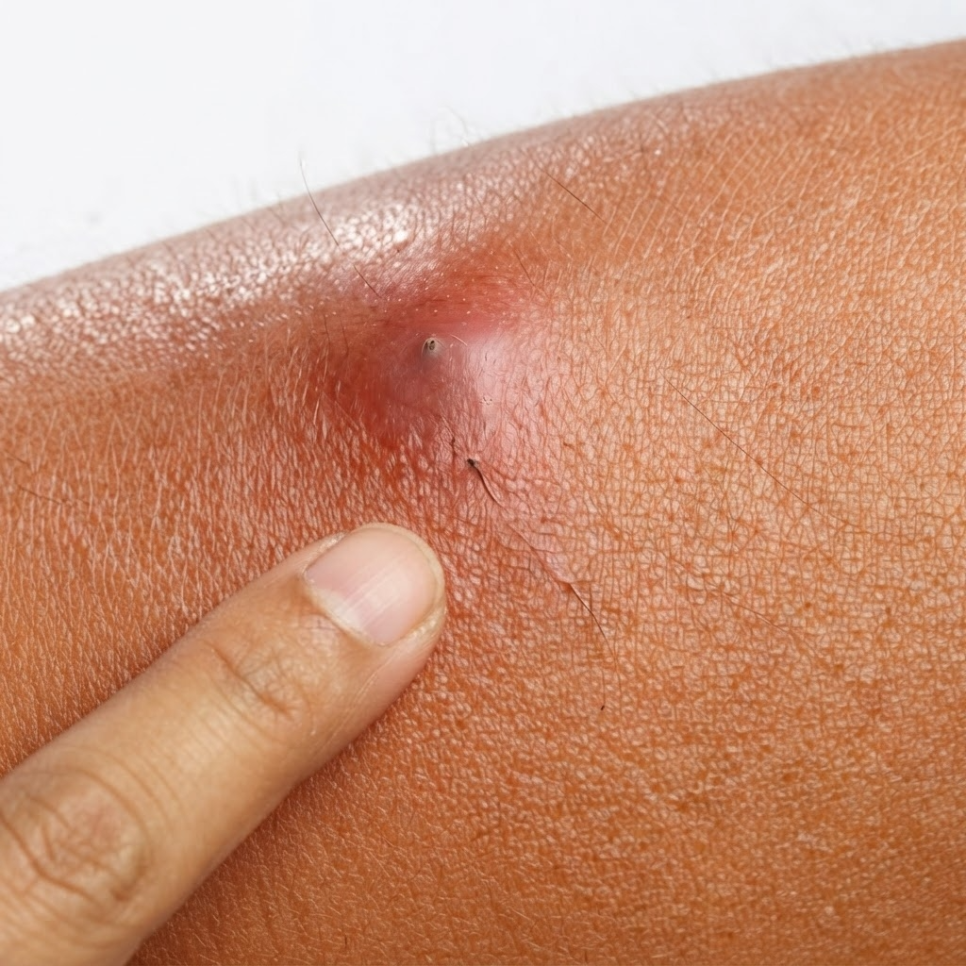
Over time, as the sac grows and bacteria invade it, the cyst can fill with pus, causing severe pain and a strong odor.
This type of cyst doesn’t disappear on its own — as long as the sac wall remains, it tends to keep coming back.
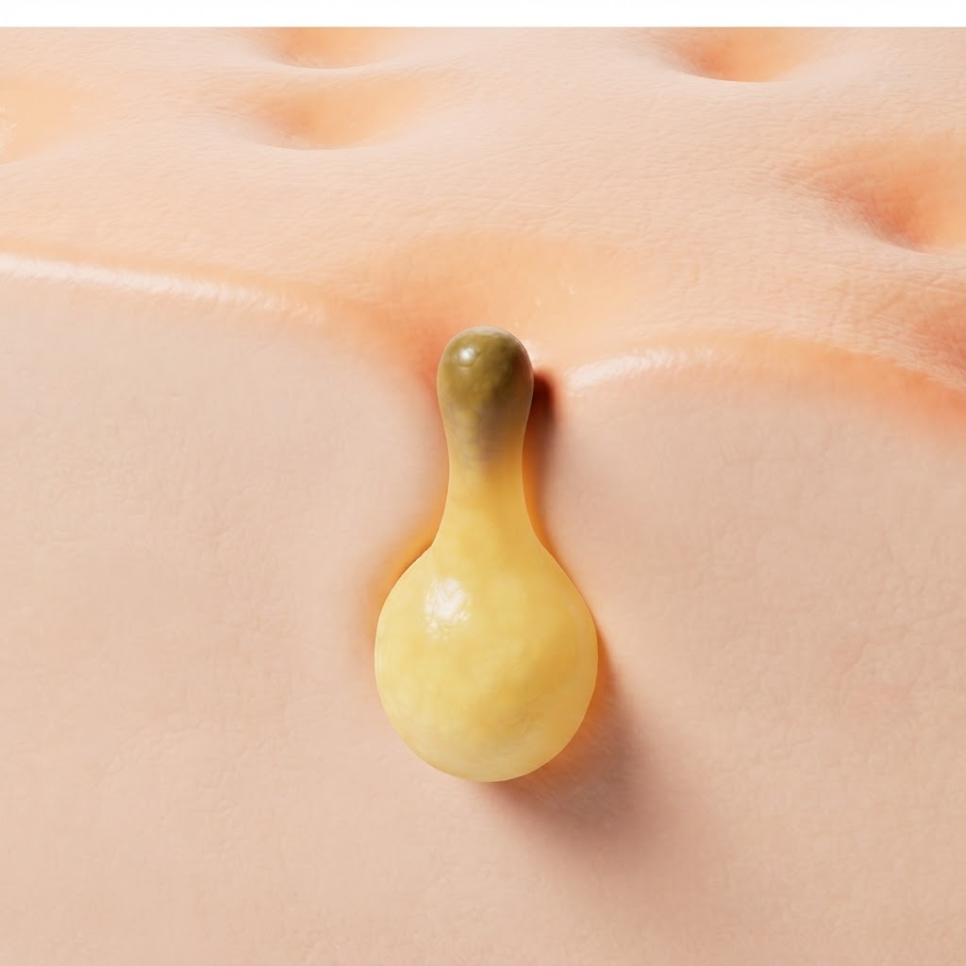
Why does it keep coming back? Even after the contents are squeezed out, if the sac wall (the cyst membrane) itself remains, it will refill with dead skin cells and keratin and grow larger again.
What Are the Risks of Squeezing an Epidermoid Cyst Yourself?
Squeezing the pus out of an epidermoid cyst by hand carries a high risk of secondary infection and scarring.
Many people have mistaken it for a simple pimple, squeezed it hard, and watched it swell up almost immediately.
Even though yellowish pus appears to drain out, the firm cyst sac usually remains intact beneath the skin.

Strong pressure from squeezing can rupture the sac, pushing the waste material deep into the surrounding skin tissue.
This can cause inflammation to spread rapidly, leaving nearby skin red and swollen, with worsening pain.
The result is often a longer treatment period due to secondary infection, and even after healing, noticeable scarring can remain.
According to sources such as Hidoc, cysts that form on the face are sometimes mistaken for acne and squeezed by hand, which can make the inflammation worse.
✅ Check whether the area around the lump is red and feels warm to the touch
✅ Press gently to see if there’s a sharp pain along with pus or discharge
✅ Watch for the lump growing larger or developing an odor
✅ Never try to force it open with your fingernails or a needle
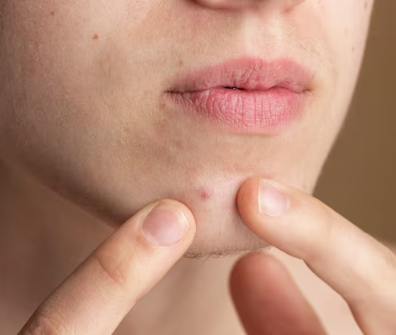
Even if the lump temporarily shrinks after being squeezed, it can grow back over time if the sac remains. Don’t simply apply ointment on your own and leave it — keep monitoring your symptoms and seek care if they persist.
How Is an Epidermoid Cyst Treated?
The definitive treatment for this type of cyst is surgical excision, which removes the entire sac.
If the cyst is already full of pus and severely inflamed, surgery right away may not be possible.
In these cases, doctors typically start with antibiotics or partial drainage to calm the inflammation and reduce the pus first.
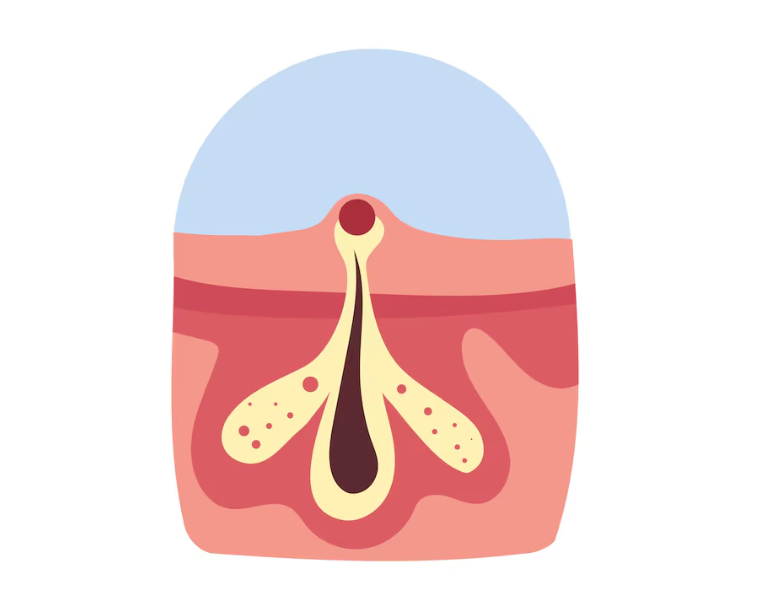
Once the inflammation has settled sufficiently, the cyst wall and sac are cleanly excised.
Some people put off surgery out of concern about scarring.
However, having the cyst cleanly removed early on may help minimize scarring and lower the chance of recurrence.
| Stage | Treatment |
|---|---|
| Stage 1: Managing inflammation | Antibiotics and partial drainage to relieve pain and reduce pus |
| Stage 2: Surgical excision | Complete removal of the cyst wall and sac under local anesthesia |
With proper medical guidance to control inflammation and fully remove the sac, patients may see a lower chance of recurrence and clearer-looking skin over time.
If you’re concerned about skin issues like an epidermoid cyst or about scar management, you can find more information on the home page of Ansan Yeollin Surgery Hospital, which also provides burn treatment information.
Frequently Asked Questions
1. Can an epidermoid cyst rupture and disappear on its own?
It may shrink temporarily as pus or discharge drains out, but in most cases the sac remains and the cyst grows back.
2. Is surgical excision painful?
The procedure is performed under local anesthesia, so patients generally feel relatively little pain during surgery.
3. Is there a way to prevent epidermoid cysts?
Keeping the skin clean and regularly managing dead skin buildup so pores stay clear can help.
4. If an epidermoid cyst fills with pus, can it be treated with surgery right away?
When inflammation is severe, immediate surgery is usually difficult. It’s common to first calm the inflammation with antibiotics before performing excision.
References
· Hidoc, “[Health Talk] A Lump on the Skin, the ‘Epidermoid Cyst’ — Is It Okay to Squeeze It Yourself?,” Hidoc, 2022. View source
· Medical Today, “Removing an Epidermoid Cyst: How to Treat It Without Recurrence?,” Medical Today, 2025. View source
This article is intended to provide general health information and is not a substitute for individual diagnosis or treatment. If you’re experiencing symptoms, please consult a physician.