There are moments when even sitting still in the same position can feel unbearable.
That’s exactly what it can feel like when the area around the anus becomes almost intolerably itchy during pregnancy.
It’s tempting to just tell yourself “it’ll go away once I give birth,” but each day can feel painfully long while you wait.
In fact, anal itching during pregnancy often isn’t just a minor skin issue — it’s frequently a sign of changes happening inside the body.
In this article, we’ll walk through the hormonal and circulatory causes behind anal itching during pregnancy, how to tell early hemorrhoid symptoms apart from ordinary itching, and safe sitz bath care methods you can try without medication.
We’ll also look at whether symptoms are likely to improve naturally after childbirth.

What Causes Anal Itching During Pregnancy?
Anal itching during pregnancy is a form of pruritus that develops when hormonal shifts and increased blood flow make the mucous membrane around the anus more sensitive.
In most cases, the underlying cause traces back to a pregnancy hormone called progesterone.
During pregnancy, progesterone levels rise sharply.
This hormone slows down bowel movement, which makes constipation more likely.
When constipation sets in, straining during bowel movements places extra pressure on the area and irritates the anal mucosa.

On top of that, the growing uterus presses on blood vessels near the pelvis, disrupting normal circulation.
This can lead to swollen veins — known as venous congestion — and as the skin stretches, it may cause intense itching or discomfort.
In fact, as the uterus expands during the third trimester, it often presses more forcefully on these veins, which can make symptoms worse.
During pregnancy, rising progesterone combined with pressure on pelvic blood vessels can slow bowel movement, cause constipation, and lead to venous congestion — together, these factors can contribute to both anal itching and hemorrhoids.

Could It Be More Than Itching? The Link to Hemorrhoids
Pregnancy-related hemorrhoids occur when pressure on the lower body and constipation cause the veins around the anus to expand, protrude, or become inflamed.
If the itching is simply from dryness, that’s a relatively mild cause — but in many cases, it can actually be an early sign of hemorrhoids.

If you notice a small amount of blood after a bowel movement, or feel something protruding, hemorrhoids may already be developing.
This is a symptom that some pregnant women experience, especially in the later stages of pregnancy.
Even so, many people put off addressing it simply out of embarrassment.
The longer it goes untreated, the more the discomfort tends to worsen, and it can carry over into greater discomfort after delivery — so early attention matters.
✅ Do you feel a lingering sense of incomplete emptying or heaviness around the anus after a bowel movement?
✅ Do you notice bright red blood when wiping, or a sense that something is there?
✅ Do you have sharp pain or itching that doesn’t go away even after scratching?
If two or more of these apply to you, it’s safer not to rely on self-care alone — consider seeing an OB-GYN or a colorectal specialist.
Safe Care Habits You Can Start Today
Sitz baths and lifestyle adjustments are commonly used conservative care options for pregnant women, who need to be cautious about medication, to help ease symptoms safely.
Even small changes in habit can make symptoms noticeably lighter.

A commonly recommended method is a warm-water sitz bath.
Soaking for just 5 to 10 minutes, 2 to 3 times a day, can help improve blood circulation and ease venous congestion.
That said, water that’s too hot can actually irritate the area further, so it’s best to keep the temperature close to body temperature.
After a sitz bath, drying the area completely is essential.
A damp environment can make itching worse, so gently pat the area dry with a soft towel or use a hair dryer on the cool setting.
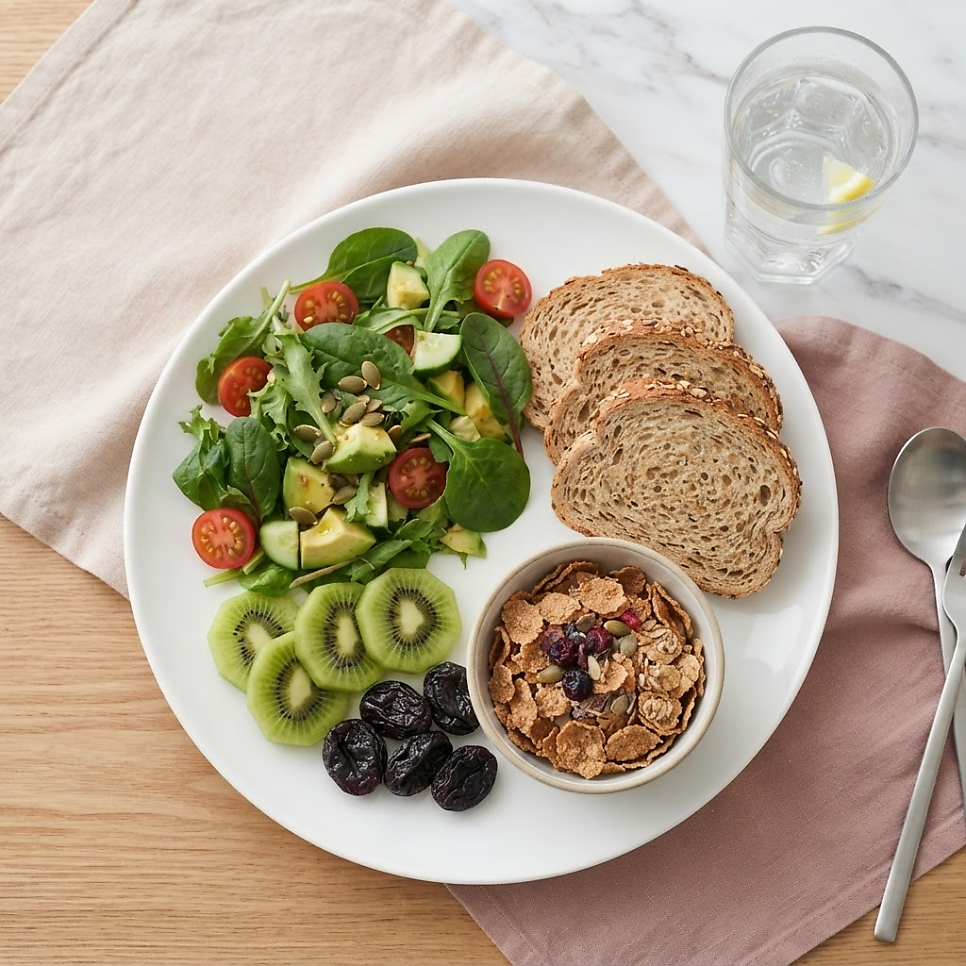
A fiber-rich diet and plenty of water to prevent constipation are also basic habits worth keeping up.
| Care Method | How To | Precautions |
|---|---|---|
| Sitz bath | Warm water, 2–3 times a day, 5–10 minutes | Avoid hot water; dry completely afterward |
| Diet | Fiber-rich foods, adequate water intake | Preventing constipation is key |
| Ointments/suppositories | Use only as prescribed by your doctor | Never purchase or use on your own |
Consistently practicing warm-water sitz baths along with thorough drying may help reduce venous congestion around the anus and ease itching.

Does Anal Itching Go Away After Giving Birth?
In short, symptoms improve naturally after childbirth for many people, but they don’t disappear on their own for everyone.
After delivery, progesterone levels return to normal and pelvic pressure is relieved, which often reduces venous congestion as well.
However, if hemorrhoids had progressed significantly by late pregnancy or were left untreated for a long time, pain or itching can continue after delivery.
In that case, it’s a good idea to keep up sitz baths and dietary management during postpartum recovery, and if symptoms persist for more than 4 to 6 weeks, seeing a colorectal specialist is recommended.
Whether during pregnancy or after delivery, consulting a specialist rather than simply enduring the symptoms may support a smoother recovery.
If anal pain or bleeding keeps recurring, it’s easy to confuse hemorrhoids with an anal fistula, but the two conditions have different causes and treatment approaches.
If you’d like to learn more about related symptoms, you’re welcome to check the colorectal care information at [Ansan Yeolin Surgical Hospital] Home.
Frequently Asked Questions
1. If I have anal itching during pregnancy, does that automatically mean I have hemorrhoids?
Not necessarily — but it’s often an early symptom caused by dilated blood vessels. If symptoms persist, it’s safer not to ignore them and to consult an OB-GYN or colorectal specialist.
2. Is it safe to use an ointment during pregnancy, or could it affect the baby?
Some ointments and suppositories prescribed specifically for pregnant women are considered relatively safe. That said, never buy and apply one on your own — always consult your doctor and use only what’s prescribed.
3. How many times a day should I do a sitz bath?
Generally, 2 to 3 times a day — for example, morning and evening — is appropriate. Doing it gently after a bowel movement can help too. Keeping each session under 10 minutes helps reduce skin irritation.
4. Will this itching and hemorrhoids go away on their own after I give birth?
In many cases, symptoms improve naturally once hormone levels return to normal and pelvic pressure is relieved after delivery. That said, depending on severity, some continued postpartum care may still be needed.
5. What’s the most basic habit for preventing anal itching during pregnancy?
A fiber-rich diet and drinking enough water to prevent constipation are the most fundamental steps. Avoiding long periods of sitting and making warm-water sitz baths a regular habit can help as well.
References
· Cleveland Clinic, “Hemorrhoids While Pregnant: Causes & Treatment,” Cleveland Clinic, 2023. Read more
· Abd El Naby S. A. et al., “Hemorrhoids during pregnancy: Sitz bath vs. ano-rectal cream: A comparative prospective study of two conservative treatment protocols,” Women and Birth (PubMed), 2017. Read more
· Korea Disease Control and Prevention Agency (KDCA), “Anal Itching,” National Health Information Portal, 2023. Read more
This article is intended for general health information purposes only and is not a substitute for individual diagnosis or treatment. If you’re experiencing symptoms, please consult a medical professional.