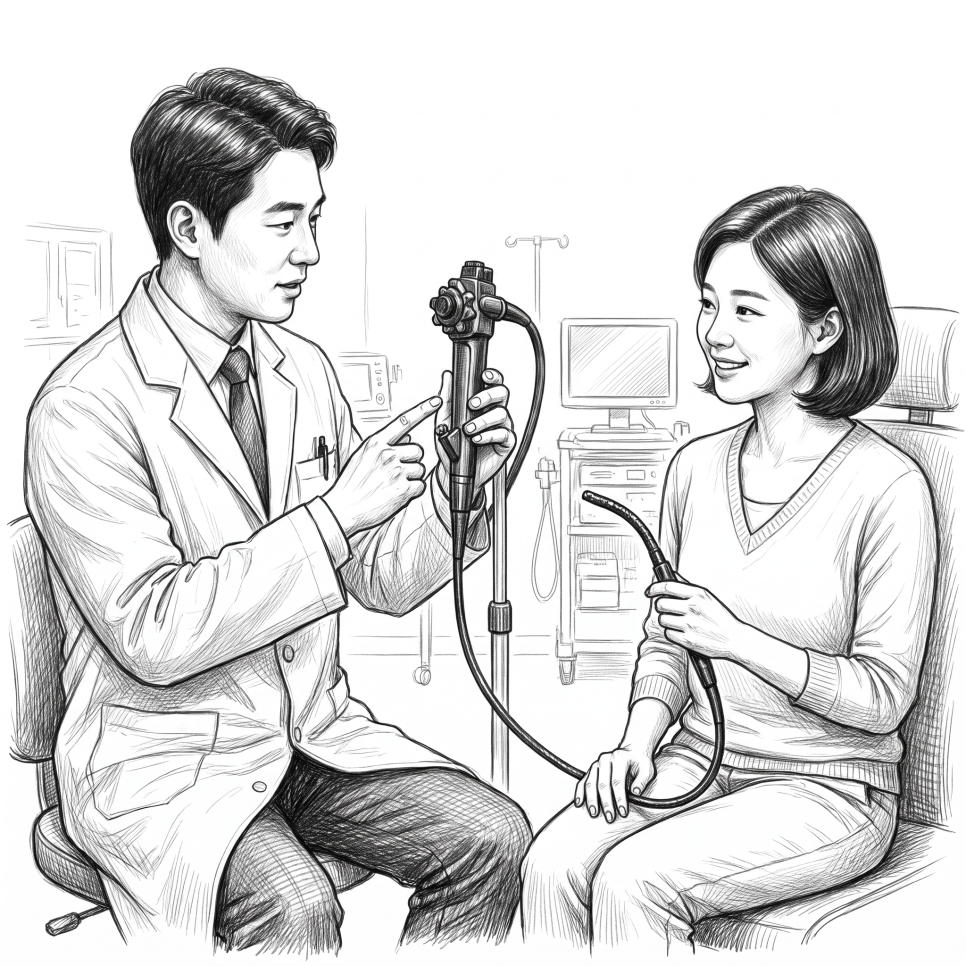
Have you ever hesitated on a health screening booking page, unsure whether to schedule an upper endoscopy or a colonoscopy first?
Getting them separately means two trips to the clinic, while getting them together might make you worry about the strain on your body.
In fact, a same-day endoscopy and colonoscopy can be performed safely for most adults, as long as the preparation steps are followed correctly.
This article explains, step by step, why a same-day endoscopy and colonoscopy is medically possible, what its benefits and precautions are, how to prepare for bowel prep beforehand, and what to do if you’re taking blood thinners.
Based on the standards used at real screening centers, it brings together the questions people preparing for this exam ask most often.


Can You Get a Same-Day Endoscopy and Colonoscopy?
To answer directly: yes, having an upper endoscopy and colonoscopy on the same day, under a single sedation session, is medically well established.
A same-day endoscopy and colonoscopy is an exam approach in which the upper endoscopy and colonoscopy are performed back-to-back within a single day’s appointment.
This is a method recommended at many screening centers, and its biggest advantage is that you only need to go through fasting and bowel prep once.
In practice, the typical order is to perform the upper endoscopy first, followed by the colonoscopy.
Because the scopes used for each exam are designed with different diameters and lengths, equipment mix-ups are generally avoided, allowing each exam to proceed in sequence.
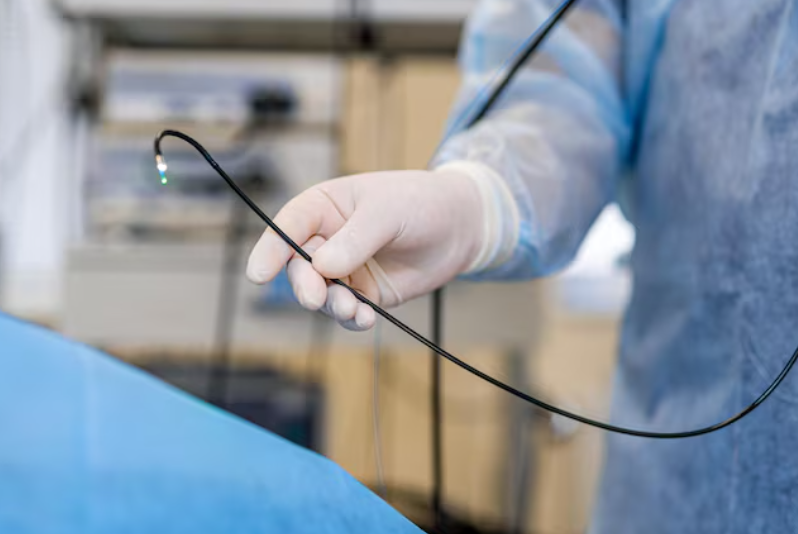
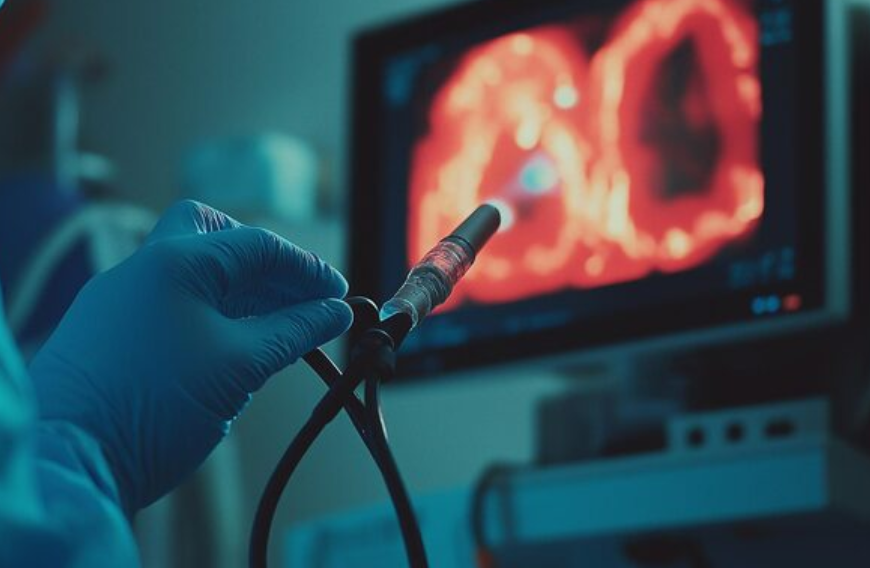
・When both exams are combined, sedation is administered only once.
・You save on recovery time, so everything can be completed in a single day.
・The upper endoscopy takes about 5 minutes, and the colonoscopy takes about 15 minutes.
What Are the Benefits and Precautions of a Combined Exam?
The biggest advantage is efficiency, but the physical strain involved must also be considered.
The key benefit of a combined exam is that a single sedation session covers both procedures, saving recovery time.
For working professionals who find it hard to take multiple days off, being able to finish everything in one day is especially appealing.
That said, taking bowel prep solution for the colonoscopy can be more taxing on the body than many people expect.

Because bowel prep causes significant fluid loss, older adults or those with underlying health conditions should consult thoroughly with their care team before deciding.
If you’re elderly or have a heart condition that makes a longer procedure time a concern, it may be safer to split the exams into separate sessions rather than combining them.
✅ Check whether you’re taking any regular medications (especially blood thinners)
✅ Confirm you’ve taken all of your bowel prep solution on schedule
✅ Arrange for a companion to accompany you on exam day
✅ Make sure you’ve set aside enough rest time after the exam
How Should You Prepare for Bowel Prep Before a Combined Exam?
The accuracy of the exam depends heavily on how thoroughly the bowel is cleared.
Bowel prep is the preparatory process of completely clearing stool from the colon so its lining can be clearly observed.
If bowel prep isn’t done properly, residual stool can obscure small lesions, increasing the risk that they’ll be missed.
Clinical reports have noted that polyp detection rates can drop when dietary restrictions weren’t followed or the prep solution wasn’t fully taken.
That’s why it’s important to follow your fasting schedule and medication instructions as closely as possible.
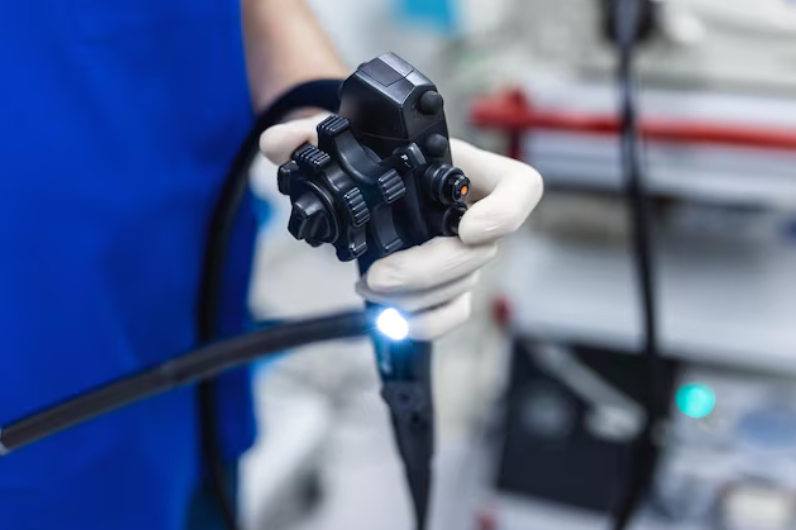
If the taste of the prep solution is hard to get through, many newer formulations have improved flavor, so it’s worth asking your clinic in advance.
Above all, don’t forget that eating a light meal and staying well hydrated the day before the exam matters too.
Thoroughly clearing the bowel can help shorten the length of the exam.
With less time needed for the scope to remain in the colon, this can also help reduce post-exam pain or discomfort.
What If You’re Taking Blood Thinners or Blood Pressure Medication?
If you’re taking any medication, don’t stop it on your own — always consult your care team before the exam.
Blood thinners are medications that help prevent blood from clotting by inhibiting clot formation.
According to clinical practice guidelines from the Korean Society of Gastrointestinal Endoscopy, when a low-risk procedure is planned, patients are advised to continue taking blood thinners, including aspirin, rather than stopping them on their own.
However, if you’re on dual antiplatelet therapy or a higher-bleeding-risk procedure is planned, the timing for stopping medication may differ, so it’s essential to confirm your clinic’s specific guidance beforehand.
Blood pressure medication can often still be taken with a small amount of water on the morning of the exam, but this guidance can also vary by clinic.
Never stop or adjust blood thinners or anticoagulants on your own.
Always consult your prescribing physician and the screening care team beforehand to decide whether to continue taking them.
Regular screening lays the groundwork for responding quickly even in unexpected situations.
If you’re curious about other health-related information, you can also check out the Ansan Yeollin Surgery Hospital home page, which provides information on burn treatment.
Frequently Asked Questions
1. Will I wake up during a sedation endoscopy?
Most patients receive an appropriate dose of sedative, so you’ll feel little to no pain during the exam. Some people may retain a faint memory afterward depending on individual response, but this generally isn’t a cause for concern.
2. Can I eat right after the exam?
If a biopsy was taken during the upper endoscopy, it’s safer to wait about 1–2 hours and start with soft foods. Right after the exam, gentle foods like porridge are recommended.
3. I’m taking blood pressure medication — what should I do on exam day?
It’s often fine to take it with a small amount of water early in the morning, but guidance varies by clinic, so be sure to consult your care team beforehand.
4. Why are the upper endoscopy and colonoscopy sometimes done separately?
If you’re elderly or have a heart condition that makes a longer procedure time a concern, splitting the exams into separate sessions can be the safer option.
5. How long does a same-day endoscopy and colonoscopy take?
The upper endoscopy takes about 5 minutes and the colonoscopy about 15 minutes; including preparation, the whole process typically takes around 30 minutes in total.

References
・ Korean Society of Gastrointestinal Endoscopy, “Clinical Practice Guideline for Antithrombotic Agent Use Before and After Gastrointestinal Endoscopic Procedures,” The Korean Journal of Gastroenterology, 2024. View source
・ Hidoc, “‘Is It Okay to Get an Upper and Lower Endoscopy at the Same Time?’ — Common Questions About Endoscopy,” Hidoc interview. View source
・ Hidoc, “‘Reducing the Burden with Sedation Endoscopy and Combined Exams’ — How Older Adults Can Get Screened Safely,” Hidoc interview. View source
This article is intended to provide general health information and is not a substitute for individual diagnosis or treatment. If you have symptoms, please consult a physician.