Many people notice a little blood on the tissue
and think, “I’ve probably just been tired and my hemorrhoids flared up again,”
brushing it off without much concern.
But if bleeding and pain continue for weeks
even after using ointment and medication, that’s a different story.
It can look so similar to hemorrhoids that even specialists
sometimes mistake it in the early stages — these are anal cancer symptoms.

Anal cancer symptoms typically appear as dark-colored bleeding (rather than bright red), a persistent feeling of incomplete evacuation, a hard lump near the anus, and changes in bowel habits — and because they look similar to hemorrhoids, they’re easy to mistake for them.
According to 2023 national cancer registry statistics, anal cancer is rare, accounting for just 0.1% (365 cases) of all cancer diagnoses. Still, if symptoms persist for more than 2 weeks despite hemorrhoid treatment, you should see a specialist.
What Exactly Is Anal Cancer?
To put it simply, anal cancer is a malignant tumor that develops in the anal canal and the skin around the anus.
Unlike colorectal cancer, it’s a condition many people have never even heard of, but it is a documented disease.
Here’s how South Korea’s National Cancer Information Center defines it.
Anal cancer is a malignant tumor (cancer) that develops in the anus. It is a rare cancer, typically diagnosed around age 60.
The center adds that squamous cell carcinoma and cloacogenic carcinoma are the most common types.
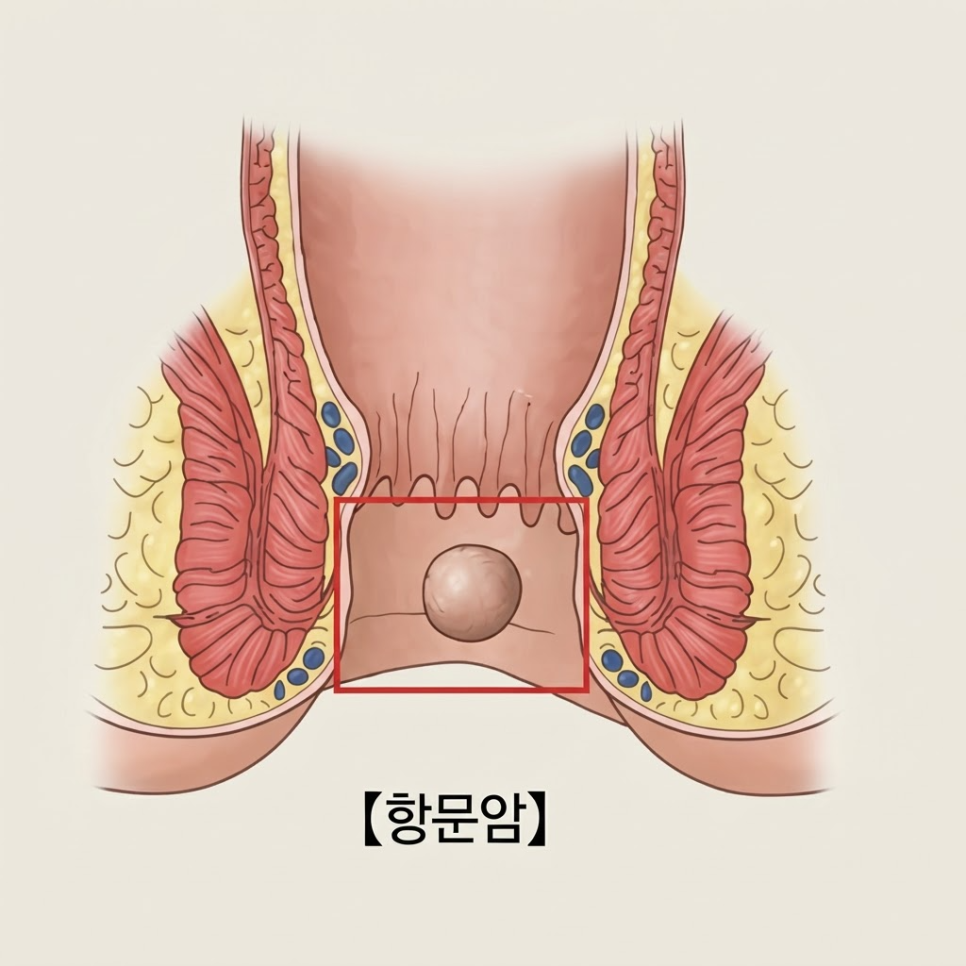
Because it’s located at the very end of the digestive tract, a tumor here tends to cause noticeable changes in bowel movements right away.
Depending on where it develops, it can also start out as a small lump or as a sore that doesn’t heal easily.
· According to 2023 national cancer registry statistics, anal cancer accounted for 365 cases, or 0.1% of all cancer diagnoses.
· The crude incidence rate was 0.7 cases per 100,000 people, according to the same statistics.
· By age group, people in their 60s made up 32.3% of cases, the largest share, followed by those in their 70s and 50s.
· By sex, there were 224 cases in women and 141 in men, meaning the condition was somewhat more common in women according to this data.
How Do You Tell Anal Cancer Symptoms Apart From Hemorrhoids?
The point that trips up the most people is telling this apart from hemorrhoids (piles).
In short, anal cancer symptoms often differ from hemorrhoids in the color of the bleeding and how long it lasts.
Typical hemorrhoids usually cause bright red bleeding along with pain.

Anal cancer symptoms, on the other hand, tend to show a somewhat different bleeding pattern.
Dark-colored blood mixed into the stool, or a persistent sense of something foreign in the area, are common features.

If you have an ongoing feeling of incomplete evacuation even after a bowel movement, or you feel a hard lump around the anal opening, it’s hard to assume it’s just hemorrhoids.
🚨 Warning Signs You Shouldn’t Ignore
- Pain and bleeding continue even with hemorrhoid medication or other treatment
- A sudden change in bowel habits (frequent diarrhea or severe constipation)
- A lump you can feel in the lymph nodes around the anus or groin
- Unexplained weight loss along with an ongoing feeling of incomplete evacuation
The table below summarizes the differences between the two conditions.
| Category | Hemorrhoids | Anal Cancer Symptoms |
|---|---|---|
| Bleeding color | Bright red | Dark-colored, mixed with mucus |
| Pain | Sharp pain during bowel movements | Dull pain or no symptoms |
| Lump | Soft; can be pushed back in | Hard; gradually grows larger |
| Duration | Improves within days to weeks with treatment | Persists over 2 weeks despite treatment |
What Causes Anal Cancer, and What’s on the Self-Check Checklist?
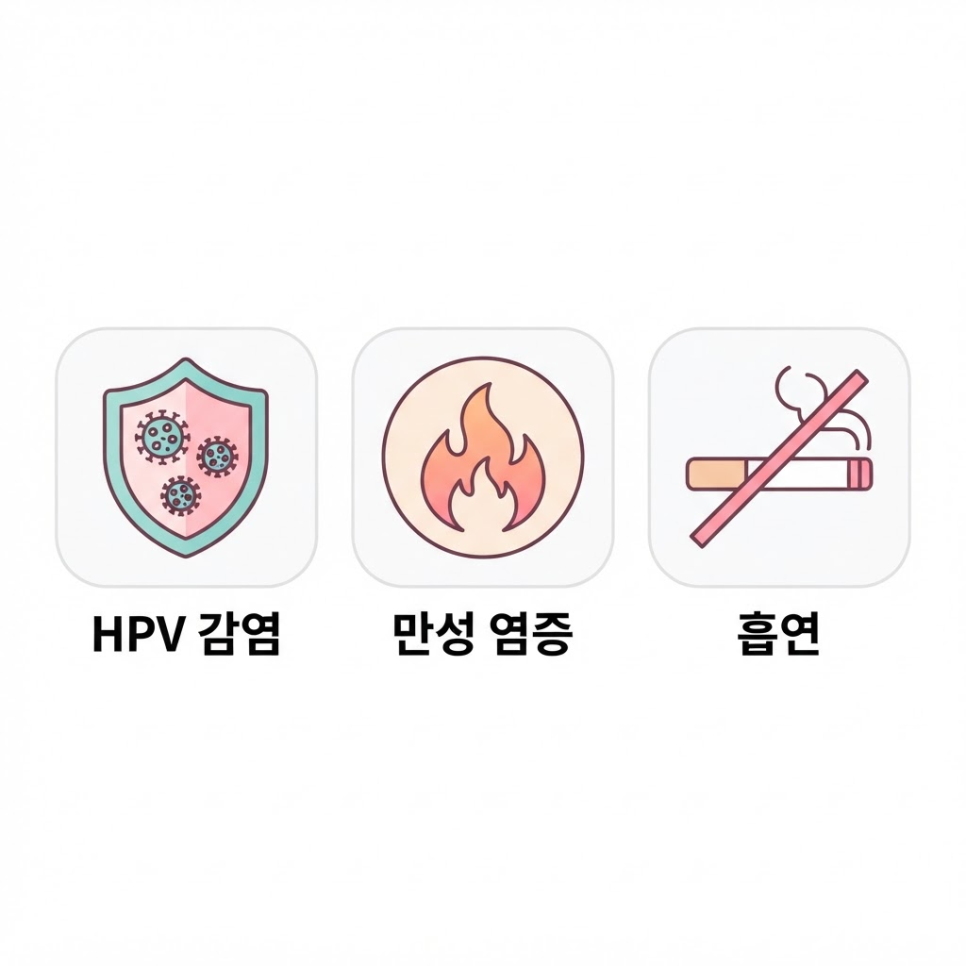
To put it simply, the leading causes of anal cancer are human papillomavirus (HPV) infection, chronic anal inflammation, and smoking.
Risk may rise when ongoing irritation occurs alongside a weakened immune system.
According to statistics from the United States, more than 90% of anal cancer cases are linked to HPV infection, with HPV types 16 and 18 identified as the leading causes.
Region-specific figures vary, but HPV is consistently recognized as a major risk factor.

- Blood on the tissue after a bowel movement has continued for more than 2 weeks
- A lump near the anus is getting bigger over time
- Stool has become noticeably thinner than before
- Anal itching or increased discharge won’t go away
If two or more of these apply to you, don’t put it off — an early evaluation with a specialist is recommended.
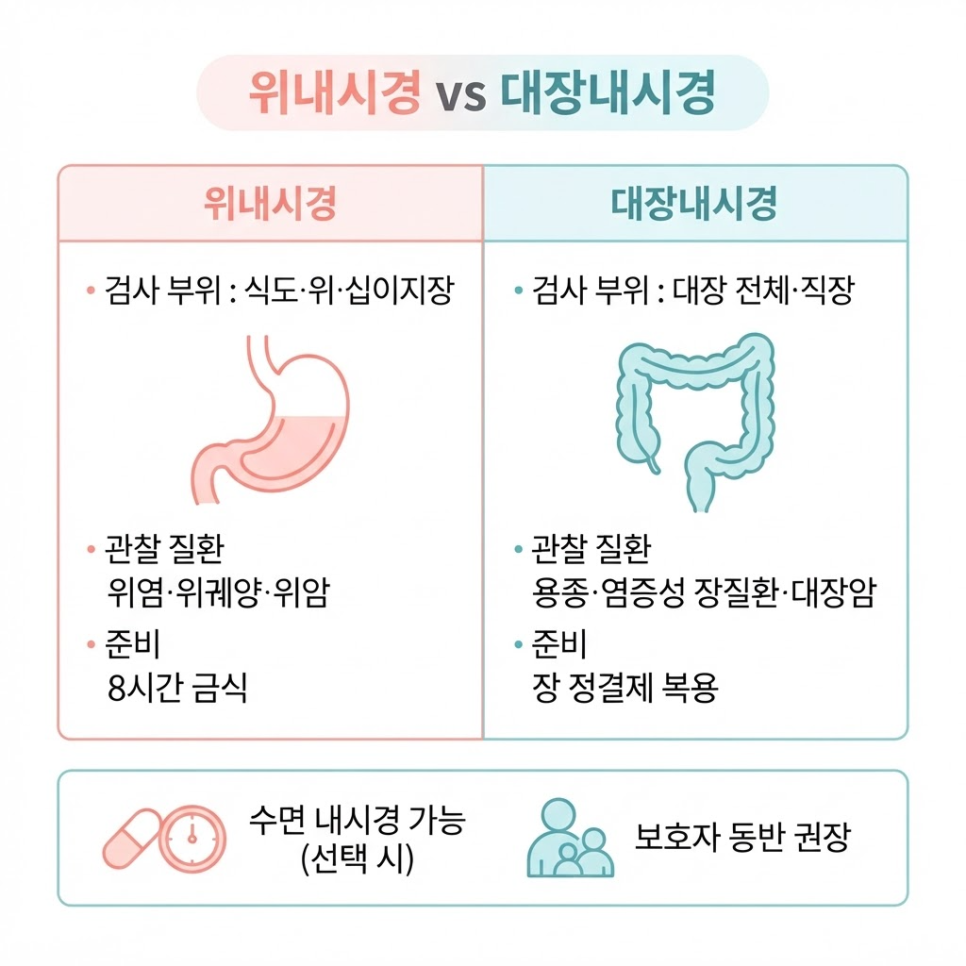
Getting a regular colonoscopy as part of your health checkups may also help with prevention.

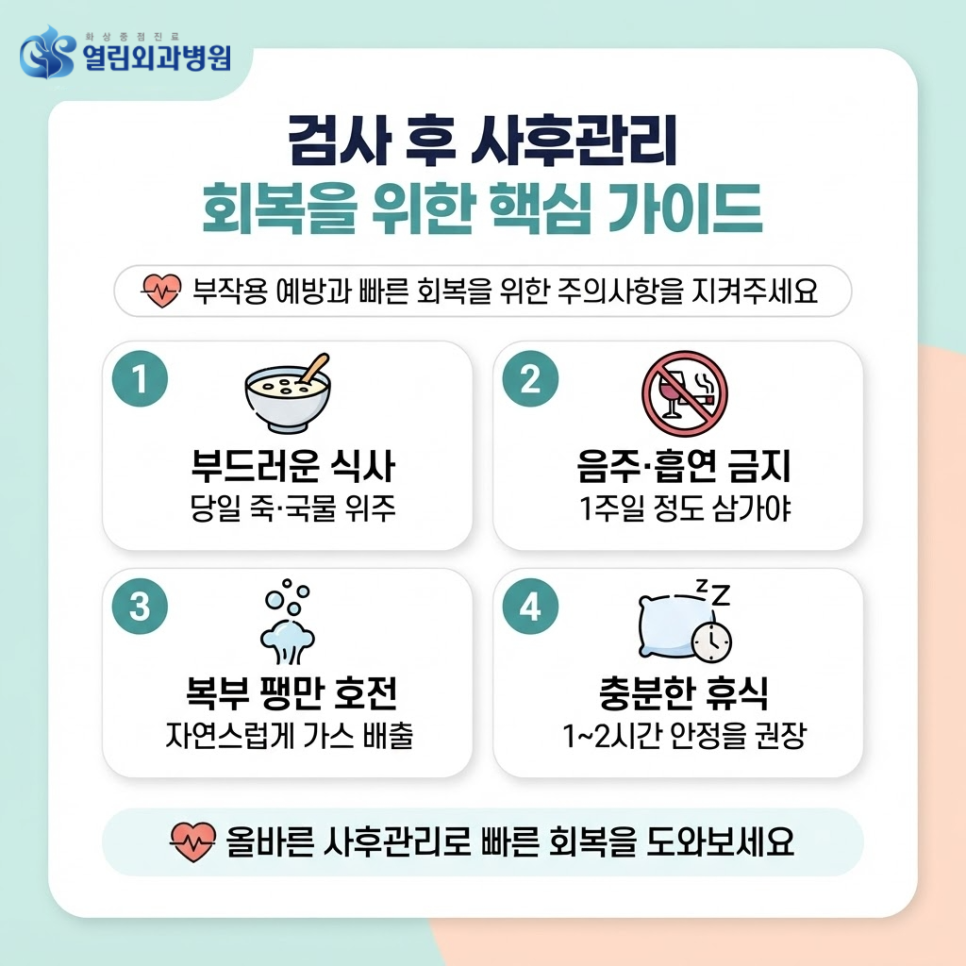
Eating plenty of fiber-rich vegetables and staying well hydrated can help keep your bowels moving smoothly.
Quitting smoking, keeping regular bowel habits, and HPV vaccination can also support anal health.
If pain or bleeding around the anus continues for more than 2 weeks, it’s safer to see a colorectal specialist
rather than try to judge it on your own.
[Ansan Yeollin Surgery Hospital] website has more information about care there.
Frequently Asked Questions
1. Can hemorrhoids eventually turn into cancer over time?
No. Hemorrhoids (piles) and malignant tumors develop through completely different mechanisms. However, they can look similar in their early stages, which makes them easy to confuse.
2. Should I still be concerned if there’s no pain?
Yes. In the early stages, there’s often little to no pain — just some bleeding or a sense of something foreign. The absence of pain doesn’t mean you can rule it out.
3. What tests are needed for an accurate diagnosis?
A digital rectal exam, anoscopy, and biopsy can be used to diagnose it. Endoscopy or imaging tests may also be done if needed.
4. What’s the best way to help prevent it?
HPV vaccination, quitting smoking, and keeping regular bowel habits may help. Regular checkups can also play a role in prevention.
5. Is anal cancer much rarer than hemorrhoids?
According to 2023 national cancer registry statistics, anal cancer accounts for about 0.1% of all cancers, a lower reported incidence than hemorrhoids, which are widely reported as common.
References
· National Cancer Information Center, “Anal Cancer,” National Cancer Center, accessed 2026. Link
· Korea Central Cancer Registry, “2023 National Cancer Registration Statistics,” National Cancer Center, 2026. Link
· Korea Disease Control and Prevention Agency, “Human Papillomavirus (HPV) Vaccination,” KDCA Immunization Helper, accessed 2026. Link
· Healtho, “How Much Do You Know About HPV, the Virus That Causes Cancer?,” Healtho, accessed 2026. Link
This article is intended for general health information purposes only and is not a substitute for individual diagnosis or treatment. If you have symptoms, please consult a specialist.