It’s easy to assume you’re too young to worry about an endoscopy.
Many people in their 20s brush off stomach discomfort as simple stress.
But a 2014 National Health Insurance Service survey found that gastritis cases among people in their 20s were increasing by an average of 4.4% per year.
Spicy delivery food and irregular eating habits are taking a toll on young adults’ digestive health.

An upper endoscopy in your 20s can be a helpful preventive step for protecting young adults’ digestive health.
This article walks through the differences between an upper endoscopy and a colonoscopy, the features of sedation versus non-sedation options, and the fasting rules to follow before your exam.
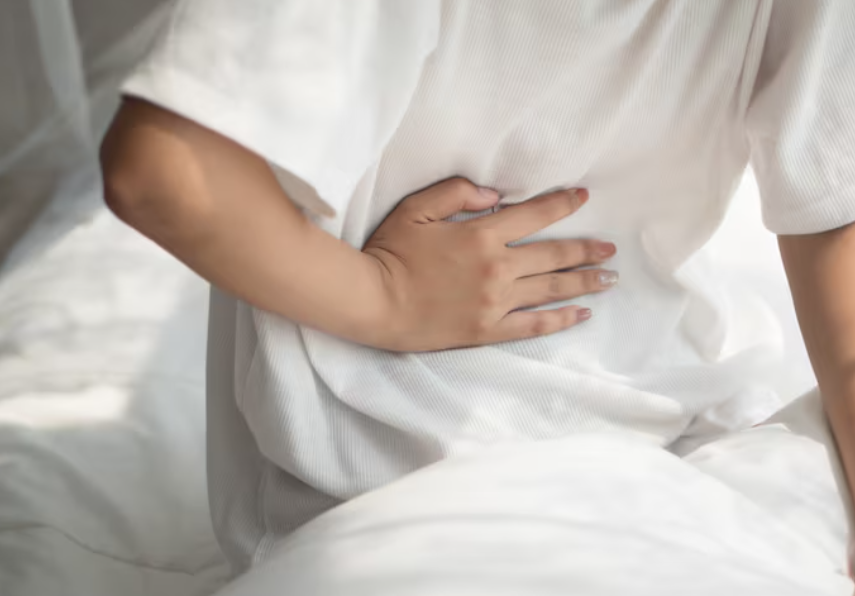
Should You Get an Upper Endoscopy in Your 20s?
Yes — if you’re in your 20s and have chronic indigestion or a family history of stomach disease, it’s safer to get checked.
An upper endoscopy in your 20s is a detailed exam designed to catch conditions like gastritis, ulcers, and polyps early, before they progress.
The national health screening program covers stomach cancer screening from ages 40 to 74, but if you have symptoms, an exam is worth considering regardless of age.

Habits like spicy delivery food, frequent late-night eating, and irregular meal times are considered major contributors to rising digestive disease among young adults.
According to a 2014 survey by the National Health Insurance Service and the Kyunghyang Shinmun, gastritis cases among people in their 20s rose by an average of 4.4% per year, and women in their 20s were affected 2.2 times more often than men.
If you frequently experience heartburn or chronic indigestion, it’s safer to get checked sooner rather than later.
· Even without symptoms, regular endoscopy screening is recommended starting in your 20s if you have a family history of gastrointestinal disease.
· Since people in their 20s aren’t covered under the national screening program, this exam can be done as an additional, self-pay (non-covered) test.
How Is an Upper Endoscopy Different From a Colonoscopy?
The two exams differ completely in what they examine and how you prepare.
An upper endoscopy examines the esophagus, stomach, and duodenum, while a colonoscopy examines the entire colon and rectum.
Because the exams serve different purposes, the preparation process differs as well.
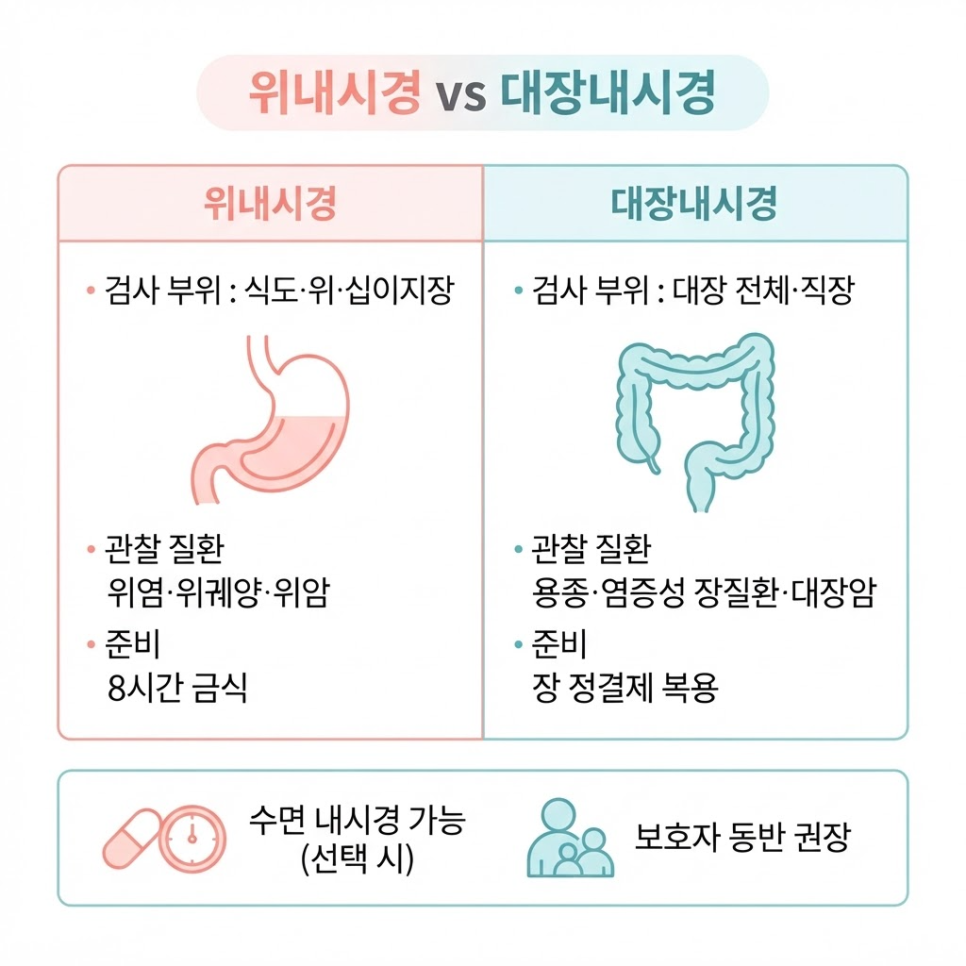
| Category | Upper Endoscopy | Colonoscopy |
|---|---|---|
| Area Examined | Esophagus, stomach, duodenum | Entire colon and rectum |
| Conditions Detected | Gastritis, stomach ulcers, reflux esophagitis | Colon polyps, inflammatory bowel disease |
| Preparation | Fasting for 8+ hours | Bowel prep solution, dietary adjustments |
If you choose the sedation option, you’ll be given a sedative.
It’s safer to bring someone with you on the day of the exam, and you should avoid driving or making important decisions afterward.
If you feel dizzy or have a headache after the exam, it’s best to rest until it passes.
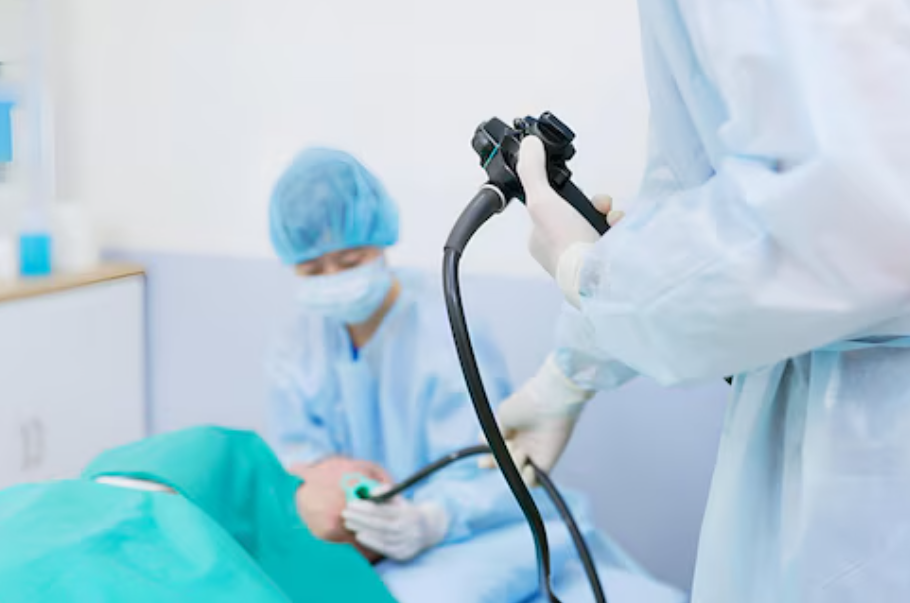
If you’re taking aspirin or blood thinners, be sure to discuss whether to stop them with your prescribing doctor before the exam.
How Should You Fast Before an Endoscopy?
Following the preparation rules closely is key to getting accurate exam results.
If you don’t follow the rules, your exam may need to be rescheduled or its accuracy may suffer.
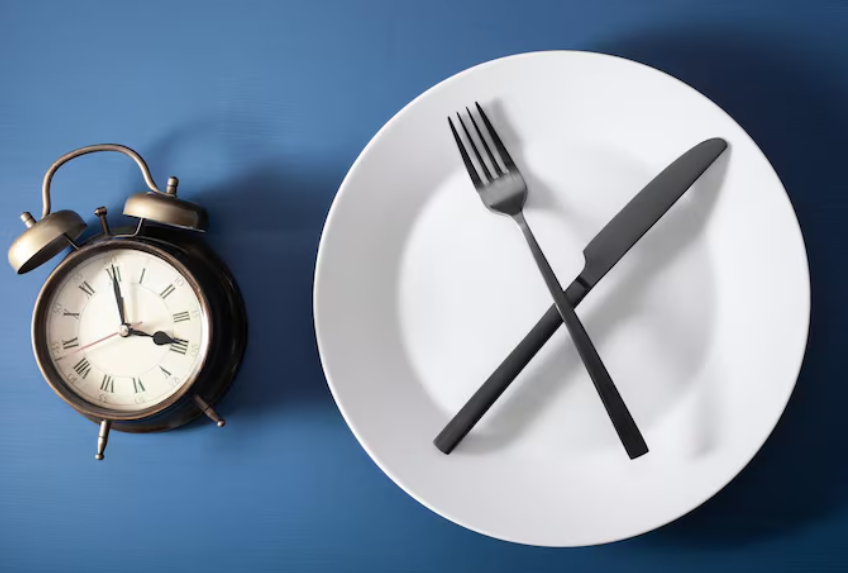
✅ Stop eating after 8 p.m. the night before the exam
✅ Discuss any medications you’re taking with your doctor beforehand
✅ For a colonoscopy, avoid fruit with seeds and multigrain rice starting 3 days before
✅ Avoid all water, coffee, and other beverages on the day of the exam

Smoking on the day of the exam can stimulate stomach acid production and interfere with the procedure, so avoid it.
Following these small precautions is the first step toward a safe exam.
· For an upper endoscopy, fast for at least 8 hours before the exam; for a colonoscopy, follow the fasting schedule tied to your bowel prep solution.
· If you choose sedation, avoid driving yourself on the day of the exam.
Following the fasting and medication guidelines helps keep your digestive tract clear, which can support the detection of polyps or early-stage lesions.

Being young doesn’t automatically mean perfect health.
While your body still recovers quickly, it’s worth listening to the signals it sends and staying ahead with regular checkups.
Talking with a trusted medical team is the first step, and you can find more hospital information at Burn Treatment Information, [Ansan Open Surgery Hospital] Home.
Frequently Asked Questions
1. Should people in their 20s get an upper endoscopy?
The national health screening program covers stomach cancer screening starting at age 40, but if you’re in your 20s and have persistent heartburn, indigestion, or a family history, an exam is recommended.
2. Which is better, sedation or non-sedation endoscopy?
Non-sedation lets you return to your daily routine right after the exam, while sedation reduces gagging and discomfort for a more comfortable experience. You can choose based on your personal preference and condition.
3. Can I drink water on the day of the exam?
You should avoid water before an upper endoscopy too. Any water remaining in your stomach can obscure the view and make an accurate diagnosis harder, so complete fasting is necessary.
4. When should I take the bowel prep solution before a colonoscopy?
It’s typically taken in divided doses at times specified the day before the exam. Follow your hospital’s specific instructions on timing and method.
5. Can I eat right after the exam?
If a biopsy or polyp removal was performed, it’s safer to fast for the period your medical team advises, or start with easily digestible foods.
References
· Sisa Journal, “Stomach Cancer Screening Guidelines Change After 10 Years: Ages 40-74 Advised to Get an Upper Endoscopy Every 2 Years,” Sisa Journal, 2026. Read more
· Kyunghyang Shinmun, “Gastritis: Women in Their 20s Affected 2.2 Times More Than Men,” Kyunghyang Shinmun, 2014. Read more
This article is for general health information purposes only and is not a substitute for individual diagnosis or treatment. If you have symptoms, please consult a medical professional.
Leave a Reply