Seeing blood on the toilet paper after a bowel movement is enough to make anyone panic.
That said, a hemorrhoid diagnosis doesn’t automatically mean surgery is next.
Early-stage hemorrhoids often improve significantly with medication and lifestyle changes alone.
Still, if your doctor brings up surgery, it can be a sign your symptoms have progressed to the next stage.
Today, let’s take a closer look at exactly when hemorrhoid surgery actually becomes necessary.
This article walks through the key symptoms and causes that lead to a hemorrhoid surgery recommendation, the diagnostic workup used to determine whether surgery is needed, and the sitz bath and exercise routines that can speed up recovery.
We’ve also included answers to the questions patients ask most often, so you can find practical guidance in one place.

Is Hemorrhoid Surgery Really Necessary for Every Patient?
To put it simply, not every hemorrhoid patient needs surgery.
Hemorrhoid surgery refers to a surgical procedure that removes or repairs anorectal tissue that has become abnormal, as seen in conditions like hemorrhoids, anal fissures, and anal fistulas.
What most people call “hemorrhoids” usually refers to piles — swelling of the cushion tissue lining the anal canal.
In the early stages, conservative treatments like medication or dietary changes are often enough to see real improvement.
But if conservative treatment doesn’t work, or the condition has progressed significantly, a surgical approach becomes necessary.
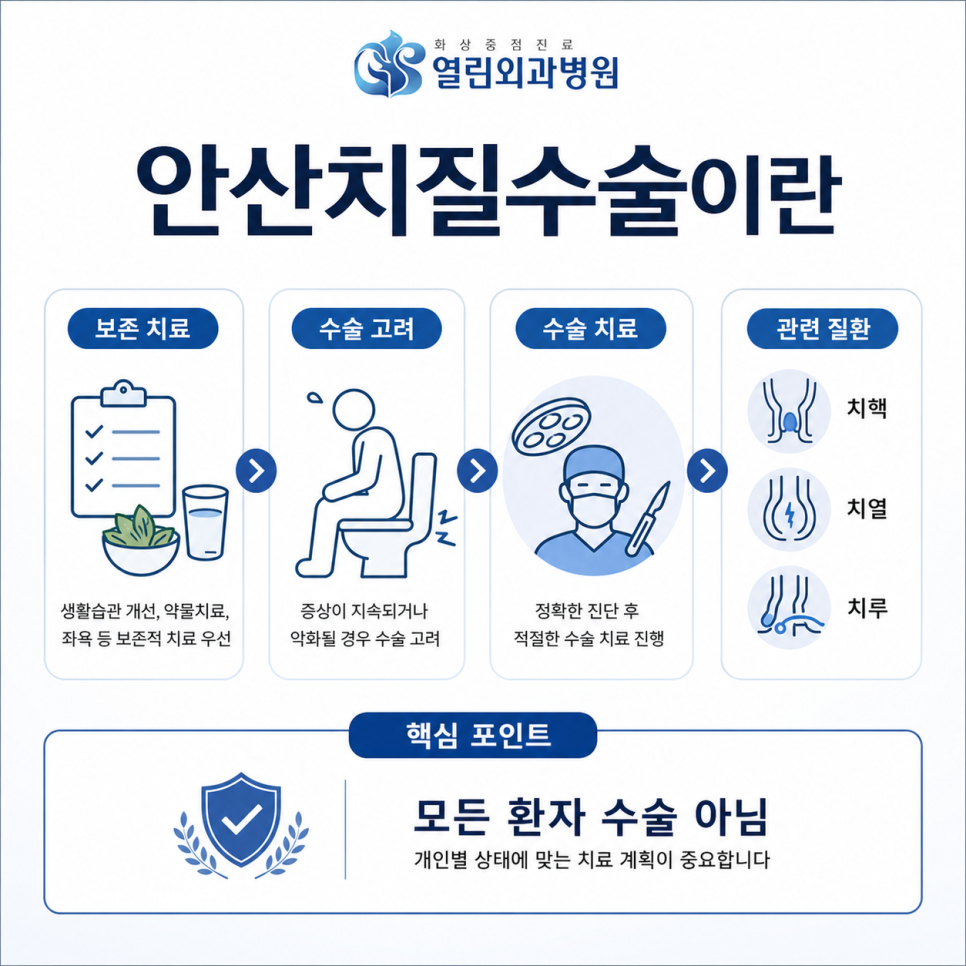
✔ Not every hemorrhoid patient needs surgery.
✔ It’s important to choose treatment that matches your symptom stage.
What Causes Hemorrhoids? Check the Causes and Warning Signs
Hemorrhoids rarely have just one cause — they usually result from a combination of everyday habits.
Piles develop when the blood vessels in the anal canal become swollen from straining too hard during bowel movements and chronic increases in abdominal pressure.
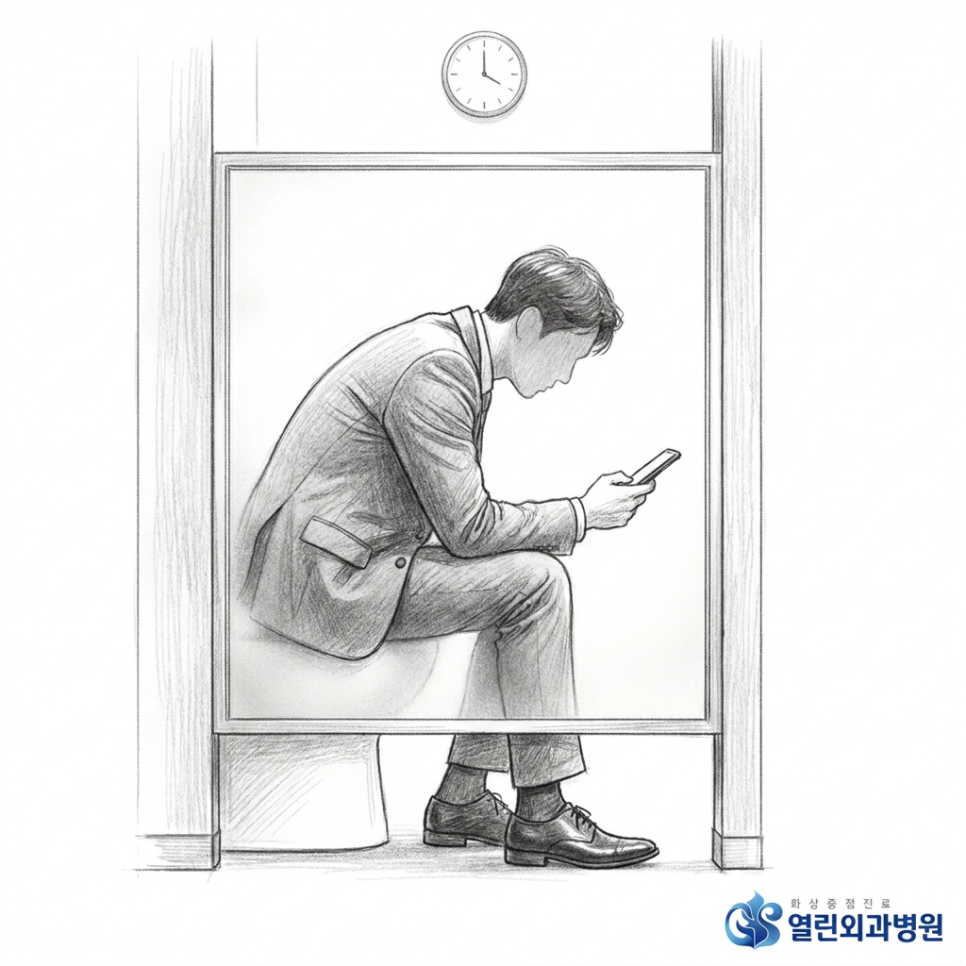
Spending too long sitting on the toilet is one of the leading causes of increased pressure on the anal blood vessels.
Chronic constipation or diarrhea, frequent alcohol use, and chronic fatigue also take a toll on anal health.
In women, rising abdominal pressure during pregnancy and childbirth can cause symptoms to suddenly worsen.

✅ Bright red blood appears on toilet paper or in the bowl
✅ Internal tissue pushes out of the anus during a bowel movement
✅ Itching or throbbing pain around the anus
✅ A hard lump or discharge near the anus
If these symptoms keep recurring, don’t ignore them — see a doctor and get evaluated for whether surgery is needed.
Waiting too long can make the pain worse and complicate treatment down the line.

How Is the Diagnostic Workup That Determines the Need for Surgery Done?
The diagnostic workup moves step by step, from an initial consultation through imaging tests if needed.
This workup is the series of diagnostic steps used to pinpoint the location and severity of the condition and determine the right treatment path.
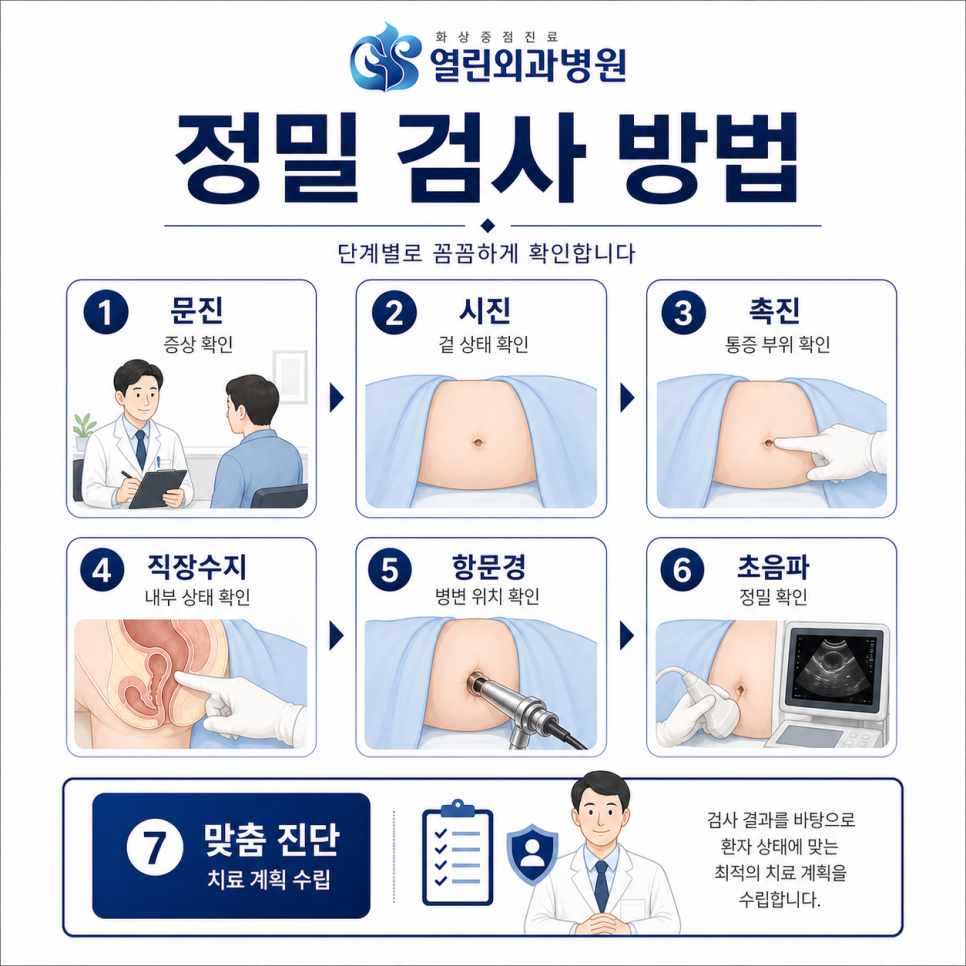
| Stage | Method | Purpose |
|---|---|---|
| Step 1 | Consultation | Review bowel habits and pain patterns |
| Step 2 | Visual exam, palpation, digital rectal exam | Directly assess the condition inside the anal canal |
| Step 3 | Anoscopy or ultrasound (if needed) | Precisely determine the lesion’s location and severity |

A systematic diagnostic workup makes it possible to pinpoint the exact location and severity of the lesion, allowing for a treatment plan tailored to each patient.
What Sitz Bath and Exercise Routines Help Shorten Recovery After Surgery?
How fast you recover depends heavily on your post-treatment care routine.
A sitz bath involves soaking the anal area in warm water to relax the sphincter muscles and improve blood circulation.

Doctors generally recommend sitz baths in water around 38–40°C (100–104°F), 2–3 times a day for 5–10 minutes each session.
Water that’s too hot, or soaking for too long, can actually irritate the skin or cause swelling, so it’s important to be careful.
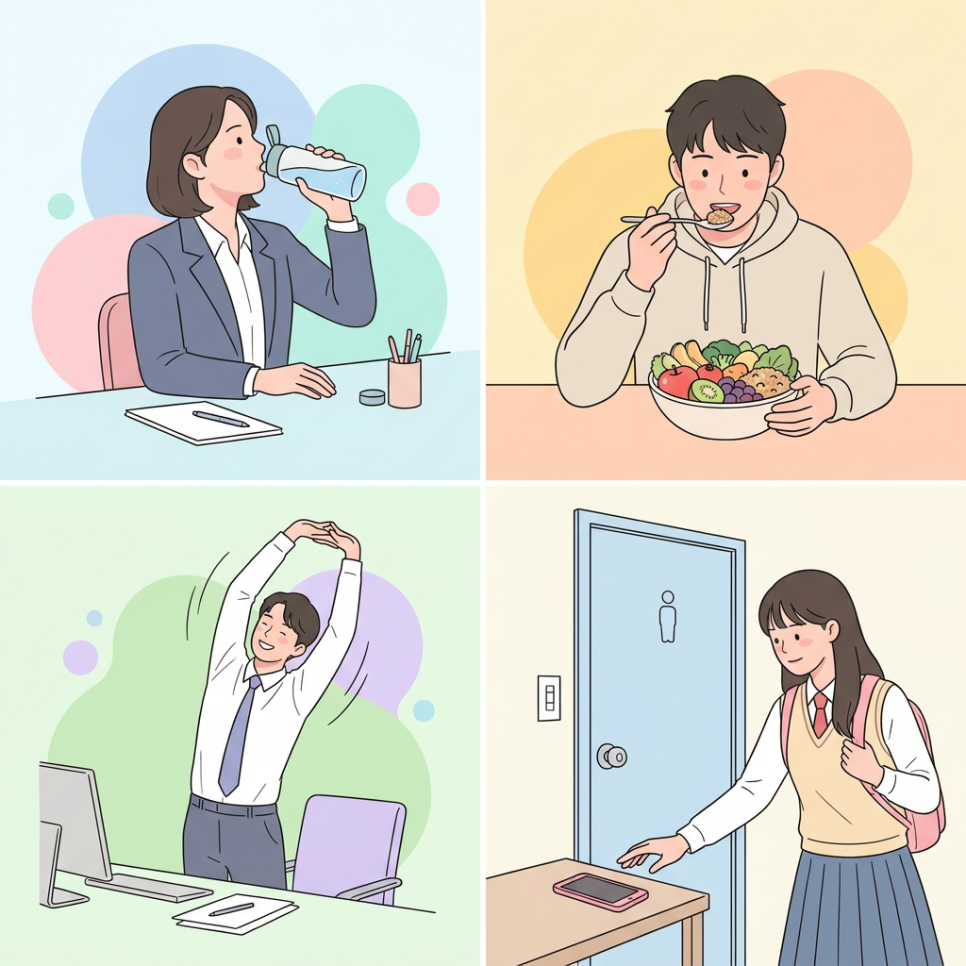
Keeping up a diet rich in fluids and fiber may also support recovery.
· Kegel exercises: Repeatedly tightening and releasing the pelvic floor muscles, which is thought to help improve blood circulation around the anus.
· Light walking: May help stimulate bowel activity and support regular bowel movements.
It’s best to avoid heavy weightlifting or exercises that involve bending forward, since these sharply raise abdominal pressure.

Closely following your care team’s instructions during this period can help support a smoother recovery.
Frequently Asked Questions
1. Is there a high chance of recurrence after treatment?
If the affected tissue was fully removed, the recurrence rate at that same site is generally low. That said, new symptoms can develop in a different area if bowel habits don’t improve or anal care becomes inconsistent.
2. What’s the best way to do a warm sitz bath?
Soak the anal area in water around 38–40°C (100–104°F) for about 5–10 minutes. Using water that’s too hot or sitting for too long can actually irritate the skin, so be mindful of both.
3. When does the pain during bowel movements start to ease up?
It varies by person, but pain usually starts easing within 1–2 weeks, as the wound heals. Taking prescribed medication consistently and getting enough dietary fiber can help ease discomfort.
4. When can I go back to daily life or work?
Light daily activities or desk work can generally be resumed within a few days of discharge. However, if your job involves physical labor or lifting heavy objects, it’s recommended to take a longer rest period.

Good anal health comes down to accurate diagnosis and consistent follow-up care.
If your symptoms keep coming back, don’t try to manage it alone — it’s worth consulting a colorectal specialist.
You can find more information about care and appointments on the Ansan Yeollin Surgical Hospital homepage.

References
· Korea Disease Control and Prevention Agency, “Hemorrhoids,” National Health Information Portal. View source
· Asan Medical Center, “Hemorrhoids,” Disease Encyclopedia. View source
· Kookje Ilbo, “The Anorectal Condition No One Talks About — A Daily 5-Minute, 40°C Sitz Bath Can Help,” Kookje Ilbo, 2020. View source
This article is intended for general health information purposes only and is not a substitute for individual diagnosis or treatment. If you’re experiencing symptoms, please consult a medical professional.