Tag: Hemorrhoid Prevention

  • Sitz Bath Benefits: 3 Correct Ways to Ease Hemorrhoid Pain

    Sitz Bath Benefits: 3 Correct Ways to Ease Hemorrhoid Pain

    SummarySitz bath benefits may help relieve hemorrhoid pain and swelling, but using the wrong water temperature or duration can backfire. This guide covers the correct sitz bath water temperature, timing, frequency, and precautions, based on medical information.

    sitz bath benefits

    Do you grit your teeth through a sharp sting and heavy discomfort every time you use the bathroom?

    Many people simply sit in hot water without a second thought,
    but getting the water temperature or timing wrong can actually make symptoms worse.

    From reducing swelling to easing pain, getting the real sitz bath benefits starts with knowing the correct method.

    Key Takeaways
    Sitz bath benefits come from relaxing the anal sphincter and improving blood circulation, which can help reduce hemorrhoid-related pain and swelling.
    The Korea Disease Control and Prevention Agency (KDCA) and related reports recommend water at 104–113°F (40–45°C), for 3–5 minutes per session, 2–3 times a day.
    However, poor posture or inadequate drying afterward can actually make symptoms worse, so care is needed.

    sitz bath benefits image 2

    Sitz Bath Benefits: Do They Really Help Hemorrhoid Symptoms?

    The short answer: sitz baths may help reduce hemorrhoid-related pain and swelling.

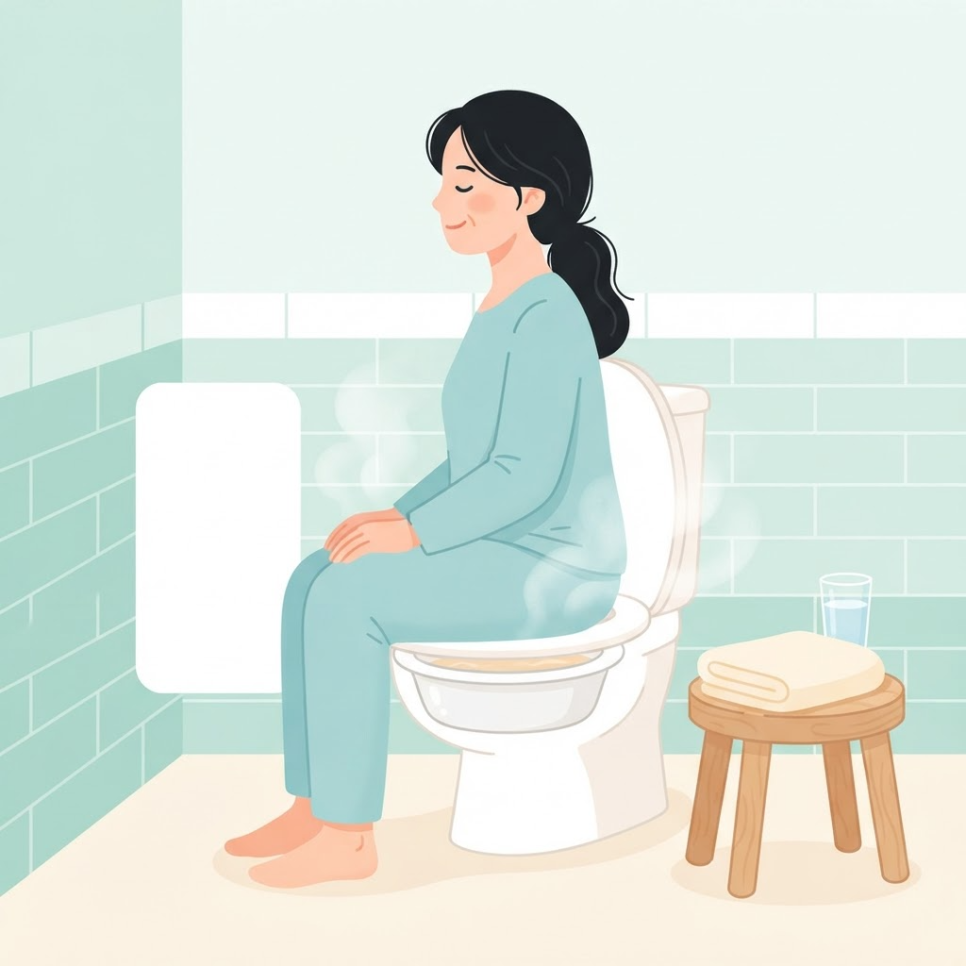
    A sitz bath is a conservative care method that involves soaking the anal area in warm water to support blood circulation.
    The area around the anus is prone to circulation problems during straining or stress.

    When warm water touches the skin, the sphincter relaxes, which lowers internal pressure and muscle spasm and can make bowel movements less painful.
    Improved blood flow in the area can also help bring swelling down.
    sitz bath benefits image 3

    Key Points
    1. Pain reduction through anal sphincter relaxation
    2. Relief of congestion and swelling through improved blood flow
    3. Prevention of secondary infection by keeping the area clean after bowel movements

    The KDCA’s National Health Information Portal describes hemorrhoids as follows:

    Hemorrhoids occur when the blood vessels around the anus stretch and swell to form a lump, making them the most common type of anal condition.

    The KDCA further notes that conservative care such as sitz baths, dietary changes, and medication can help relieve symptoms.

    For early-stage hemorrhoids or anal fissures in particular, a sitz bath is often considered a non-surgical, conservative option worth trying.
    With consistent practice, this may help reduce discomfort after bowel movements, supporting everyday comfort.


    sitz bath benefits image 4

    What Is the Correct Sitz Bath Method and Water Temperature?

    In short, lukewarm water at 104–113°F (40–45°C) for 3–5 minutes, 2–3 times a day, is the generally recommended safe guideline.

    A proper sitz bath keeps to the right water temperature and duration to minimize irritation of the anal mucosa.
    Water that’s too hot can damage the mucosa or even cause burns, so caution is needed.

    1. Fill a basin or sitz bath tub with lukewarm water at about 104–113°F (40–45°C).
    2. Use plain, clean water only—no disinfectant or salt.
    3. Soak the anal area for about 3–5 minutes.
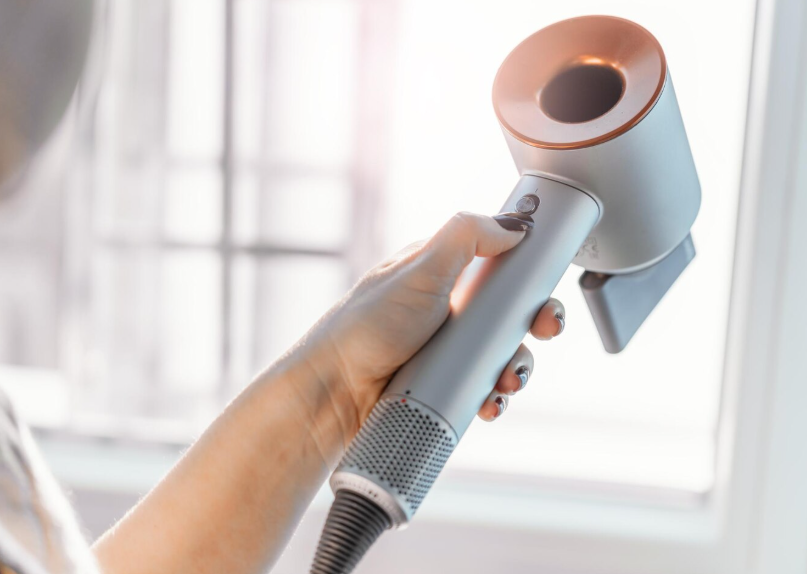
    4. Pat the area dry gently with a towel, or dry it fully with cool air.
    5. Repeat 2–3 times a day, such as right after a bowel movement or before bed.

    sitz bath benefits image 5

    A randomized controlled trial published in an international journal found that patients who had warm-water sitz baths after hemorrhoidectomy
    showed significantly improved pain and anal burning sensation over a 4-week follow-up.

    This suggests that sitz baths are not just a folk remedy—sitz bath benefits have also been reported in clinical research.

    Checklist
    ✅ Is the water lukewarm, at 104–113°F (40–45°C)?
    ✅ Are you keeping the time under 5 minutes?
    ✅ Are you using plain, clean water with no additives?
    ✅ Are you drying the area thoroughly afterward?
    sitz bath benefits image 6

    Soaking for too long can raise pressure in the anal blood vessels and may actually worsen symptoms.
    The table below compares the correct method with habits to avoid.

    Category Recommended Habits to Avoid
    Water temperature 104–113°F (40–45°C), lukewarm Hot water
    Duration 3–5 minutes 10+ minutes (prolonged soaking)
    Additives Plain water only Adding salt or disinfectant
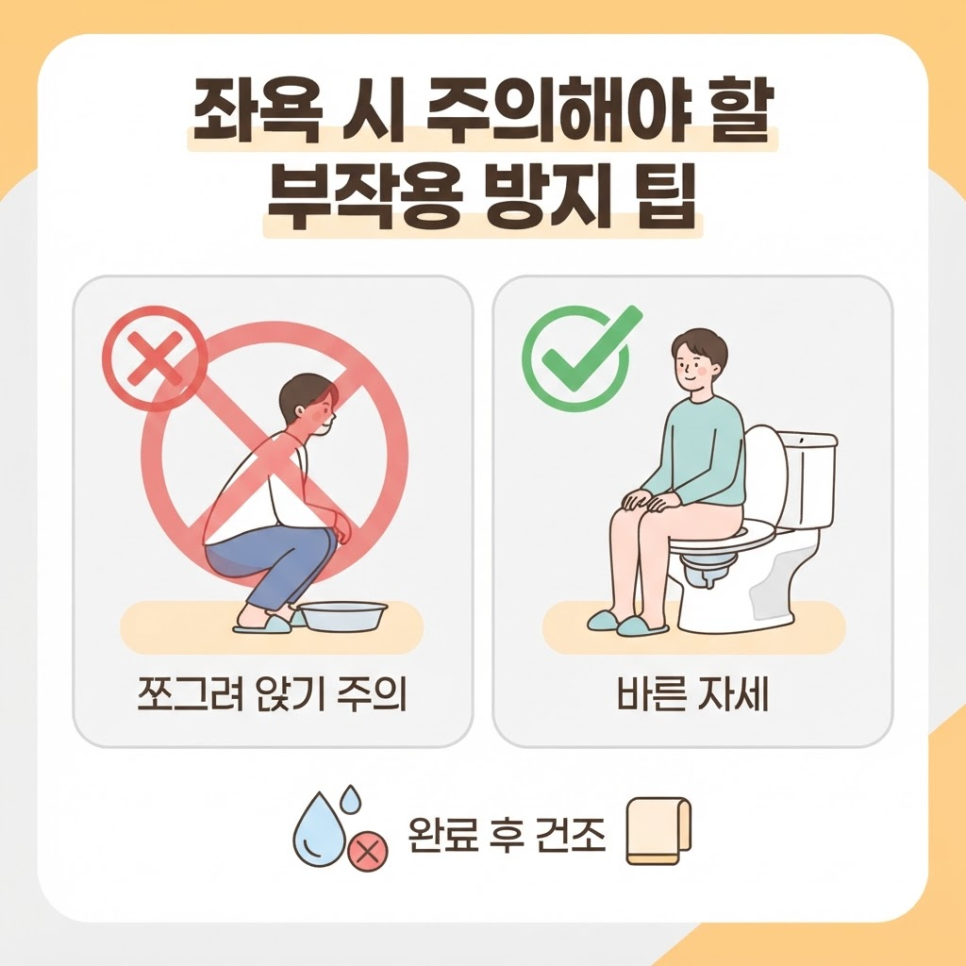
    Posture Sitting flat and level Squatting

    sitz bath benefits image 7

    What Precautions Should You Take During a Sitz Bath?

    In short, poor posture and inadequate drying are the main reasons a sitz bath can backfire.

    Squatting during a sitz bath can cause blood to pool in the anal area, raising the risk that hemorrhoids protrude further.
    It’s better to use a sitz bath basin that fits over the toilet, or to sit comfortably on a flat surface.

    Leftover moisture also raises the chance of skin issues such as eczema or itching.
    After a sitz bath, keeping the area dry and well-ventilated is especially important.

    Precautions
    Avoid squatting, since it increases pressure on the anus.
    If you have heavy discharge or have recently had surgery, follow your doctor’s guidance on whether a sitz bath is appropriate.

    sitz bath benefits image 8

    If symptoms persist or acute pain develops, don’t try to manage it with self-care alone.

    In these cases, it’s important to get an accurate diagnosis and ongoing care from a medical professional.
    If you’re in the Ansan area, consulting a specialized clinic for colorectal and anal conditions, such as the [Ansan Yeolin Surgical Clinic] homepage,
    is also an option.

    Small daily habit changes are the first step toward protecting your anal health.
    By keeping the right water temperature and timing and staying consistent, you may notice the sitz bath benefits over time.

    Frequently Asked Questions

    1. Does using a showerhead with warm water give the same sitz bath benefits?
    Strong shower water pressure can irritate the anal mucosa or sphincter. Soaking in a basin or sitz bath tub is generally considered a gentler approach that may reduce irritation.

    2. How many times a day should you do a sitz bath?
    Two to three times a day is generally appropriate. Doing it right after a bowel movement or before bed can help ease pain and keep the area clean.

    3. Does adding salt to the water improve disinfection?
    Adding salt can strongly irritate sensitive anal skin. It’s safer to use plain water with no additives.

    4. Is it okay to take a sitz bath during your period?
    During your period there’s a higher risk of infection, so it’s best to avoid sitz baths if possible. If needed, a light warm-water rinse is a safer alternative.


    References

    · Korea Disease Control and Prevention Agency (KDCA), “National Health Information Portal – Hemorrhoids,” KDCA. View source
    · Hankyung (Korea Economic Daily), “Sitz Baths That Last Too Long Can Worsen Hemorrhoids… 3–5 Minutes Is Ideal,” Hankyung, 2014. View source
    · Hidoc, “Have You Tried a ‘Sitz Bath’ to Prevent Hemorrhoids and Constipation?,” Hidoc. View source
    · National Library of Medicine (PubMed), “Effects of early warm water sitz bath on urinary retention and pain after haemorrhoidectomy: A randomized controlled trial,” 2024. View source


    This article is intended for general health information purposes only and is not a substitute for individual diagnosis or treatment. If you have symptoms, please consult a medical professional.
  • Hemorrhoid Cushion Guide: 3 Reasons to Choose High-Density Foam

    Hemorrhoid Cushion Guide: 3 Reasons to Choose High-Density Foam

    SummaryWhen shopping for a hemorrhoid cushion, a soft, plush cushion isn’t necessarily the better choice. This guide covers why high-density material is generally considered more effective than soft padding, the structural principle behind reducing pressure on the anal area, correct sitting posture, and a practical buying checklist to help you choose a cushion that may ease hemorrhoid-related discomfort.

    It’s easy to assume that a plusher cushion means less pain.
    But the softer a cushion is, the more it tends to sink the moment you sit down,
    which can let the anal area press right against the seat anyway.

    When comparing cushion options,
    high-density support, not softness, is generally considered the more important factor for comfort.
    So if you overlook this when choosing a hemorrhoid cushion, you can easily end up wasting your money.

    💡 Quick preview
    This article explains the structural principle behind how a hemorrhoid cushion redistributes pressure away from the anal area.
    It also walks through a checklist for choosing the right donut cushion based on high-density material,
    plus the correct sitting posture that can help reduce pain.

    Why Does a Hemorrhoid Cushion Have a Hole in the Middle?

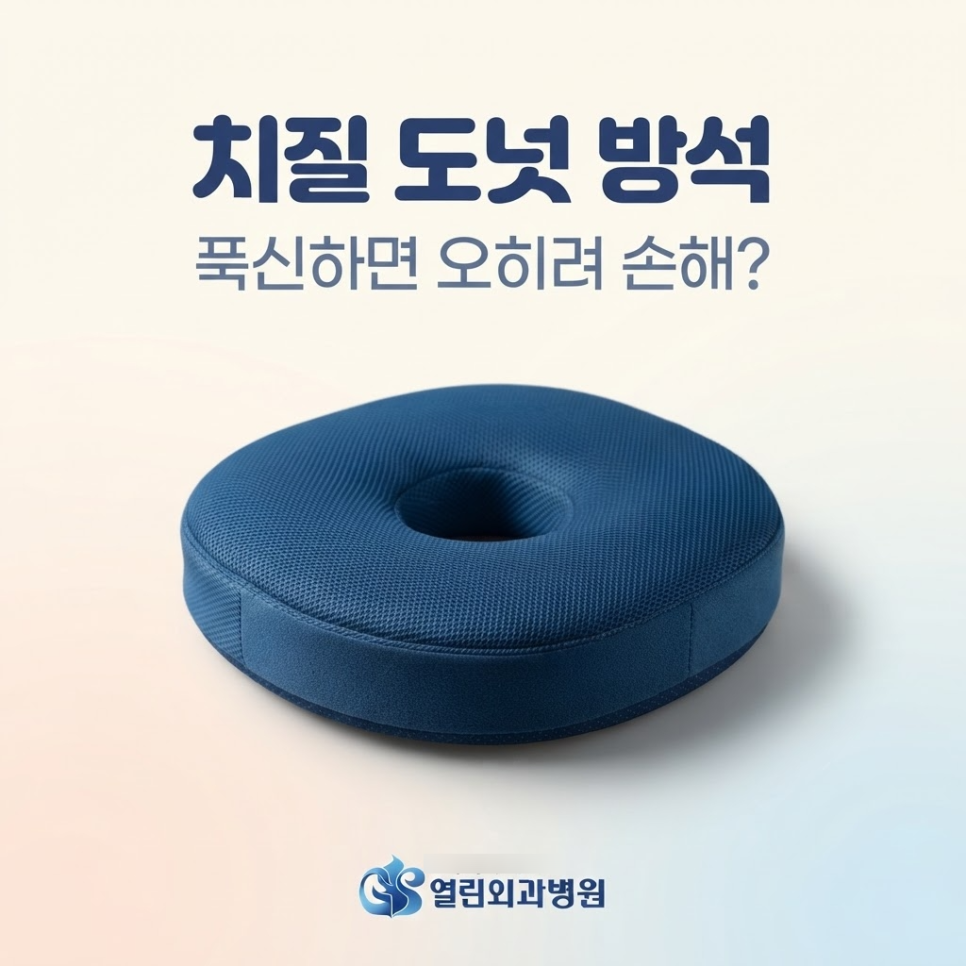
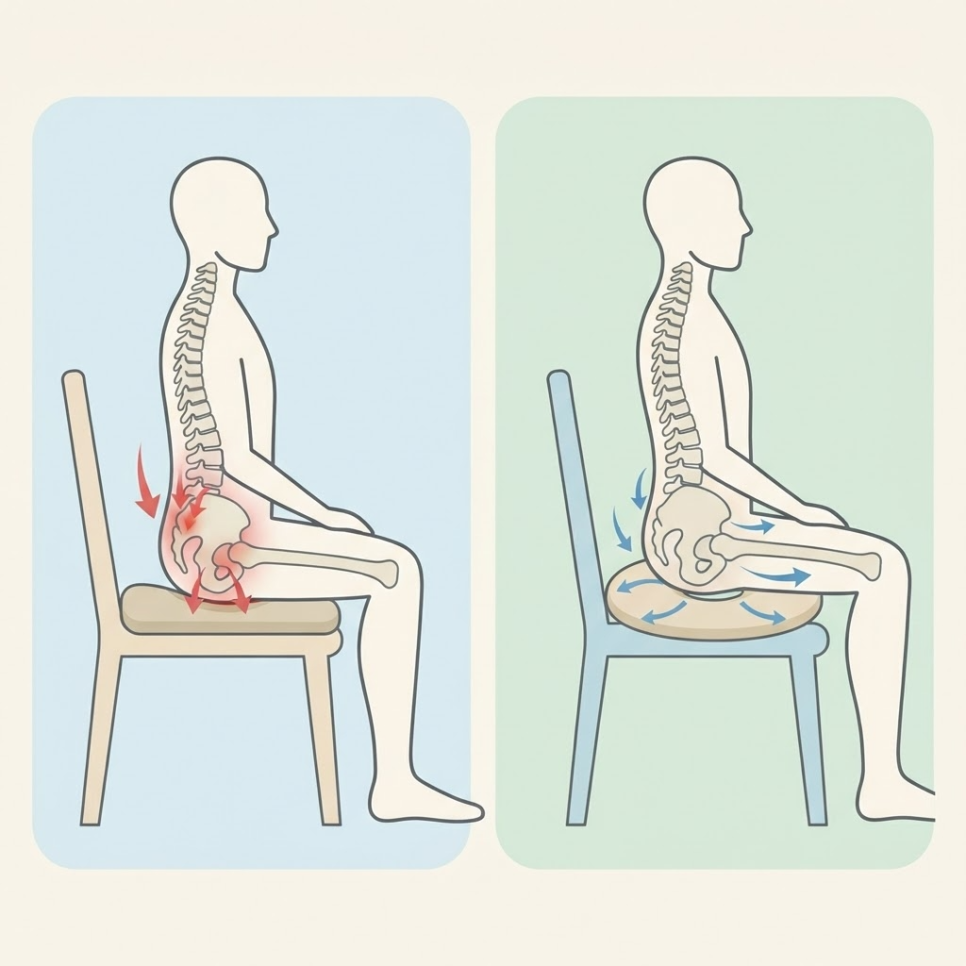
    In short, the hole in the center of a hemorrhoid cushion is designed to shift body weight onto the left and right buttocks,
    reducing the pressure that would otherwise concentrate on the anal area.

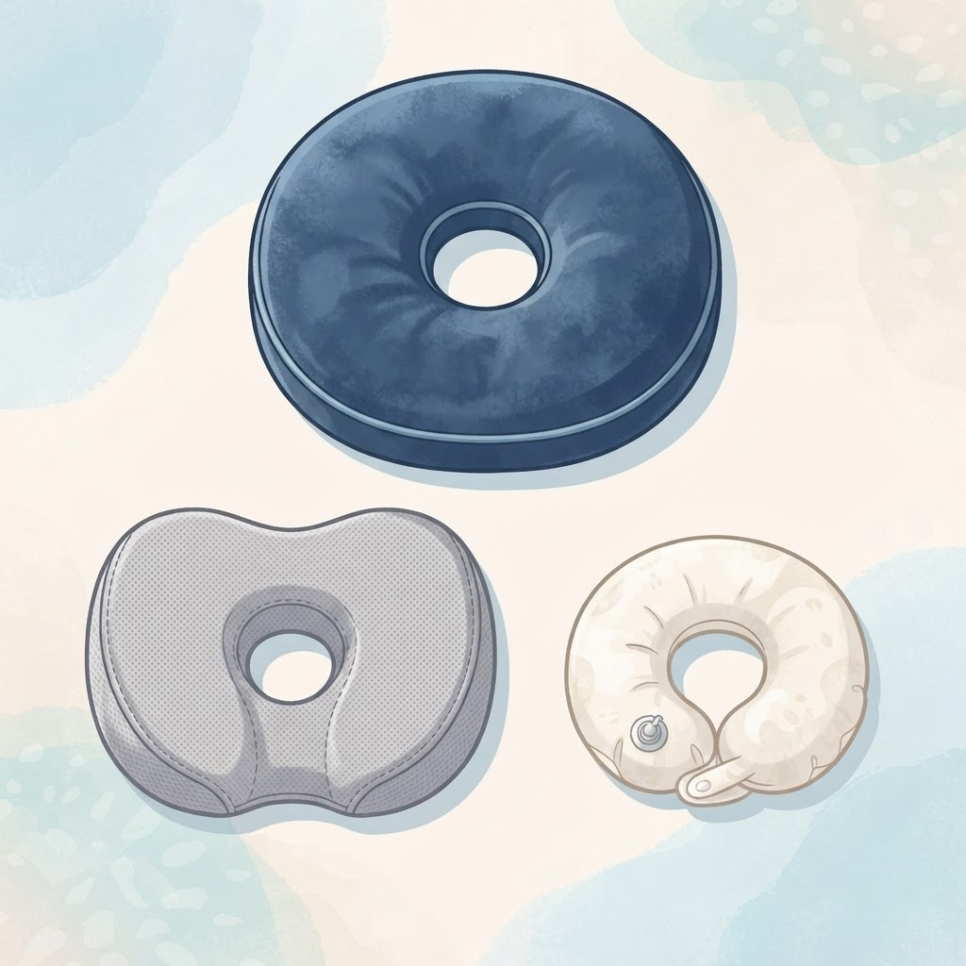
    A hemorrhoid cushion is a weight-distributing support cushion with a hole cut into the center so the anal area doesn’t press directly against the seat when you sit down.

    hemorrhoid cushion

    When you sit on a regular cushion, a large share of your body weight lands right in the center of your buttocks, near the anus.
    Repeated pressure in this area can cause the blood vessels within the hemorrhoidal cushion tissue to swell, which may worsen pain.

    In fact, prolonged sitting is considered a major contributor to hemorrhoids, since it puts continuous pressure on the veins around the anus,
    slowing blood flow and allowing hemorrhoids to progress.

    A donut-style cushion with an open center changes this picture.
    Body weight is spread more evenly across the buttocks and pelvic bones,
    which may help ease the pressure placed on the blood vessels around the anus.

    Hemorrhoid cushion illustration 2

    Key point
    · Pressure concentration on the anal area with a regular cushion: high
    · Pressure concentration on the anal area with a hemorrhoid (donut) cushion: low (distributed across the buttocks)

    Hemorrhoid cushion illustration 3

    For people already dealing with hemorrhoid symptoms, this kind of cushion can be more than just a comfort item —
    it can serve as a practical tool for reducing everyday pressure that aggravates symptoms.
    That said, it’s important to understand that a cushion alone will not make hemorrhoids go away.


    Why Should You Choose a High-Density Hemorrhoid Cushion?

    The answer is simple. A cushion that’s too soft will compress under your body weight and lose its shape,
    so a high-density material is generally recommended to help the pressure-relief effect last longer.

    A high-density hemorrhoid cushion is one built with enough resilience and support that it doesn’t flatten out under body weight.

    Choosing a high-density foam suited to your body is essentially a way of confirming ahead of time
    that the cushion has enough resilience and support not to bottom out.

    A cushion that’s too soft will sink flat the moment you sit down and won’t do its job.
    Look for high-density memory foam or a similarly firm, high-density foam with the right amount of bounce.

    Also check whether the cover is breathable enough to prevent sweat buildup during long periods of sitting.
    A practical tip: check whether the cover is removable and washable for hygiene.

    Hemorrhoid cushion illustration 4

    Buying checklist
    ✅ Is it made of high-density memory foam that firmly supports your body weight?
    ✅ Is the center hole sized appropriately for your body?
    ✅ Does it have a breathable mesh cover?
    ✅ Is the cover removable and washable for hygiene?

    What’s the Correct Sitting Posture for Using a Donut Cushion?

    The key is to sit all the way back so the anal area lines up with the center hole,
    keeping your back straight as you sit.

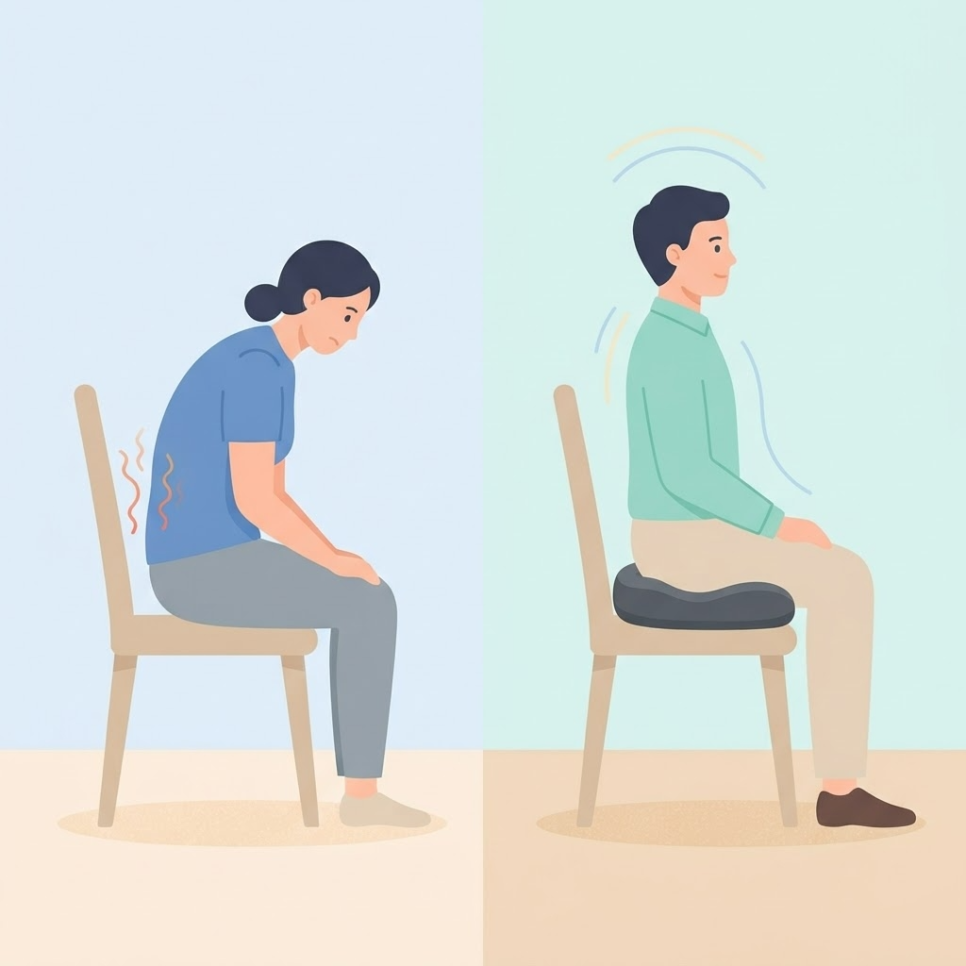
    Correct sitting posture means sitting all the way back on the donut cushion so the anal area is centered precisely over the hole, with your back and lower back held straight.

    Hemorrhoid cushion illustration 5

    Slouching or leaning back as if lying down can twist the pelvis,
    causing pressure to build up again in specific spots.

    It’s best to keep your lower back against the backrest and hold your back and lower back straight.
    Even with a good cushion, staying seated in one position for long stretches should still be avoided.

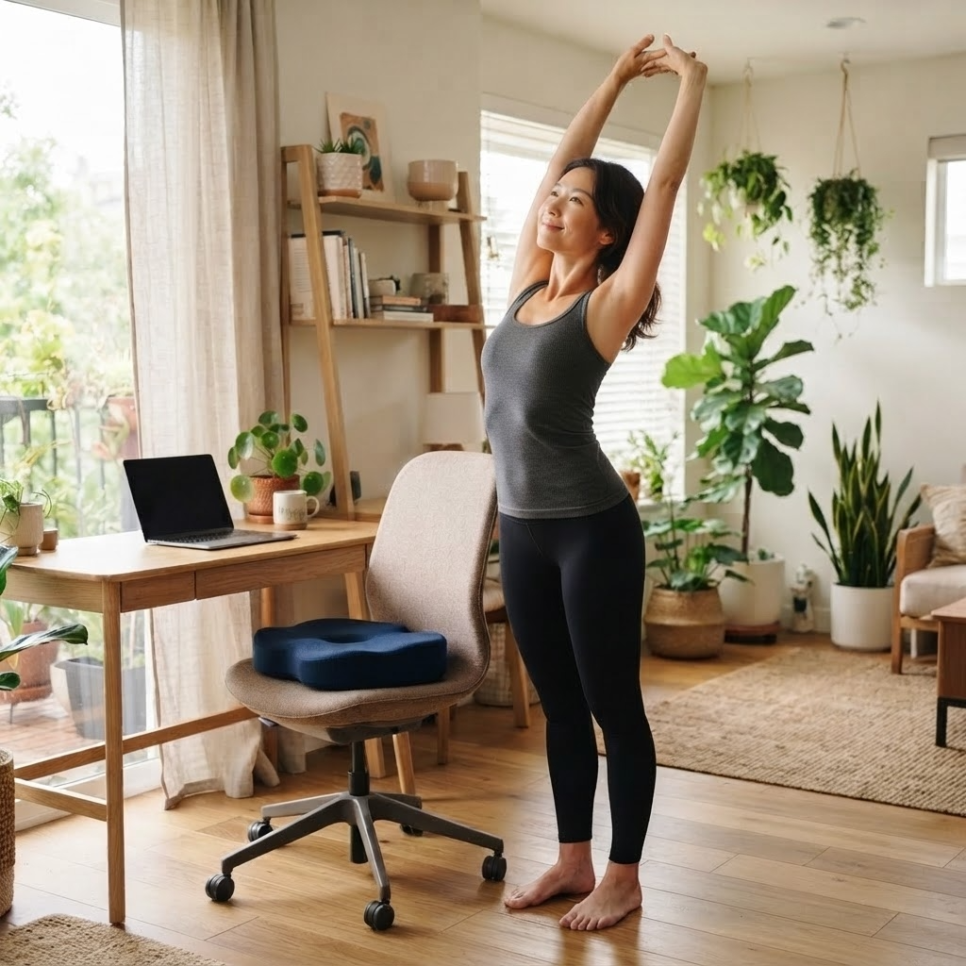
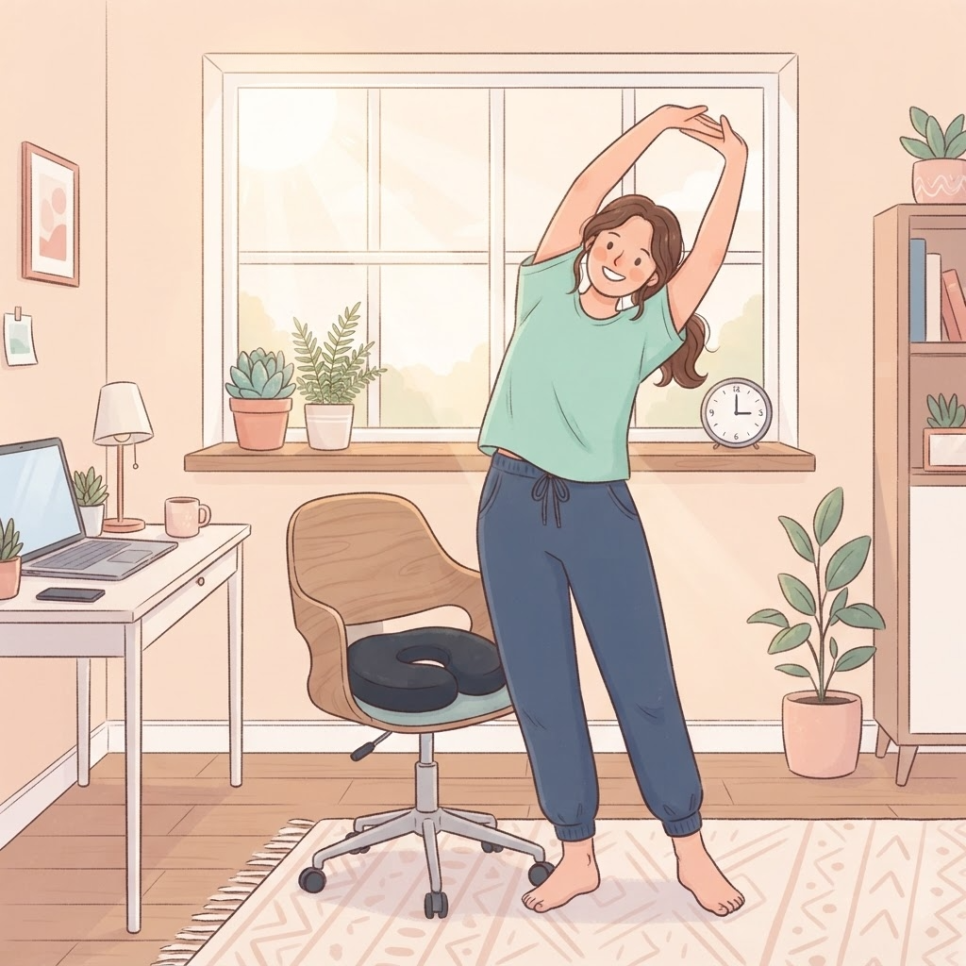
    Make it a habit to stand up and stretch for about 5 minutes after roughly every 50 minutes of sitting.

    Hemorrhoid cushion illustration 6

    Things to watch out for
    ⚠ Even with a cushion, avoid sitting continuously for more than 50 minutes.
    ⚠ If symptoms worsen or bleeding recurs, don’t rely on a cushion alone to manage it.
    Potential benefits of good posture
    ✅ May help maintain pelvic balance and ease pressure on the veins around the anus
    ✅ May help reduce the strain on the pelvis and spine that comes from long periods of sitting

    Hemorrhoid cushion illustration 7

    If your symptoms don’t improve — or get worse — despite using a cushion and adjusting your posture,
    that may be a sign that lifestyle changes alone aren’t enough.
    In that case, it’s best to get an accurate diagnosis from a medical professional rather than try to manage it on your own.
    You can also check the [Ansan Open Surgery Hospital] website for related information.


    Frequently Asked Questions

    1. Is it okay to use a hemorrhoid cushion all day?
    The cushion itself is fine to use for extended periods, but staying in one seated position for a long time still puts strain on the veins around the anus, so it’s best to stand up and stretch about every 50 minutes.

    2. Is a softer, plusher cushion better for pain relief?
    No. A cushion that’s too soft compresses under your body weight and can let the anal area touch the seat, so a high-density product with firmer support tends to be more effective.

    3. Can it be used in a car driver’s seat, not just an office chair?
    Yes, it can. Just make sure the cushion’s height doesn’t interfere with pedal operation or your view of the road before using it.

    4. Will using a hemorrhoid cushion alone make hemorrhoids go away completely?
    No. The cushion is only a supplementary tool that helps reduce physical irritation and pain. If symptoms persist or worsen, you should combine professional medical care with lifestyle changes.

    5. How should I care for the cushion cover?
    Choosing a product with a removable, washable mesh cover helps you keep it hygienic and reduces issues from sweat or moisture over time.


    References

    · Korea Disease Control and Prevention Agency (KDCA), “Hemorrhoids,” National Health Information Portal. Visit source
    · Asan Medical Center, “Hemorrhoids,” Disease Encyclopedia, Asan Medical Center Health Information. Visit source

    This article is intended to provide general health information and is not a substitute for individual diagnosis or treatment. If you have symptoms, please consult a physician.

  • Phone Habit Hemorrhoids: 3 Reasons to See an Ansan Colorectal Clinic

    Phone Habit Hemorrhoids: 3 Reasons to See an Ansan Colorectal Clinic

    SummaryBefore you visit an Ansan colorectal clinic, here is what to check first: the phone habit hemorrhoids link and what raises your risk in the bathroom, a checklist for bowel pain and bleeding, everyday prevention habits like sitz baths and fiber intake, and exactly when it is time to see a doctor.

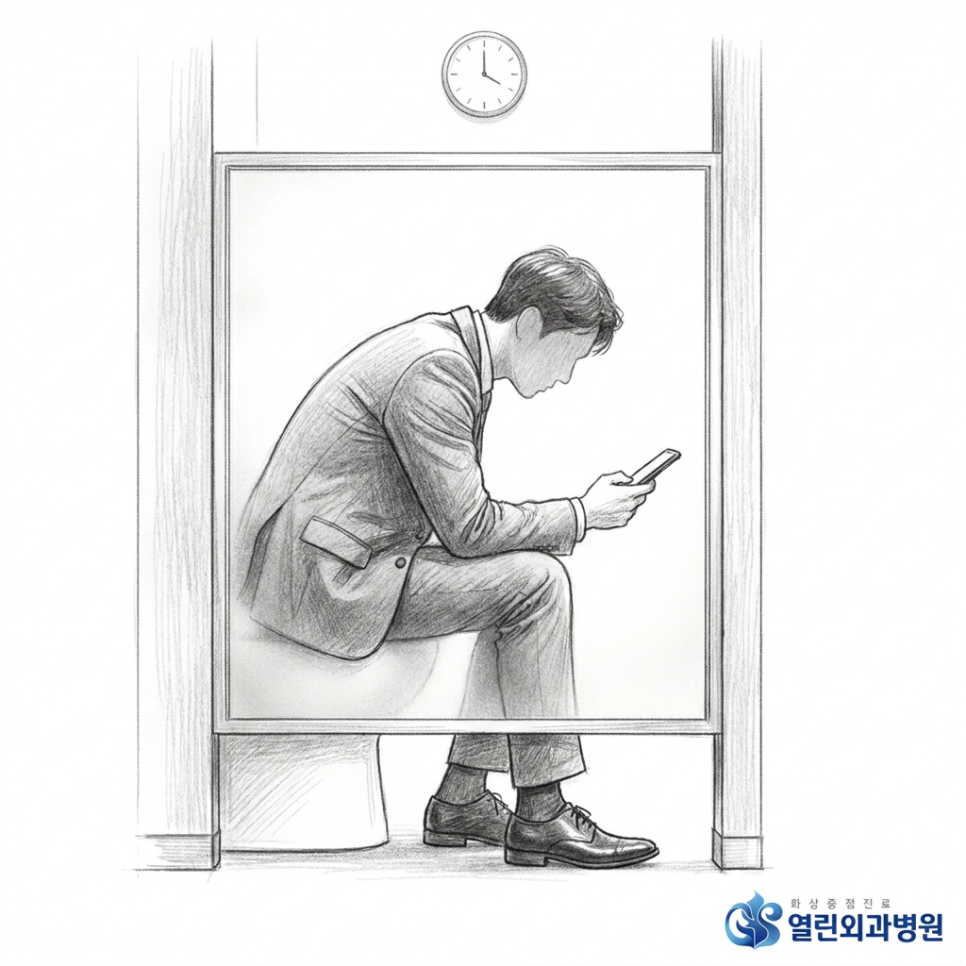
    Bringing your phone into the bathroom and losing track of five, even ten minutes—have you ever thought of it as just a harmless way to pass the time?

    Research from abroad suggests that people who use their phone during bowel movements are more likely to be diagnosed with hemorrhoids than those who don’t.

    In other words, the pain and discomfort that eventually send people to an Ansan colorectal clinic may start with just a few minutes of that habit.

    This is the phone habit hemorrhoids connection more people are starting to ask their doctor about.

    Phone habit hemorrhoids and Ansan colorectal clinic

    This article covers the common causes of anal conditions such as hemorrhoids and anal fissures—the kinds of issues an Ansan colorectal clinic sees regularly—along with a self-check list you can use before your visit.
    We’ll also walk through everyday prevention habits like sitz baths and fiber intake.

    And if self-care doesn’t help and the pain keeps coming back, we’ll explain exactly when it’s time to see a doctor.

    Ansan colorectal clinic illustration 2

    Phone Habit Hemorrhoids: Why Toilet Scrolling Raises Your Risk

    The short answer: sitting on the toilet and scrolling on your phone puts extra pressure on the blood vessels around the anus, and this raised pressure can increase your risk of hemorrhoids.

    Hemorrhoids occur when the blood vessels around the anus become swollen and stretched from repeated pressure, leading to pain and bleeding.

    This is also why hemorrhoids tend to show up more often in office workers and students who sit for long stretches.
    Straining during bowel movements or ongoing constipation raises local pressure, and over time this repeated strain can cause the vessel tissue to swell.

    In short, phone habit hemorrhoids risk climbs the longer you stay seated on the toilet with a screen in hand.

    Ansan colorectal clinic illustration 3

    Key Point
    One study conducted abroad found that people who used their phone in the bathroom were 46% more likely to be diagnosed with hemorrhoids than those who didn’t.
    Among phone users, 37.3% spent more than five minutes on the toilet at a time, compared with just 7.1% of non-users.

    It’s easy to write the discomfort off as simple fatigue, but identifying the actual cause comes first.
    That’s the only way to keep the same symptoms from coming back.


    What Symptom Checklist Should You Review Before Visiting an Ansan Colorectal Clinic?

    If any of the items below sound familiar, it’s worth getting an opinion from a specialist.
    Once anal fissures or hemorrhoids develop, the chance of recurrence goes up, so catching them early matters.

    Ansan colorectal clinic illustration 4

    Checklist
    ✅ Pain or discomfort during bowel movements
    ✅ Red blood on toilet paper
    ✅ A heavy, foreign-body sensation around the anus

    If even one of these keeps happening, don’t chalk it up to fatigue.
    We recommend scheduling a consultation soon.


    What Everyday Prevention Habits Can Help?

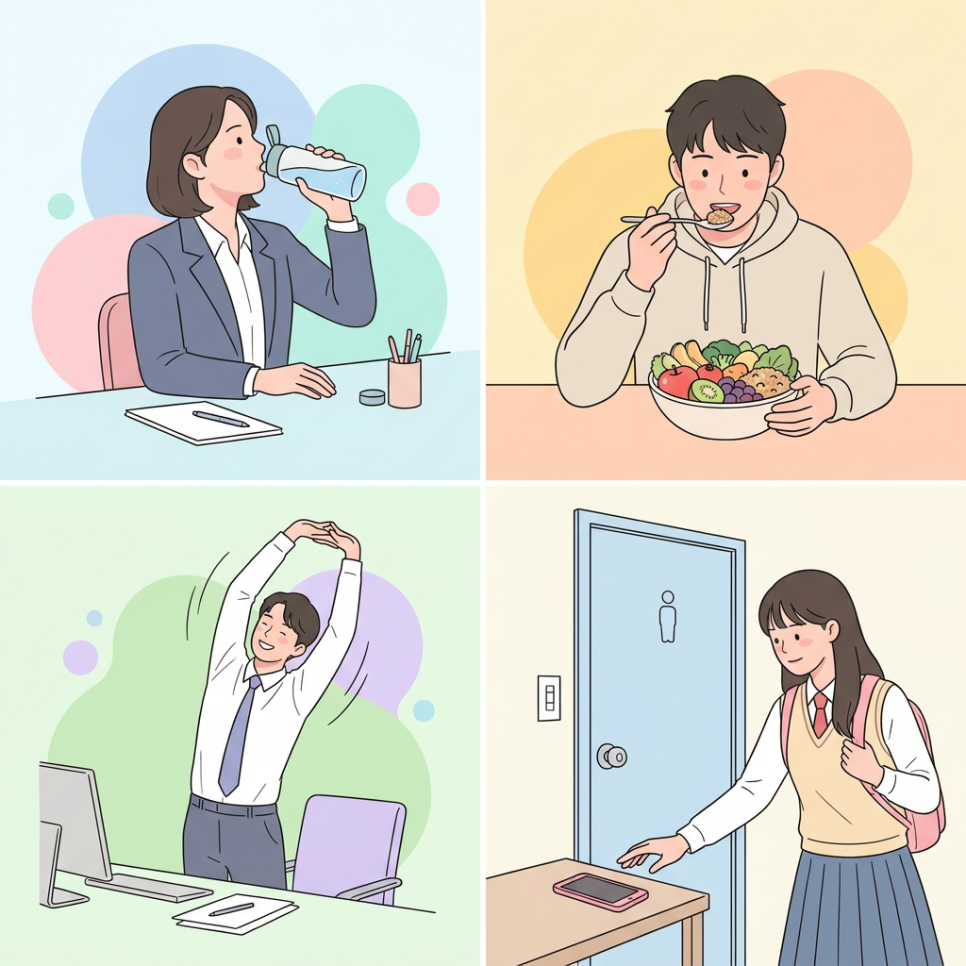
    In short, staying hydrated, eating enough fiber, taking sitz baths, and correcting bowel habits are four things that may help ease symptoms.
    Small daily changes can add up to a real difference.

    Ansan colorectal clinic illustration 5

    Habit Possible Benefit
    Hydration and fiber intake Softens stool and reduces local pressure
    Lukewarm sitz baths Relaxes the anal sphincter and supports circulation
    Stretching every hour Eases pressure on lower pelvic veins
    Limiting phone use in the bathroom Shortens time on the toilet and minimizes pressure exposure

    Sitz baths are typically done with lukewarm water about two to three times a day for around five minutes each, though the exact frequency can vary depending on your symptoms or your doctor’s guidance.
    Eating a balanced mix of fiber-rich foods such as vegetables, seaweed, and whole grains can help as well.

    Takeaway
    Small lifestyle adjustments may help ease discomfort.
    Establishing a regular bowel rhythm can also support prevention.
    Key Point
    If your job keeps you seated for long periods, using a cushion to distribute pressure and standing up to move around every hour can help.

    When Should You See an Ansan Colorectal Clinic?

    If pain or bleeding keeps recurring even after adjusting your habits, don’t put it off—it’s a good idea to see an Ansan colorectal clinic.
    Missing the right window can make treatment take longer.

    Ansan colorectal clinic illustration 6

    Many people delay a visit because they’re busy, or because the topic feels embarrassing to bring up.
    But it’s worth remembering that toughing it out isn’t always the best approach.

    Some reports note that conditions like anal fissures or anal abscesses can recur more often when left untreated without addressing the underlying cause.
    Addressing symptoms early, rather than letting them worsen, is generally a better way to look after your health.

    Caution
    Letting symptoms go untreated and become chronic can interfere with daily life.
    Don’t dismiss even mild symptoms.

    If you’d like to discuss an anal condition, you can also reach out through the [Ansan Yeollin Surgery Hospital] homepage.
    Feel free to reach out for a relaxed, no-pressure consultation.


    Frequently Asked Questions

    1. How often should I take a sitz bath?
    Lukewarm water, about two to three times a day for roughly five minutes, is typical, though the exact frequency can vary based on your doctor’s guidance. Water that’s too hot can actually irritate the area, so caution is needed.

    2. Which foods are good sources of fiber?
    A varied mix of everyday foods—vegetables, seaweed, and whole grains—is an effective way to get enough fiber.

    3. If I notice a little blood during a bowel movement, do I automatically need surgery?
    In early stages, simple care and lifestyle adjustments are often enough to improve symptoms, so there’s no need for excessive worry. That said, if symptoms keep recurring, it’s best to see a doctor.

    4. I have a job that keeps me seated for long hours—are there ways to prevent this?
    Standing up to stretch lightly every hour and using a cushion to distribute pressure can help.

    5. Is there anything I should prepare before visiting the clinic?
    Jotting down your usual bowel habits and when your symptoms started ahead of time makes the consultation go more smoothly.

    Ansan colorectal clinic illustration 7


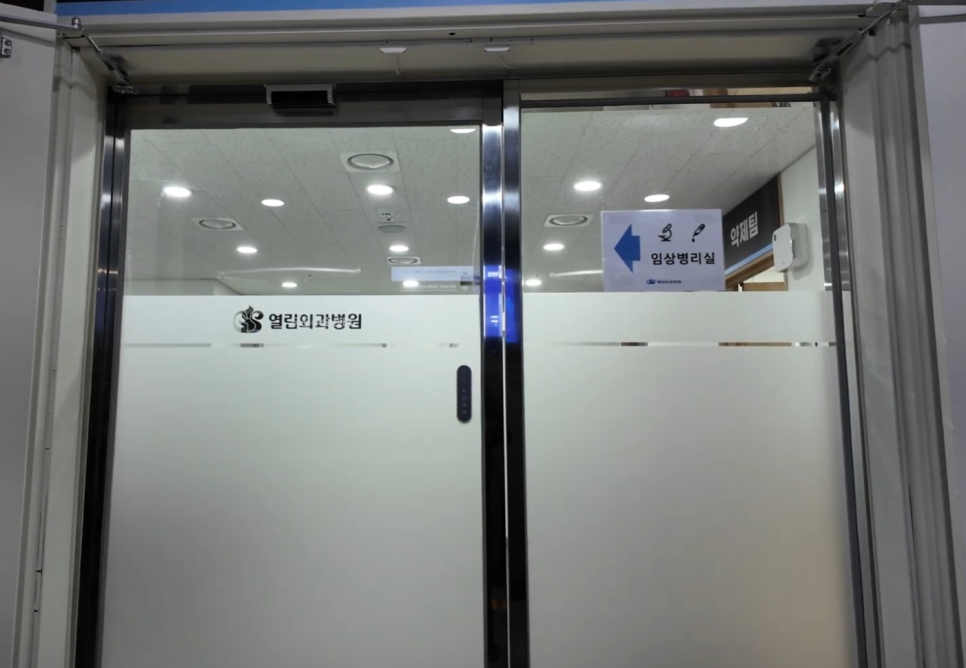
    Below are photos of Yeollin Surgery Hospital, which also provides care for anal conditions.

    Ansan colorectal clinic illustration 8

    Ansan colorectal clinic illustration 9

    Ansan colorectal clinic illustration 10

    Ansan colorectal clinic illustration 11

    Ansan colorectal clinic illustration 12

    Ansan colorectal clinic illustration 13

    Ansan colorectal clinic illustration 14

    Ansan colorectal clinic illustration 15

    Ansan colorectal clinic illustration 16

    Ansan colorectal clinic illustration 17

    Located at 376 Hwarang-ro, Danwon-gu, Ansan-si, Gyeonggi-do — basement level 1, floors 2–4 (across from Ansan City Hall and Danwon Police Station).


    References

    · Financial News, “Why Is Using Your Phone in the Bathroom Risky? ‘Sitting Too Long Is the Problem,’” Financial News, 2026. View source
    · Hidoc, “5 Bad Habits That Cause Hemorrhoids… A Pharmacist’s Guide to Prevention and Care,” Hidoc, 2026. View source
    · Hidoc, “Are Hemorrhoids a Chronic Problem? Why They Recur So Often,” Hidoc. View source
    · Medical World News, “Is a Sitz Bath ‘Medicine’ for Hemorrhoid Prevention? The Wrong Technique Can Be ‘Poison,’” Medical World News. View source


    This article is intended for general health information purposes only and is not a substitute for individual diagnosis or treatment. If you have symptoms, please consult a medical professional.