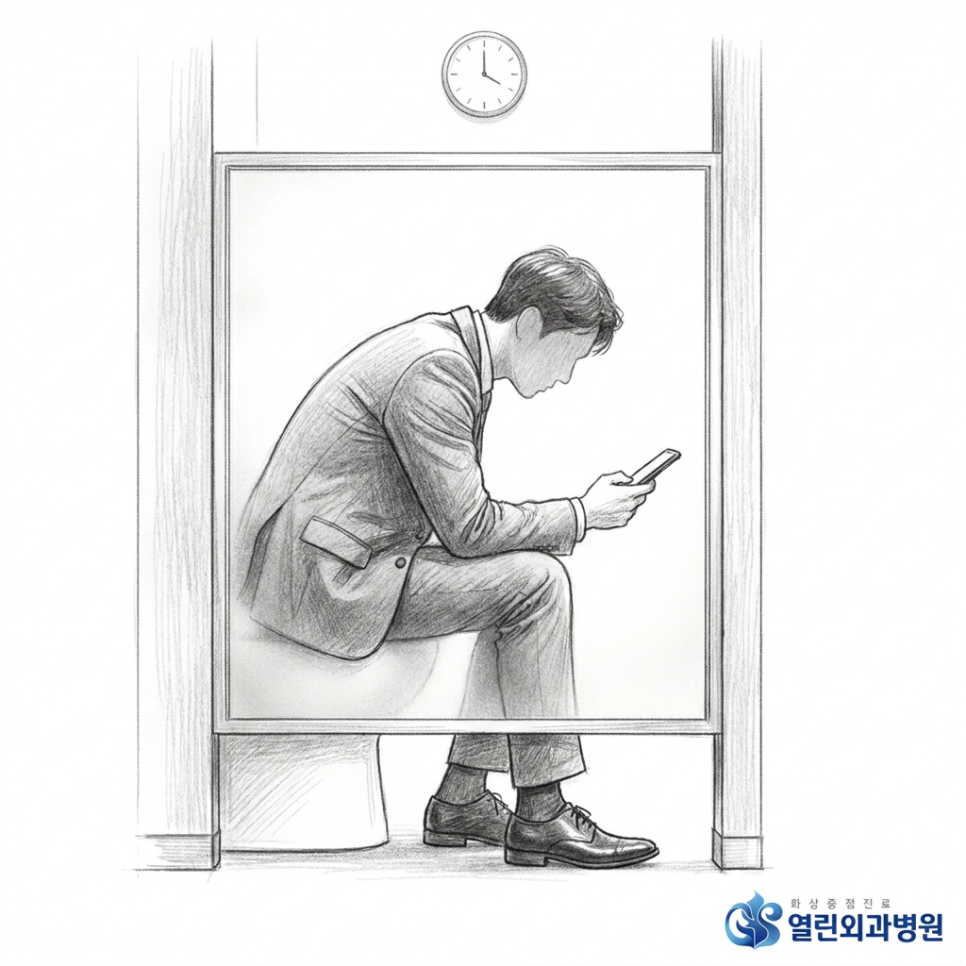
Bringing your phone into the bathroom —
just a harmless way to pass the time, right?
In reality, the symptoms that send people to an Ansan proctology clinic often start
in just those few minutes.
Most people, when the pain shows up, brush it off as “I’m probably just tired lately.” But there’s a clear reason this happens so often to office workers and students who sit for long hours.

Without knowing the cause, the same symptoms are bound to keep coming back no matter how much you try to just tough it out.
Let’s walk through why this happens — and why enduring it isn’t the answer.

· An Ansan proctology clinic visit addresses symptoms such as pain during bowel movements, blood, and discomfort around the anus.
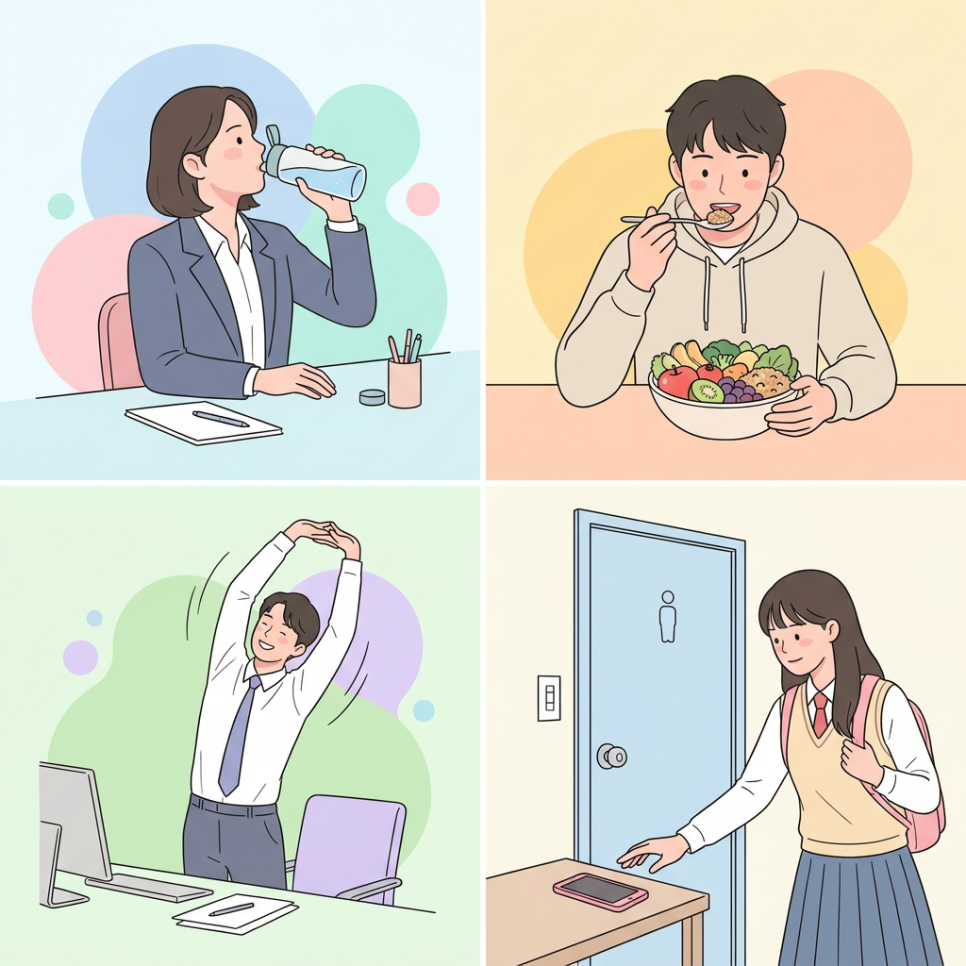
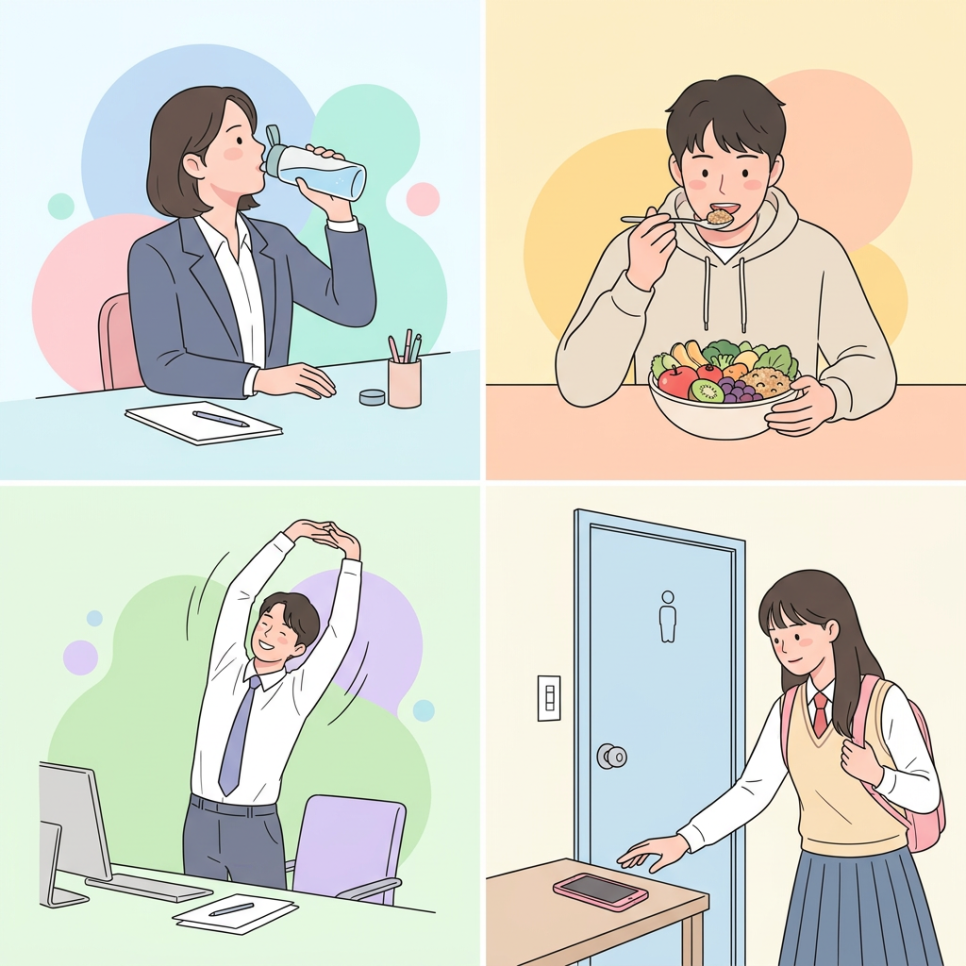
· The basics of self-care are lukewarm sitz baths 2-3 times a day for 3-5 minutes, plus standing up to stretch every hour.
· If self-care doesn’t help and the pain keeps recurring, it’s safer to see a doctor before it becomes chronic.
Why Does Sitting for Long Periods Cause Anorectal Problems?
To put it simply: prolonged sitting and straining too hard during bowel movements repeatedly put pressure on the blood vessels around the anus.
Hemorrhoids are a condition in which the blood vessel tissue inside and around the anus stretches and swells, causing pain, bleeding, and discomfort.
This is also why it’s especially common among office workers and students who sit for long stretches.
Many people have felt the effects after neglecting healthy bowel habits because of a busy schedule.

Straining excessively during bowel movements or ongoing constipation raises local pressure in that area.
As this repeats, the vessel tissue swells and pain develops.
It’s easy to write this off as simple fatigue.
Pinpointing the actual cause is important.

If you notice discomfort during bowel movements, it’s worth considering treatment.
If even one item on the checklist below applies to you, we recommend getting a professional opinion.
✅ Stinging or pain with every bowel movement
✅ Bright red blood on the toilet paper
✅ Swelling or a heavy feeling around the anus
✅ The same symptoms repeating for several days
Once an anal fissure or hemorrhoids develop, the chance of recurrence goes up,
which is why early management matters so much.
Before Visiting an Ansan Proctology Clinic: What Prevention Steps Can You Take at Home?
The key comes down to two lifestyle habits that lower pressure during bowel movements: proper sitz baths and adequate fiber intake.
A sitz bath is a warm-water self-care method that is generally used to help improve blood circulation around the anus and may help relieve congestion and swelling.
Even one small change may help, and sticking with it consistently may help ease everyday discomfort.
The Right Way to Take a Sitz Bath
- Prepare lukewarm water at about 104-113°F (40-45°C), similar to a warm bath.
- Aim for 3-5 minutes per session, 2-3 times a day.
- Going past 5 minutes can actually irritate the anal tissue, so stick to the time limit.
- After the bath, gently pat the area dry rather than rubbing, to keep it from staying damp.
Simply sticking to the recommended time and temperature may help with comfort.
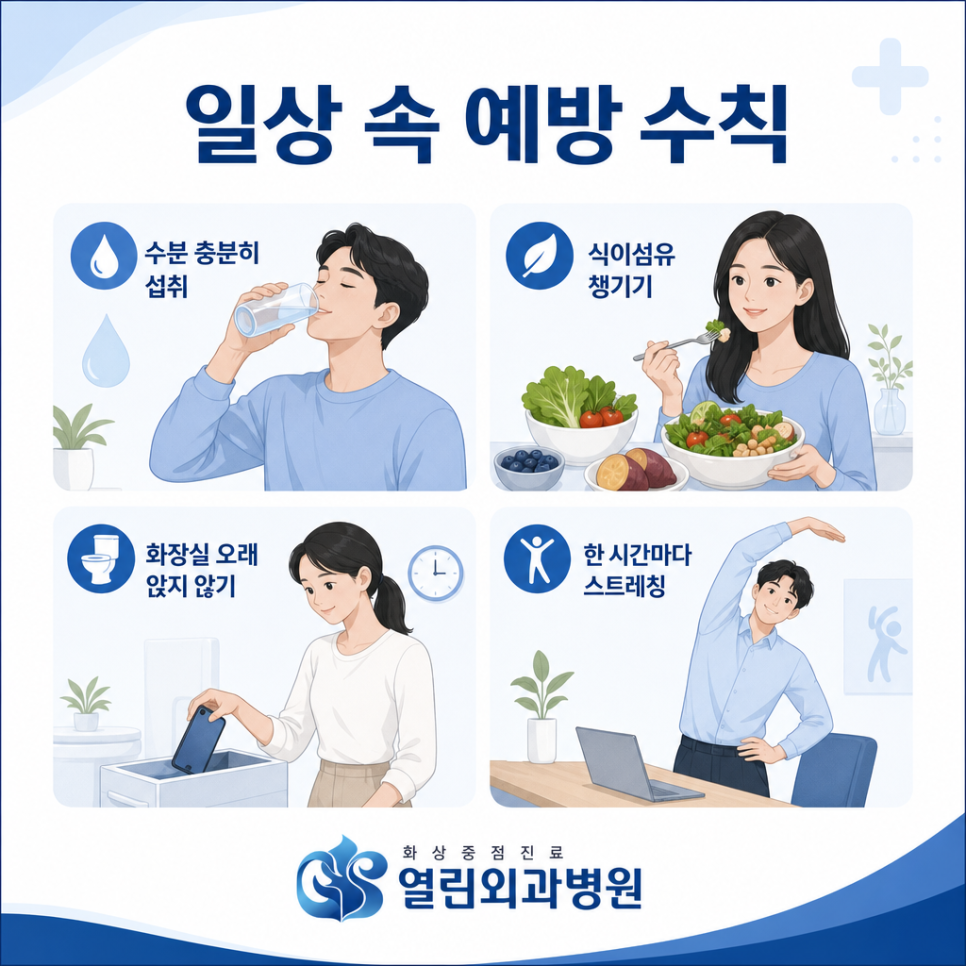
Getting enough water and dietary fiber is also important.
It may help soften stool and reduce local pressure.
According to a report by Hidoc, the recommended daily fiber intake for adults is around 25g for women and 38g for men.
It’s best to increase intake gradually, focusing on vegetables, seaweed, and whole grains.
It’s also important to break the habit of sitting on the toilet for long periods with your phone.
The longer you sit, the more strain builds up on the blood vessels around the anus.
Even small lifestyle adjustments can help ease discomfort.
Finding a regular bowel rhythm is the first step.
When Should You Decide It’s Time for an Ansan Proctology Clinic Visit?
If symptoms keep recurring or worsening even after two or more weeks of self-care, it’s best not to put off seeing a doctor.
Chronic hemorrhoids describes a condition where symptoms keep recurring after the window for early management has passed.
Missing the right time to seek treatment can make the process take longer.
Many people put off going to the doctor simply because they’re busy or feel embarrassed to bring it up.
But it’s worth remembering that toughing it out isn’t the answer.

If self-care alone isn’t helping and the pain keeps coming back, don’t hesitate.
Addressing it early — rather than letting it worsen — is generally considered a better way to take care of your body.
Leaving symptoms untreated until they become chronic can disrupt daily life.
Don’t dismiss even mild symptoms.
If you need an accurate diagnosis and consultation, you can find hospital information at the link below.
[Ansan Yeollin Surgical Hospital] Visit the Website
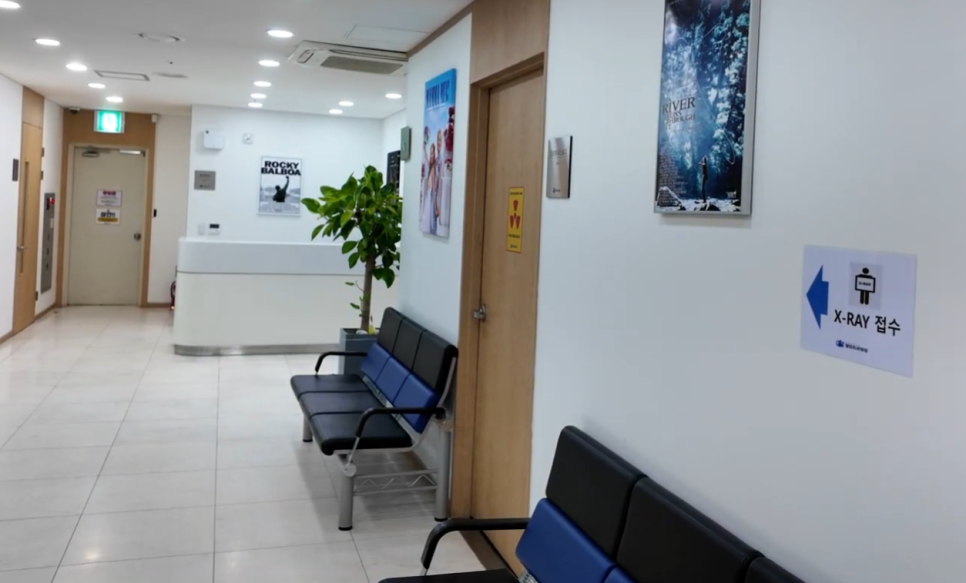
How to Get to Yeollin Surgical Hospital
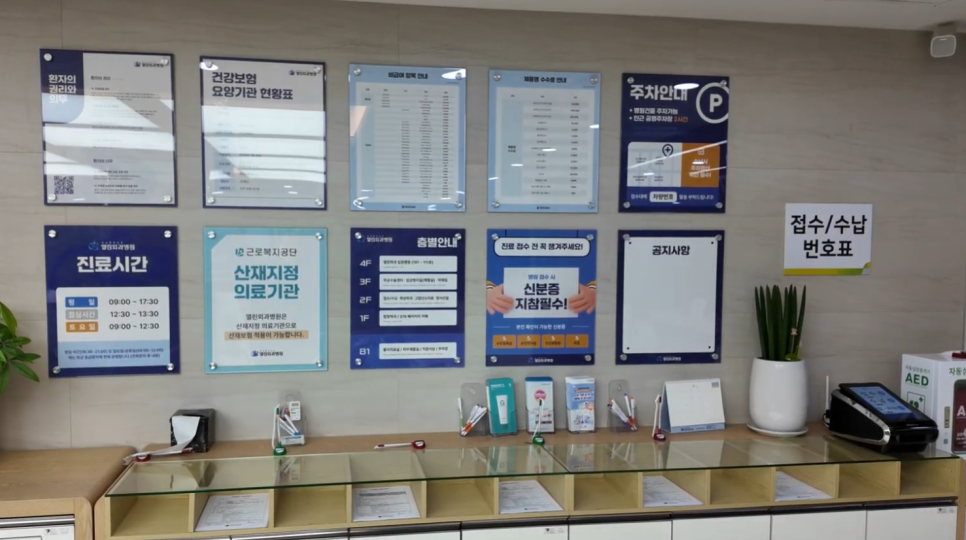
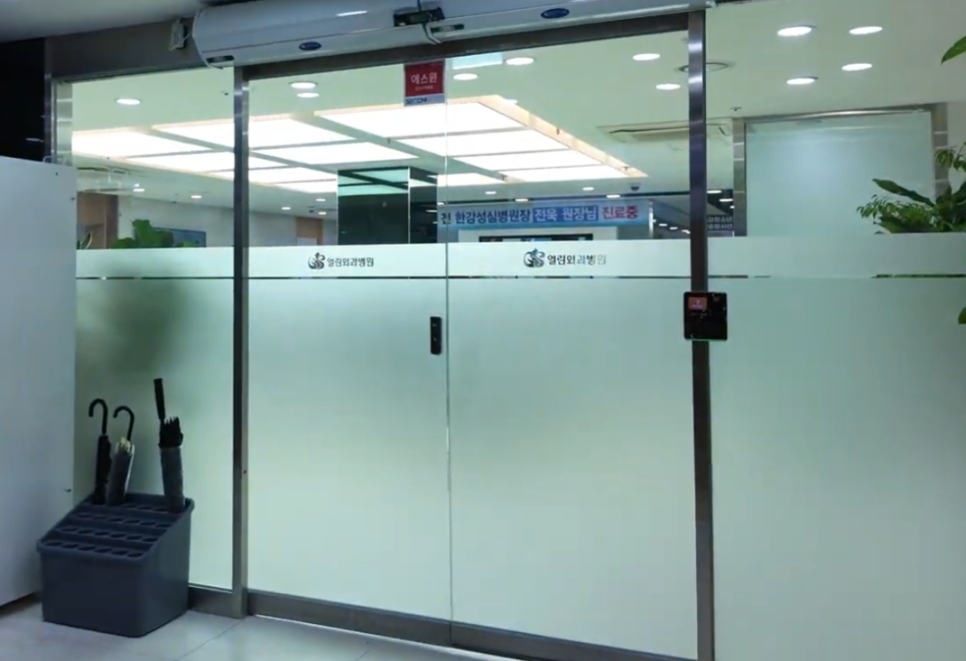
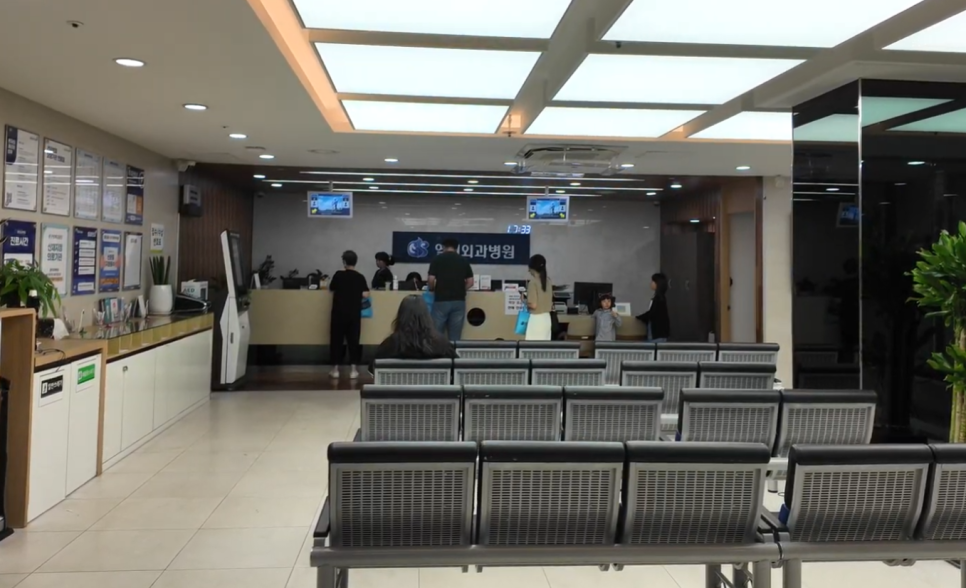
The hospital is located at 376 Hwarang-ro, Danwon-gu, Ansan-si, Gyeonggi-do (basement level and floors 2-4),
directly across from Ansan City Hall and Danwon Police Station, so it’s easy to find.



Frequently Asked Questions
1. How often and how long should I take a sitz bath?
Lukewarm water (about 104-113°F/40-45°C), 2-3 times a day for 3-5 minutes each, is appropriate. Water that’s too hot can actually irritate the area.
2. What foods are good sources of fiber?
Eating a variety of everyday foods like vegetables, seaweed, and whole grains is an effective way to get enough fiber.
3. If I notice a little blood during a bowel movement, do I need surgery right away?
In many early-stage cases, lifestyle adjustments alone can lead to improvement, so it’s usually fine to monitor the situation and manage it first.
4. I sit for long hours at work — is there a specific way to prevent this?
Standing up to stretch lightly every hour and using a cushion that helps distribute pressure can help.
5. Is there anything worth preparing before my appointment?
Jotting down your usual bowel habits and when your symptoms started can make the consultation go more smoothly.
References
· Asan Medical Center, “Hemorrhoids,” Disease Encyclopedia, Asan Medical Center. View Source
· Severance Hospital, “Hemorrhoids: Consistent Warm-Water Sitz Baths Can Relieve the Pain,” Health Information, Severance Hospital. View Source
· Hidoc, “‘Good vs. Bad Foods’ for Constipation and Hemorrhoids,” Hidoc News. View Source
· Hidoc, “5 Bad Habits That Cause Hemorrhoids… A Pharmacist’s Guide to Prevention and Management,” Hidoc News. View Source
This article is intended to provide general health information and is not a substitute for individual diagnosis or treatment. If you have symptoms, please consult a medical professional.