Tag: Post-Surgical Care

  • Local Flap Surgery Recovery Time: 6 Months and 3 Key Differences From Skin Grafts

    Local Flap Surgery Recovery Time: 6 Months and 3 Key Differences From Skin Grafts

    SummaryHow long does local flap surgery recovery time take? This guide covers the differences from skin grafting, the stage-by-stage recovery timeline, and the care habits that can help support flap survival — all organized around local flap surgery recovery time.

    When a deep burn leaves a large skin defect, simple suturing alone tends to pull the skin too tightly, causing the wound to reopen.
    In cases like this, doctors often recommend a reconstructive procedure called local flap surgery.

    Since this surgical approach isn’t widely known, understanding local flap surgery recovery time and how it differs from skin grafting ahead of time can be a big help when planning your treatment.

    Key Takeaways
    Local flap surgery is a reconstructive technique that moves tissue while keeping its blood supply intact, structurally different from skin grafting, where blood flow is completely severed.
    Local flap surgery recovery time generally falls into two phases: 3 to 6 months for tissue stabilization, and up to a commonly cited 1 to 1.5 years for the burn scar to fully mature.
    Blood flow management during the first 1-2 weeks after surgery can significantly affect flap survival.

    This article walks through the surgical principles behind local flap surgery, how it compares with skin grafting, the stage-by-stage recovery process, and the care habits that can help improve flap survival.
    If you’re preparing for burn reconstruction, the information below can serve as a practical reference for your decisions.

    local flap surgery recovery time

    What Is Local Flap Surgery, and How Is It Different From Skin Grafting?

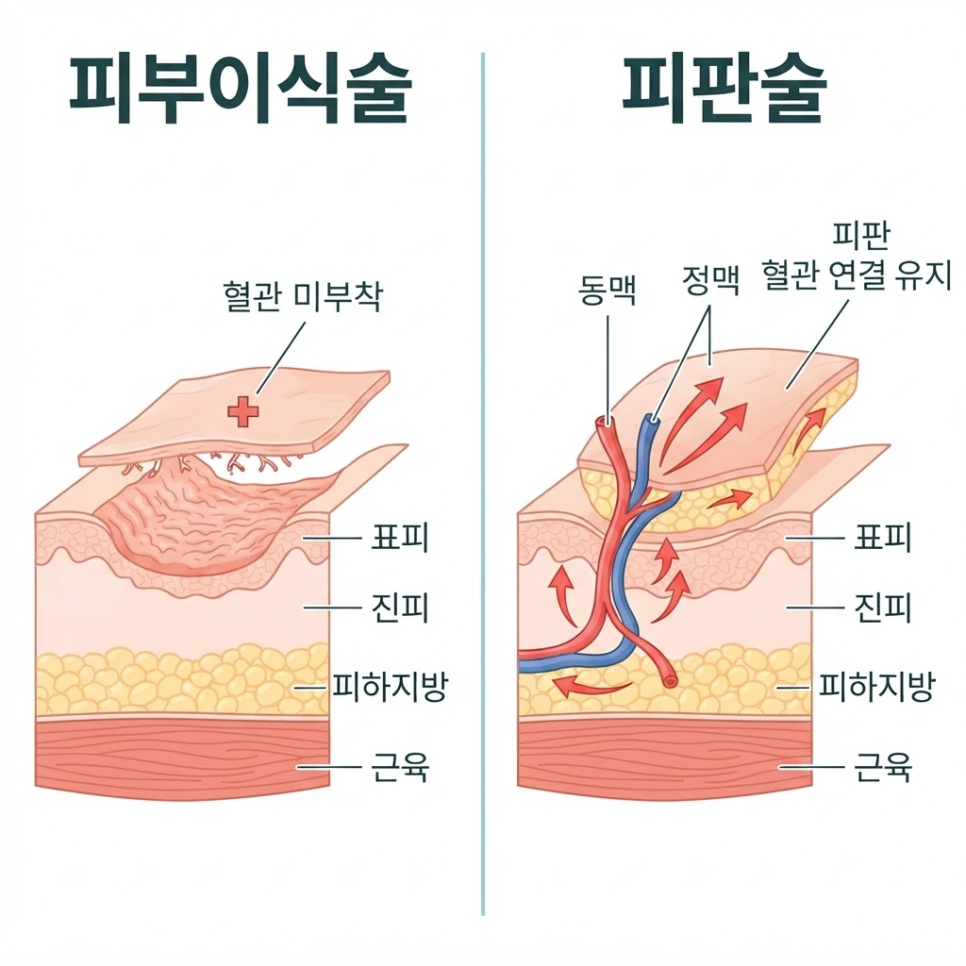
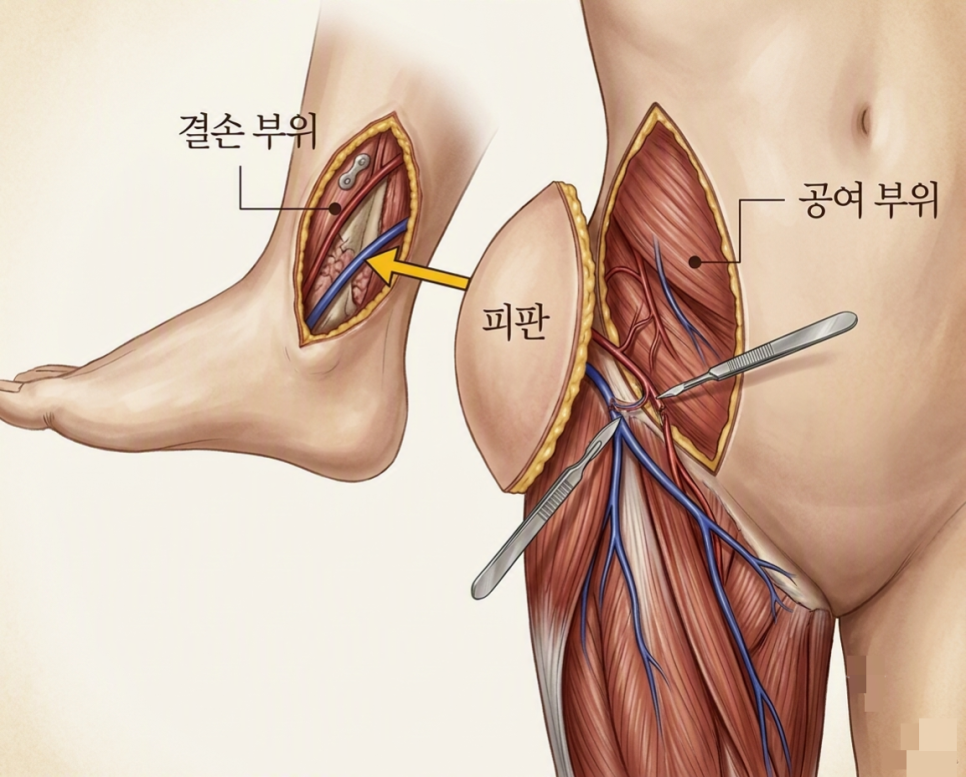
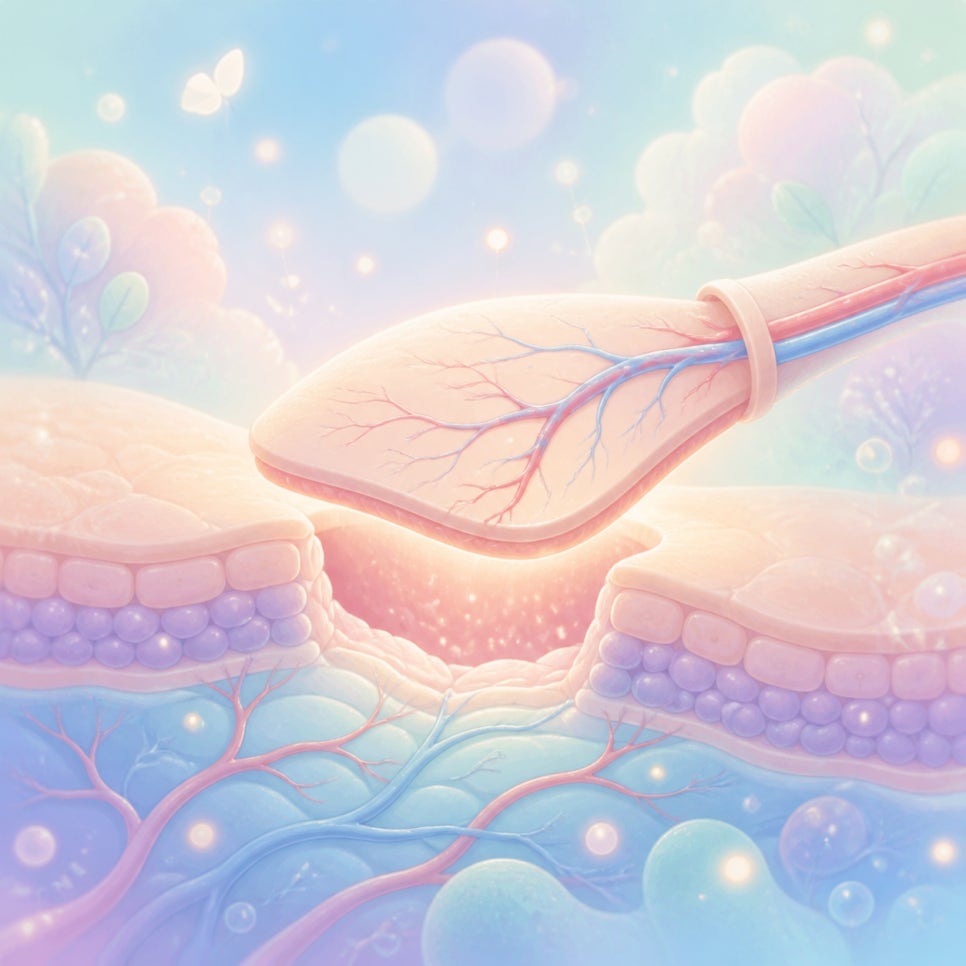
    Local flap surgery is a procedure that reconstructs a tissue defect by moving nearby healthy skin while keeping its blood vessels intact.
    Skin grafting, by contrast, involves completely detaching skin and transplanting it with no blood supply, so the two techniques differ at a fundamental, structural level.

    When a burn reaches third-degree depth or deeper, it destroys not only the epidermis and dermis but also the underlying subcutaneous tissue.
    In these cases, natural healing or simple suturing alone usually isn’t enough, and surgical reconstruction becomes necessary.

    According to Asan Medical Center’s disease encyclopedia, third-degree and deeper burns are generally treated with surgical options such as skin grafting and flap surgery.

    Key Points
    ✔️ Relatively stable tissue survival: Maintaining blood supply may help lower the risk of tissue necrosis.
    ✔️ Functional and aesthetic reconstruction: When applied to joint areas, it may help prevent skin contracture, and color and texture tend to closely match the surrounding skin.
    ✔️ Customized design: Depending on the location and size of the defect, flaps can be designed as rotation, transposition, or advancement types.
    local flap surgery recovery time - image 2

    Aspect Local Flap Surgery Skin Grafting
    Blood supply Moved while intact Completely severed, then re-established
    Survival stability May be more stable due to maintained blood flow Depends on new vessel formation at the recipient site
    Common application sites Functional areas such as joints Large-area defects
    Skin texture Similar to surrounding skin May differ from the donor site

    local flap surgery recovery time - image 3

    Third-degree burns damage the epidermis, dermis, and subcutaneous tissue, often requiring surgical treatment such as skin grafting or flap surgery.

    The Korea Disease Control and Prevention Agency’s National Health Information Portal provides similar guidance on deep, third-degree-and-above burns.
    For this reason, precisely diagnosing the depth and location of the injury should come before setting a treatment plan.
    local flap surgery recovery time - image 4


    How Long Does Local Flap Surgery Recovery Time Take?

    Local flap surgery recovery time refers to how long it takes for the relocated tissue to rebuild microvessels in its new position and for the scar to mature.
    At minimum, tissue stabilization takes about 3 to 6 months; full scar maturation can take a year or longer.

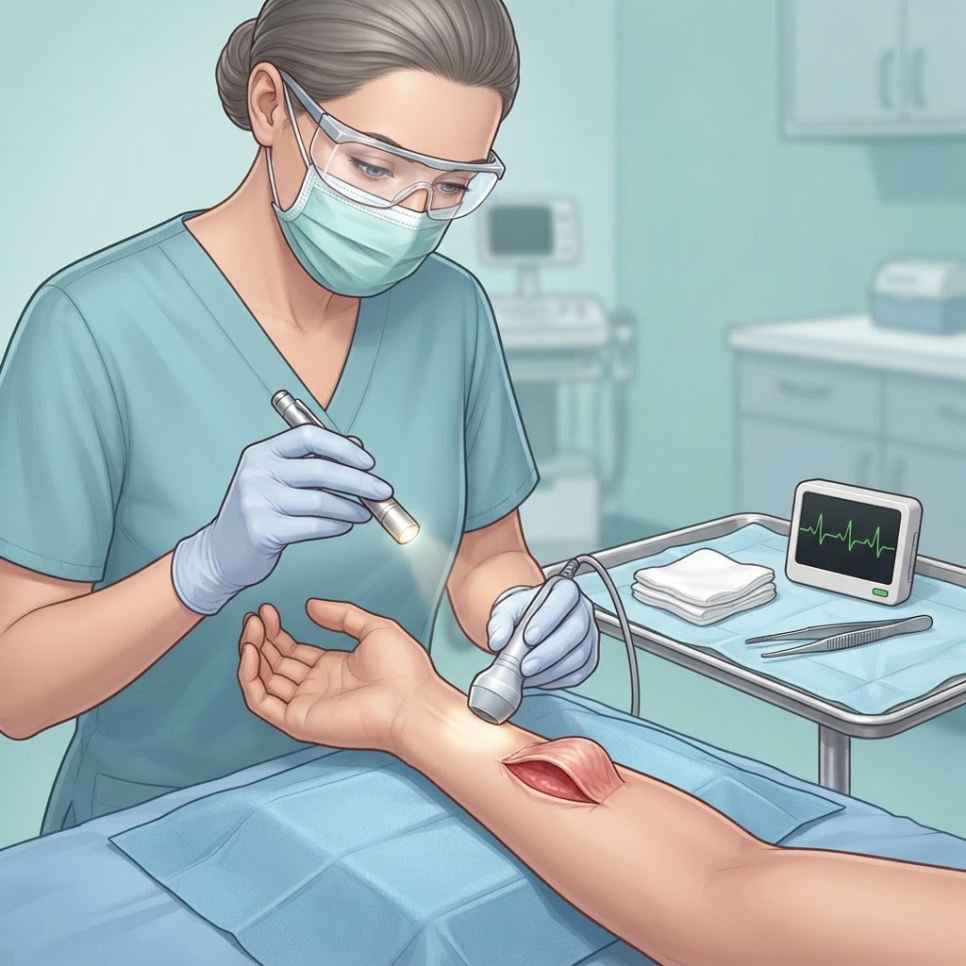
    The first week after surgery is the golden window for closely monitoring the flap’s blood circulation.
    If the flap becomes unusually pale or takes on a bluish tint during this period, it should be checked by your medical team right away.

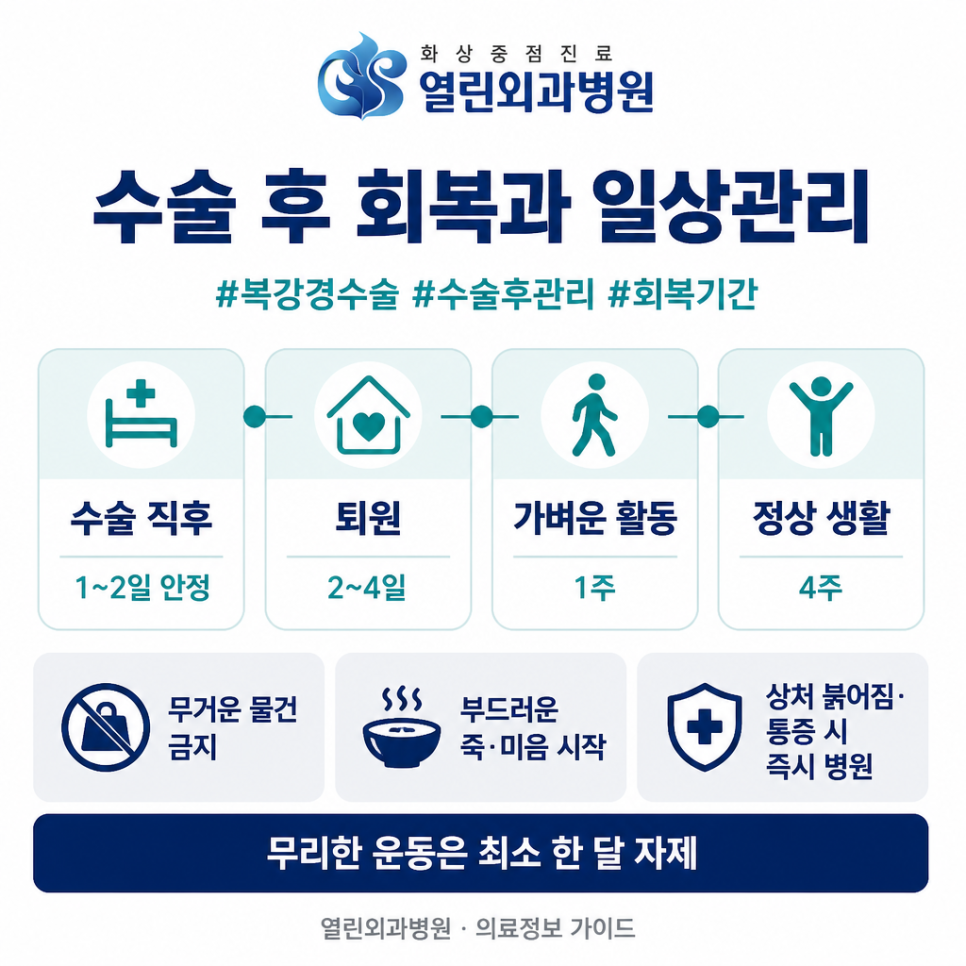
    1. Days 1-5 after surgery: Monitoring flap blood circulation and color, managing swelling
    2. Days 10-14 after surgery: Removing surface sutures and assessing initial wound healing
    3. Months 1-3 after surgery: Tissue stabilization, pressure therapy to help ease burn scarring
    4. 6+ months after surgery: Flap reaches maturity, skin flexibility gradually returns

    local flap surgery recovery time - image 5

    According to a Busan Ilbo interview with a burn specialist, it typically takes about 1 to 1.5 years for burned skin to fully stabilize and mature. It’s worth noting that this figure isn’t specific to local flap surgery — it’s a general description of burn recovery overall.
    The same article notes that sunscreen should be applied diligently for at least 6 months to a year after sutures are removed.

    In other words, even after a wound looks healed on the surface, the blood vessels and scar tissue underneath continue to change.


    How Can You Improve Flap Survival Rates During Recovery?

    Blood flow management during the first 1-2 weeks after surgery can have a significant impact on flap survival.
    The relocated microvessels are very fragile, so how well they’re cared for early on can substantially affect how fast recovery progresses later.

    Checklist
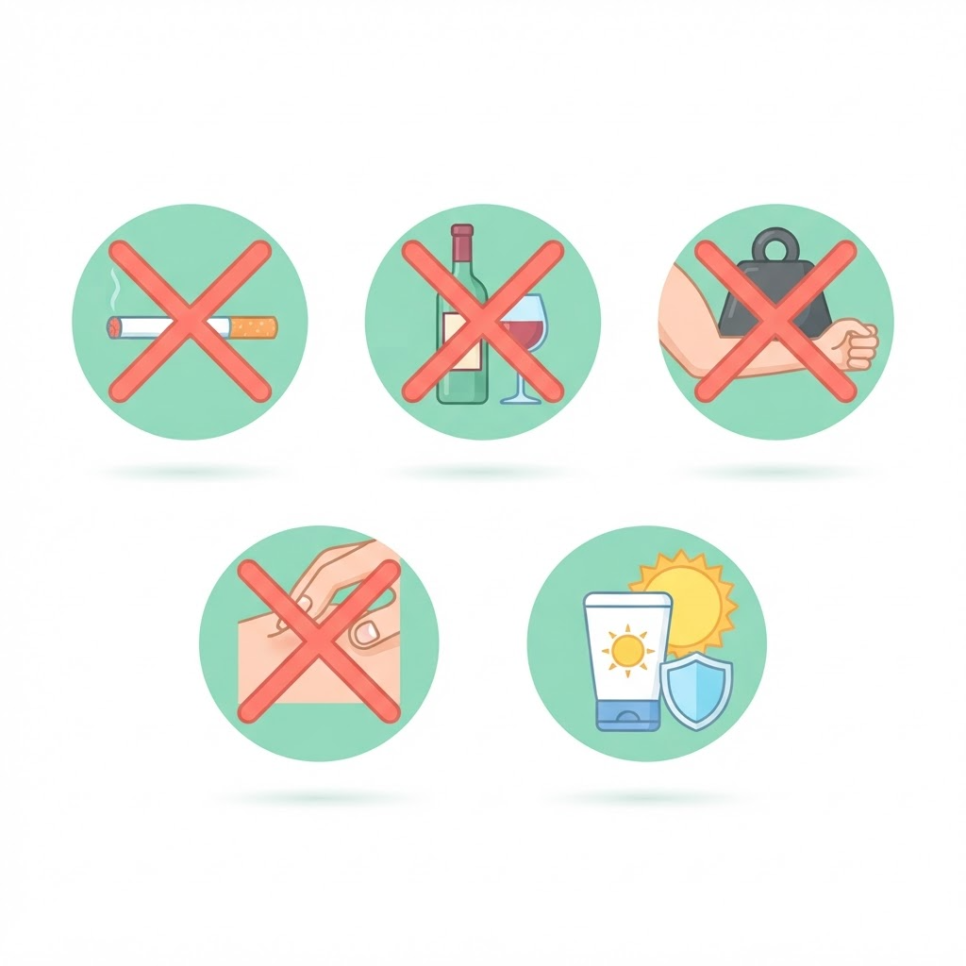
    ✅ Keep a posture that avoids putting direct pressure on the surgical site
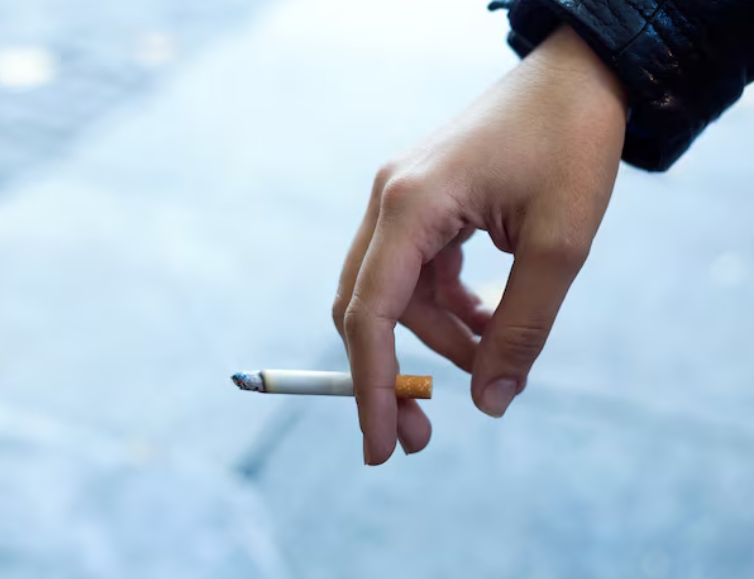
    ✅ Avoid smoking and alcohol completely, since both can restrict tissue blood flow
    ✅ Avoid self-directed massage or strong friction on the area entirely
    ✅ Apply sunscreen and scar care products consistently after sutures are removed
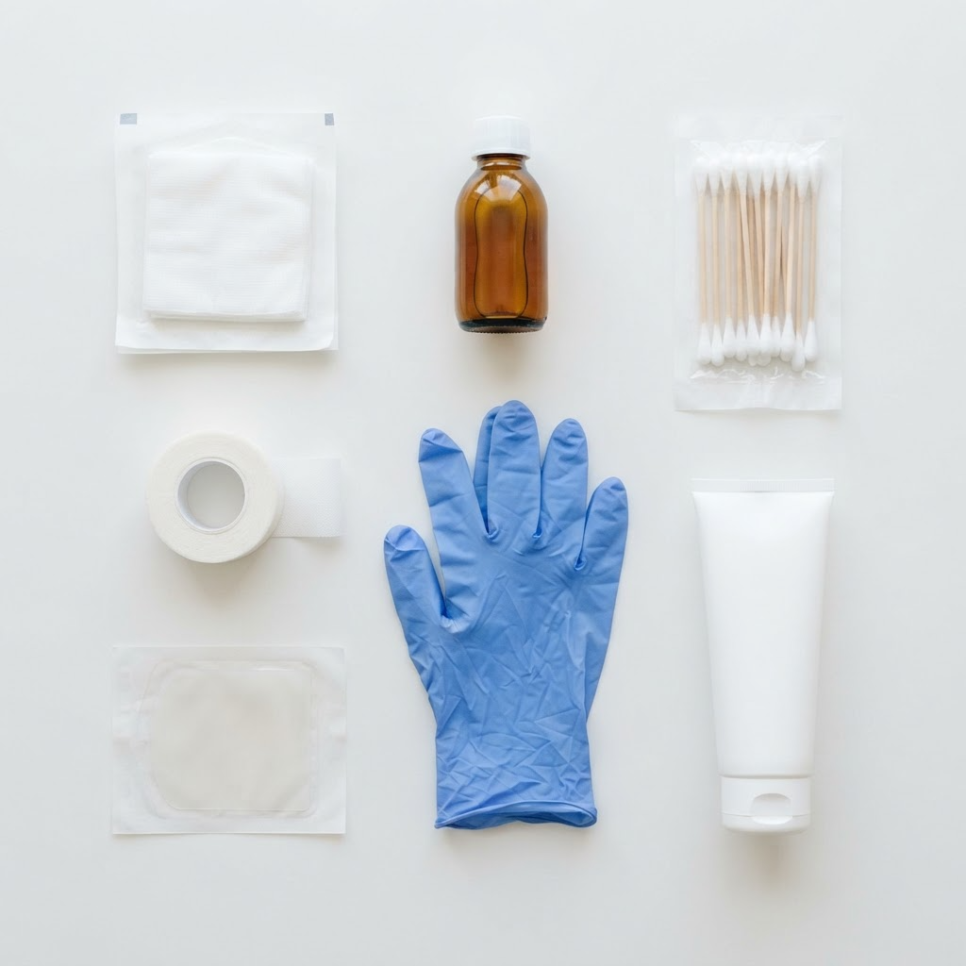
    ✅ Follow the prescribed disinfection schedule and take medications exactly as directed
    local flap surgery recovery time - image 6

    Precautions
    Itching or pain may occur intermittently during healing.
    Scratching the area or forcibly picking at scabs can lead to infection or worsen scarring.
    It’s best to disinfect the area carefully and maintain cleanliness according to your medical team’s instructions.

    In burn reconstruction, the months of care after surgery often matter more than the procedure itself.
    If you’d like to track your recovery stage by stage with a medical team, you can find more information on the [Ansan Open Surgery Hospital] burn treatment homepage.
    local flap surgery recovery time - image 7


    Frequently Asked Questions

    1. When can I start disinfecting the wound and washing my face?
    You can generally take a light shower or wash your face starting the day after all sutures have been removed. Before that, avoid letting water touch the wound directly, and follow your medical team’s instructions for disinfection.

    2. Is it normal for the surgical site to feel tight or hard?

    As scar tissue matures during recovery, the skin can temporarily feel hard or tight. This is a normal part of the healing process, and it typically softens gradually over time.

    3. What warning signs should I watch for during recovery?
    If the flap turns noticeably dark red or unusually pale, or if you notice a strong odor or pain accompanied by warmth, this could indicate a circulation problem or infection, and you should seek medical attention immediately.

    4. Can I go about daily life during local flap surgery recovery time?
    In the early period after surgery, you should avoid pressure and friction on the area, but from around the 1-3 month tissue-stabilization stage, you can gradually resume daily activities under your medical team’s guidance.


    References

    · Asan Medical Center, “Tissue Reconstruction Using Flap Surgery,” Asan Medical Center Disease Encyclopedia. View source
    · Asan Medical Center, “Tissue Reconstruction Using Skin Grafts,” Asan Medical Center Disease Encyclopedia. View source
    · Korea Disease Control and Prevention Agency, “Burns,” National Health Information Portal. View source
    · Busan Ilbo, “Burn Skin Care: The 3-6 Months After Wound Healing Matter Most,” 2020. View source


    This article is intended for general health information purposes only and is not a substitute for individual diagnosis or treatment. If you have symptoms, please consult a medical professional.

  • Appendectomy Scar Care: 3 Steps That May Help Prevent Discoloration

    Appendectomy Scar Care: 3 Steps That May Help Prevent Discoloration

    SummaryAppendectomy scar care depends heavily on how you handle the golden window right after your stitches come out. Here’s why scars can widen, the 3-step care routine by phase, and the daily habits that help prevent discoloration — all in one place.

    Even after your appendectomy stitches have fully healed,
    does the scar on your side still catch your eye every time you look?

    Two people can have the exact same surgery,
    yet one ends up with a scar that’s barely noticeable
    while the other is left with a red, thickened mark.

    That difference isn’t just about skin type —
    how you handle the days right after the stitches come out can matter too.

    When it comes to scar care,
    missing this early golden window often leads to a less-than-ideal result.

    Appendectomy scar care comes down to how you handle the golden window right after stitch removal, while your skin barrier is still rebuilding itself.

    This article walks through why these scars tend to widen, a 3-step care routine by phase, and the daily habits that help prevent discoloration.

    appendectomy scar care

    appendectomy scar care illustration 2

    Why do appendectomy scars often turn out larger than expected?

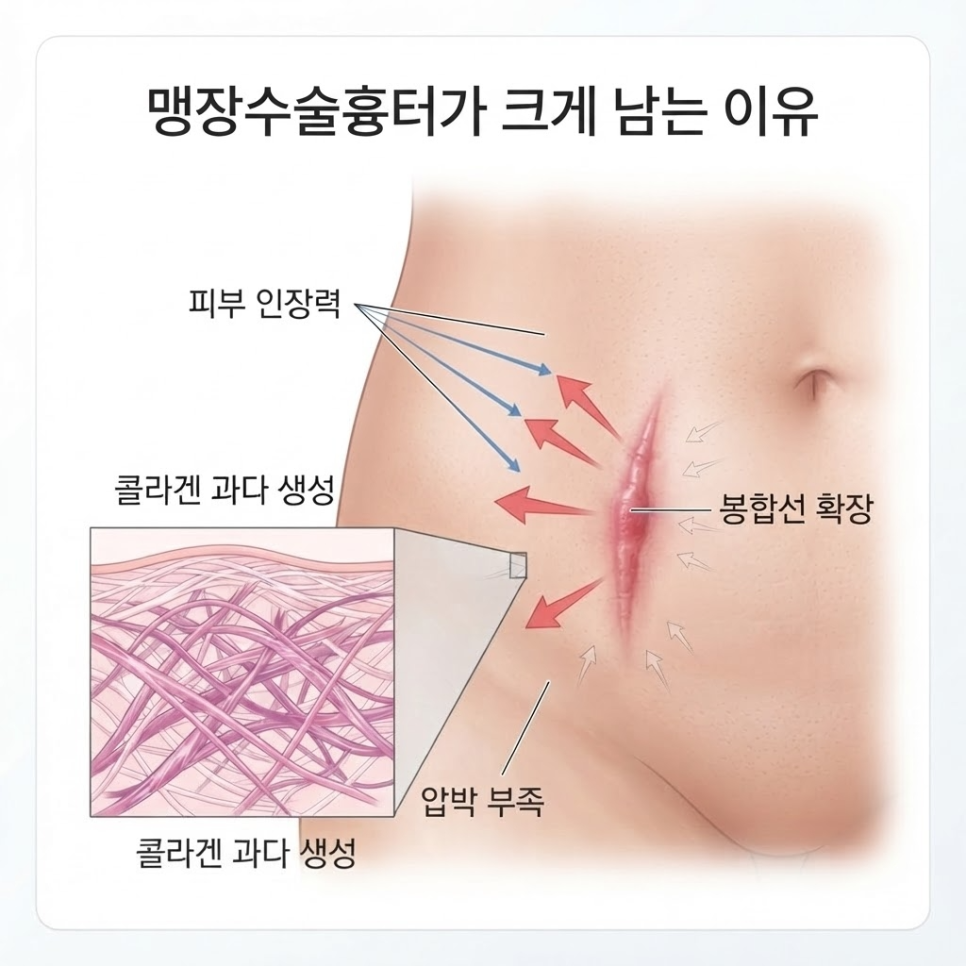
    The abdomen is an area where the skin is constantly being pulled,
    so without proper early care, a scar can end up wider than expected.

    An appendectomy scar is the natural mark left in the dermis as the incision site heals.

    Whether you had laparoscopic or open surgery, if collagen builds up excessively during healing,
    the mark can gradually thicken.

    On top of that,
    the abdomen is a spot where skin tension is especially strong,
    so frequent movement keeps pulling at the wound as it tries to close.

    appendectomy scar care illustration 3

    Without proper protection at this stage,
    the skin on either side of the incision line can stretch, widening the red mark.

    If hydration and physical support aren’t in place early on,
    the risk of the scar raising into a thicker, more visible ridge also increases.

    appendectomy scar care illustration 4

    💡 Key point
    Because the abdomen is under constant skin tension, how you care for it in the first few days after stitch removal is considered an important factor that can affect the eventual width and color of the scar.

    How should appendectomy scar care change over time?

    It can help to split recovery into three phases and adjust your care approach for each one.

    Appendectomy scar care is typically broken into three stages: right after surgery, after stitch removal, and one month and beyond.

    Phase Main Goal Care Method
    Right after surgery Prevent infection, keep the area moist Keep the wound disinfected; keep it fully waterproof
    After stitch removal Ease tension, block irritation Silicone gel products, protective tape
    One month and beyond Prevent hyperpigmentation Apply sunscreen thoroughly

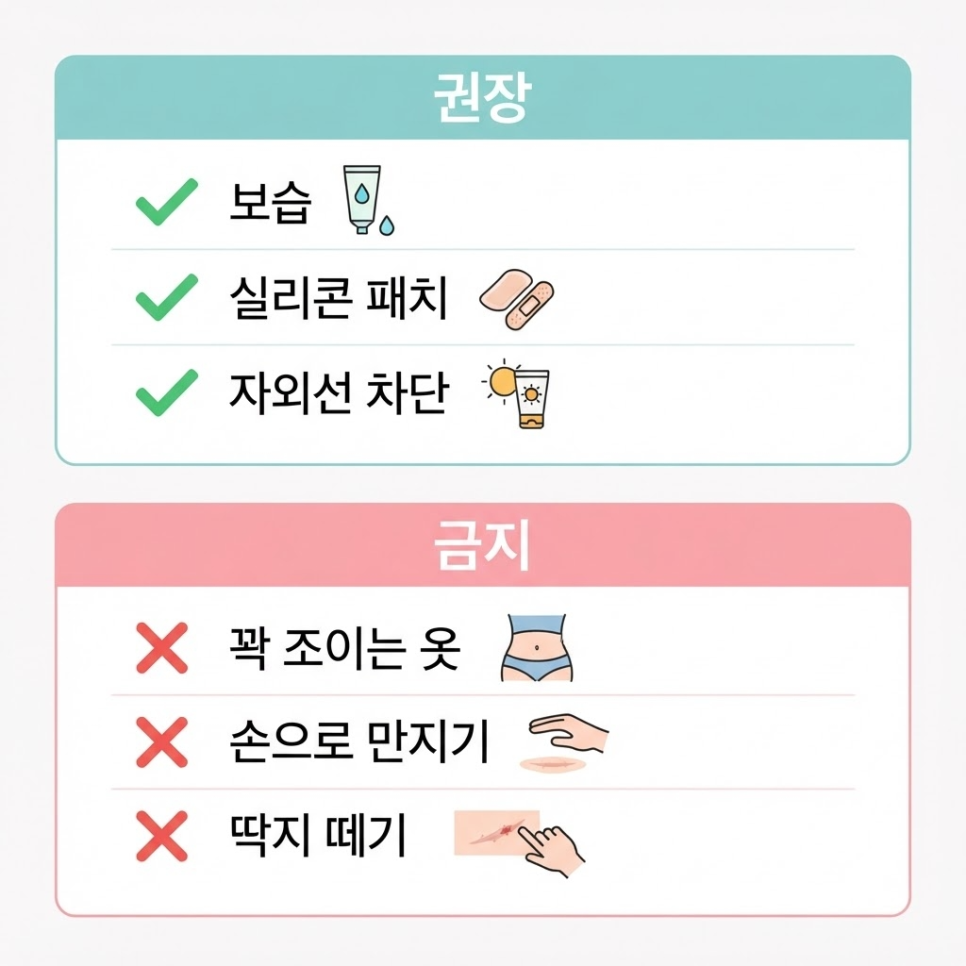
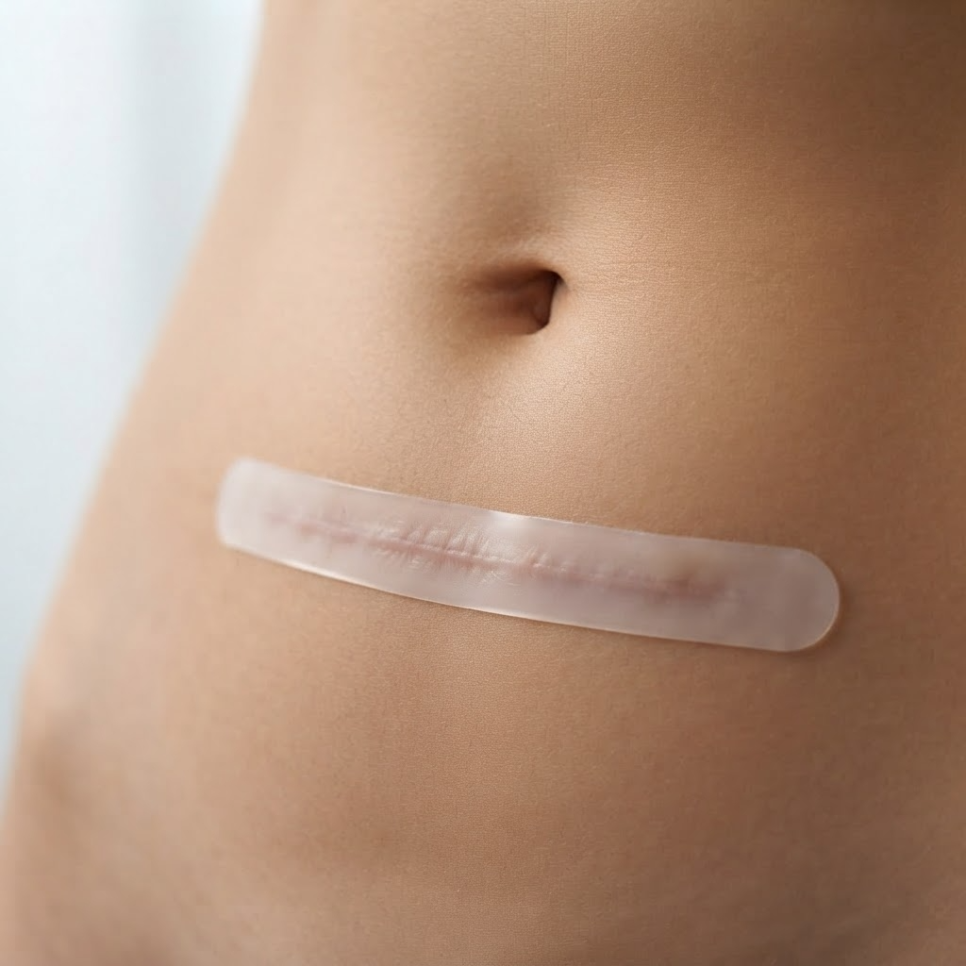
    Starting right after your stitches are removed, it helps to apply silicone-based products or protective tape
    so the area isn’t irritated.

    Irritation that reaches the dermis can lead to hyperpigmentation,
    so keeping the area consistently covered and moisturized is essential.

    appendectomy scar care illustration 5

    📋 Phase-by-phase care checklist
    ✅ Right after surgery: keep the wound disinfected; keep it fully waterproof so water doesn’t touch it directly
    ✅ After stitch removal: ease tension with silicone gel products or patches
    ✅ One month and beyond: prevent hyperpigmentation with sunscreen
    ✅ At every stage: don’t pick at scabs

    What daily habits help prevent scar discoloration?

    Even small changes to your daily habits can go a long way toward keeping a scar from darkening.

    Reducing two triggers — friction and UV exposure — can help prevent discoloration.

    Tight-waisted pants or leggings
    can speed up discoloration through constant friction, so it’s best to avoid them.

    Also,
    UV rays stimulate melanin production,
    which can turn a red mark into a darker, brownish one.

    So,
    when you’re outdoors, even if the scar is covered by clothing,
    it’s a good idea to apply a light layer of sunscreen underneath.

    appendectomy scar care illustration 6

    ⚠️ Caution
    Repeatedly touching the wound or forcibly picking at scabs can raise the risk of secondary infection and progression into a hypertrophic scar.
    💡 Key point
    Cutting down on just these two triggers — friction and UV exposure — may help slow how quickly a scar discolors.

    If, despite consistent care, a scar stays red and hard for a long time,
    self-care alone may not be enough.

    In that case, it’s safer to get an accurate diagnosis
    from a hospital that specializes in scar and burn scar treatment.

    👉 Visit the Ansan Open Surgery Hospital website, a burn treatment specialist, for more information.

    appendectomy scar care illustration 7


    Frequently Asked Questions

    1. When should I start caring for a surgical scar?
    Once the skin has fully closed, right after the stitches come out, using a dedicated silicone product can help support stable healing.

    2. Is it okay that the mark looks red and raised?
    Some temporary redness or puffiness is normal during early tissue repair, but if it keeps swelling, it needs professional evaluation and care.

    3. Can I use soap on it right away when showering?
    Once the scab has come off and the wound is fully closed, gentle rinsing with water is fine, but avoid scrubbing or any harsh friction.

    4. Which is better — ointment or a silicone patch?
    For a high-friction area like the abdomen, a silicone patch is useful because it reduces physical tension; depending on the area, combining it with an ointment can also work.

    5. If the scar becomes hard and lumpy, do I need to see a doctor?
    If it hardens or keeps growing in size, it could be progressing into a hypertrophic scar or keloid, so it’s better to see a specialist rather than rely on self-care alone.


    References

    · Seoul National University Hospital, “How to Manage Scar Treatment,” Hospital News, 2014. Read more
    · Yakup Gongnon (Pharmacist News), “All Pigmented Scars Require Both Treatment and Sun Protection,” Yakup Gongnon, 2016. Read more


    This article is intended for general health information purposes only and is not a substitute for individual diagnosis or treatment. If you have symptoms, please consult a specialist.

  • Flap Necrosis: 3 Causes After Free Flap Surgery (Smoking & Pressure Warning)

    Flap Necrosis: 3 Causes After Free Flap Surgery (Smoking & Pressure Warning)

    SummarySmoking and pressure on the graft site are two of the leading causes of flap necrosis after free flap surgery. Here’s a rundown of reconstructive plastic surgery information — from the basics of vascular anastomosis to a post-surgery care checklist.

    What if a flap that just went through surgery suddenly turned dark red or purple?
    Tissue transferred through free flap surgery is at risk of flap necrosis the moment its blood supply is interrupted.

    Smoking and pressure from improper positioning are two of the most common causes.
    Today, we’ll walk through how free flap surgery works and how to help prevent flap necrosis after the procedure.

    flap necrosis

    Key Points
    ✔ Free flap surgery is a microsurgical reconstruction procedure that transplants tissue along with its blood vessels.
    ✔ Inadequate post-surgery care can lead to flap necrosis.
    ✔ Smoking and pressure are two of the leading risk factors for flap necrosis.

    What Is Free Flap Surgery?

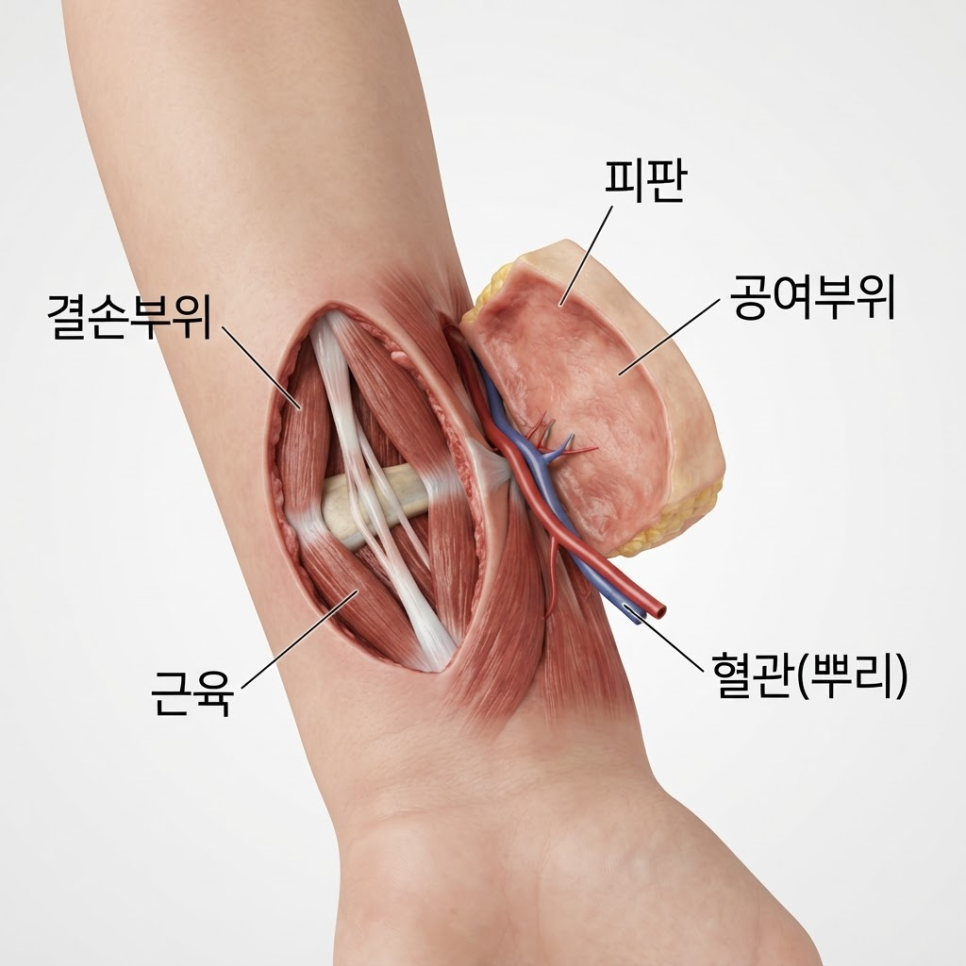
    To put it simply, free flap surgery is a microsurgical reconstruction procedure that removes a whole section of a patient’s own tissue — including its blood vessels — and transplants it to a damaged area.

    flap necrosis illustration 2

    In some cases, a simple skin graft isn’t enough for full recovery.
    This is especially true when the tissue damage is deep or blood circulation to the area is compromised.

    In these situations, surgeons take skin, fat, and even arteries and veins together from a donor site such as the thigh, back, or abdomen.
    But that’s not the end of the process.

    flap necrosis illustration 3

    The tiny blood vessels in the removed tissue must be connected, one by one, to the blood vessels at the recipient site under a microscope.
    This vascular anastomosis process is the core technique of free flap surgery.

    That’s because tissue needs a continuous supply of oxygen and nutrients to survive.
    According to related research, this microvascular connection is considered a critical factor in determining whether the surgery succeeds.

    flap necrosis illustration 4


    Why Does Flap Necrosis Happen? The Effects of Smoking and Pressure

    In short, flap necrosis occurs when the oxygen and nutrient supply to transplanted tissue is cut off, causing the cells to die.

    Nicotine in cigarettes causes blood vessels to constrict.
    Even a single cigarette can narrow the microvasculature.
    That’s why smoking after surgery is considered one of the leading risk factors for flap necrosis.

    Pressure has a similar effect.
    Something as simple as an unconscious sleeping position can cut off blood flow to the grafted area.
    When a blood vessel is compressed, blood clots can form more easily, which can ultimately lead to tissue necrosis.

    ⚠ Precautions
    · Maintain a position that keeps pressure off the surgical site at all times.
    · Avoid smoking, since it constricts blood vessels.
    · Keep warm, as a drop in body temperature can slow blood circulation.
    Risk Factor Effect on the Flap
    Smoking Vasoconstriction, reduced microcirculation
    Pressure/positioning Vessel compression, increased risk of clot formation
    Hypothermia Reduced blood circulation

    An international meta-analysis found that smoking significantly increased the rates of hematoma and overall complications after head and neck cancer reconstruction surgery.
    Another study reported that free flap perfusion tended to be lower in smokers than in non-smokers.

    That said, having a smoking history doesn’t automatically mean flap necrosis will occur.
    Still, since the risk is elevated, extra caution is warranted.

    flap necrosis illustration 5


    When and How Is Free Flap Surgery Performed?

    In short, free flap surgery is used when extensive tissue loss needs to be structurally restored.
    It’s commonly used to fill defects left after severe burns, head and neck cancer surgery, or breast cancer surgery.
    It’s also widely applied for serious skin damage caused by traffic accidents or diabetic foot conditions.

    Checklist — Steps in Free Flap Surgery
    ✅ Step 1: Measure the defect and select the donor site (where tissue will be harvested)
    ✅ Step 2: Harvest the flap, including its blood vessels, from the donor site
    ✅ Step 3: Perform vascular anastomosis (vessel connection) using a surgical microscope
    ✅ Step 4: Close the recipient site and the donor site

    Because this microsurgical technique involves connecting blood vessels with sutures thinner than a human hair, the procedure takes a long time and requires a high degree of precision.


    What Should You Manage After Surgery?

    To put it simply, the key to post-surgery care is keeping the transplanted blood vessels open to prevent flap necrosis.

    flap necrosis illustration 6

    After surgery, blood flow to the transplanted tissue must be monitored continuously.
    If a vessel becomes blocked or a clot forms, the transplanted tissue is unlikely to survive.

    Close monitoring takes place during the first several days.
    Once the tissue has stabilized, patients gradually move into a more routine recovery phase.

    When recovery is managed well,
    it can help support stable flap survival and normal blood flow, and may also help lower the risk of tissue necrosis.

    If you’d like to learn more about tissue defects caused by burns and reconstructive treatment options, visiting Burn Treatment, [Ansan Open Surgery Hospital] Home may also be helpful.

    flap necrosis illustration 7


    Frequently Asked Questions

    1. Can tissue from another person be transplanted instead?
    No — to prevent immune rejection, the general rule is to use only the patient’s own tissue.

    2. Is the donor site (where tissue is harvested) affected afterward?
    Surgeons choose a site that has minimal impact on bodily function and where scarring is less visible, and the donor site is closed with careful surgical technique as well.

    3. How long does recovery take after surgery?
    Hospital stays typically last about one to two weeks, but several months of follow-up monitoring are usually needed before the graft site stabilizes and the patient returns to normal daily activities.

    4. Can the skin color or texture differ from the surrounding area?
    Depending on the donor site used, there can be differences in texture or color, and additional cosmetic procedures may be used to correct this later if needed.

    5. Can smokers undergo free flap surgery?
    Smoking doesn’t necessarily rule out surgery, but because it raises the risk of flap necrosis, quitting smoking before and after surgery is strongly recommended.


    References

    · Asan Medical Center, “Tissue Reconstruction Through Flap Surgery,” Disease Encyclopedia, Asan Medical Center. View source
    · Chang et al., “The impact of smoking on surgical complications after head and neck reconstructive surgery with a free vascularised tissue flap: a systematic review and meta-analysis,” Journal of Plastic, Reconstructive & Aesthetic Surgery (ScienceDirect), 2020. View source
    · “Smoking and microvascular free flap perfusion in head and neck reconstruction: radial free forearm flaps and anterolateral thigh flaps,” Scientific Reports (Nature), 2022. View source
    · Liu et al., “Analysis of the Risk Factors for Free Flap Necrosis in Soft Tissue Reconstruction of the Lower Limbs,” Orthopaedic Surgery (Wiley), 2023. View source

    This article is intended for general health information purposes only and is not a substitute for individual diagnosis or treatment. If you have symptoms, please consult a medical professional.

  • Appendicitis Surgery: 5 Warning Signs and Recovery Timeline

    Appendicitis Surgery: 5 Warning Signs and Recovery Timeline

    SummaryA quick overview of the pain signals and causes that are easy to miss before appendicitis surgery, along with diagnostic tests, recovery time, and post-surgery care tips.

    When stomach pain suddenly quiets down, it’s easy to assume that’s a good sign.

    But when appendicitis surgery may be needed, that very moment can actually be a warning sign.

    That’s because when the appendix ruptures and the internal pressure releases, the pain can feel like it’s temporarily easing.

    Knowing this can change how you respond to abdominal pain.

    💡 Article Preview
    This article walks through the warning symptoms that may call for appendicitis surgery, accurate diagnostic tests, and recovery time and aftercare after surgery.
    If you’re concerned about right lower abdominal pain, we recommend reading through to the end.

    What Is Appendicitis Surgery?

    Appendicitis surgery (appendectomy) is a procedure that removes the inflamed appendix to help prevent complications such as peritonitis.

    It’s commonly called \”appendicitis\” in everyday speech, but more precisely, it refers to inflammation of the appendix, the small pouch attached to the cecum.

    The concern is how quickly it progresses — if left untreated, this inflammation can worsen rapidly.

    appendicitis surgery

    According to Asan Medical Center, appendix perforation occurs in about 20% of patients within 24 hours of symptom onset, and in about 70% within 48 hours.

    Once perforation occurs, pus can spread into the abdominal cavity, raising the risk of progressing to peritonitis.

    For this reason, physicians generally proceed with surgery without delay once a diagnosis is confirmed.

    appendicitis surgery illustration 2

    💡 Key Point
    According to the source cited above, the risk of perforation rises to about 70% within 48 hours of symptom onset.
    Don’t assume a sudden drop in pain means things are fine — seeking medical care right away is the safer choice.

    What Symptoms Suggest Acute Appendicitis?

    If pain around the upper abdomen or navel shifts toward the right lower abdomen, acute appendicitis should be suspected.

    The exact cause isn’t fully understood, but according to Korea’s National Health Information Portal, inflammation often begins when the opening of the appendix becomes blocked.

    In teenagers, overgrown lymphoid tissue is a common cause of blockage, while in adults, hardened fecal matter (fecaliths) is often responsible.

    appendicitis surgery illustration 3

    In the early stages, it can feel similar to indigestion, so it’s easy to dismiss.

    The typical pattern is that nausea, vomiting, and a low-grade fever appear alongside the pain as it moves to the right lower abdomen.

    📋 Checklist
    ✅ Dull, aching pain around the upper abdomen or navel
    ✅ Sharp pain when pressing on the right lower abdomen
    ✅ Rebound tenderness — pain that worsens when pressure is released
    ✅ Loss of appetite with ongoing low-grade fever and nausea

    How Is Appendicitis Diagnosed?

    Appendicitis is diagnosed using a combination of physical examination, blood tests, and imaging studies.

    First, a physician presses on the right lower abdomen to check for tenderness and rebound tenderness.

    Blood tests are then used to check white blood cell counts and inflammation markers.

    appendicitis surgery illustration 4

    A definitive diagnosis typically requires an abdominal ultrasound or CT scan.

    CT scans, in particular, clearly show the swollen appendix and help distinguish it from other conditions.

    🚀 Takeaway
    Combining physical examination with imaging may help reduce the chance of misdiagnosis.
    Fast, accurate diagnosis is generally considered an important step toward safer appendicitis surgery.

    What Is the Recovery Time and Aftercare Following Appendicitis Surgery?

    Recovery time varies depending on the surgical method used and each patient’s individual condition.

    Laparoscopic surgery is now common and generally allows for a somewhat faster recovery than open surgery.

    According to Asan Medical Center, when surgery is performed early and without complications, patients can typically be discharged after about 2 to 3 days.

    appendicitis surgery illustration 5

    The timeline for returning to daily life varies by person, but light activity is often possible around one week after surgery.

    That said, some sources note that a full return to normal daily activity can take roughly 2 to 4 weeks, so keep this in mind as well.

    appendicitis surgery illustration 6

    After discharge, it’s important to avoid lifting heavy objects and to get adequate rest.

    For meals, it’s best to start slowly with soft foods like porridge or rice gruel rather than spicy or irritating foods.

    ⚠️ Precautions
    If pain or redness at the incision site worsens, contact your hospital right away.
    Avoiding strenuous exercise for at least a month is the safer approach.

    Frequently Asked Questions

    1. Will the surgery leave a large scar?
    Laparoscopic and single-incision techniques are now the norm, so scars tend to be small and less noticeable.

    2. When can I shower after surgery?
    If a waterproof dressing is applied, a brief shower may be possible right after discharge, but it’s safest to wait until the stitches are removed or the wound has healed.

    3. How should I manage my diet after discharge?
    Since digestive function is still recovering, it’s best to avoid spicy or greasy foods and gradually progress from easily digestible liquids to regular meals.

    4. Does right lower abdominal pain always mean appendicitis?
    Not necessarily — conditions such as ovarian cysts, urinary stones, and enteritis can cause similar pain, so a proper medical evaluation is needed rather than self-diagnosis.

    5. My abdominal pain suddenly went away — is that a good sign?
    Not necessarily. A ruptured appendix can sometimes feel like the pain has eased, so you should seek medical attention immediately.

    appendicitis surgery illustration 7

    If you have any questions about abdominal pain or surgical conditions, please feel free to reach out anytime.

    Information on burn care and a range of other surgical services is also available at Burn Care, [Ansan Yeolin Surgery Hospital] Home.

    appendicitis surgery illustration 8

    appendicitis surgery illustration 11


    References

    · Asan Medical Center, \”Acute Appendicitis,\” Disease Encyclopedia, Medical Information. View
    · Asan Medical Center, \”Appendectomy,\” Tests/Procedures/Surgery Information, Medical Information. View
    · Korea Disease Control and Prevention Agency, \”Acute Appendicitis,\” National Health Information Portal. View


    This article is intended for general health information purposes only and is not a substitute for individual diagnosis or treatment. If you have symptoms, please consult a physician.