Category: Uncategorized

  • Food Before Endoscopy: 3 Safe Meal Options and Foods to Avoid

    Food Before Endoscopy: 3 Safe Meal Options and Foods to Avoid

    SummaryWhat should you eat the night before an upper endoscopy to help support accurate results? This guide covers safe food before endoscopy, foods you should avoid, the recommended dinner time, and exactly when your fasting window should begin.

    Have you ever stood in front of the fridge the night before an endoscopy appointment, unsure what to make for dinner?

    Actually, what you eat the night before matters more than simply skipping meals altogether.

    Choosing the wrong food before endoscopy can leave residue in your stomach, which may mean the exam needs to be repeated.

    This guide covers which foods are safe to eat the night before an endoscopy, which foods to avoid, and exactly when your fasting window should begin. Getting your pre-procedure dinner right can help you complete the exam on the first visit, without a repeat appointment.

    food before endoscopy

    What Food Before Endoscopy Is Safe to Eat?

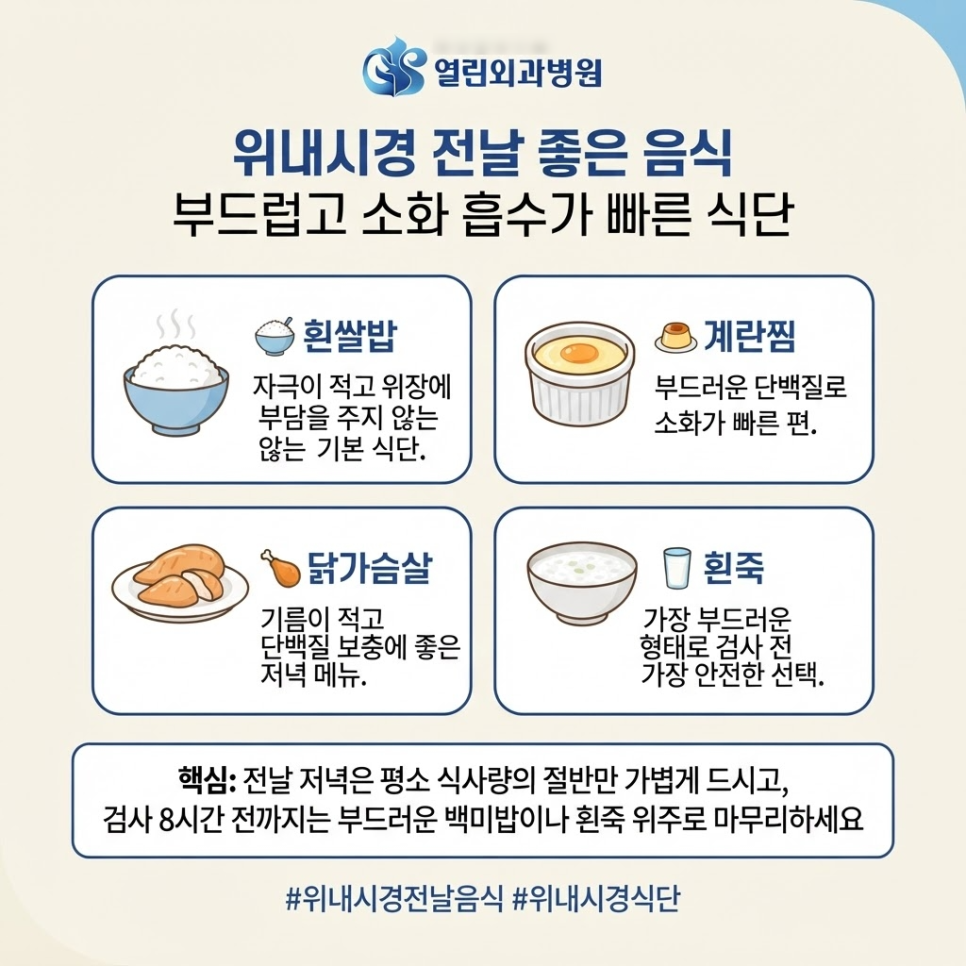
    To answer the question directly: rather than skipping dinner entirely, the safer choice is soft, easily digestible food before your endoscopy — about half of your usual portion.

    Food before endoscopy refers to a diet that digests quickly and doesn’t leave residue in your stomach.

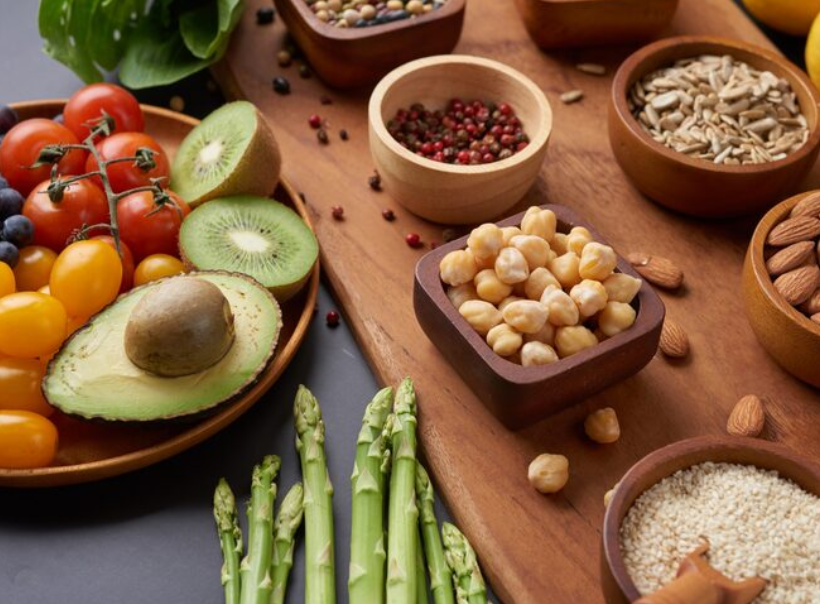
    Soft, mild foods such as white rice, steamed egg, or chicken breast are good options.

    Oily or chewy foods tend to stay in the stomach longer, so it’s best to avoid them.

    Eating your usual full portion can slow digestion, so reducing it to about half is the safer approach.
    food before endoscopy image 2

    • Soft grains such as white rice or rice porridge
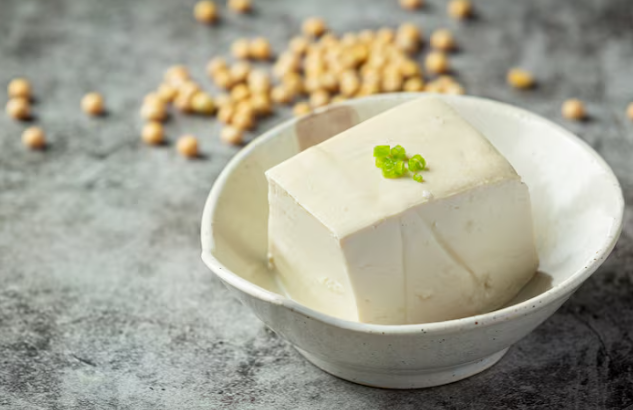
    • Mild proteins such as steamed egg or tofu
    • Lean meats such as chicken breast or fish

    food before endoscopy image 3

    Key Point
    Keep dinner the night before light — about half your usual portion — and stick mainly to rice porridge or soft white rice.

    What Foods Should You Avoid the Night Before an Endoscopy?

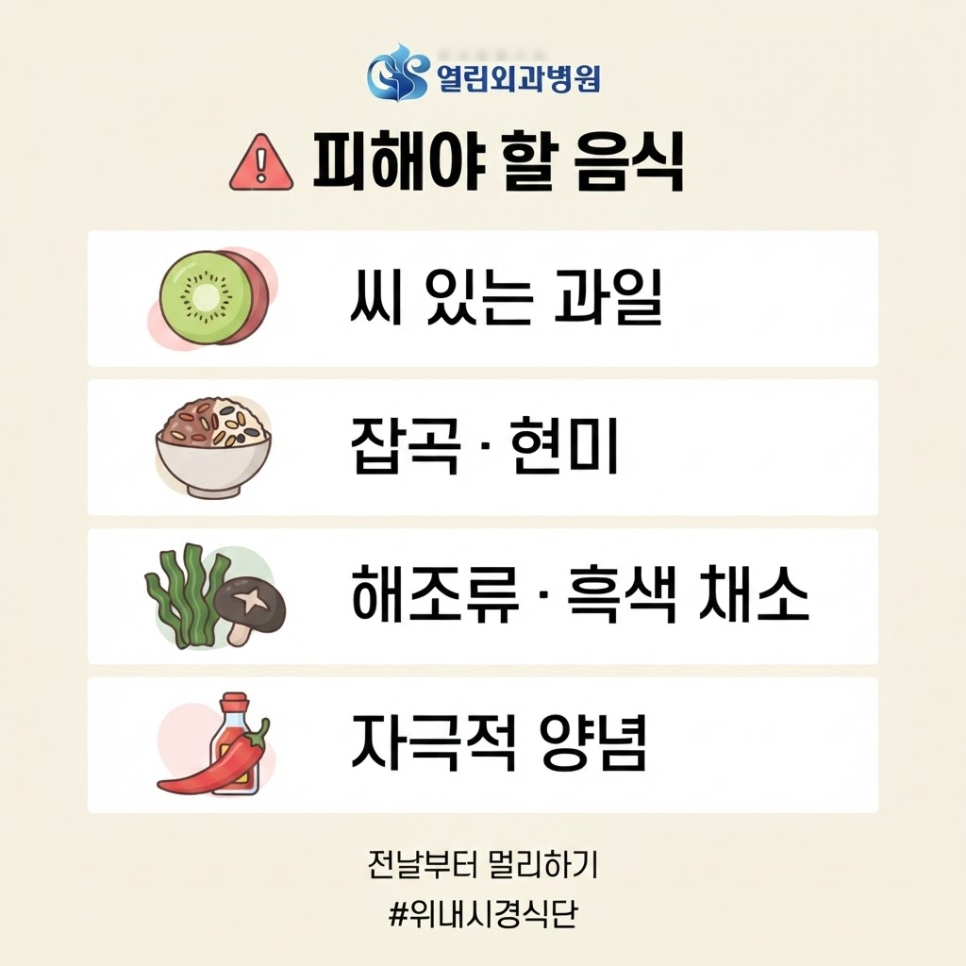
    Fruits with seeds, coarse grains, and spicy seasonings should be avoided the night before your exam.

    Foods to avoid are those that linger in the stomach or intestines and can obstruct the endoscopist’s view.

    Small-seeded fruits such as melon, kiwi, or grapes can remain in the intestines for a while.

    Coarse grains like multigrain rice, brown rice, or beans can also interfere with the exam view.

    Avoiding just these items may help support exam accuracy.

    Category Safe Foods Foods to Avoid
    Grains White rice, rice porridge Multigrain rice, brown rice, black rice
    Fruits & Vegetables Ripe banana Melon, kiwi, grapes, seaweed
    Seasoning Mild seasoning Red pepper flakes, gochujang, and other spicy seasonings

    food before endoscopy image 4

    Checklist
    ✅ Fruits with seeds (melon, grapes, tomatoes, etc.)
    ✅ Coarse grains such as multigrain rice, brown rice, or beans
    ✅ Seaweed (such as kelp) and dark-colored vegetables
    ✅ Spicy seasonings such as gochujang or red pepper flakes

    When Should Fasting Begin Before an Endoscopy?

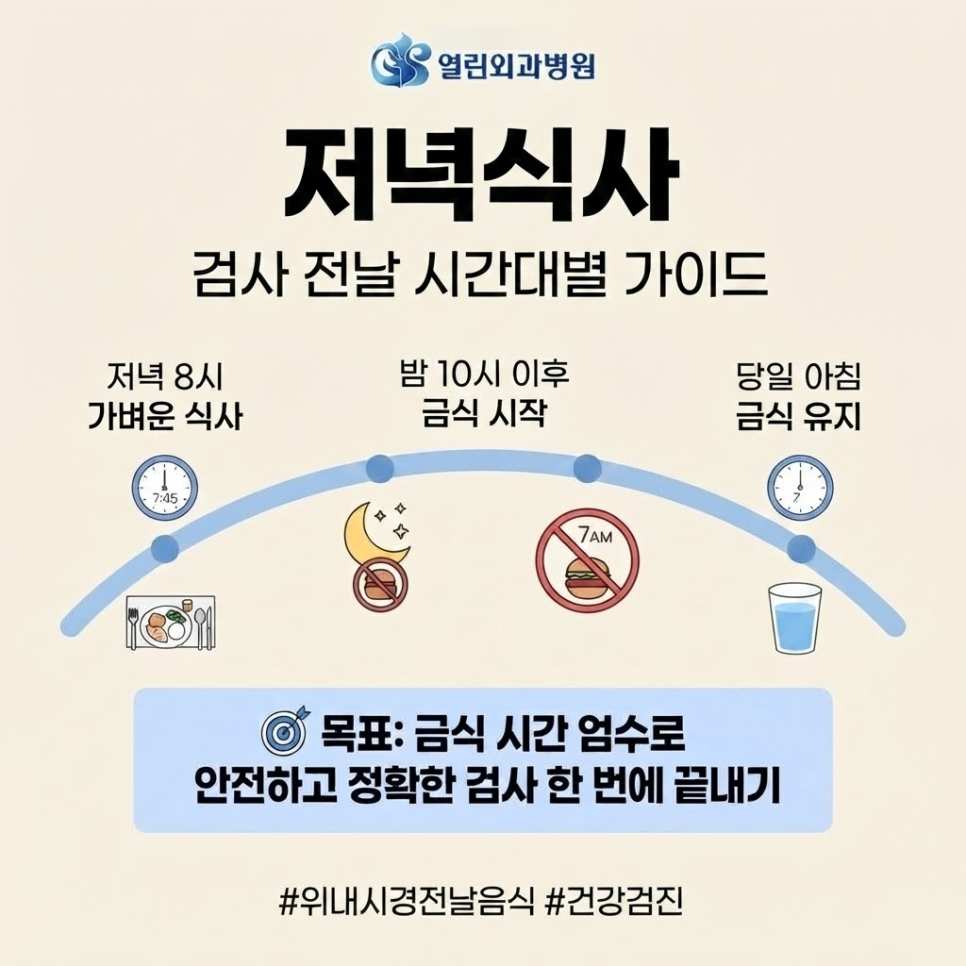
    Finish a light dinner before 8 p.m. the night before your exam, and fast completely — including water — after that.

    The fasting window refers to the period when you avoid even water so your stomach is fully empty before the procedure.

    Eating something like instant noodles late the night before can leave food in your stomach, which may mean the exam needs to be repeated.

    It’s recommended to finish eating before 8 p.m. and avoid water after that as well.

    Following this fasting window can help you complete the exam without needing a repeat visit.
    food before endoscopy image 5

    Caution
    Not following the fasting schedule can leave food in your stomach, which may interrupt the exam or require a repeat visit. Be sure to confirm the exact fasting time provided by your clinic.
    Key Point
    Eat a light dinner early the night before, and follow your clinic’s fasting instructions closely to help complete the exam on the first visit.

    Where Can You Get an Upper Endoscopy in Ansan?

    Once you’ve followed the right food and fasting guidelines before your endoscopy, the next step is having the procedure done by a qualified medical team.

    If you’re considering an upper endoscopy in Ansan, Gyeonggi-do, it’s worth checking whether the clinic has experience in digestive endoscopy.

    You can check the services and location on the [Ansan Yeollin Surgery Clinic] website.

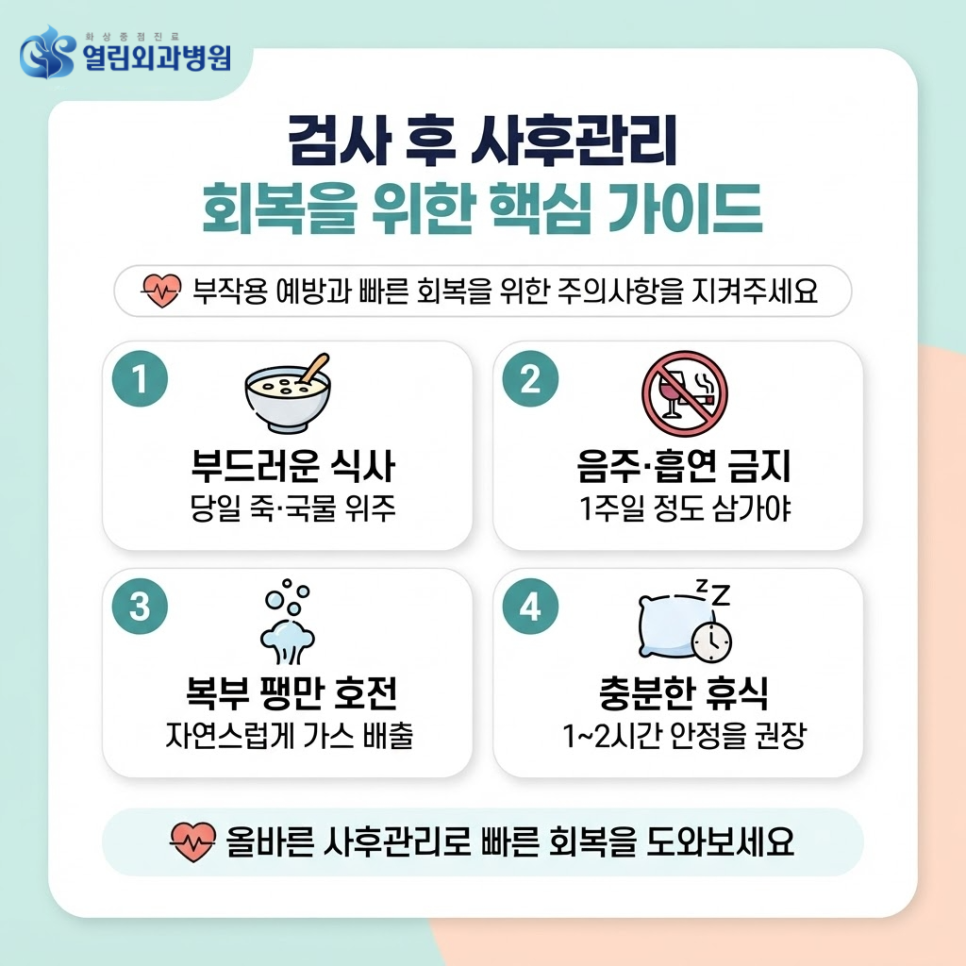
    food before endoscopy image 6

    food before endoscopy image 7

    food before endoscopy image 8

    food before endoscopy image 9

    food before endoscopy image 10

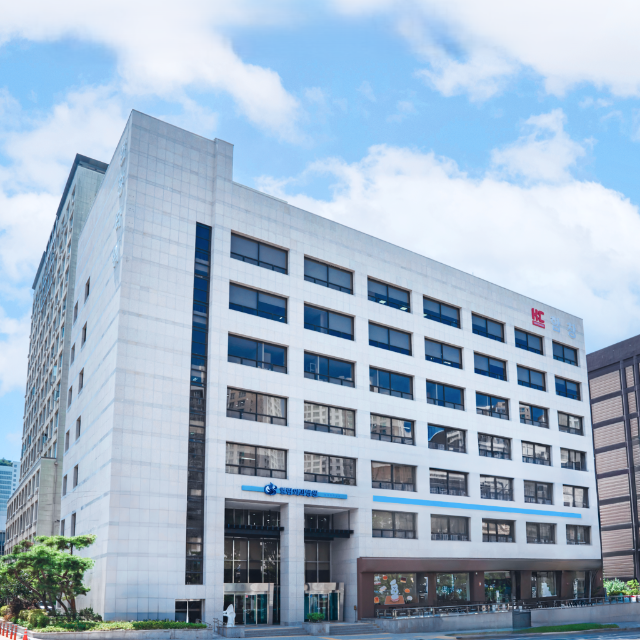
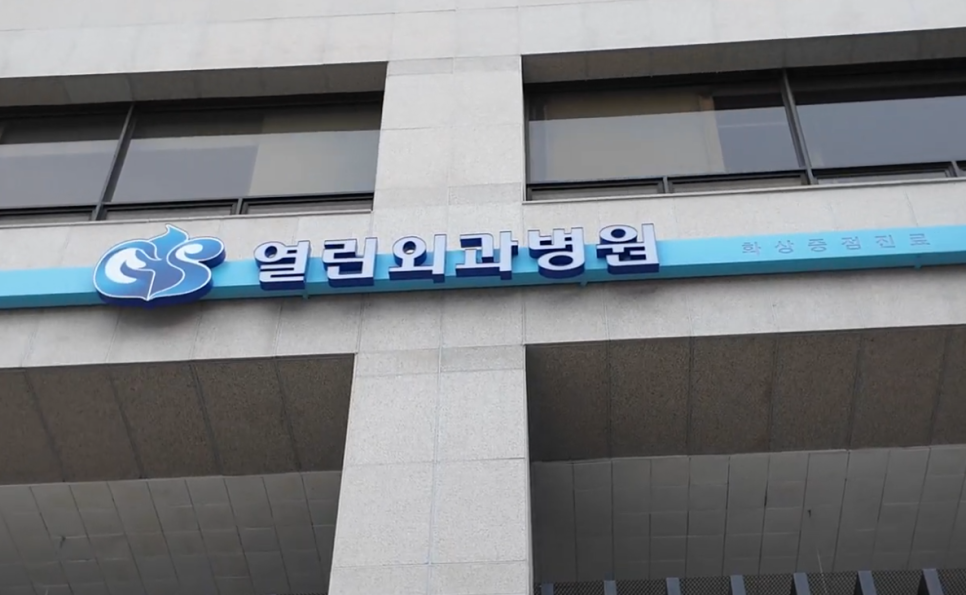
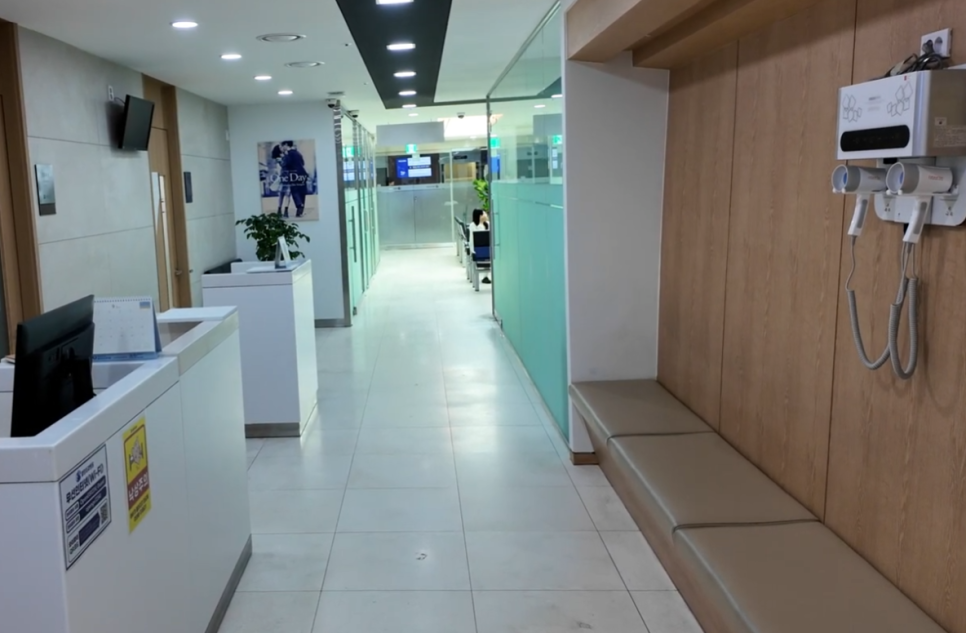
    Yeollin Surgery Clinic is located at 376 Hwarang-ro, Danwon-gu, Ansan-si, Gyeonggi-do (across from Ansan City Hall and Danwon Police Station).

    This article is not intended to recommend any specific procedure and is provided only for informational purposes about pre-exam diet.


    Frequently Asked Questions

    1. Is it okay to drink coffee or milk the night before?
    Answer: Dairy products like milk and dark-colored coffee can leave residue on the stomach lining, so it’s best to avoid them starting the night before your exam. Stick to plain water only.

    2. Can I take my regular blood pressure medication the night before or on the day of the exam?
    Answer: Essential medications such as blood pressure or heart medication are often taken early on the morning of the exam with a minimal amount of water. However, this varies by medication, so be sure to check with your doctor in advance.

    3. I’m very hungry the night before — can I have a small late-night snack?
    Answer: A late-night snack can leave food in your stomach, which may cause nausea or make it harder to get an accurate view during the next morning’s exam. Be sure to follow the fasting schedule.

    4. Until when can I drink water?
    Answer: Fasting typically begins the night before the exam, and water is often restricted as well. Please follow your clinic’s specific instructions.


    References

    · Korea Disease Control and Prevention Agency, “Upper Endoscopy,” National Health Information Portal. Source
    · National Health Insurance Service, “Health Checkup Guide,” 2025. Source
    · Kangbuk Samsung Hospital Health Promotion Center, “Endoscopy (Upper/Lower) Precautions.” Source

    This article is intended for general health information purposes only and is not a substitute for individual diagnosis or treatment. If you have symptoms, please consult a medical professional.
  • Lipoma Size 5cm or Larger: 3 Signs Surgery May Be Needed

    Lipoma Size 5cm or Larger: 3 Signs Surgery May Be Needed

    SummaryThis article summarizes medical guidance on whether a lipoma size of 5cm or larger requires surgery, along with how lipomas are diagnosed and managed.

    Finding a soft, movable lump under your skin can be alarming at first.
    Most of the time there’s no pain or color change, so it’s easy to brush off.

    But once you notice it slowly growing larger over time, the concern becomes harder to ignore.
    You may start wondering whether surgery is necessary, and just how large a lipoma size has to be before it becomes a real concern.

    This is actually a question that comes up often in clinical practice.

    This article outlines the surgical criteria based on changes in lipoma size, along with accurate diagnostic methods.
    Let’s look at what standards doctors use to consider excision when a lipoma grows beyond 5 centimeters or becomes painful, and how to manage it safely without unnecessary worry.

    lipoma size

    What Is a Lipoma and Why Does It Form?

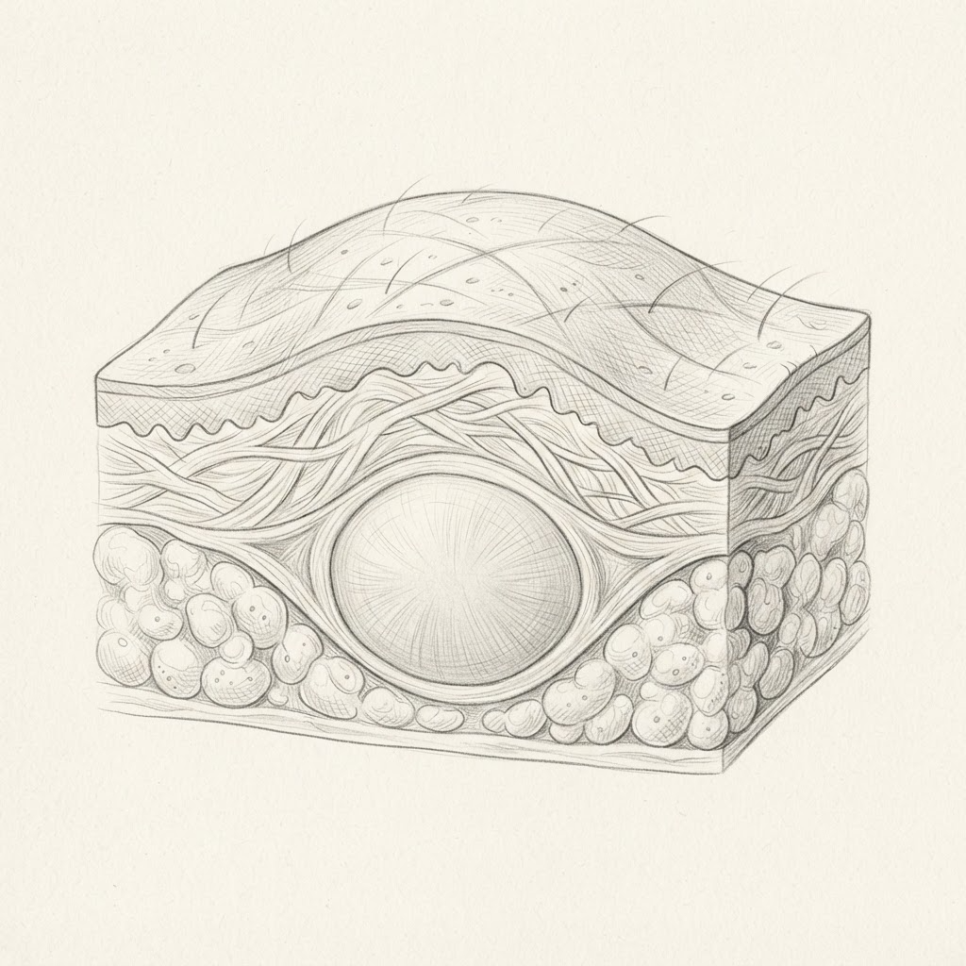
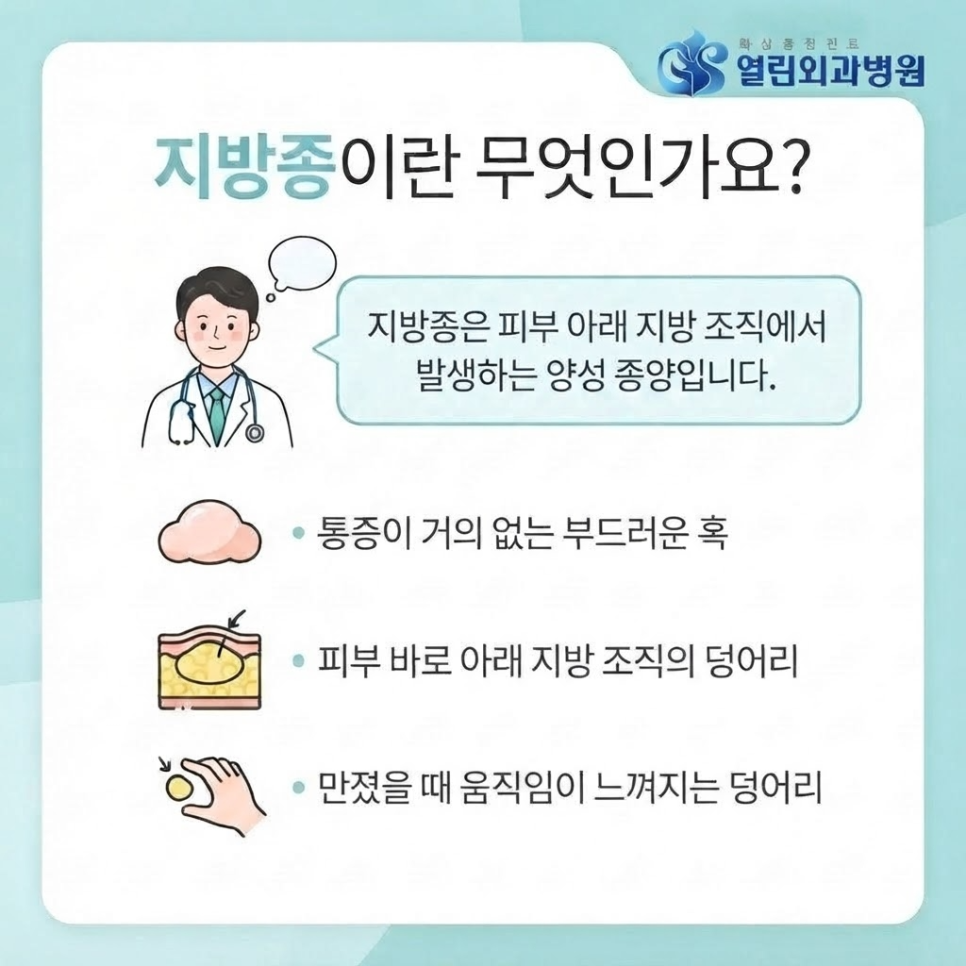
    A lipoma is a common benign tumor that forms when fat cells cluster together and grow within the subcutaneous fat tissue.
    It’s common enough that it may develop in adults of any age.

    Because it’s usually painless, it’s easy to dismiss at first.
    But it’s completely natural to feel a jolt of worry when you discover an unfamiliar lump on your body.

    That’s why doctors often emphasize the importance of distinguishing a lipoma from liposarcoma, a malignant tumor it can sometimes be confused with.

    lipoma size related image 2

    Key Point
    A lipoma is typically painless and moves easily when pressed with a finger. If a lump feels hard and stays fixed in place, other conditions should be ruled out.

    Lipoma Size: How Large Can It Grow?

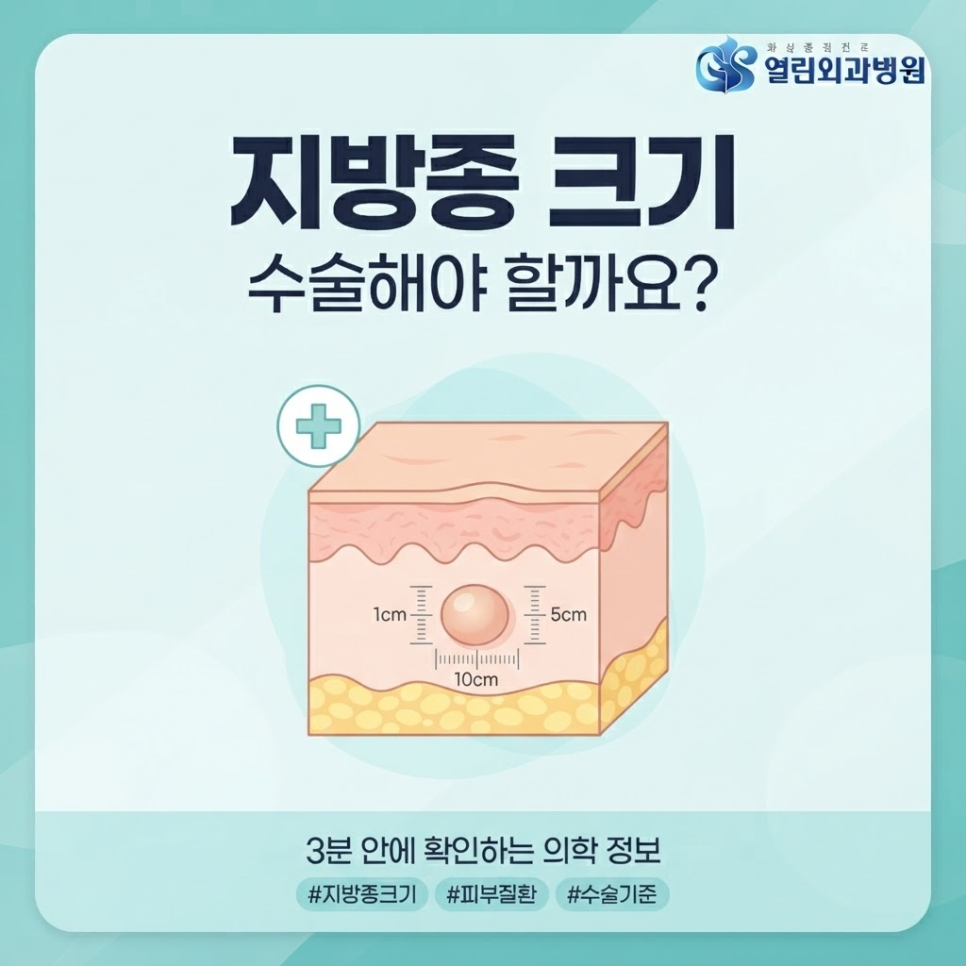
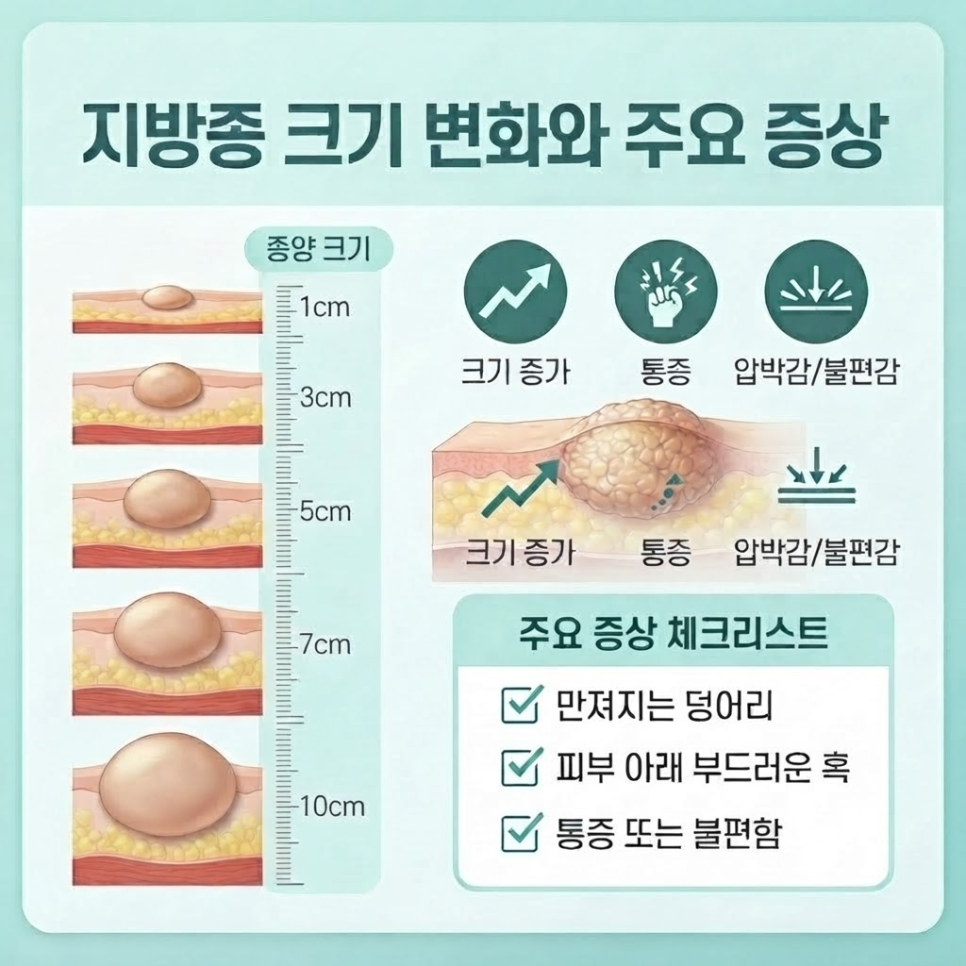
    Lipoma size typically ranges from about 1 centimeter to several centimeters.
    Some grow slowly over time, while others remain unchanged for years.

    lipoma size related image 3

    In rare cases, a lipoma can grow beyond 10 centimeters, becoming what’s known as a giant lipoma.
    As it grows larger, it can press on nearby nerves or muscles.

    This may bring on pain, tingling, or general discomfort.
    The change in appearance can also be a source of stress.

    Checklist
    ✅ Has the lump grown noticeably larger over the past few months?
    ✅ Does it feel hard and fixed in one place when touched?
    ✅ Do you feel pressure or pain during everyday activities?
    ✅ Is the surface irregular or the border unclear?

    lipoma size related image 4


    Does Lipoma Size Determine Whether You Need Surgery?

    Not every lipoma needs to be surgically removed.
    If it’s small and causes no particular discomfort, simply monitoring it over time is often enough.

    However, excision may be considered when a lipoma meets specific medical criteria.
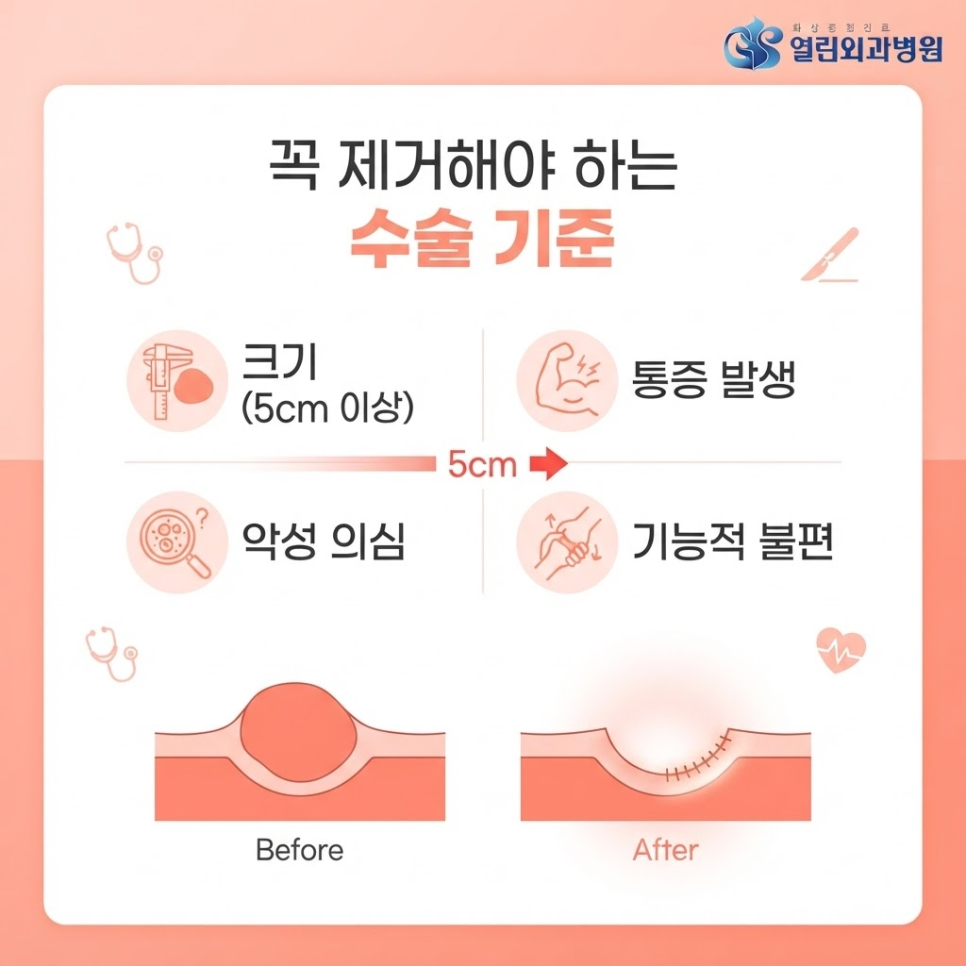
    According to disease information from Asan Medical Center, treatment is generally considered when the lipoma is 5 centimeters or larger, or when it causes pain or grows at an abnormal rate.

    lipoma size related image 5

    Category Monitor (Watchful Waiting) Consider Surgery
    Size Under 5cm, little to no change 5cm or larger, or growing rapidly
    Symptoms No pain or pressure Pain, tingling, or functional impairment
    Imaging findings Typical benign appearance Findings suggestive of malignancy, such as liposarcoma

    Beyond cosmetic concerns, these functional symptoms are what typically determine whether surgery is warranted.

    Outcomes
    Excision performed based on clear medical criteria may help lower the risk of recurrence and may also help ease everyday discomfort such as pressure or pain. Outcomes can vary from person to person.

    How Are Lipomas Diagnosed and Managed?

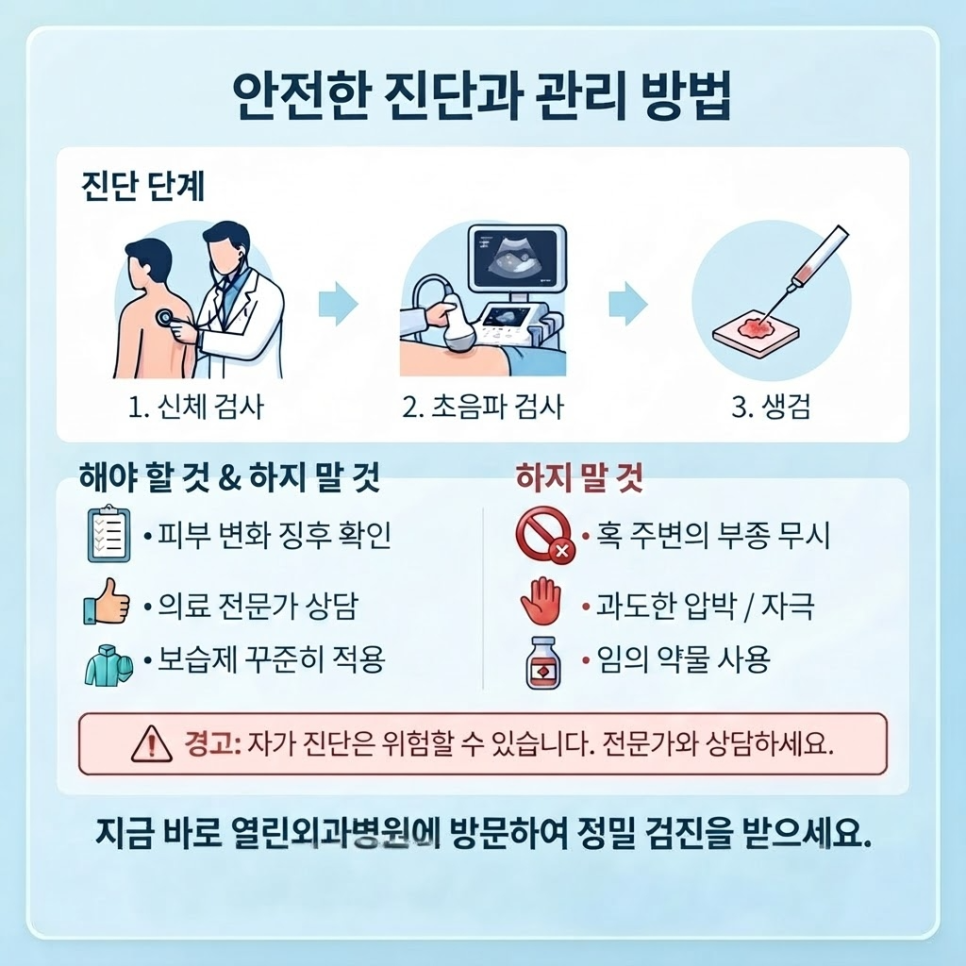
    Lipoma diagnosis is generally made through a physical exam combined with an ultrasound.
    Visual inspection or palpation alone can’t reliably determine the exact depth and characteristics of the mass.

    lipoma size related image 6

    Medical information from Seoul National University Hospital notes that when differentiation from liposarcoma is needed, CT, MRI, or a tissue biopsy may be performed as well.
    According to the Korea Disease Control and Prevention Agency’s National Health Information Portal, ultrasound-guided biopsy allows the lesion’s location to be confirmed in real time while collecting tissue for an accurate diagnosis.

    Relying on online reviews or unverified home remedies can sometimes lead to a delayed diagnosis.
    Getting an objective evaluation at a nearby medical facility is generally recommended.

    If you need an accurate diagnosis and consultation, you’re welcome to check the care information at Ansan Yeorin Surgery Hospital, a burn treatment specialist – Homepage.

    lipoma size related image 7

    Caution
    Do not attempt to press on, squeeze, or forcibly remove the lump yourself based on self-diagnosis — this can lead to inflammation or infection and should be strictly avoided.

    Frequently Asked Questions

    1. Can a lipoma go away on its own?
    Answer: It’s rare for a lipoma to shrink or disappear naturally — it typically stays the same size or grows gradually over time.

    2. How painful is the surgery, and how long is recovery?
    Answer: Most cases involve a simple excision under local anesthesia, and while it varies by size, patients typically return to daily activities relatively quickly.

    3. Is this condition likely to come back after treatment?
    Answer: Once fully excised, recurrence at the same site is relatively uncommon, though a new lipoma may still develop elsewhere.

    4. Should I still see a doctor if the lipoma is small?
    Answer: Even though it’s a benign tumor, an early evaluation is recommended to rule out other conditions such as liposarcoma.

    5. How is a lipoma different from a cyst?
    Answer: Because texture, location, and ultrasound findings differ between the two, a proper exam is needed rather than relying on visual assessment alone.

    lipoma size related image 8

    lipoma size related image 9

    lipoma size related image 10

    lipoma size related image 11


    References

    · Asan Medical Center, “Lipoma,” Disease Encyclopedia, Asan Medical Center. View source
    · Seoul National University Hospital, “Lipoma,” Medical Information, Seoul National University Hospital. View source
    · Korea Disease Control and Prevention Agency, “Ultrasound-Guided Biopsy,” National Health Information Portal, Korea Disease Control and Prevention Agency. View source


    This article is provided for general health information purposes only and is not a substitute for individual diagnosis or treatment. If you have symptoms, please consult a medical professional.
  • Coffee Before Colonoscopy: 3 Staining Risks to Know

    Coffee Before Colonoscopy: 3 Staining Risks to Know

    SummaryIs coffee before colonoscopy exams a real risk, even from a single cup of americano? Here’s what you need to know about staining and caffeine side effects, plus the dietary rules to follow from three days before your exam through the day of the procedure.

    For many people, the day doesn’t really start until that first cup of americano.

    But did you know that coffee before colonoscopy exams can actually derail the entire procedure?

    It might look clear like water, but coffee behaves very differently once it’s inside your colon.

    💡 What This Article Covers
    This article explains why coffee before colonoscopy can be a problem, and outlines the dietary rules to follow from three days before the exam through the day itself.
    Let’s take a closer look at how a single cup of americano can affect bowel cleanliness and polyp detection.

    coffee before colonoscopy

    Why Coffee Before Colonoscopy Exams Increases Staining Risk (Americano)

    Coffee before colonoscopy exams should be avoided because it can cause staining and visual distortion in the bowel.
    During the exam, the doctor needs a clear view to detect subtle changes in the intestinal lining, and dark, pigmented beverages can obscure that view.

    Because americano has no visible grounds, it’s easy to assume it’s a clear beverage.

    In reality, the deep brown compounds from coffee beans can linger on the intestinal lining, causing staining or optical illusions.
    Residual coffee inside the colon can look similar to polyps, minor bleeding, or inflamed mucosa.

    Key Points
    ✔ Brown pigments from coffee beans can remain on the intestinal lining and be mistaken for lesions
    ✔ This increases the risk that the doctor may have difficulty accurately detecting polyps

    coffee before colonoscopy illustration 2

    ⚠️ Caution
    Caffeine can stimulate bowel movement and contribute to dehydration.
    Because bowel prep solution already tends to deplete the body’s fluids, caffeine intake should be avoided in particular during this time.
    If an upper endoscopy is being performed at the same time, caffeine can stimulate stomach acid secretion and increase the risk of reflux.

    An increased heart rate from caffeine can also place additional strain on the body during sedation.

    For these reasons, it’s advisable to avoid coffee before the exam, as this may help support adequate bowel cleansing.


    How Should You Adjust Your Diet From 3 Days Before to the Day of the Exam?

    Dietary preparation for a colonoscopy refers to the process of gradually restricting your diet so that no residue remains in the colon.
    Starting three days before the exam, you should completely avoid foods that tend to linger in the intestines, such as fruits with seeds, sesame seeds, and mushrooms.
    It’s also advisable to cut back on darkly pigmented beverages, including americano, starting two to three days beforehand.

    Timing Restrictions
    3 Days Before No seeded fruits (kiwi, melon, watermelon), sesame seeds, or mushrooms
    2 Days Before No multigrain or brown rice, legumes, or seaweed (such as miyeok or gim)
    1 Day Before Eat only white rice porridge or rice water; fast starting in the afternoon
    Day of the Exam Stop all intake, including water, coffee, gum, and cigarettes

    coffee before colonoscopy illustration 3

    Checklist
    ✅ Build meals around soft, non-staining foods like white rice, tofu, and eggs
    ✅ Remember that instant mix coffee can be riskier than americano, since the milk component can coat the intestinal lining
    ✅ If you feel thirsty while taking bowel prep solution, drink only plain water or clear (colorless) sports drinks
    ✅ Avoid sports drinks with red, blue, or other added colors

    Some people assume, “Americano should be fine, just not instant mix coffee.”

    But the milk in mix coffee can coat the intestinal lining, which may actually make it riskier.

    coffee before colonoscopy illustration 4


    What Can You Drink While Taking Bowel Prep Solution?

    While taking bowel prep solution, only plain water or clear, colorless sports drinks should be consumed if you feel thirsty.
    Even among sports drinks, avoid products with red, blue, or other added colors, and choose a clear, transparent option instead.

    Coffee, milk, carbonated drinks, and red-toned juices can all cause staining or gastrointestinal irritation, so they should be avoided until the day of the exam.


    What Are the Benefits of Following the Dietary Guidelines Closely?

    🚀 Expected Benefits of Following the Guidelines
    Keeping the colon clean can help the doctor identify even small, hard-to-spot polyps.
    It may also reduce the inconvenience and added cost of having to repeat the exam.

    Something as small as a single cup of coffee before colonoscopy exams could mean having to go through the bowel prep process all over again for a repeat exam.

    A few days of dietary restraint can be an important part of supporting a safer, more reliable exam.
    If you have questions about other health topics such as burns or surgical care, you can find more information on the Burn Treatment, [Ansan Yeolin Surgery Hospital] Home page.

    coffee before colonoscopy illustration 5


    Frequently Asked Questions

    1. I had a cup of americano the morning before my exam — is that a problem?
    A single weak cup may be flushed out during the bowel prep process that follows. That said, some staining risk remains, so it’s safer to stop drinking coffee right away, drink plenty of water, and monitor how things go.

    2. Is decaf americano okay to drink, even though it’s still dark in color?
    Even decaf coffee contains the same deep brown pigments found in coffee beans. Because these pigments can leave stains on the intestinal lining or be mistaken for polyps, decaf coffee is also off-limits before the exam.

    3. Can I drink coffee right after my colonoscopy is finished?
    Right after the procedure, it’s important to first check whether any polyps were removed and how your bowel is doing. Even if nothing was removed, introducing caffeine into an empty stomach and colon can be irritating, so it’s safer to wait until after your first meal and then ease back into coffee gently.

    coffee before colonoscopy illustration 6


    References

    · Korea Disease Control and Prevention Agency, “Colonoscopy,” National Health Information Portal, 2026. View source
    · The Catholic University of Korea Seoul St. Mary’s Hospital, “Colonoscopy Guide,” Seoul St. Mary’s Hospital Healthcare Center. View source
    · Hallym University Kangnam Sacred Heart Hospital, “Foods to Avoid Before a Colonoscopy,” Hallym University Kangnam Sacred Heart Hospital. View source


    This article is intended for general health information purposes only and is not a substitute for individual diagnosis or treatment.
    If you have symptoms, please consult a medical professional.
  • Blood in Stool: 3 Common Causes When You’re Bleeding But Feel No Pain

    Blood in Stool: 3 Common Causes When You’re Bleeding But Feel No Pain

    SummaryThe likely cause of blood in stool can differ depending on the color of the blood. From the difference between bright red and dark red blood to hemorrhoids, anal fissures, colon polyps, and inflammatory bowel disease, here’s a detailed breakdown of the possible causes of rectal bleeding, the warning signs that mean you should see a doctor, and everyday habits that can help prevent it.

    Seeing red blood on the toilet paper can make anyone’s heart sink.

    But did you know that the likely cause of blood in stool can vary completely depending on the color of the blood?

    In fact, when patients come in for evaluation of rectal bleeding, the color of the blood is often one of the first things a doctor checks.

    The color and pattern of the bleeding can vary depending on the underlying condition.
    From anal conditions like hemorrhoids and anal fissures to colon polyps and inflammatory bowel disease,
    here are the possible causes of rectal bleeding and the warning signs that mean you should see a doctor.

    blood in stool

    What Does Blood in Stool Color Tell You About the Cause?

    The short answer: yes, the color of the blood alone can give a rough idea of where the bleeding is coming from.
    Blood in stool refers to bleeding that occurs when the anus or the lining of the intestine is damaged during a bowel movement.

    The closer the bleeding site is to the anus, the more likely the blood is to appear bright red.

    On the other hand, if the issue is higher up in the colon or small intestine, the blood can appear dark red or even black.

    That’s why it’s important to pay attention to both the color and the pattern of bleeding when checking your symptoms.

    illustration related to blood in stool 2

    Key points
    ✔ Bright red blood — may indicate damage to small blood vessels near the anus (hemorrhoids, fissures, etc.)
    ✔ Dark red blood — may indicate bleeding higher in the colon or rectum
    ✔ Blood mixed with mucus — may indicate inflammatory bowel conditions or polyps
    Blood Color Likely Location Possible Condition
    Bright red Near the anus Hemorrhoids, anal fissure
    Dark red / black Upper colon, small intestine Colon polyps, ulcerative conditions
    Mixed with mucus Colon lining Inflammatory bowel disease

    Why do you bleed with no pain at all?

    In most cases, painless bleeding is caused by internal hemorrhoids.
    That’s because the lining inside the anal canal has very few sensory nerve endings.

    Common causes of this kind of rectal bleeding include anal conditions like hemorrhoids and anal fissures.

    When hard stool tears the lining of the anus, it can cause both pain and bleeding.

    By contrast, when hemorrhoid tissue is simply irritated during a bowel movement, bleeding often occurs with little to no pain.

    Key points
    ✔ External hemorrhoids — located outside the anus, richly supplied with nerves, so pain is common
    ✔ Internal hemorrhoids — located inside the anal lining, with fewer nerve endings, so painless bleeding is typical
    ✔ Anal fissure — a tear in the lining from hard stool, usually causing sharp pain along with bleeding

    illustration related to blood in stool 3

    Could the cause be something other than an anal condition?

    It’s not always just an anal issue.
    Colon polyps or inflammatory bowel disease, such as ulcerative colitis,
    can also cause rectal bleeding.

    In these cases, bleeding is often accompanied by mucus in the stool or changes in bowel habits.

    illustration related to blood in stool 4

    Checklist
    ✅ A small streak of bright red blood on the toilet paper → possible anal fissure
    ✅ Blood dripping heavily enough to color the toilet water → possible hemorrhoid tissue damage
    ✅ Blood mixed into the stool itself, or accompanied by a heavy, dull ache → possible issue inside the colon lining

    What should you do if bleeding lasts more than a week?

    If bleeding continues for more than a week, you should see a doctor.
    It’s not a good idea to assume it’s just minor irritation and leave it unchecked.

    illustration related to blood in stool 5

    Things to watch for
    ⚠ Bleeding that continues for more than a week
    ⚠ Bleeding accompanied by unexplained weight loss or a sudden change in bowel frequency
    ⚠ Repeated episodes of dark red blood or black stool
    If you notice any of these signs, it’s safer to get a proper medical evaluation rather than guessing on your own.

    For an accurate assessment, it’s safest to get a thorough clinical evaluation.

    In daily life, try to drink enough water and eat a fiber-rich diet.

    Habits that help prevent constipation go a long way toward maintaining anal and colon health.

    If symptoms keep recurring or you’re unsure of the cause, it’s a good idea to see a colorectal specialist.
    Ansan Yeolin Surgical Hospital — Home

    illustration related to blood in stool 6

    Key takeaways
    ◆ Bright red blood suggests anal conditions like hemorrhoids or fissures, while dark red blood may point to polyps or inflammation higher in the colon.
    ◆ Even without pain, an endoscopic exam is recommended if bleeding lasts more than a week or comes with weight loss or changes in bowel habits.
    ◆ Staying well hydrated and eating enough fiber to prevent constipation is a basic habit that may help reduce your risk.

    Frequently Asked Questions

    1. Does blood in stool always mean colon cancer?
    No. In the vast majority of cases, the cause is a common anal condition like hemorrhoids or an anal fissure. That said, if bleeding persists or the blood is dark red, it’s best to get an accurate diagnosis.

    2. Why does bleeding sometimes happen with no pain at all?
    Painless bleeding is commonly associated with internal hemorrhoids. Because the hemorrhoid tissue inside the anal canal has few sensory nerves, bleeding can occur without any pain.

    3. Should I still get checked if there’s only a small streak of blood on the toilet paper?
    It may just be temporary irritation from hard stool, but if it keeps happening or continues over time, it’s safer to find out the cause.

    4. When should I consider getting a colonoscopy?
    An endoscopic exam is recommended if the blood is dark red, or if it’s accompanied by changes in bowel habits, weight loss, or a family history of colon conditions.

    5. Is there a way to prevent this kind of bleeding?
    Drinking enough water and eating a fiber-rich diet to prevent constipation is generally recommended as a basic way that may help reduce the risk.


    References

    · Korea Disease Control and Prevention Agency, “Blood in Stool and Black Stool (Adults),” National Health Information Portal. View source
    · Korea Disease Control and Prevention Agency, “Hemorrhoids,” National Health Information Portal. View source
    · Asan Medical Center, “Hemorrhoids,” Disease Encyclopedia. View source
    · National Cancer Center, “Recurring Dark Blood in Stool: A Warning Sign From Your Colon,” NCC Webzine, 2019. View source


    This article is provided for general health information purposes only and is not a substitute for individual diagnosis or treatment. If you’re experiencing symptoms, please consult a physician.

  • Ansan Colonoscopy: 3 Warning Signs of Thinning Stool

    Ansan Colonoscopy: 3 Warning Signs of Thinning Stool

    SummaryIf your stool keeps getting thinner, or you notice blood in your stool along with a lingering sense of incomplete evacuation, don’t put it off. This guide walks through the symptoms and causes behind the need for an Ansan colonoscopy, what the procedure involves, recovery time, and aftercare tips — take a look below.

    Have you noticed lately that your stool has become noticeably thinner?

    It’s easy to write this off at first as simple stress-related indigestion,
    but this kind of change is worth paying attention to, since it can be a signal coming from inside the colon.

    If it keeps happening, it may be time to stop putting it off and look into an Ansan colonoscopy.

    This article walks through the symptoms and causes that call for a colonoscopy, what the actual procedure looks like, and how long recovery takes.
    We’ll cover easy-to-miss signs like changes in stool caliber or blood in the stool, then move on to a checklist worth reviewing before your Ansan colonoscopy.

    Ansan colonoscopy

    A big reason people end up regretting having put it off is
    that colon cancer often has almost no early symptoms.

    So when symptoms feel vague or hard to pin down,
    that’s often exactly when getting checked sooner matters most.

    Ansan colonoscopy related image 2

    What Is a Colonoscopy and Why Do You Need One?

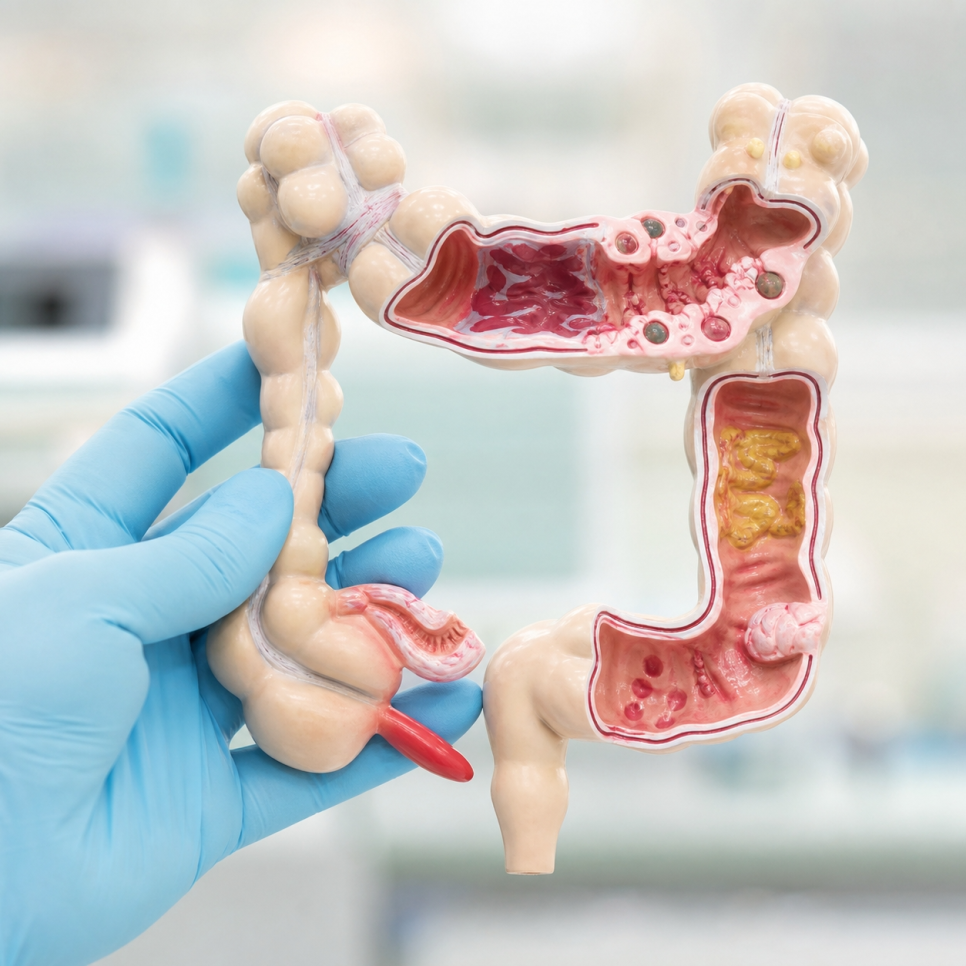
    A colonoscopy is a procedure in which a flexible, camera-equipped tube is inserted through the anus to directly examine the entire inner lining of the colon.
    It’s more than just an imaging exam.

    It’s generally regarded as one of the standard ways to detect polyps, inflammation, ulcers, and tumors on the colon lining.

    If a polyp is found during the exam, it can often be removed right then as part of the same procedure.

    Ansan colonoscopy related image 3

    💡 Key Point
    Because colon cancer often shows almost no early symptoms, removing adenomatous polyps through regular colonoscopy screening is regarded as one approach that may help with prevention.

    What Tests Are Needed for Thinning Stool or Blood in Stool?

    If your bowel habits suddenly change or unexplained digestive symptoms continue, the priority is identifying the cause through a colonoscopy.
    Common examples include constipation and diarrhea alternating without a clear pattern, or a lingering sense of incomplete evacuation after a bowel movement.

    Blood in the stool or a sudden, noticeable thinning of stool caliber
    can be a fairly clear signal from your body.

    Yet surprisingly many people dismiss these symptoms as simple indigestion and end up missing the right time to get tested.

    Ansan colonoscopy related image 4

    📋 Checklist: Key Symptoms That Warrant Testing
    ✅ Unexplained bright red or dark red blood in the stool
    ✅ Chronic abdominal pain, bloating, or excess gas
    ✅ Noticeably thinner stool caliber
    ✅ Age 40 or older, or a family history of colon cancer
    ✅ Unexplained weight loss or unexplained anemia

    Common Causes by Symptom

    Symptom Common Causes
    Thinner stool, incomplete evacuation Polyps, bowel stricture, inflammatory bowel disease
    Blood in stool, anemia Bleeding polyps, hemorrhoids, tumor-related lesions
    Alternating constipation and diarrhea Stress, a Westernized diet, lack of exercise

    If the discomfort continues, don’t put it off —
    it’s best to schedule an Ansan colonoscopy consultation to get an accurate diagnosis.


    What Does the Ansan Colonoscopy Procedure Involve?

    The exam involves thoroughly clearing the bowel and then closely examining the intestinal lining with precision endoscopic equipment.
    That’s why completing the bowel prep the day before — drinking the prescribed prep solution to fully clear the colon — matters so much.

    A well-cleared bowel makes it easier for even small polyps
    or subtle lesions to be identified during the exam.

    Ansan colonoscopy related image 5

    📊 Step-by-Step Process
    1. Starting 3 days before the exam, avoid seeded fruits, whole grains, laver, and seaweed
    2. The day before, take the bowel prep solution at the scheduled time and drink plenty of fluids
    3. On exam day, sedation is given and the colonoscopy is performed comfortably (about 15–30 minutes)
    4. If a polyp is found, a biopsy and polyp removal are performed immediately

    With sedation, pain or discomfort during the exam is generally reduced, which may make the procedure easier to tolerate.


    How Should You Recover and Care for Yourself Afterward?

    Right after the exam, you may feel bloated or gassy from the air used to help visualize the colon during the procedure.
    This usually resolves on its own once the gas passes, so there’s generally no need to worry.

    Ansan colonoscopy related image 6

    ✅ Recovery Guidance
    After resting for about 1–2 hours following the exam, it is generally possible to return to your normal routine that same day.

    If a polyp was removed, though, the picture is a little different.
    To help prevent bleeding, you should avoid strenuous exercise, saunas, and spicy or irritating food for about a week.

    ⚠️ Precautions
    On the day of the exam, avoid spicy or greasy food, alcohol, and smoking, and stick to soft foods such as porridge.
    If you had sedation, do not drive yourself that day — take public transportation or have someone accompany you instead.

    Good gut health starts with small habits of attention and regular screening.
    Consider consulting a specialist about an Ansan colonoscopy and building a consistent, personalized care plan to keep your digestive system comfortable day to day.

    If you’re also looking for gastroenterology or surgical care information in the Ansan area, you may find it helpful to check out Burn Treatment, [Ansan Open Surgery Hospital] Home for hospital details.


    Frequently Asked Questions

    1. How often should you get a colonoscopy, and starting at what age?
    For healthy adults with no particular symptoms, some guidance suggests screening roughly every 5 years starting after age 40–50, though it’s best to confirm the exact starting age and interval with your healthcare provider. If a prior exam found and removed polyps, or if you have a family history of colon cancer, your doctor may recommend a shorter interval of 1–3 years.

    2. Is it okay to drive right after a sedated colonoscopy?
    No. While sedative effects remain in your system, judgment and coordination can be impaired, so you shouldn’t drive yourself on the day of the exam — use public transportation or have someone accompany you instead.

    3. Does it hurt after a polyp is removed?
    The colon lining has very few pain-sensing nerves, so polyp removal often causes little to no pain. That said, if you experience severe abdominal pain or persistent bleeding afterward, you should see a doctor right away.

    4. Should you get tested just because your stool has gotten thinner?
    If the change is temporary, there’s usually no need to worry. But if it continues for more than 2 weeks, or occurs alongside symptoms like blood in the stool or unexplained weight loss, it’s safer to get an Ansan colonoscopy.

    Ansan colonoscopy related image 7

    Ansan colonoscopy related image 8

    Ansan colonoscopy related image 9

    Ansan colonoscopy related image 10

    Ansan colonoscopy related image 11

    Ansan colonoscopy related image 12


    References

    · National Cancer Center, “Early Symptoms of Colon Cancer,” National Cancer Information Center. View source
    · National Cancer Center, “Colon Cancer,” National Cancer Information Center. View source
    · Dailypharm, “Never Drive After Sedation for Endoscopy and Similar Procedures,” interview report with the Korean Society of Anesthesiologists and the Ministry of Food and Drug Safety. View source


    This article is intended for general health information purposes only and is not a substitute for individual diagnosis or treatment. If you’re experiencing symptoms, please consult a medical professional.

  • Flap Necrosis: 3 Causes After Free Flap Surgery (Smoking & Pressure Warning)

    Flap Necrosis: 3 Causes After Free Flap Surgery (Smoking & Pressure Warning)

    SummarySmoking and pressure on the graft site are two of the leading causes of flap necrosis after free flap surgery. Here’s a rundown of reconstructive plastic surgery information — from the basics of vascular anastomosis to a post-surgery care checklist.

    What if a flap that just went through surgery suddenly turned dark red or purple?
    Tissue transferred through free flap surgery is at risk of flap necrosis the moment its blood supply is interrupted.

    Smoking and pressure from improper positioning are two of the most common causes.
    Today, we’ll walk through how free flap surgery works and how to help prevent flap necrosis after the procedure.

    flap necrosis

    Key Points
    ✔ Free flap surgery is a microsurgical reconstruction procedure that transplants tissue along with its blood vessels.
    ✔ Inadequate post-surgery care can lead to flap necrosis.
    ✔ Smoking and pressure are two of the leading risk factors for flap necrosis.

    What Is Free Flap Surgery?

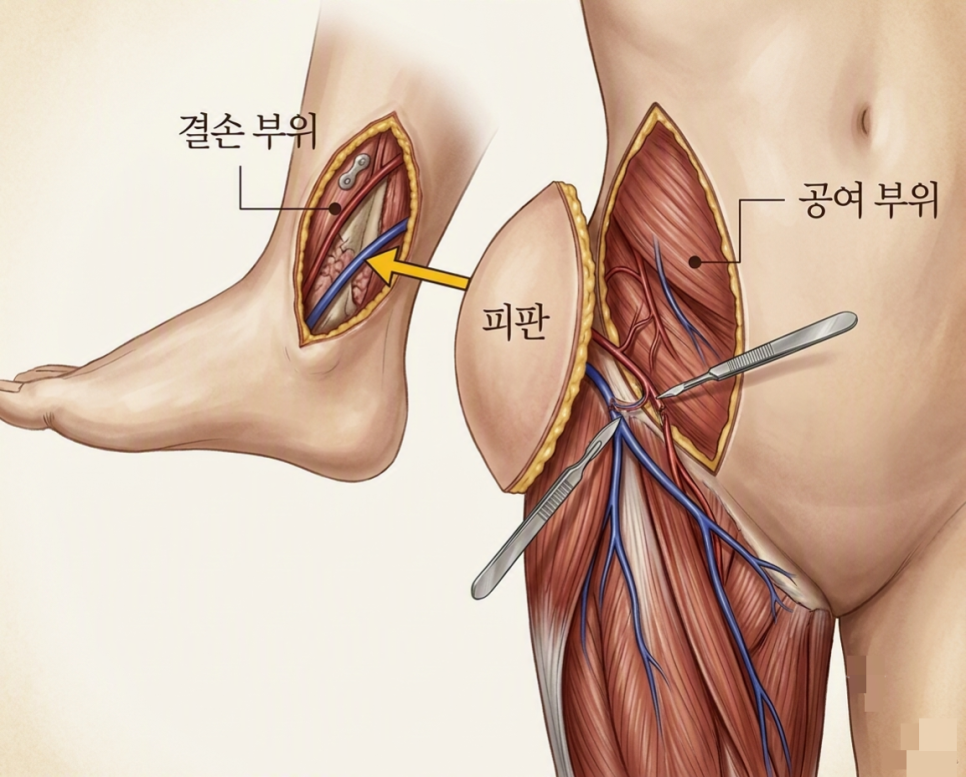
    To put it simply, free flap surgery is a microsurgical reconstruction procedure that removes a whole section of a patient’s own tissue — including its blood vessels — and transplants it to a damaged area.

    flap necrosis illustration 2

    In some cases, a simple skin graft isn’t enough for full recovery.
    This is especially true when the tissue damage is deep or blood circulation to the area is compromised.

    In these situations, surgeons take skin, fat, and even arteries and veins together from a donor site such as the thigh, back, or abdomen.
    But that’s not the end of the process.

    flap necrosis illustration 3

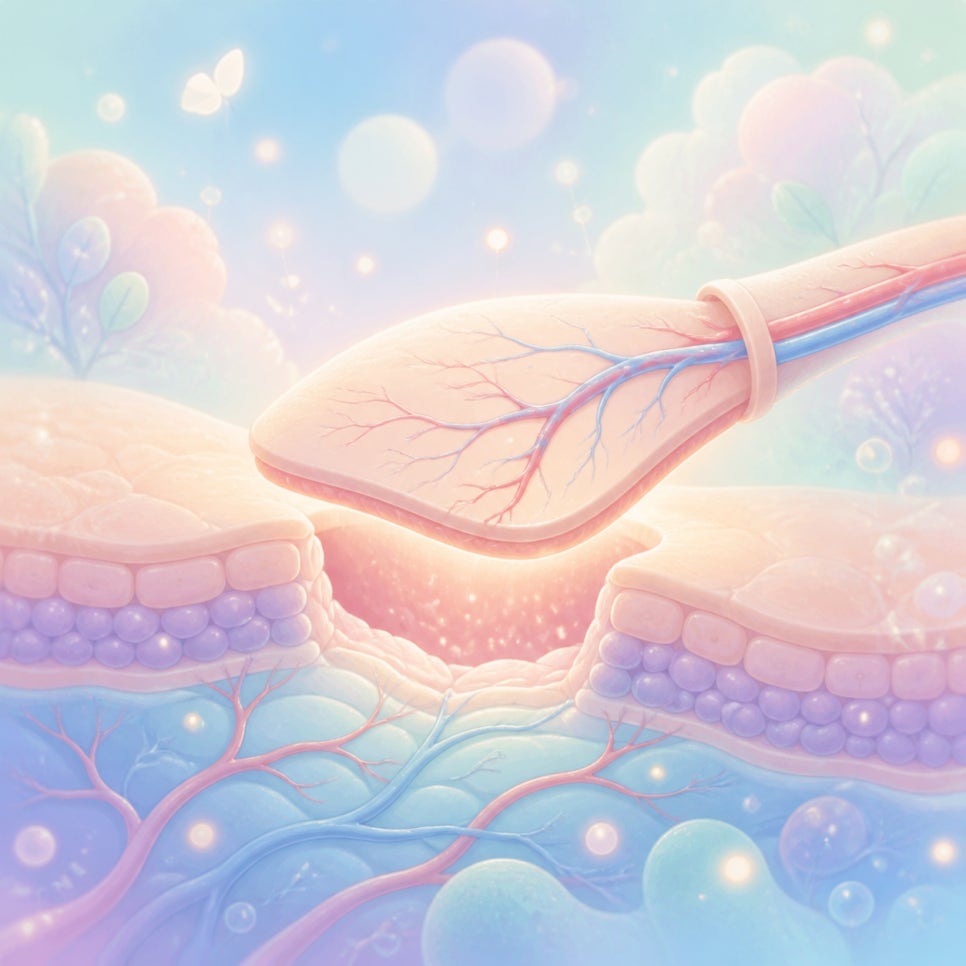
    The tiny blood vessels in the removed tissue must be connected, one by one, to the blood vessels at the recipient site under a microscope.
    This vascular anastomosis process is the core technique of free flap surgery.

    That’s because tissue needs a continuous supply of oxygen and nutrients to survive.
    According to related research, this microvascular connection is considered a critical factor in determining whether the surgery succeeds.

    flap necrosis illustration 4


    Why Does Flap Necrosis Happen? The Effects of Smoking and Pressure

    In short, flap necrosis occurs when the oxygen and nutrient supply to transplanted tissue is cut off, causing the cells to die.

    Nicotine in cigarettes causes blood vessels to constrict.
    Even a single cigarette can narrow the microvasculature.
    That’s why smoking after surgery is considered one of the leading risk factors for flap necrosis.

    Pressure has a similar effect.
    Something as simple as an unconscious sleeping position can cut off blood flow to the grafted area.
    When a blood vessel is compressed, blood clots can form more easily, which can ultimately lead to tissue necrosis.

    ⚠ Precautions
    · Maintain a position that keeps pressure off the surgical site at all times.
    · Avoid smoking, since it constricts blood vessels.
    · Keep warm, as a drop in body temperature can slow blood circulation.
    Risk Factor Effect on the Flap
    Smoking Vasoconstriction, reduced microcirculation
    Pressure/positioning Vessel compression, increased risk of clot formation
    Hypothermia Reduced blood circulation

    An international meta-analysis found that smoking significantly increased the rates of hematoma and overall complications after head and neck cancer reconstruction surgery.
    Another study reported that free flap perfusion tended to be lower in smokers than in non-smokers.

    That said, having a smoking history doesn’t automatically mean flap necrosis will occur.
    Still, since the risk is elevated, extra caution is warranted.

    flap necrosis illustration 5


    When and How Is Free Flap Surgery Performed?

    In short, free flap surgery is used when extensive tissue loss needs to be structurally restored.
    It’s commonly used to fill defects left after severe burns, head and neck cancer surgery, or breast cancer surgery.
    It’s also widely applied for serious skin damage caused by traffic accidents or diabetic foot conditions.

    Checklist — Steps in Free Flap Surgery
    ✅ Step 1: Measure the defect and select the donor site (where tissue will be harvested)
    ✅ Step 2: Harvest the flap, including its blood vessels, from the donor site
    ✅ Step 3: Perform vascular anastomosis (vessel connection) using a surgical microscope
    ✅ Step 4: Close the recipient site and the donor site

    Because this microsurgical technique involves connecting blood vessels with sutures thinner than a human hair, the procedure takes a long time and requires a high degree of precision.


    What Should You Manage After Surgery?

    To put it simply, the key to post-surgery care is keeping the transplanted blood vessels open to prevent flap necrosis.

    flap necrosis illustration 6

    After surgery, blood flow to the transplanted tissue must be monitored continuously.
    If a vessel becomes blocked or a clot forms, the transplanted tissue is unlikely to survive.

    Close monitoring takes place during the first several days.
    Once the tissue has stabilized, patients gradually move into a more routine recovery phase.

    When recovery is managed well,
    it can help support stable flap survival and normal blood flow, and may also help lower the risk of tissue necrosis.

    If you’d like to learn more about tissue defects caused by burns and reconstructive treatment options, visiting Burn Treatment, [Ansan Open Surgery Hospital] Home may also be helpful.

    flap necrosis illustration 7


    Frequently Asked Questions

    1. Can tissue from another person be transplanted instead?
    No — to prevent immune rejection, the general rule is to use only the patient’s own tissue.

    2. Is the donor site (where tissue is harvested) affected afterward?
    Surgeons choose a site that has minimal impact on bodily function and where scarring is less visible, and the donor site is closed with careful surgical technique as well.

    3. How long does recovery take after surgery?
    Hospital stays typically last about one to two weeks, but several months of follow-up monitoring are usually needed before the graft site stabilizes and the patient returns to normal daily activities.

    4. Can the skin color or texture differ from the surrounding area?
    Depending on the donor site used, there can be differences in texture or color, and additional cosmetic procedures may be used to correct this later if needed.

    5. Can smokers undergo free flap surgery?
    Smoking doesn’t necessarily rule out surgery, but because it raises the risk of flap necrosis, quitting smoking before and after surgery is strongly recommended.


    References

    · Asan Medical Center, “Tissue Reconstruction Through Flap Surgery,” Disease Encyclopedia, Asan Medical Center. View source
    · Chang et al., “The impact of smoking on surgical complications after head and neck reconstructive surgery with a free vascularised tissue flap: a systematic review and meta-analysis,” Journal of Plastic, Reconstructive & Aesthetic Surgery (ScienceDirect), 2020. View source
    · “Smoking and microvascular free flap perfusion in head and neck reconstruction: radial free forearm flaps and anterolateral thigh flaps,” Scientific Reports (Nature), 2022. View source
    · Liu et al., “Analysis of the Risk Factors for Free Flap Necrosis in Soft Tissue Reconstruction of the Lower Limbs,” Orthopaedic Surgery (Wiley), 2023. View source

    This article is intended for general health information purposes only and is not a substitute for individual diagnosis or treatment. If you have symptoms, please consult a medical professional.
  • Burn Hospital in Ansan: 3 Things 15 Minutes of First Aid Can Decide

    Burn Hospital in Ansan: 3 Things 15 Minutes of First Aid Can Decide

    SummaryDon’t panic if you’re scalded by hot water. This guide covers the first 15 minutes of burn first aid, how to handle blisters, checkpoints for choosing a burn hospital in Ansan, and stage-by-stage burn treatment and scar care.

    The instant hot soup splashes onto the back of your hand, most people panic and reach for ice.

    But that split-second decision can affect how the scar ends up looking.

    What you do in the first 15 minutes after a burn, and how you choose a specialized burn clinic, may affect your recovery speed and scarring.

    burn hospital in Ansan

    Key Points
    1. A specialized burn hospital treats burn patients who need a tailored approach — from dressing changes to scar laser treatment — that differs from routine wound care.
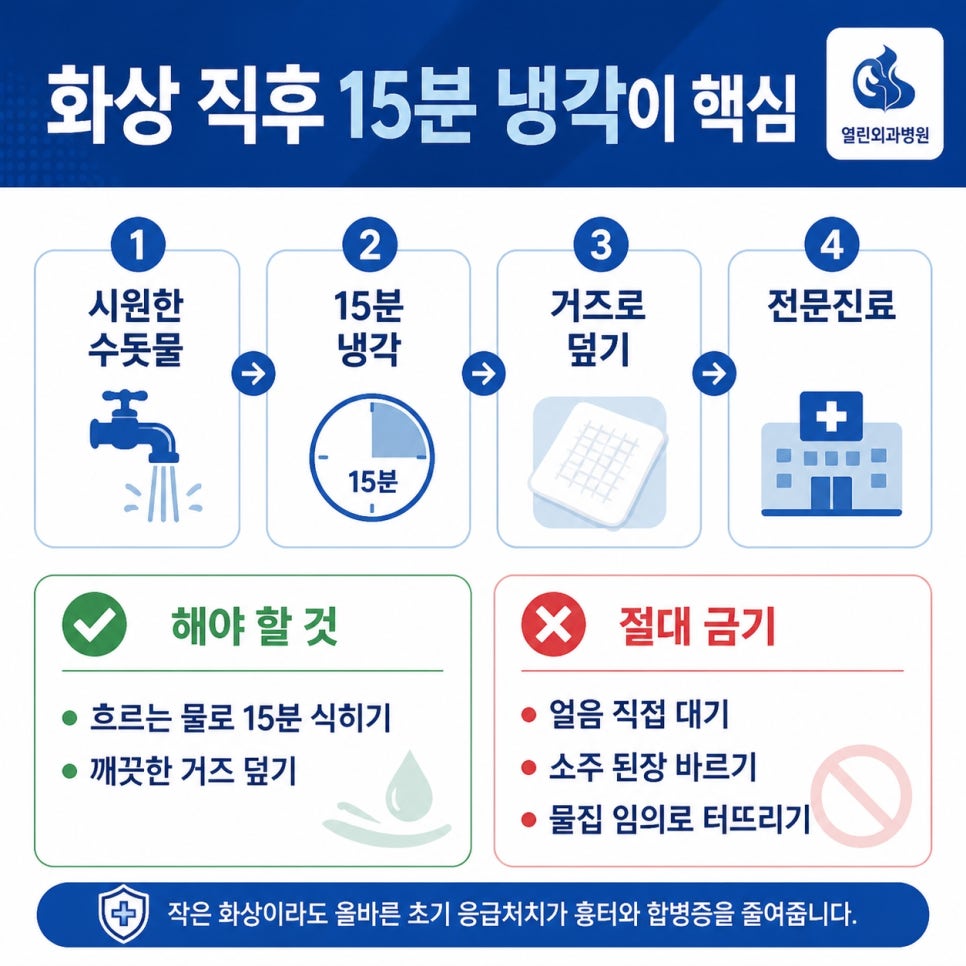
    2. Right after a burn, the basic sequence is to cool the area under running cool water for at least 15 minutes, then get specialized burn care.
    3. Folk remedies like applying ice directly, rubbing on soju or soybean paste, or popping blisters yourself can worsen the damage and cause infection.

    Burn hospital in Ansan - related image 2

    This article walks through the emergency first-aid steps right after a burn, the checkpoints for choosing the right burn treatment center, and stage-by-stage burn treatment and scar care.
    We’ll guide you step by step so you can act right away without panicking.

    What’s the First Thing You Should Do After a Burn?

    The first 15 minutes after a burn are a critical window that can affect how deep the skin damage becomes.
    Burn first aid is the process of cooling the heat as quickly as possible to reduce tissue damage.

    Burn hospital in Ansan - related image 3

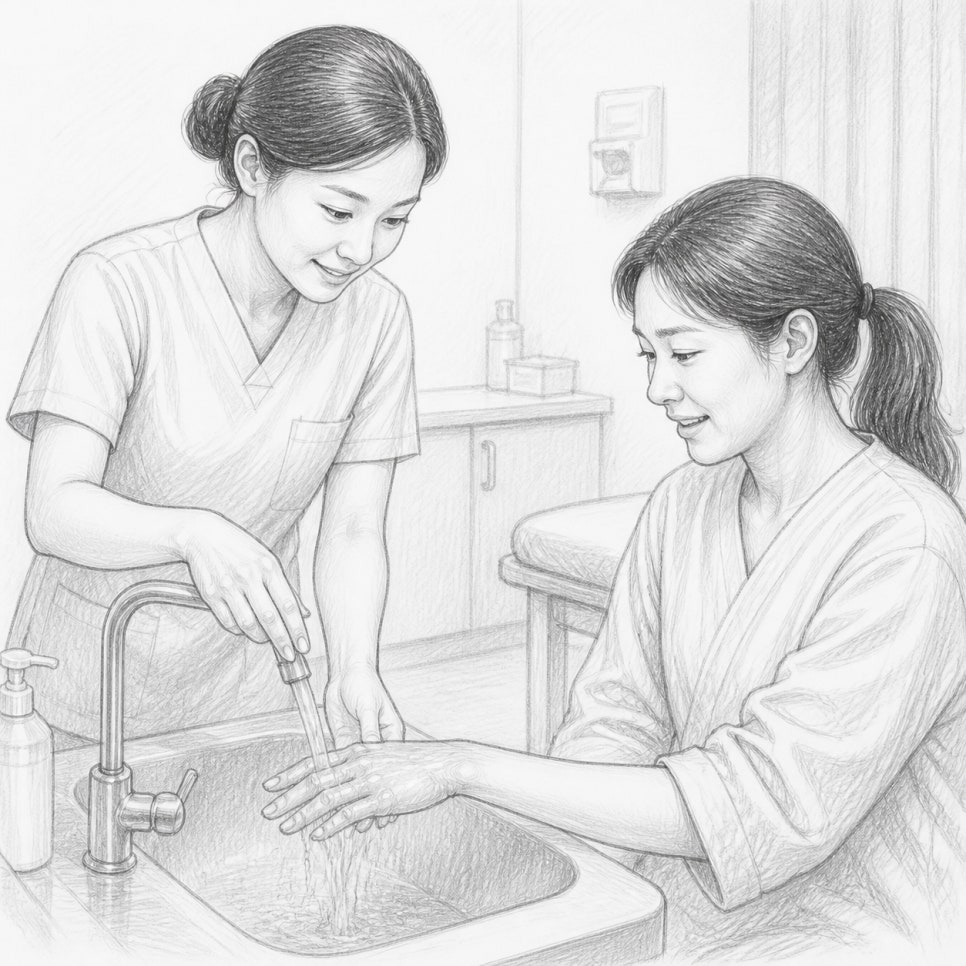
    If you get burned, immediately hold the area under running cool water and cool it for at least 15 minutes.

    That said, some people still try folk remedies like rubbing on soju, soybean paste, or raw potato.

    These should be strictly avoided, as they can cause secondary infection.
    Cooling with clean water alone is generally considered a safe approach.

    Burn hospital in Ansan - related image 4

    Caution
    Popping a blister yourself increases the risk of bacterial infection and can slow healing.
    Blisters act as a natural shield protecting the damaged skin underneath, so leave them intact and have a medical professional treat them if needed.

    In summary, here’s the order to follow for burn first aid:

    1. Hold the area under running cool water (15–25°C / 59–77°F) for at least 15 minutes.
    2. Don’t apply ice directly — it can over-constrict blood vessels and worsen the damage.
    3. Don’t use folk remedies such as soju, soybean paste, or potato.
    4. Cover the area loosely with clean gauze and go to a burn specialty hospital.

    What Should You Check When Choosing a Burn Hospital in Ansan?

    Burn treatment requires a completely different, specialized approach than routine wound care.
    A specialized burn hospital refers to a facility with an integrated care system covering everything from initial dressing to scar management.

    Burn hospital in Ansan - related image 5

    Every hospital has different treatment know-how and aftercare programs.

    That’s why it’s worth carefully checking whether a hospital can provide intensive care and whether it also connects patients to scar management.

    Checklist
    ✅ Check whether burn care and emergency response are available even at night
    ✅ Look into the clinical experience and expertise of the dedicated burn medical staff
    ✅ See whether there’s a systematic care pathway from dressing to scar laser treatment
    ✅ Confirm whether they create a customized treatment plan based on the burn’s location and depth

    For reference, one option in the Ansan area that offers both burn treatment and scar management is the home page of Ansan Yeollin Surgery Hospital, which provides burn care — it may be worth checking out when comparing hospitals.


    How Does Treatment Differ by Burn Stage?

    Burn treatment by stage is tailored to how deep the skin damage goes.
    Burn stages classify the depth of skin damage from first-degree to third-degree.

    Stage Main Symptoms Treatment Focus
    First-degree burn Mild redness, stinging Focus on cooling and moisturizing
    Second-degree burn Blisters with pain Regular dressing changes and disinfection
    Third-degree or higher Skin necrosis, reduced sensation Requires specialist care and intensive treatment

    Burn hospital in Ansan - related image 6

    Proper dressing changes and disinfection are essential to prevent infection and help new skin form properly.

    Even after treatment ends, thorough sun protection and moisturizing are needed to reduce pigmentation.
    Skin that’s been sensitized by injury tends to overproduce melanin, making it darker than the surrounding area.

    Apply an SPF30+ sunscreen daily, even indoors, and reapply every 2–3 hours outdoors.
    Neglecting skin care early on can allow discoloration to linger, so it’s worth paying close attention.

    Outcome
    Getting systematic care early from a burn hospital in Ansan and consistently keeping up with sun protection and moisturizing may help minimize scarring and contracture.

    Burn hospital in Ansan - related image 7

    Burn hospital in Ansan - related image 8

    About Yeollin Surgery Hospital

    It’s located at 376 Hwarang-ro, Danwon-gu, Ansan-si, Gyeonggi-do (basement level and floors 2–4), across from Ansan City Hall and Danwon Police Station, making it easy to reach.

    Burn hospital in Ansan - related image 9

    Burn hospital in Ansan - related image 10

    Burn hospital in Ansan - related image 11

    Burn hospital in Ansan - related image 12


    Frequently Asked Questions

    1. Is it okay to apply ice directly to a burn?
    Applying ice directly can cause excessive blood vessel constriction and worsen tissue damage, so it’s better to use running water at about 15–25°C (59–77°F).

    2. Can I pop a small blister myself at home?
    Blisters protect the wound from bacteria, so you shouldn’t pop them yourself — have them treated under sterile conditions at a hospital instead.

    3. How long does burn treatment usually take?
    It varies by depth and extent, but second-degree burns typically require around two weeks of treatment.

    4. When should I start managing scars?
    Begin moisturizing and sun protection as soon as the wound has fully healed, and combining this with professional scar laser treatment, if needed, may help.

    5. If I get burned at night, should I go straight to the hospital?
    For extensive burns or second-degree-plus burns with large blisters, it’s safer to go straight to a burn specialty hospital that offers night-time care.


    References

    · National Safety Portal (Ministry of the Interior and Safety), “Daily Safety Guidelines – First Aid,” Ministry of the Interior and Safety. View source
    · Seoul National University Hospital, “Burns,” Medical Information. View source
    · Hidoc, “Don’t Pop the Blister… A Surgeon Explains How to Handle Burns,” Hidoc News, 2025. View source
    · Soonchunhyang University Gumi Hospital, “Proper Burn Care and Scar Management,” Health Information. View source


    This article is intended for general health information purposes only and is not a substitute for individual diagnosis or treatment. If you have symptoms, please consult a medical professional.
  • Burn First Aid: 3 Things the First 15 Minutes Decide

    Burn First Aid: 3 Things the First 15 Minutes Decide

    SummaryDon’t panic if you’re scalded by hot water. Here’s a rundown of the first-15-minutes burn first aid steps, how to handle blisters, checkpoints for choosing an Ansan burn hospital, and treatment and scar care by burn stage.

    The moment hot soup splashes onto the back of your hand, most people instinctively reach for ice.

    But that split-second decision actually plays a big role in how large the resulting scar ends up being.

    The first 15 minutes after a burn — and how you choose an Ansan burn hospital — can make a real difference in how quickly you recover and how much scarring remains.

    Ansan burn hospital

    Key Points
    1. An Ansan burn hospital treats burn patients who need a specialized approach — from dressing changes to scar laser treatment — that differs from general wound care.
    2. Right after a burn, the basic sequence is to cool the area under cool running water for at least 15 minutes, then see a burn specialist.
    3. Folk remedies such as applying ice directly, rubbing on soju or soybean paste, or popping blisters yourself can worsen the damage and lead to infection.

    Ansan burn hospital related image 2

    This article covers the order of first aid right after a burn, checkpoints for choosing an Ansan burn hospital, and treatment and scar care by burn stage.
    We’ll walk you through it step by step so you can act calmly and confidently.

    What’s the First Thing You Should Do for Burn First Aid?

    The first 15 minutes after a burn are a critical window for determining how deep the skin damage goes.
    Burn first aid means cooling the heat as quickly as possible to minimize tissue damage.

    Ansan burn hospital related image 3

    If you get burned, immediately hold the area under cool running water and keep it cooling for at least 15 minutes.

    That said, some people still try folk remedies like rubbing soju, soybean paste, or raw potato on the burn.

    These practices can cause secondary infection and should be avoided entirely.
    Cooling with clean water alone is generally considered a safe approach.

    Ansan burn hospital related image 4

    Caution
    Popping a blister yourself increases the risk of bacterial infection and can slow healing.
    Blisters act as a natural shield protecting the damaged skin underneath, so leave them intact and have a medical professional treat them if needed.

    In summary, here’s the recommended order for burn first aid.

    1. Hold the area under cool running water (15–25°C / 59–77°F) for at least 15 minutes.
    2. Don’t apply ice directly — it can over-constrict blood vessels and worsen the damage.
    3. Avoid folk remedies such as soju, soybean paste, or potato.
    4. Lightly cover the area with clean gauze and head to a burn specialist.

    What Should You Check When Choosing an Ansan Burn Hospital?

    Burn treatment calls for a specialized approach that’s completely different from general wound care.
    An Ansan burn hospital is a facility with a coordinated care system covering everything from initial burn dressing to scar management.

    Ansan burn hospital related image 5

    Every hospital has its own treatment know-how and aftercare programs, so there’s naturally some variation between them.

    That’s why it’s worth carefully checking whether a hospital can provide focused treatment and whether scar care is included as part of the process.

    Checklist
    ✅ Check whether burn care and emergency response are available at night
    ✅ Look into the clinical experience and expertise of the burn care team
    ✅ See whether there’s a systematic care pathway from dressing to scar laser treatment
    ✅ Confirm whether they build a treatment plan tailored to the burn’s location and depth

    For reference, one option in the Ansan area offering both burn treatment and scar management is the home page of Yeollin Surgical Hospital in Ansan, which provides burn care — worth a look when comparing hospitals.


    How Does Treatment Differ by Burn Stage?

    Treatment by burn stage is tailored to how deep the skin damage goes.
    Burn stages classify the depth of skin damage from first-degree to third-degree.

    Stage Main Symptoms Treatment Focus
    First-degree burn Mild redness, stinging Cooling and moisturizing care
    Second-degree burn Blisters with pain Regular dressing changes and disinfection
    Third-degree or higher Tissue necrosis, reduced sensation Requires specialist care and intensive treatment

    Ansan burn hospital related image 6

    Proper dressing changes and disinfection are essential for preventing infection and helping new skin grow in well.

    Even after treatment is finished, thorough sun protection and moisturizing matter for reducing pigmentation.
    Skin that’s been sensitized by injury tends to overproduce melanin, which can leave it darker than the surrounding area.

    It’s a good idea to apply SPF 30+ sunscreen daily, even indoors, and reapply every 2–3 hours when outdoors.
    Neglecting this early on can allow discoloration to linger, so staying consistent matters.

    Outcome
    Getting systematic care at an Ansan burn hospital early on, combined with consistent sun protection and moisturizing, may help minimize scarring and contracture.

    Ansan burn hospital related image 7

    Ansan burn hospital related image 8

    About Yeollin Surgical Hospital

    It’s located at 376 Hwarang-ro, Danwon-gu, Ansan-si, Gyeonggi-do (basement level plus floors 2, 3, and 4), across from Ansan City Hall and in front of Danwon Police Station, making it easy to reach.

    Ansan burn hospital related image 9

    Ansan burn hospital related image 10

    Ansan burn hospital related image 11

    Ansan burn hospital related image 12


    Frequently Asked Questions

    1. Is it okay to apply ice directly to a burn?
    Applying ice directly can over-constrict blood vessels and worsen tissue damage, so it’s better to use running water around 15–25°C (59–77°F).

    2. Can I pop a small blister at home?
    Blisters protect the wound from bacteria, so avoid popping them yourself — have them treated under sterile conditions at a hospital instead.

    3. How long does burn treatment usually take?
    It varies with the depth and extent of the burn, but second-degree burns typically require around two weeks of treatment.

    4. When should I start caring for a scar?
    Start moisturizing and applying sun protection as soon as the wound has fully healed, and if needed, professional scar laser treatment may also help.

    5. If I’m burned at night, should I go straight to the hospital?
    For extensive burns or second-degree-and-above burns with large blisters, it’s safest to head straight to a burn specialist that offers night-time care.


    References

    · Safekorea (Ministry of the Interior and Safety), “Life Safety Action Guide – First Aid,” Ministry of the Interior and Safety. View source
    · Seoul National University Hospital, “Burns,” Medical Information. View source
    · Hidoc, “Don’t Pop the Blister… A Surgeon Explains How to Handle Burns,” Hidoc News, 2025. View source
    · Soonchunhyang University Gumi Hospital, “Proper Burn Care and Scar Management,” Health Information. View source


    This article is intended to provide general health information and is not a substitute for individual diagnosis or treatment. If you have symptoms, please consult a medical professional.
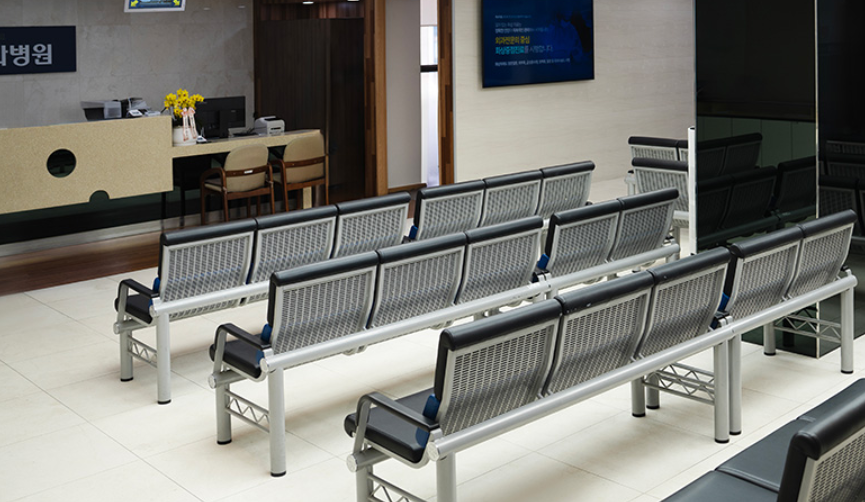
  • Chronic Anal Fissure Treatment: 3 Causes of Worsening Symptoms and How to Manage Them

    Chronic Anal Fissure Treatment: 3 Causes of Worsening Symptoms and How to Manage Them

    SummaryPutting off chronic anal fissure treatment can let the wound tissue harden, making natural healing far more difficult. This guide covers why acute fissures turn chronic, non-surgical care like sitz baths and fiber intake, and when surgery becomes necessary — so you can work toward more comfortable, pain-free bowel movements.

    If your heart sinks every time you head to the bathroom, you’re not alone.
    Many people even cut back on water and tell themselves the pain will pass in a few days.

    But did you know that ignoring the pain like this can make chronic anal fissure treatment far more difficult?

    chronic anal fissure treatment

    This article breaks down why acute fissures progress into chronic ones, along with non-surgical care you can practice at home.
    We’ll also look at the specific signs that indicate surgery should be considered as part of chronic anal fissure treatment.

    chronic anal fissure treatment illustration 2

    What Is a Chronic Anal Fissure?

    A chronic anal fissure develops when the lining inside the anus tears and heals repeatedly over time, eventually leading to an ulcer or a skin tag.
    It’s completely different from an acute fissure, which typically hurts for only a day or two.

    chronic anal fissure treatment illustration 3

    Because the wound loses its elasticity and hardens, natural healing becomes nearly impossible.
    It’s common for people to dismiss the early pain of a fissure, only to have symptoms worsen significantly later on.

    If a knife-like pain during bowel movements lasts for hours afterward, there’s a good chance the fissure has already become chronic.

    🎯 Key Point
    Leaving an acute fissure untreated for too long can cause the wound tissue to degenerate into a chronic fissure, sometimes accompanied by sphincter spasm.
    Category Acute Fissure Chronic Fissure
    Wound condition Shallow and flexible Deep and hardened
    Associated findings Rarely any May include skin tag or ulcer
    Treatment approach Conservative care (diet, sitz baths) Surgery considered after specialist diagnosis

    Why Do Acute Fissures Turn Chronic?

    Hardened stool repeatedly puts strong pressure on the inner lining of the anus, reopening the wound before it has a chance to heal.
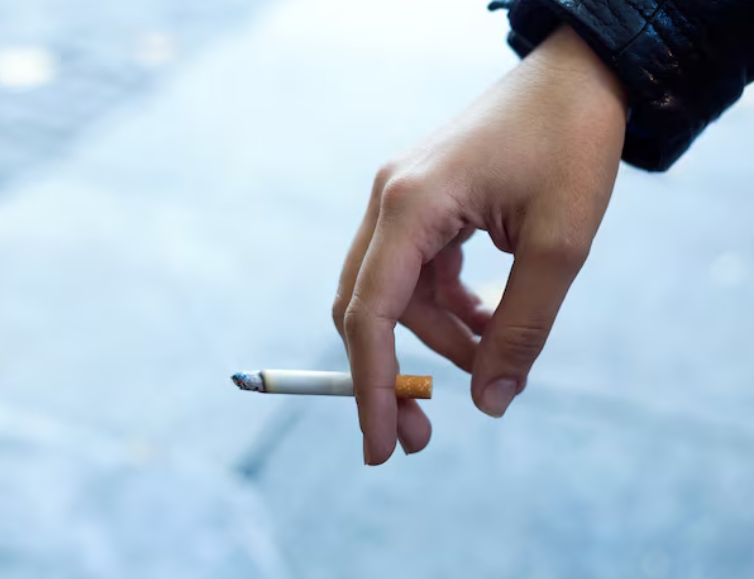
    chronic anal fissure treatment illustration 4

    If another bowel movement occurs before the torn lining has healed, the wound is forced open again and again.
    Eventually, the internal anal sphincter stays tense and contracted, which reduces blood flow to the area.

    chronic anal fissure treatment illustration 5

    Without proper blood circulation, the wound simply can’t regenerate the way it should.

    If this vicious cycle isn’t broken, chronic anal fissure treatment only becomes more complicated over time.

    🎯 Key Point
    When poor circulation repeatedly prevents the wound from healing, conservative treatment alone may no longer be enough for recovery.
    📋 Checklist: Check Your Symptoms
    ✅ Sharp, stabbing pain lingers for 1–2 hours or more after a bowel movement
    ✅ Bright red blood frequently appears on toilet paper
    ✅ You can feel a small raised skin tag near the anus
    ✅ The pain is severe enough that you dread every bowel movement

    Can You Start Chronic Anal Fissure Treatment Without Surgery?

    If symptoms are mild or caught early, conservative care alone can be enough to see real improvement.
    The first step is increasing fiber intake and staying well hydrated to keep stool soft.

    chronic anal fissure treatment illustration 6

    Aim to drink at least 1.5 liters of water a day and build meals around vegetables and fruit.
    Warm sitz baths can also help improve blood circulation and ease sphincter tension.

    1. Prepare warm water at around 40°C (104°F).
    2. Soak for 5–10 minutes in plain water, without soap.
    3. Repeat 2–3 times a day, especially right after a bowel movement.

    chronic anal fissure treatment illustration 7

    ✅ Result
    With consistent sitz baths and dietary changes alone, early-stage fissure pain often eases noticeably.

    Using plain water instead of soap is a simple way to reduce irritation during a sitz bath.
    If this is your first time seeing a colorectal specialist and you’re not sure where to start, you can check the clinic information at Burn Treatment, [Ansan Yeollin Surgical Hospital] Home first.


    When Does Chronic Anal Fissure Treatment Require Surgery?

    If months of sitz baths and topical ointment still leave daily life difficult, surgical treatment should be seriously considered.

    chronic anal fissure treatment illustration 8

    This typically applies when the tissue has already hardened into an ulcer, or when the sphincter remains permanently contracted.
    In these cases, lateral internal sphincterotomy, a surgical option for this condition, is understood to help widen the narrowed anal canal and may lower the recurrence rate.

    According to a systematic review and meta-analysis of the procedure, some studies have reported success rates around 90%, though actual outcomes can vary depending on the patient’s condition and the medical institution.

    chronic anal fissure treatment illustration 9

    Many people put off surgery simply because the word itself sounds frightening.
    But the longer treatment is delayed, the longer the pain can last, and recovery may take even more time.

    If your symptoms have persisted for a long time, we recommend consulting a specialist as soon as possible.

    ⚠️ Caution
    Relying on self-diagnosis and leaving symptoms untreated can allow them to progress into a chronic ulcer, seriously disrupting daily life. If symptoms keep recurring, be sure to see a specialist.

    Frequently Asked Questions

    1. How often should I do a sitz bath?
    Twice a day — morning and evening — is standard, and doing one right after a bowel movement is even more effective for pain relief.

    2. Does a little blood during a bowel movement always mean it’s chronic?
    Not necessarily. It could be a temporary tear, but if the symptom keeps recurring for several weeks or more, there’s a good chance it has become chronic.

    3. How soon can I return to daily life after surgery?
    It depends on the procedure, but same-day discharge or a light return to daily activities is possible as early as the next day in some cases.

    4. What foods are good sources of fiber?
    Focus on naturally fiber-rich foods such as vegetables, seaweed, and whole grains — they support healthy bowel movements.

    5. Won’t it just heal on its own if I wait it out?
    Once a fissure reaches the chronic stage, natural healing is nearly impossible, so waiting only risks prolonging and worsening the pain.

    chronic anal fissure treatment illustration 10


    References

    · Ratto C. et al., “Comparing closed versus open lateral internal sphincterotomy for management of chronic anal fissure: systematic review and meta-analysis of randomised control trials,” Scientific Reports, 2023. View source
    · Cleveland Clinic, “Lateral Internal Sphincterotomy: Surgery & Recovery,” Cleveland Clinic, 2024. View source
    · BioTimes, “Anal Pain and Bleeding: How Should Fissures Be Treated?,” BioTimes, 2023. View source


    This article is intended for general health information purposes only and is not a substitute for individual diagnosis or treatment. If you have symptoms, please consult a specialist.

  • Appendicitis Surgery: 5 Warning Signs and Recovery Timeline

    Appendicitis Surgery: 5 Warning Signs and Recovery Timeline

    SummaryA quick overview of the pain signals and causes that are easy to miss before appendicitis surgery, along with diagnostic tests, recovery time, and post-surgery care tips.

    When stomach pain suddenly quiets down, it’s easy to assume that’s a good sign.

    But when appendicitis surgery may be needed, that very moment can actually be a warning sign.

    That’s because when the appendix ruptures and the internal pressure releases, the pain can feel like it’s temporarily easing.

    Knowing this can change how you respond to abdominal pain.

    💡 Article Preview
    This article walks through the warning symptoms that may call for appendicitis surgery, accurate diagnostic tests, and recovery time and aftercare after surgery.
    If you’re concerned about right lower abdominal pain, we recommend reading through to the end.

    What Is Appendicitis Surgery?

    Appendicitis surgery (appendectomy) is a procedure that removes the inflamed appendix to help prevent complications such as peritonitis.

    It’s commonly called \”appendicitis\” in everyday speech, but more precisely, it refers to inflammation of the appendix, the small pouch attached to the cecum.

    The concern is how quickly it progresses — if left untreated, this inflammation can worsen rapidly.

    appendicitis surgery

    According to Asan Medical Center, appendix perforation occurs in about 20% of patients within 24 hours of symptom onset, and in about 70% within 48 hours.

    Once perforation occurs, pus can spread into the abdominal cavity, raising the risk of progressing to peritonitis.

    For this reason, physicians generally proceed with surgery without delay once a diagnosis is confirmed.

    appendicitis surgery illustration 2

    💡 Key Point
    According to the source cited above, the risk of perforation rises to about 70% within 48 hours of symptom onset.
    Don’t assume a sudden drop in pain means things are fine — seeking medical care right away is the safer choice.

    What Symptoms Suggest Acute Appendicitis?

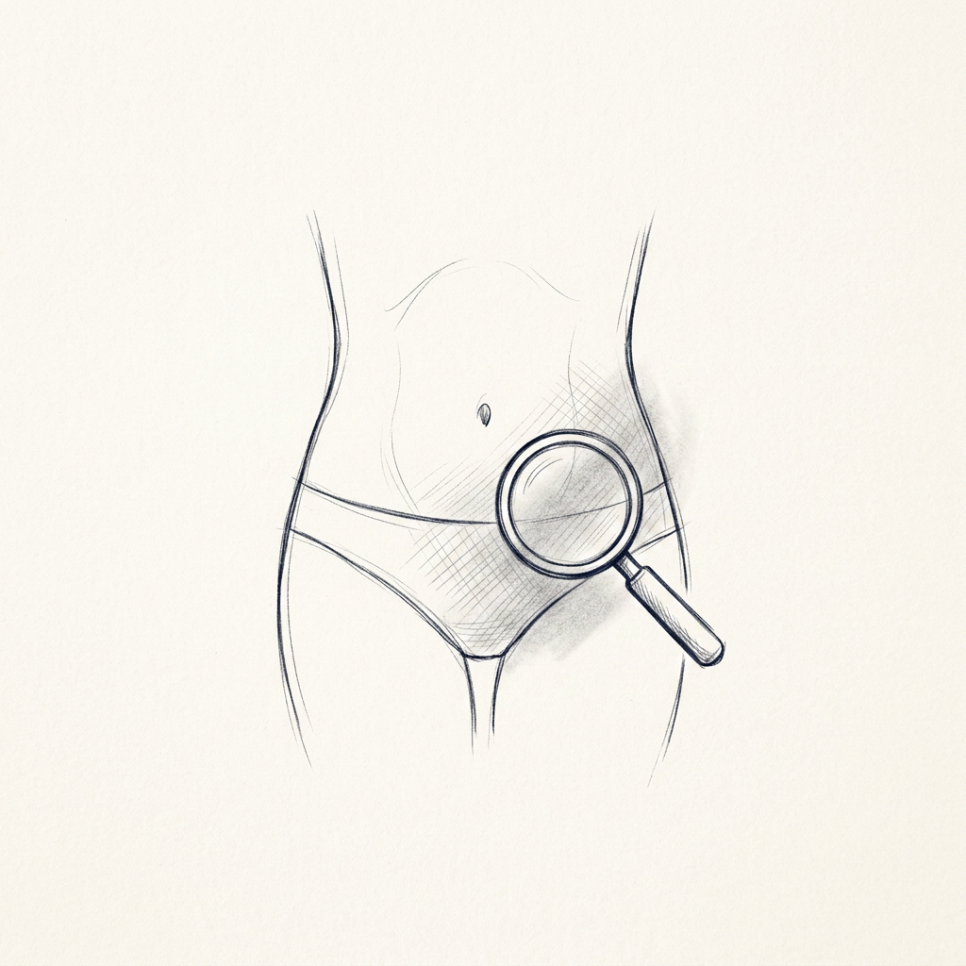
    If pain around the upper abdomen or navel shifts toward the right lower abdomen, acute appendicitis should be suspected.

    The exact cause isn’t fully understood, but according to Korea’s National Health Information Portal, inflammation often begins when the opening of the appendix becomes blocked.

    In teenagers, overgrown lymphoid tissue is a common cause of blockage, while in adults, hardened fecal matter (fecaliths) is often responsible.

    appendicitis surgery illustration 3

    In the early stages, it can feel similar to indigestion, so it’s easy to dismiss.

    The typical pattern is that nausea, vomiting, and a low-grade fever appear alongside the pain as it moves to the right lower abdomen.

    📋 Checklist
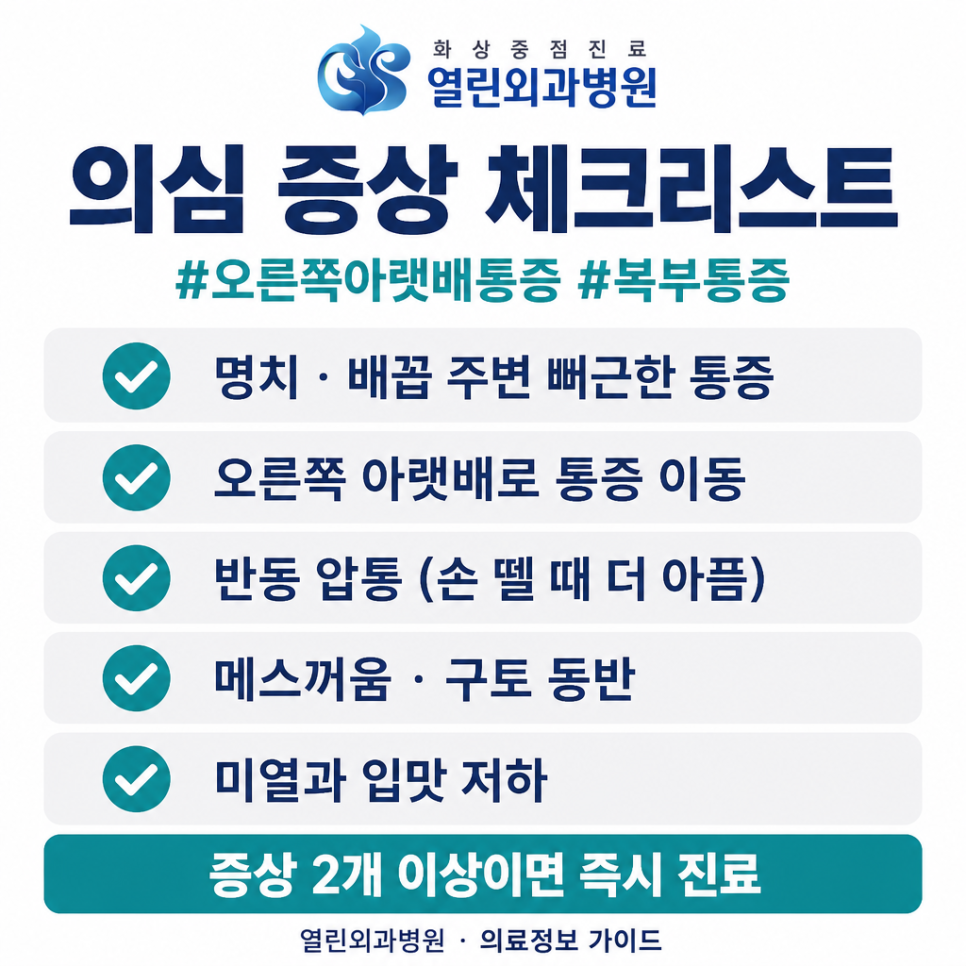
    ✅ Dull, aching pain around the upper abdomen or navel
    ✅ Sharp pain when pressing on the right lower abdomen
    ✅ Rebound tenderness — pain that worsens when pressure is released
    ✅ Loss of appetite with ongoing low-grade fever and nausea

    How Is Appendicitis Diagnosed?

    Appendicitis is diagnosed using a combination of physical examination, blood tests, and imaging studies.

    First, a physician presses on the right lower abdomen to check for tenderness and rebound tenderness.

    Blood tests are then used to check white blood cell counts and inflammation markers.

    appendicitis surgery illustration 4

    A definitive diagnosis typically requires an abdominal ultrasound or CT scan.

    CT scans, in particular, clearly show the swollen appendix and help distinguish it from other conditions.

    🚀 Takeaway
    Combining physical examination with imaging may help reduce the chance of misdiagnosis.
    Fast, accurate diagnosis is generally considered an important step toward safer appendicitis surgery.

    What Is the Recovery Time and Aftercare Following Appendicitis Surgery?

    Recovery time varies depending on the surgical method used and each patient’s individual condition.

    Laparoscopic surgery is now common and generally allows for a somewhat faster recovery than open surgery.

    According to Asan Medical Center, when surgery is performed early and without complications, patients can typically be discharged after about 2 to 3 days.

    appendicitis surgery illustration 5

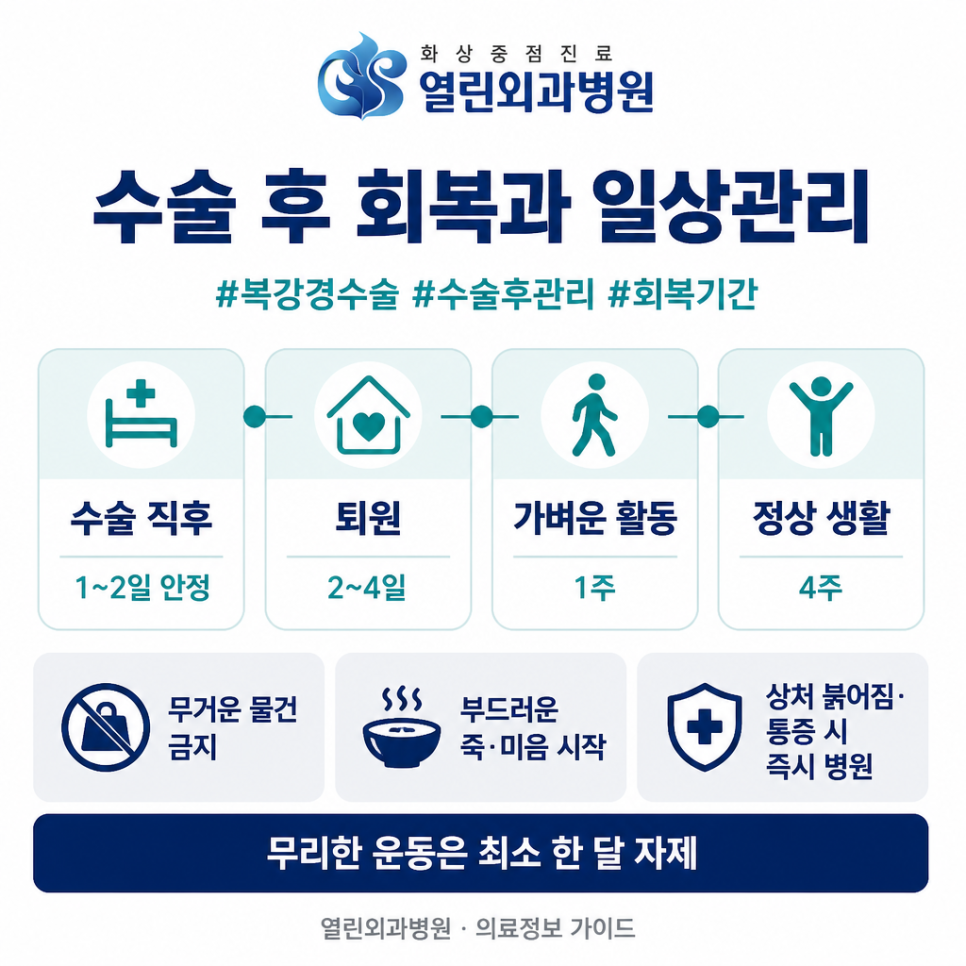
    The timeline for returning to daily life varies by person, but light activity is often possible around one week after surgery.

    That said, some sources note that a full return to normal daily activity can take roughly 2 to 4 weeks, so keep this in mind as well.
    appendicitis surgery illustration 6

    After discharge, it’s important to avoid lifting heavy objects and to get adequate rest.
    For meals, it’s best to start slowly with soft foods like porridge or rice gruel rather than spicy or irritating foods.

    ⚠️ Precautions
    If pain or redness at the incision site worsens, contact your hospital right away.
    Avoiding strenuous exercise for at least a month is the safer approach.

    Frequently Asked Questions

    1. Will the surgery leave a large scar?
    Laparoscopic and single-incision techniques are now the norm, so scars tend to be small and less noticeable.

    2. When can I shower after surgery?
    If a waterproof dressing is applied, a brief shower may be possible right after discharge, but it’s safest to wait until the stitches are removed or the wound has healed.

    3. How should I manage my diet after discharge?
    Since digestive function is still recovering, it’s best to avoid spicy or greasy foods and gradually progress from easily digestible liquids to regular meals.

    4. Does right lower abdominal pain always mean appendicitis?
    Not necessarily — conditions such as ovarian cysts, urinary stones, and enteritis can cause similar pain, so a proper medical evaluation is needed rather than self-diagnosis.

    5. My abdominal pain suddenly went away — is that a good sign?
    Not necessarily. A ruptured appendix can sometimes feel like the pain has eased, so you should seek medical attention immediately.

    appendicitis surgery illustration 7

    If you have any questions about abdominal pain or surgical conditions, please feel free to reach out anytime.

    Information on burn care and a range of other surgical services is also available at Burn Care, [Ansan Yeolin Surgery Hospital] Home.

    appendicitis surgery illustration 8

    appendicitis surgery illustration 11


    References

    · Asan Medical Center, \”Acute Appendicitis,\” Disease Encyclopedia, Medical Information. View
    · Asan Medical Center, \”Appendectomy,\” Tests/Procedures/Surgery Information, Medical Information. View
    · Korea Disease Control and Prevention Agency, \”Acute Appendicitis,\” National Health Information Portal. View


    This article is intended for general health information purposes only and is not a substitute for individual diagnosis or treatment. If you have symptoms, please consult a physician.