If a burn from hot water or fire hasn’t even started to scab over after a week,
it may be more than just a slow recovery.
In many cases, the underlying issue is reduced blood flow to the damaged tissue, which cuts off its oxygen supply.
One approach that’s drawn attention for speeding up recovery in these situations is hyperbaric oxygen therapy for burns.
This article breaks down how hyperbaric oxygen therapy for burns works, why the golden window matters for recovery, and what to check before starting treatment.
Read on for the 3 mechanisms that help reduce swelling and lower scarring risk, plus why the 24-48 hour window is so critical.

What Is Hyperbaric Oxygen Therapy for Burns?
Hyperbaric oxygen therapy for burns is a treatment in which patients breathe highly concentrated oxygen in an environment with air pressure higher than normal atmospheric pressure, in order to support the recovery of damaged tissue.
It’s administered inside a sealed piece of equipment called a hyperbaric chamber.
Under normal breathing conditions, oxygen struggles to reach deep into damaged skin tissue.
When pressure is increased, however, oxygen dissolves not only into red blood cells but also into blood plasma (serum).
If this is your first time hearing about the concept, you’re probably wondering how much it actually helps with skin recovery.
The key idea is that it delivers oxygen directly to injured areas where circulation is compromised.

The high-concentration oxygen inhaled under pressure travels through the bloodstream deep into damaged skin, helping to lay the groundwork for cell regeneration.

What Are the Core Mechanisms Behind Faster Recovery?
Hyperbaric oxygen therapy supports recovery through three main mechanisms: reducing swelling, promoting new blood vessel formation, and supporting white blood cell function.
When skin tissue is damaged, localized swelling develops and blood flow drops sharply.
If this state continues, tissue oxygen levels fall further and recovery slows down.
High-concentration oxygen helps stimulate the formation of new microvessels, allowing fresh blood supply to return to the area.

Elevated blood oxygen levels help reduce swelling
and support the bactericidal function of white blood cells, which can help guard against secondary infection.
Together, these combined effects help activate the skin’s regeneration cycle,
which may in turn help lower the likelihood of scarring.
✅ Reduced swelling and improved blood flow at the injury site
✅ Support for white blood cell function that may help prevent infection
✅ Encouragement of new microvessel and skin cell formation
Why Does the 24-48 Hour Golden Window Matter So Much?
The “golden window” in burn care refers to the first 24 to 48 hours after injury, a period that’s understood to help minimize cell death and support the body’s recovery capacity.
The faster the initial response, the more the extent of damage may be limited.

Prompt, appropriate first aid and care during this period is understood to have a positive effect on outcomes.
That said, this timeframe reflects general clinical guidance for burn injuries
and isn’t an absolute standard that applies identically to every patient.
Missing the golden window raises the risk of deeper tissue damage,
so it’s advisable to seek a professional evaluation and prompt care immediately after injury.
Simply waiting for natural healing without intervention can allow the area of tissue death to expand, so it’s best to get appropriate care within the initial golden window.
What Does the Hyperbaric Oxygen Treatment Process Look Like?
Hyperbaric oxygen therapy generally follows this sequence: consultation and evaluation → entering the chamber → progress check.
Understanding these steps ahead of time can help you receive care safely.
- Consultation and evaluation: Medical staff assess the patient’s condition and determine whether the treatment is appropriate.
- Entering the chamber: Pressure is raised gradually while the patient breathes high-concentration oxygen for 60 to 90 minutes.
- Progress check: Skin recovery is evaluated and the number of remaining sessions is adjusted accordingly.
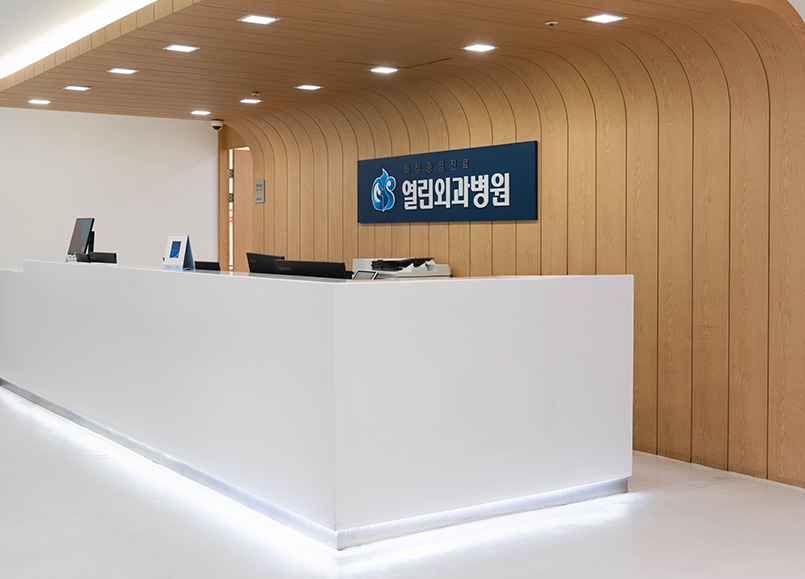
✅ Does the facility have equipment that meets recognized safety standards?
✅ Is the treatment supervised by qualified medical staff?
✅ Were you given clear instructions on equalizing (ear pressure adjustment) before treatment?
If you’re looking for a specialized hospital that offers hyperbaric oxygen therapy,
the homepage of Ansan Yeorin Surgery Hospital, a hospital specializing in burn treatment, is a good place to find more information.

Frequently Asked Questions
1. Is the treatment painful or uncomfortable?
As pressure increases, you may feel ear fullness similar to what you experience on an airplane. Swallowing or pinching your nose while gently blowing (equalizing) usually resolves this.
2. How long does each session take, and how many sessions are needed?
A single session typically takes 60 to 90 minutes, and the total number of sessions varies depending on the severity of the burn and how recovery progresses.
3. Can it be combined with regular wound dressing?
Yes. When combined with standard wound care and dressing, it may support skin regeneration alongside those treatments.
4. Can every burn patient receive this treatment?
Eligibility depends on the depth and extent of the burn as well as overall health, so it should be decided based on a physician’s evaluation.
5. Does it completely eliminate scarring after treatment?
It may help lower the risk of scarring, but results vary by individual and complete scar removal isn’t guaranteed.


If you need emergency burn care in the Ansan area, it’s worth checking in advance whether a hospital has dedicated burn specialists and the proper dressing materials on hand.
Facilities like Yeorin Surgery Hospital, located at 376 Hwarang-ro, Danwon-gu, Ansan-si, Gyeonggi-do, can serve as a reference for the kind of care infrastructure to look for.

References
· NCBI StatPearls, “Hyperbaric Treatment of Thermal Burns,” StatPearls Publishing, 2023. View source
· Journal of Burn Care & Research, “Hyperbaric Oxygen Therapy in Burn Care: A Systematic Review of Current Evidence,” Oxford University Press, 2025. View source
· Doctors News, “Why Is Hyperbaric Oxygen Therapy Needed for Acute Burns?”, Korean Medical Association, 2023. View source
This article is intended for general health information purposes only and is not a substitute for individual diagnosis or treatment. If you have symptoms, please consult a physician.
Leave a Reply